Key Points
- Recycled plastic decking transitions from niche product to mainstream option, delivering exceptional durability, reduced maintenance demands, and substantial environmental advantages.
- Homeowners recognize the initial higher cost of recycled plastic lumber, yet it recoups expenses through extended lifespan and negligible upkeep requirements.
- Innovations in composite technology enhance visual appeal, tactile quality, and thermal performance, positioning recycled decking as both stylish and sustainable.
- Adoption of circular manufacturing practices minimizes landfill contributions and produces materials that endure for decades without decay, fragmentation, or distortion.
Recognizing Deck Wear and Tear
Imagine stepping onto your backyard deck with a morning coffee in hand. The boards creak underfoot, paint flakes away in patches, and another soft spot signals impending failure. This scenario prompts many homeowners to question the value of traditional wood decks, given the endless cycle of sanding, staining, and sealing. Recycled plastic decking addresses these issues directly, offering a solution that withstands weather elements, requires minimal cleaning, and maintains its appearance without frequent interventions.
The Importance of Recycled Plastic Decking
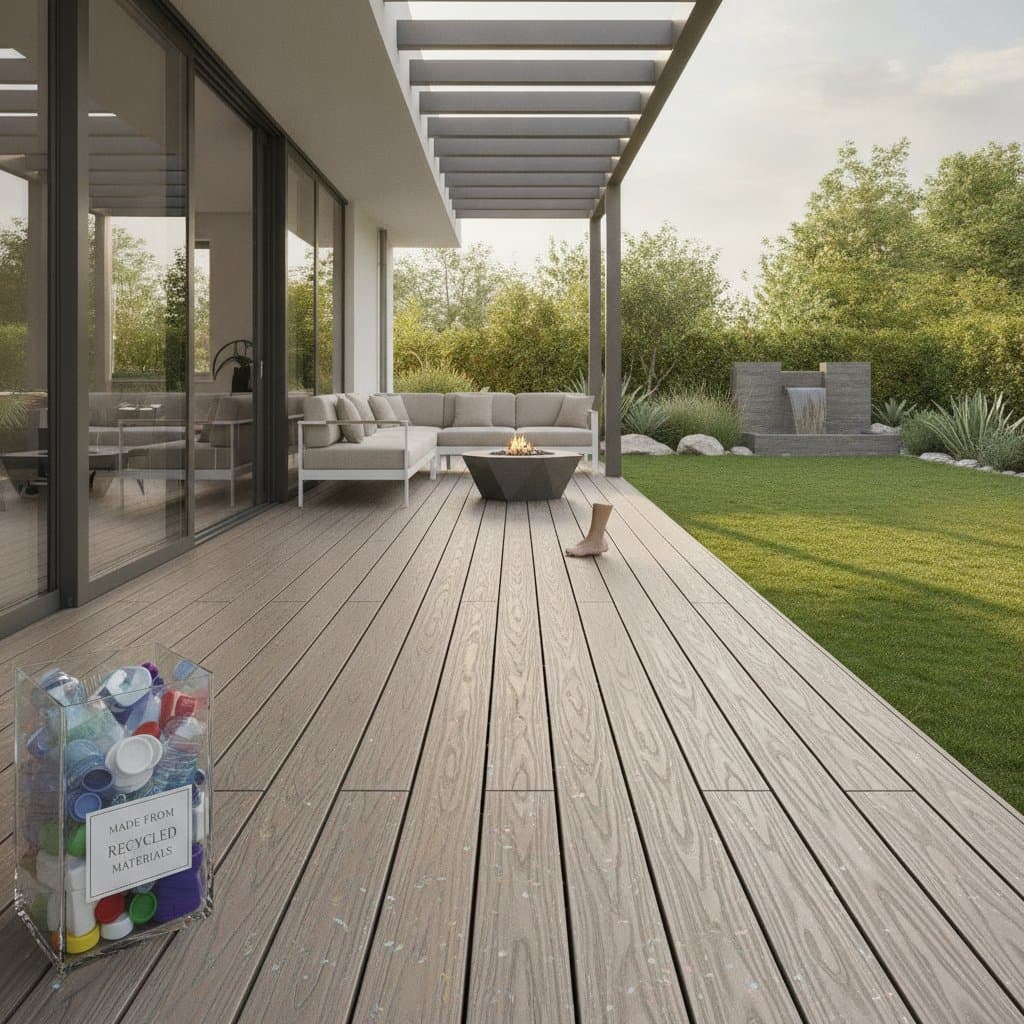
Decks extend beyond simple leisure areas; they function as outdoor living rooms, dining venues, and settings for cherished family moments. These structures demand considerable material investment. Recycled plastic decking, typically derived from post-consumer polyethylene such as milk jugs or detergent bottles, converts common waste into robust construction material.
From a financial standpoint, this choice yields long-term savings for property owners. Environmentally, it redirects plastic away from landfills and marine environments. In practical terms, it eliminates one of the primary challenges in outdoor living: ongoing maintenance. These combined advantages explain why recycled plastic lumber stands ready to establish new benchmarks in decking applications.
Essential Planning Considerations
Prior to embarking on a recycled decking installation, evaluate several critical elements to ensure success.
-
Material Composition
Recycled decking falls into two primary categories: pure plastic and composite mixtures. Pure plastic variants repel moisture entirely, whereas composites integrate recycled wood fibers with plastic to achieve a more authentic texture. Both categories surpass untreated wood in resilience against weather exposure. -
Aesthetics and Texture
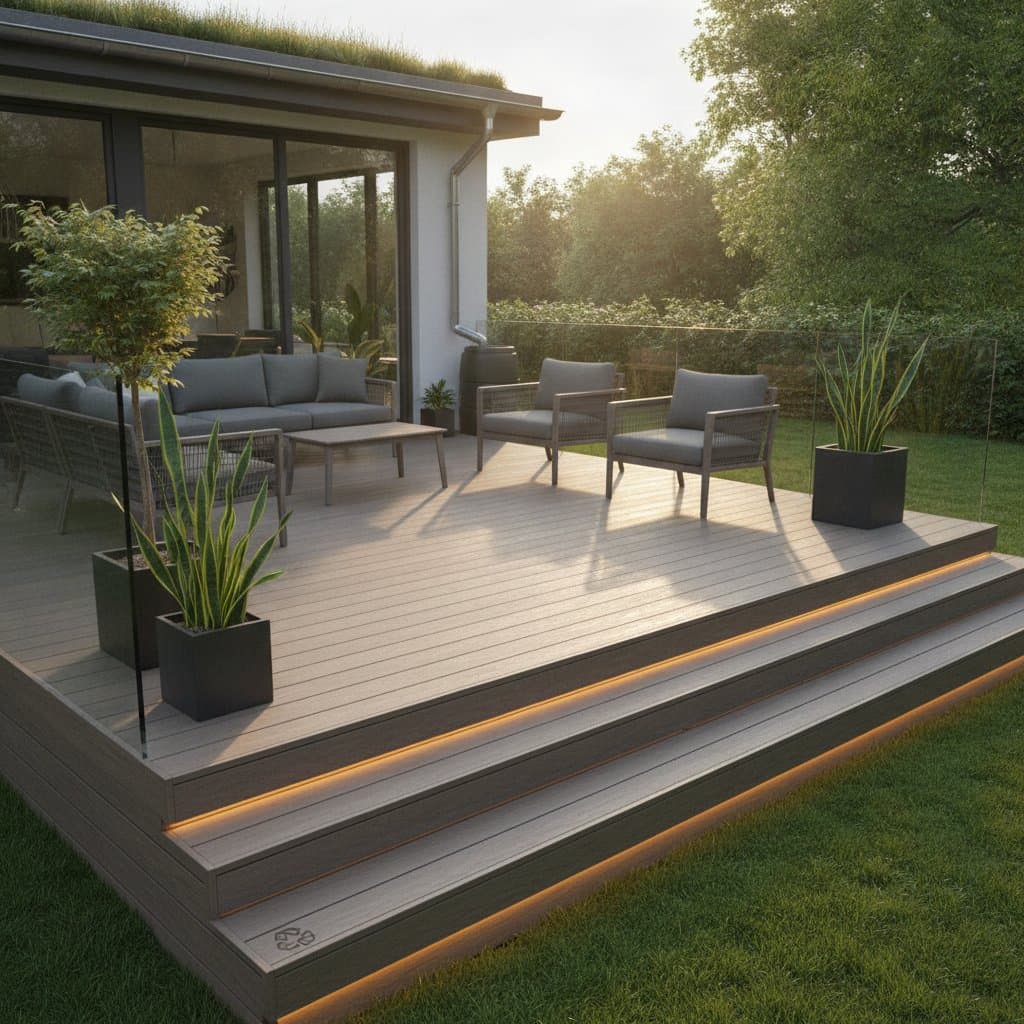
Initial generations of recycled boards occasionally appeared overly glossy or synthetic. Contemporary production methods employ embossing and color-mixing approaches that replicate wood grain with precision. Such boards adapt seamlessly to diverse architectural preferences, ranging from sleek modern patios to traditional rustic escapes. -
Structural Design
Pure plastic boards exhibit greater flexibility compared to wood, necessitating precise joist spacing for stability. Engage an installer experienced with these materials to guarantee a firm, reliable surface. -
Permits and Local Codes
Regulations vary by location, so verify weight capacities and flame-spread ratings prior to proceeding. The majority of recycled decking products comply with or exceed established national safety criteria, though local confirmation ensures adherence.
Cost Analysis and Return on Investment
Initial pricing for recycled plastic decking ranges from 30 to 60 percent above that of pressure-treated wood. Over time, however, the economic equation shifts favorably.
- Initial Expenses: Installed costs typically span 10 to 25 dollars per square foot, influenced by material grade, design intricacy, and inclusion of railing components.
- Maintenance Reductions: Conventional wood decks demand refinishing every two to three years, accumulating significant material and labor expenses. Recycled plastic necessitates only periodic cleaning using soap and water.
- Durability Factors: Properly installed recycled plastic decks endure two to three times longer than standard wood alternatives, resulting in reduced replacement frequency and material waste.
- Property Value Enhancement: Prospective buyers prioritize low-maintenance and sustainable attributes. Residences featuring composite or recycled decks frequently recoup 65 to 75 percent of installation costs via elevated market appeal.
Across a 10-year period, the cumulative cost of owning recycled plastic decking proves 20 to 40 percent lower than wood equivalents, despite the elevated starting point.
Sustainability Attributes and Performance Improvements
Recycled plastic decking represents a subtle yet impactful advancement in sustainability, linking worldwide environmental concerns to personal backyard enhancements. A single deck reclaims thousands of plastic containers destined for disposal sites. Producers further optimize energy use through closed-loop recycling, repurposing production scraps rather than discarding them.
In contrast to wood, recycled plastic lumber eliminates the need for chemical preservatives or sealants, thereby reducing volatile organic compound emissions near living areas. The inherent composition resists mold growth and insect damage without reliance on harmful additives.
Considering the full lifecycle, this decking option diminishes demands for recurrent wood harvesting, transport, and processing. Such efficiencies substantially decrease the carbon emissions associated with outdoor construction endeavors.
Creative Design and Layout Options
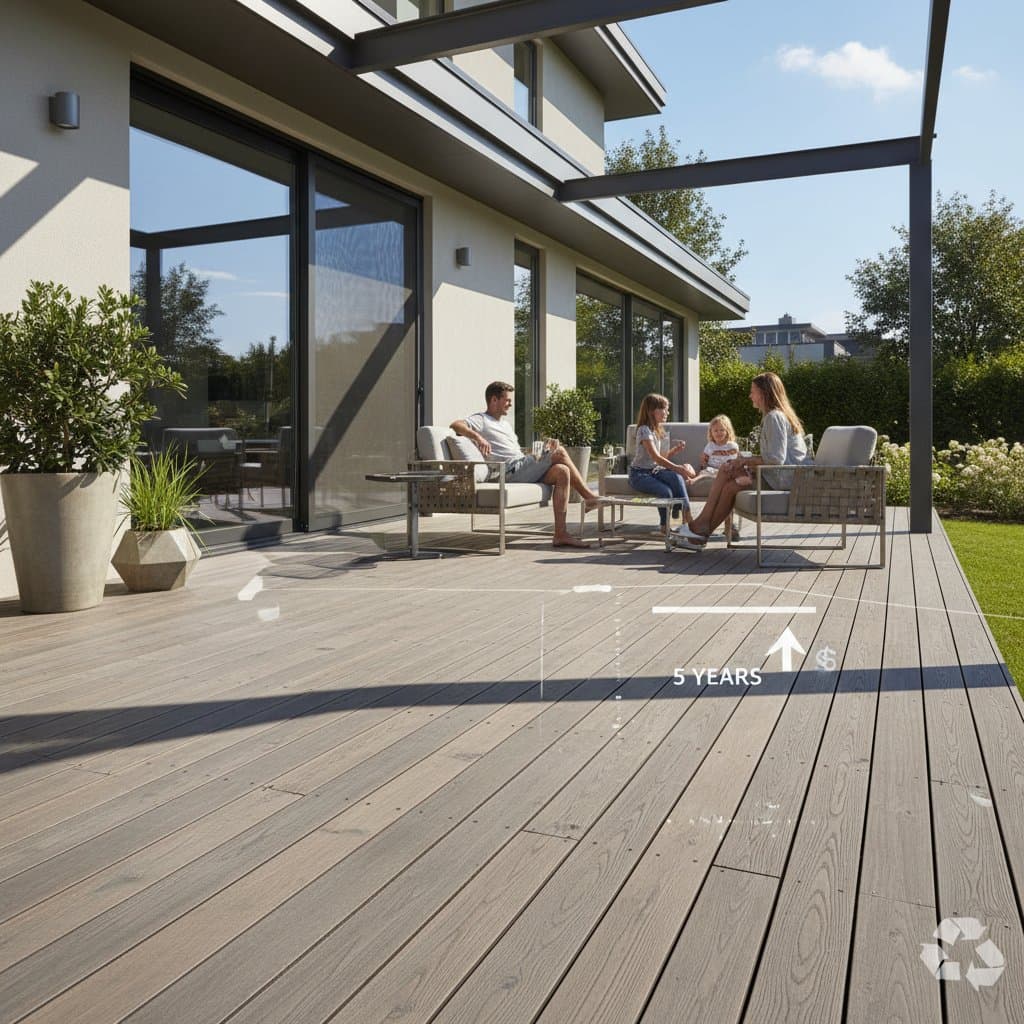
Recycled plastic decking facilitates expansive creative possibilities in design. Available in numerous colors and finishes, it allows for tonal variations in borders, motifs, or integrated seating arrangements. In sun-exposed areas, select lighter shades to minimize heat buildup; alternatively, opt for richer wood-like hues to foster a warm, organic ambiance.
Incorporate embedded lighting, concealed fasteners, or prefabricated railing assemblies to elevate both form and function. The material's pliability under heat enables curving during assembly, accommodating fluid contours that prove difficult with wood.
Its consistent properties suit elevated rooftop installations or poolside enclosures, where uniform quality and moisture resistance prove essential.
Project-Influencing Variables
Several operational aspects shape the outcome of a recycled decking initiative:
- Climate Conditions: In regions with harsh winters, account for thermal expansion and contraction during setup to prevent issues.
- Support Framework: Pair recycled plastic boards with rust-resistant hardware and adequately spaced joists for optimal performance.
- Color Stability: Advanced pigments resist significant fading, though deeper shades may subtly lighten after multiple seasons.
- Vendor Reliability: Select items endorsed by certifying bodies that authenticate recycled content levels and durability specifications.
Frequently Asked Questions
Does recycled plastic decking become slippery?
Most variants feature textured profiles that enhance grip. Reputable manufacturers conduct rigorous testing for slip resistance under wet and dry scenarios.
Is installation possible over an existing wood substructure?
Yes, provided the framework remains intact. Numerous owners upgrade current joists after assessing spacing and fortification prerequisites.
Does recycled plastic decking pose risks to pets or children?
No concerns exist. It avoids splinters or protruding hardware and refrains from releasing substances as certain treated woods do.
What cleaning methods work best?
Routine sweeping suffices, supplemented by mild soap and water rinses as needed. Steer clear of high-pressure washers to safeguard the surface integrity.
Will fading or cracking develop eventually?
Slight color shifts may occur, but structural cracking remains uncommon. The plastic formulation averts the splitting and surface degradation typical of wood decks.
Realizing Enduring Advantages
Investing in recycled plastic decking unlocks sustained rewards that extend well beyond the initial five-year payback threshold. Homeowners enjoy a space that demands little effort yet delivers consistent performance season after season. This choice not only safeguards your investment but also contributes to broader ecological progress, ensuring your outdoor haven remains vibrant and viable for generations.