Key Points
- Recycled roofs constructed from plastic and rubber waste transform homeowner perspectives on sustainability and expenses.
- These materials diminish landfill contributions, decrease energy consumption in production, and provide extended service lives with limited upkeep.
- Initial investments yield returns through energy reductions, enhanced durability, and elevated property values.
- Knowledge of quality classifications, installation procedures, and certification criteria secures enduring reliability.
The New Look of Sustainable Living
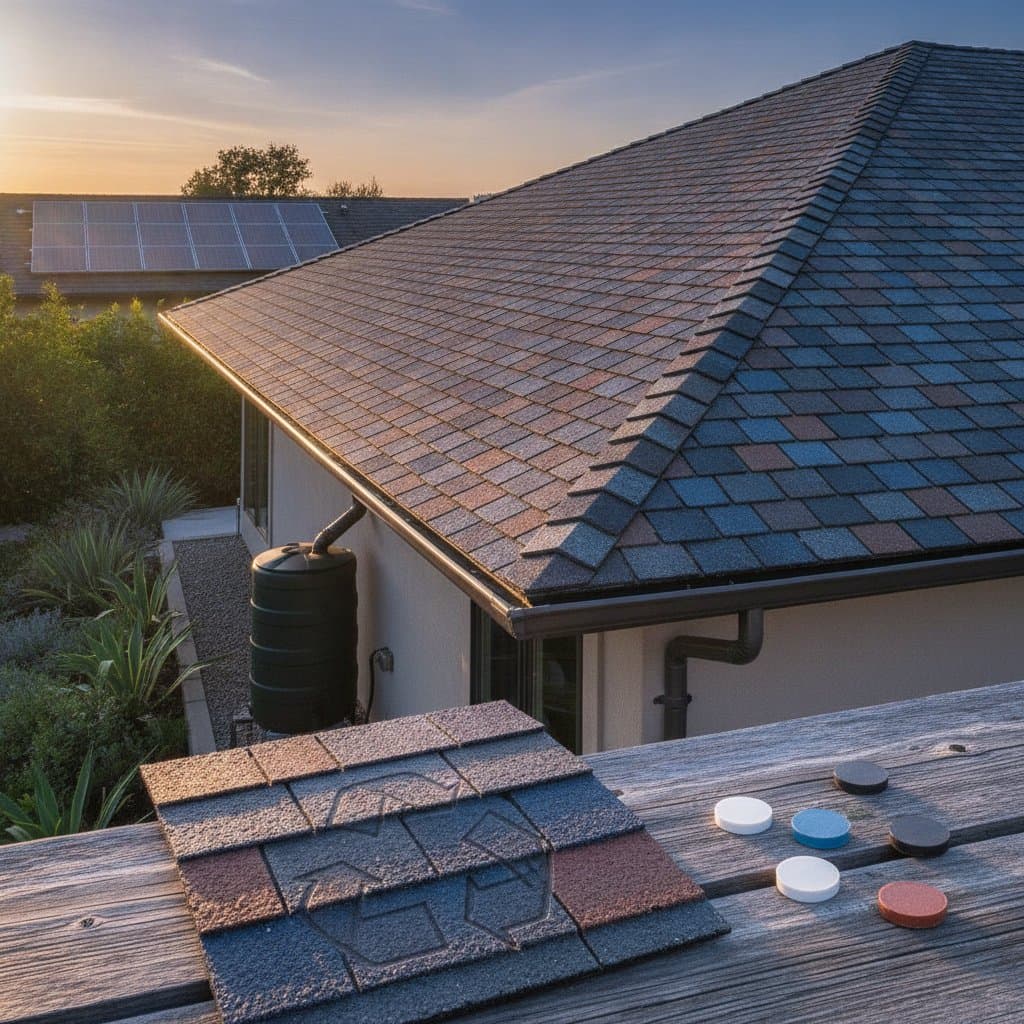
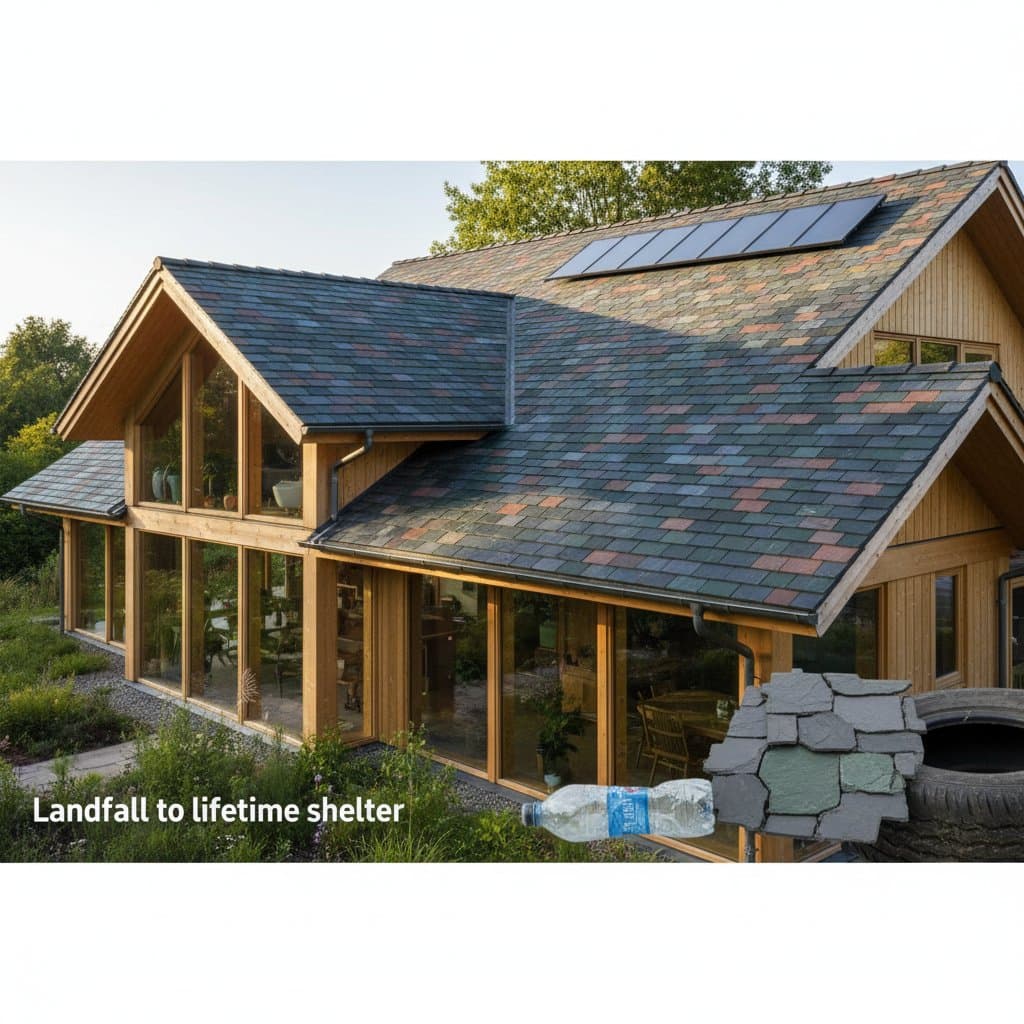
Imagine a neighbor's roof featuring tiles that resemble dark slate, yet these panels originate from discarded shampoo bottles and used tires. Materials destined for landfills now protect homes against rain, wind, and sunlight. This shift represents a significant advancement in roofing practices as sustainability discussions evolve.
Recycled roofs have transitioned from experimental options to standard choices in construction. Homeowners recognize that environmentally sound decisions can align with style, strength, and economic benefits. Converting waste into protective coverings combines poetry with practicality.
Why Recycled Roofs Matter
Conventional roofing, such as asphalt shingles or clay tiles, demands resource-heavy production and regular renewals. Recycled alternatives often endure two to three times longer, varying by formulation and regional conditions. They withstand cracking, color loss, and temperature extremes more effectively than many standard products.
Financial advantages include fewer replacements, decreased utility expenses via superior insulation, and eligibility for sustainability rebates. On the environmental front, each installation redirects substantial volumes of plastic and rubber from disposal sites. Such roofs integrate into a circular economy, where discarded items serve as valuable inputs.
Key Considerations for Planning
Selecting a recycled roof extends beyond surface appearance. Homeowners must assess multiple elements to make informed decisions:
- Material Type: Common compositions incorporate post-consumer plastics, rubbers, or metals. Plastic blends emulate wood or slate appearances, whereas rubber variants offer adaptable, shock-absorbing qualities.
- Climate Compatibility: Regions with high humidity or proximity to water require strong UV protection and water repellency. Colder climates demand resilience to expansion and contraction from freezing and thawing.
- Installation Method: Certain systems employ interlocking designs, while others necessitate unique securing tools. Confirm the contractor's experience with the chosen product's protocols.
- Certifications: Seek validations from organizations like GreenCircle Certified or Cradle to Cradle, which verify recycled proportions and ethical production practices.
- Warranty Terms: Expect coverage spanning 30 to 50 years, but examine details on protections against discoloration, elemental damage, or installation errors.
Thorough preparation avoids unexpected expenses and guarantees decades of optimal function.
Cost Breakdown and ROI Analysis
Recycled roofing may appear costly initially. Installed prices generally fall between 8 and 15 dollars per square foot, influenced by craftsmanship and local labor costs. Premium recycled options parallel high-end metals or composites, while entry-level versions match standard asphalt pricing.
Benefits emerge over time through durability and performance:
- Reduced Replacement Costs: These roofs may outlast asphalt by double the duration, eliminating one complete overhaul expense.
- Energy Savings: Surfaces with reflective properties or pale hues can decrease air conditioning demands by as much as 20 percent in warmer periods.
- Insurance Benefits: Providers sometimes reduce premiums for roofs demonstrating superior resistance to fire or hail impacts.
- Resale Value: Sustainable enhancements appeal to contemporary purchasers seeking reduced care and ecological merits, possibly increasing home worth by 3 to 5 percent.
Over the product's complete lifespan, returns on investment can reach 70 to 80 percent, contingent on utility rates and regional housing trends.
Design and Aesthetic Options
Contemporary recycled roofs eliminate any perception of inferiority in appearance. They replicate natural substances with such precision that observers rarely detect their recycled nature. Options encompass:
- Slate-look tiles featuring nuanced shading and tactile depth.
- Cedar-style shakes formed from recycled plastics that imitate timber patterns without vulnerability to decay.
- Rubber shingles modeled after conventional asphalt yet enhanced for toughness.
Shades vary from intense blacks to warm terracottas and serene blues, complementing diverse building aesthetics. For contemporary structures, streamlined recycled metal sheets provide sharp contours and heat deflection. Outcomes blend environmental stewardship with refined elegance.
Sustainable Features and Efficiency Gains
Recycled roofs excel in functionality as well as ethics. Their green attributes surpass mere composition:
- Thermal Regulation: Numerous composites deflect sunlight, maintaining cooler indoor spaces and easing demands on heating and cooling equipment.
- Rainwater Harvesting: Non-absorbent finishes facilitate gathering uncontaminated water for landscaping or non-potable uses.
- Reduced Embodied Energy: Producing recycled elements consumes considerably less power than extracting and refining virgin resources.
- End-of-Life Recyclability: Select manufacturers reclaim used sections for remanufacturing, completing the resource cycle.
These qualities foster diminished emissions and enhanced living conditions, essential for durable, forward-looking residences.
Frequently Asked Questions
Are recycled roofs as durable as traditional options?
Many recycled products match or surpass conventional lifespans. Rubber and plastic formulations resist fractures and sun damage, preserving structural soundness across years.
Will recycled roofs look cheap or synthetic?
Current techniques in shaping and coloring yield surfaces indistinguishable from slate, timber, or rock. Sustainability integrates seamlessly with visual appeal.
Do these roofs require special maintenance?
Routine care involves clearing accumulated debris and checking seals or edges periodically.
Can I install a recycled roof myself?
Interlocking varieties suit amateur efforts, though expert application safeguards against leaks and upholds guarantees.
How does temperature affect recycled materials?
Reputable composites accommodate wide thermal ranges. Review the specified endurance limits prior to selection.
Steps to Install a Recycled Roof
Adopting a recycled roof signifies both aesthetic enhancement and principled commitment. Obtain estimates from accredited specialists in eco-materials. Evaluate manufacturers according to recycled volume, guarantee provisions, and visual suitability. Inquire about local climate adaptability and solicit client testimonials.
This upgrade transcends mere protection. It embodies efficient resource management, innovative construction, and proactive property stewardship, yielding lasting rewards for homeowners and the planet.