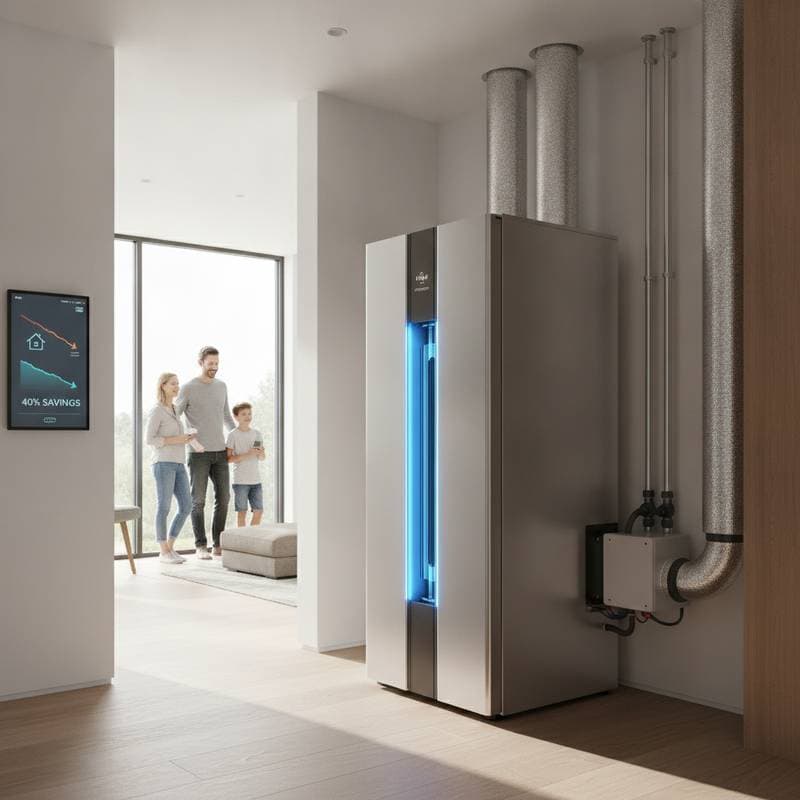
Key Considerations
- Roughly 60 percent of the energy used to heat shower water flows straight down the drain.
- Greywater heat recovery systems capture this warmth to preheat incoming cold water, reducing water heating costs by up to half.
- These units typically pay for themselves through energy savings, particularly in households with multiple daily showers.
- Installation works best during renovations, maintenance stays minimal, and the approach supports lower household emissions.
Everyday Heat Loss During Showers
You step into a warm shower and enjoy steady hot water. The heated water reaches the drain and its energy disappears. Across many homes this pattern repeats daily and wastes substantial energy that has already been paid for.
Greywater heat recovery systems address this loss. They transfer heat from outgoing drain water to incoming cold supply lines before the water reaches the heater. Up to 60 percent of the original thermal energy can return to use, which lowers the load on the water heater.
Importance for Household Energy Use
Water heating often represents about one quarter of total home energy consumption. Capturing otherwise lost heat reduces this demand without requiring changes in shower habits. The same process eases wear on the water heater, cuts greenhouse gas emissions, and improves overall home performance.
Homes with several bathrooms or larger families see faster accumulation of savings. Smaller households still gain from reduced energy draw and more efficient resource use.
System Operation and Types
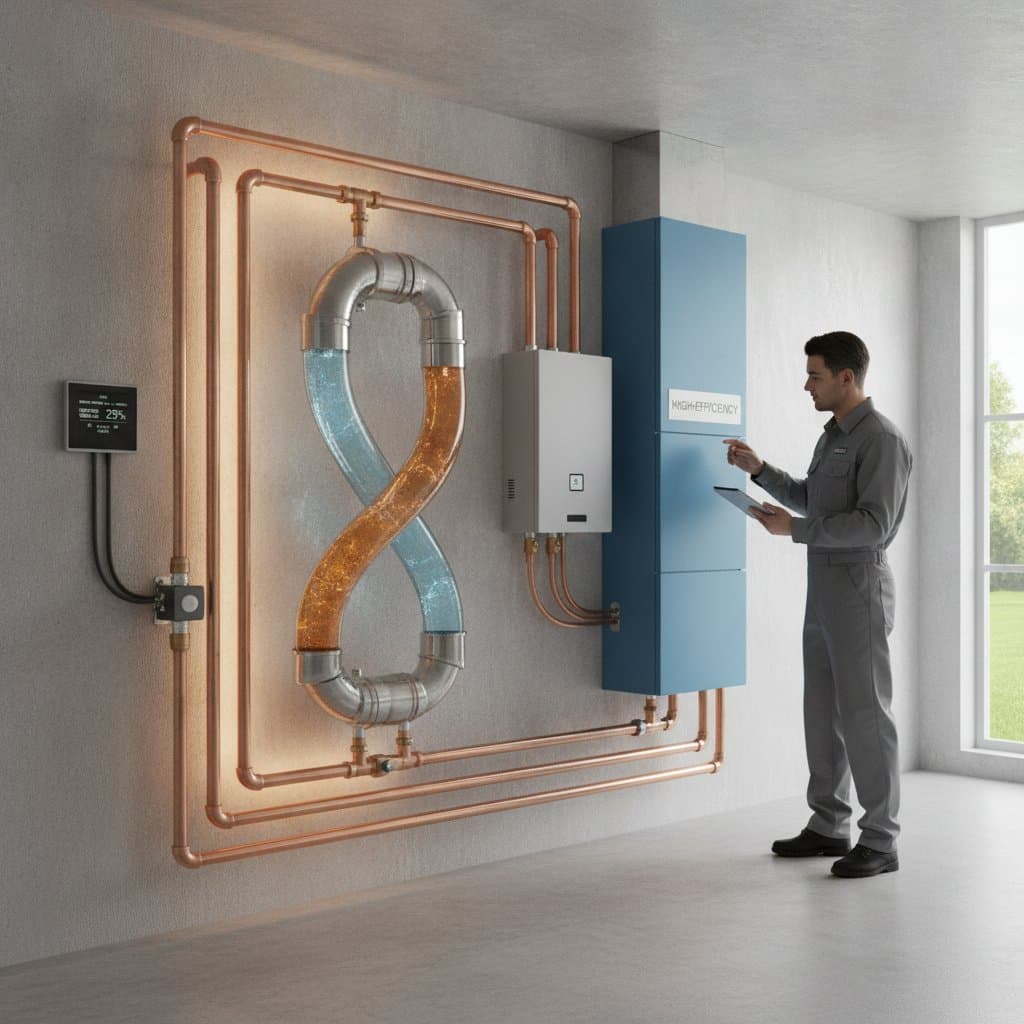
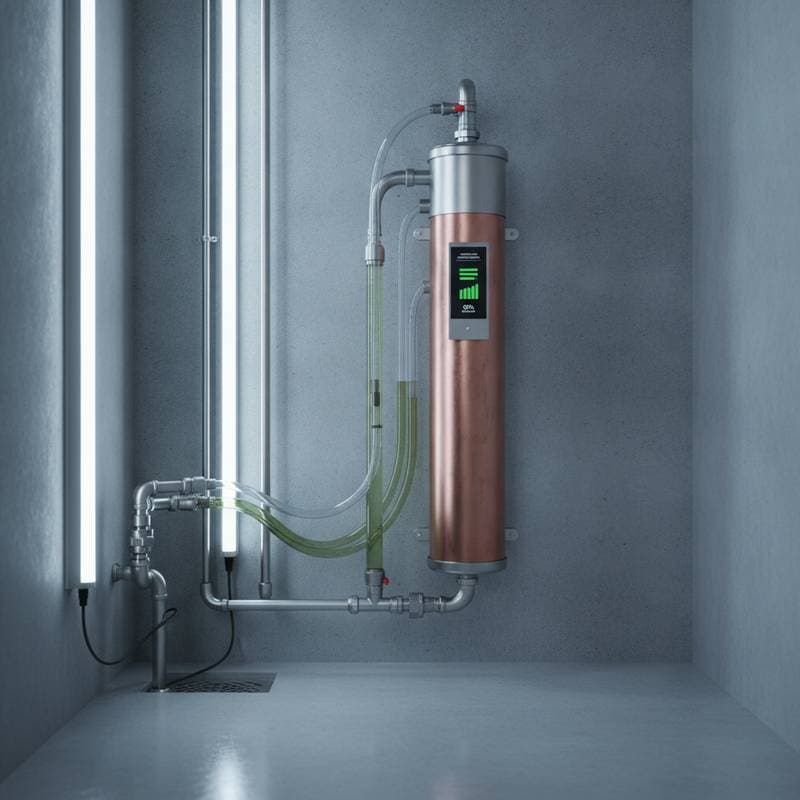
Warm drain water passes through a heat exchanger that sits near the shower drain. Cold incoming water flows through a separate channel inside the same unit, picking up heat across conductive surfaces without any mixing of the two streams.
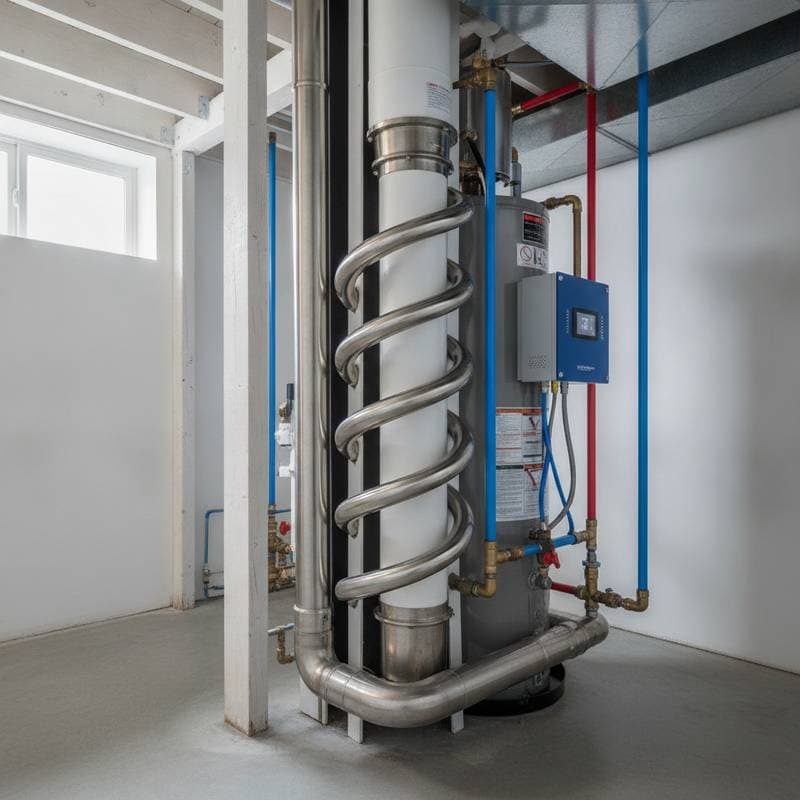
Two common configurations exist. Vertical units mount on a straight section of drain pipe where falling water transfers heat to a surrounding coil. Horizontal units collect greywater briefly in a small reservoir when vertical pipe access is unavailable.
The preheated supply then travels to the shower valve or water heater, so less energy is needed to reach the target temperature.
Installation Planning Factors
New construction or major bathroom remodels provide the easiest integration. Retrofit projects remain feasible when drain access can be created.
Key factors include locating a suitable vertical or horizontal drain section, positioning the unit close to the water heater supply, confirming compliance with local codes, and allowing space for inspection access. A qualified plumber can usually finish the work within a few hours on straightforward layouts.
Cost and Savings Expectations
Material costs range from 400 to 1200 dollars, with installation adding 300 to 800 dollars. Higher efficiency models cost more yet deliver greater heat transfer rates.
Annual savings for a typical household often fall between 100 and 300 dollars depending on shower volume and local energy prices. Over a 20 year service life the cumulative return frequently exceeds twice the original investment.
For example, a water heater using 4000 kilowatt hours yearly can see a reduction of 1000 to 1500 kilowatt hours after heat recovery begins. The resulting drop appears directly on utility statements and in lower emissions.
Design Integration Approaches
The equipment remains hidden behind walls or under floors, preserving bathroom appearance. Effective layouts keep shower drains near supply lines, pair the system with low flow showerheads, and use insulated piping to retain recovered warmth.
Combining the unit with a tankless water heater further improves response time. No daily actions are required from users.
Efficiency and Sustainability Outcomes
Greywater heat recovery advances three main goals. It lowers total household energy demand, decreases carbon emissions associated with heating fuel, and extends water heater service life by reducing operating hours.
The approach aligns with high performance home standards and works alongside solar thermal collectors or smart controls. Each increment of recovered energy improves the overall efficiency profile.
Answers to Common Questions
Does the system reuse drain water?
No. Only heat moves across sealed surfaces. Greywater continues through standard drainage.
Will it fit older homes?
Yes. A plumber evaluates vertical pipe access or selects a horizontal model when needed.
Is contamination possible?
No. The streams remain separate within copper or stainless steel exchangers.
Does pressure change?
Proper installation preserves normal flow because the unit contains no pumps.
What upkeep is involved?
Very little. Occasional flushing prevents scale in hard water areas, yet many units run for years without service.
Next Steps for Homeowners
Consult a plumber experienced with efficiency upgrades to assess your drain layout and estimate savings. Adding the system during planned work minimizes disruption and delivers ongoing reductions in both costs and energy use.