Key Points
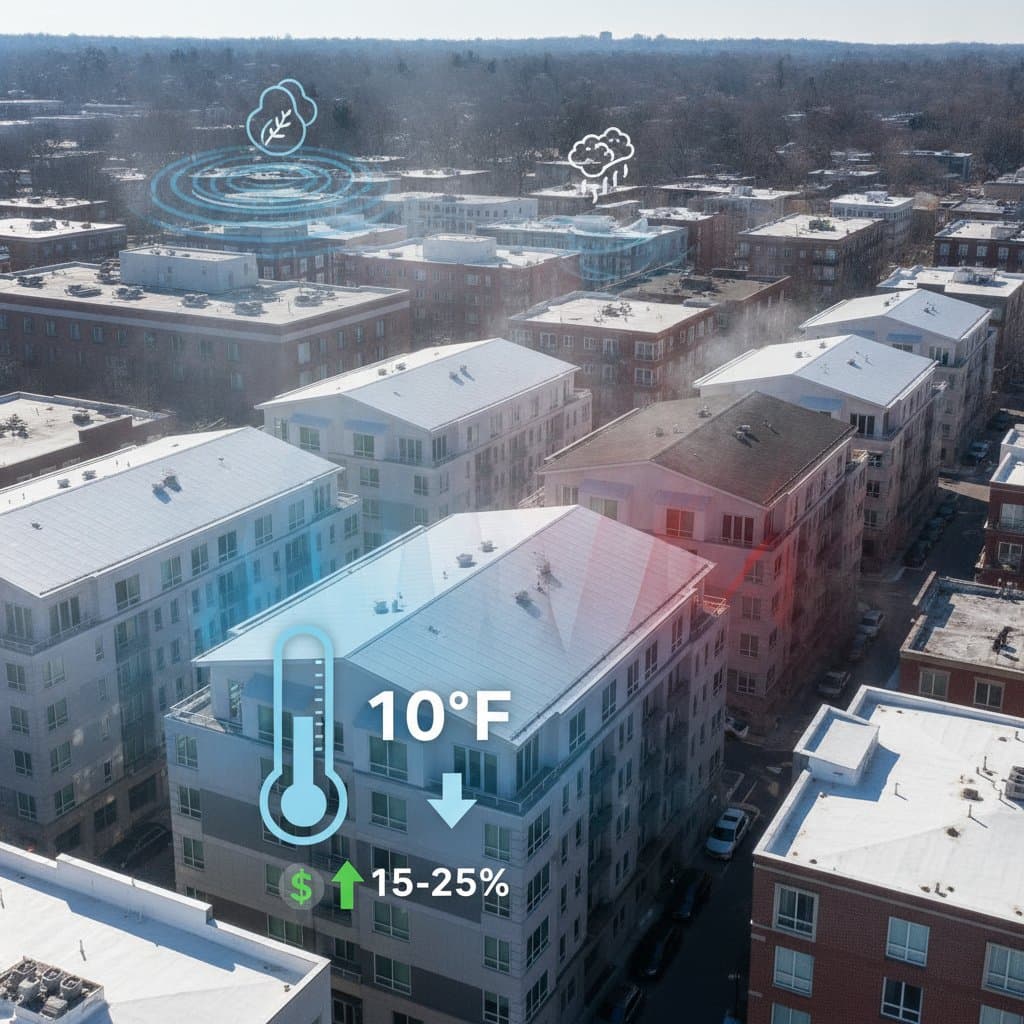
- Cool roofs lower indoor temperatures by up to 10 degrees without additional cooling equipment.
- Reflective roofing materials reduce air conditioning use and cut energy bills by 15 to 25 percent.
- Urban areas gain from reduced heat island effects along with better air quality.
- Material selection, installation quality, and routine maintenance determine long term results.
- Available incentives help offset initial expenses for homeowners and builders.
A Roof That Works With Summer Heat
Homeowners often face rising energy costs when air conditioners run nonstop during peak summer months. Dark roof surfaces absorb intense sunlight and transfer that heat into living spaces below. A cool roof reverses this pattern by reflecting solar energy away from the structure. The result is a measurable drop in indoor temperatures and lower utility expenses.
Rising Heat Loads in Built Environments
Dense neighborhoods experience elevated temperatures because concrete and asphalt retain warmth. Standard dark roofs can reach surface readings above 150 degrees Fahrenheit under direct sun. This added heat forces cooling systems to operate longer and consume more electricity. The cycle increases both monthly bills and overall emissions from power generation.
How Reflective Roofing Reduces Heat Gain
Cool roof systems combine high solar reflectance with strong thermal emittance. These properties allow the surface to bounce away most incoming sunlight and release any absorbed warmth quickly. In suitable climates the approach can deliver cooling cost reductions between 15 and 25 percent. Neighborhood wide adoption also moderates outdoor temperatures and supports cleaner air.
Selecting Materials for Your Roof Type
Material choice depends on roof slope, local weather patterns, and budget limits. Cool asphalt shingles suit many sloped homes and use special granules to limit heat absorption. Metal panels with reflective finishes offer durability that often exceeds 40 years. Single ply membranes such as TPO or PVC provide strong performance on flat or low slope surfaces. Clay or concrete tiles can receive reflective coatings while preserving traditional appearance.
Matching Design to Climate Conditions
Humid regions benefit from surfaces that manage both heat and moisture vapor. Drier areas often favor lighter colors for maximum reflectance. Flat roofs work well with continuous liquid applied coatings. Steep roofs accept shingles or tiles that already contain reflective pigments. A qualified contractor can assess solar reflectance index values and recommend the best fit.
Installation Practices That Protect Performance
Surface preparation requires a clean, dry, and stable substrate. All gaps and cracks must be sealed before coatings or new membranes are applied. Even coverage and correct film thickness preserve reflectivity over time. Professional installation reduces the chance of early failure or moisture intrusion.
Ongoing Care for Sustained Efficiency
Annual inspections identify dirt accumulation or coating wear before efficiency drops. Gentle cleaning restores reflectance on most systems. Reapplication schedules follow manufacturer guidance and local exposure conditions. Consistent maintenance supports decades of reliable energy savings.
Cost Recovery and Available Support
Coatings range from 0.75 to 3.00 dollars per square foot while full replacements run between 5.00 and 10.00 dollars per square foot. Payback typically occurs within five to seven years through reduced cooling loads. Many utilities and local programs provide rebates that shorten this period further. Lower demand on air conditioning equipment also extends its service life.
Community Level Advantages
Widespread use of cool roofs lowers peak electricity demand across entire districts. Reduced heat stress improves outdoor comfort and can ease respiratory concerns tied to smog. Buildings stay more comfortable with less mechanical cooling, allowing natural ventilation strategies to contribute more effectively.
Steps to Begin the Upgrade
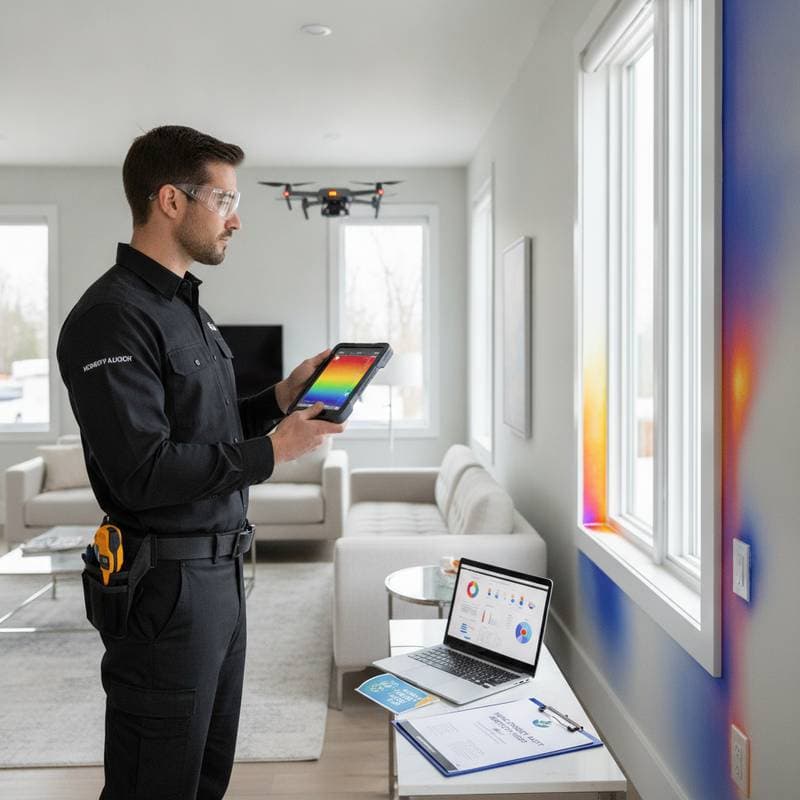
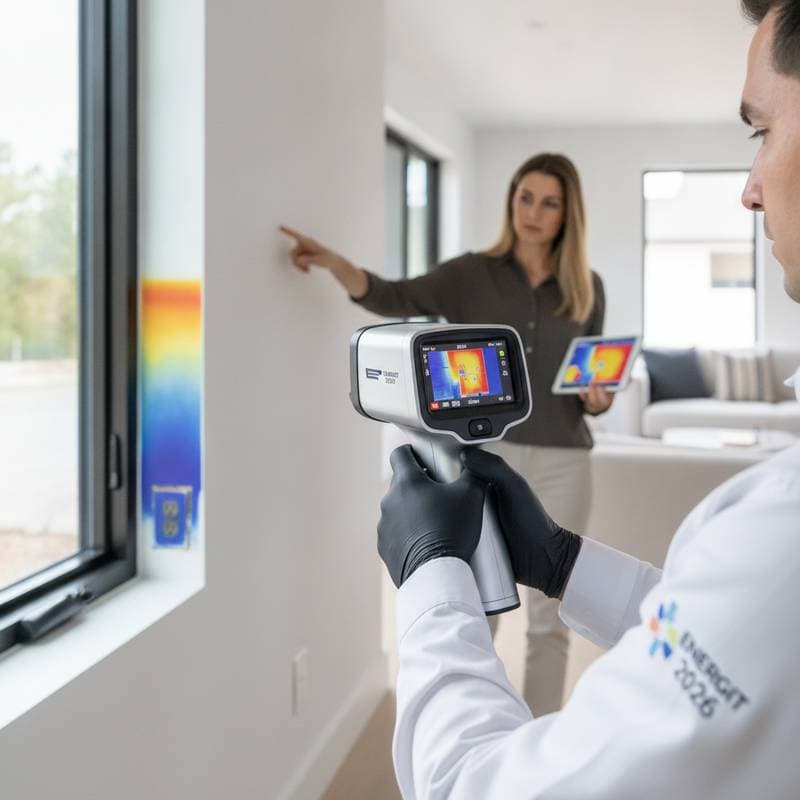
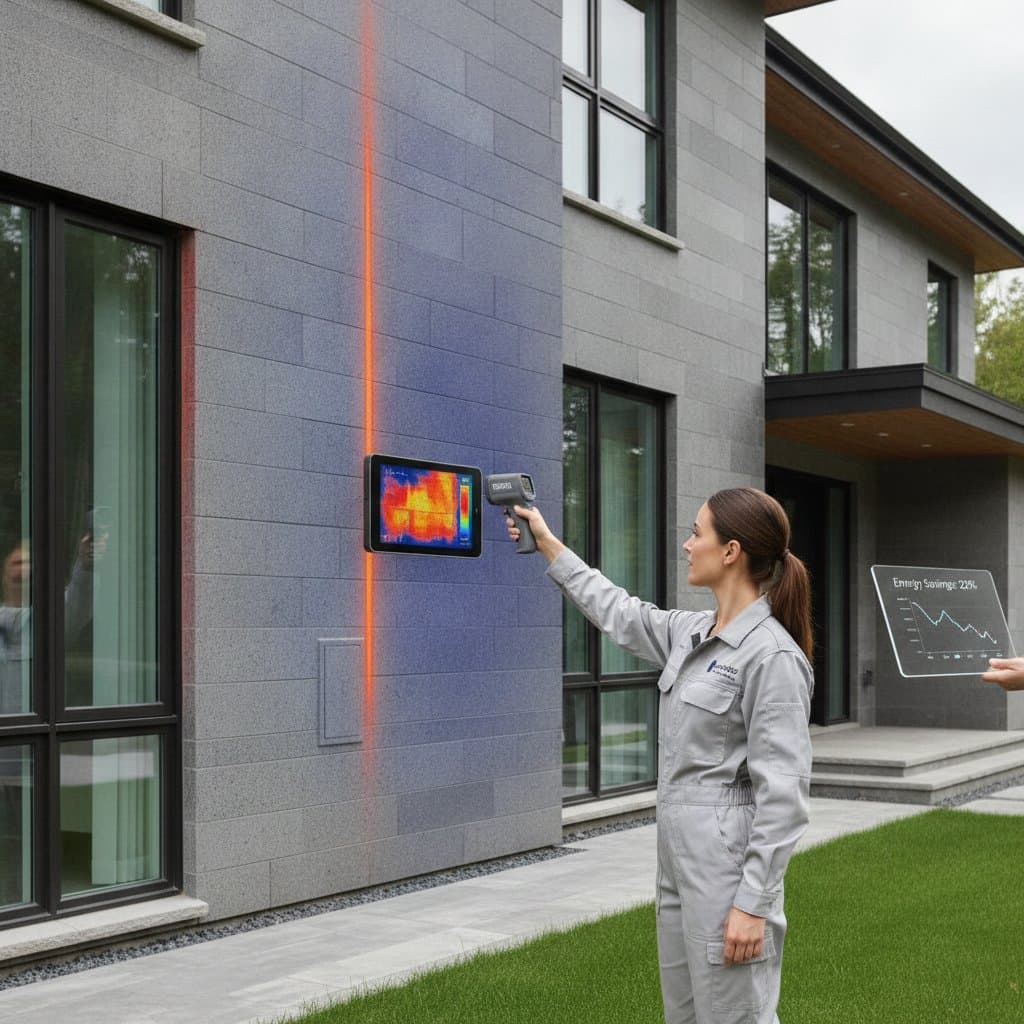
An energy audit first identifies whether insulation or ventilation improvements should accompany the roof work. Certified contractors then provide bids that list specific reflectance values. Homeowners should verify references and confirm that proposed materials meet local code requirements. Installation timing should avoid wet weather to ensure proper adhesion and curing.
Integrating Additional Efficiency Measures
Pairing reflective roofing with attic insulation upgrades maximizes year round performance. Rooftop solar arrays operate more efficiently on cooler surfaces. Rainwater collection systems can share the same structural platform. Each added element reinforces overall resilience without increasing mechanical loads.