Key Points
- Smart humidity harvesting reduces HVAC costs by up to 50 percent through precise moisture management and passive cooling techniques.
- Atmospheric water generation systems capture indoor humidity, recycle it for practical uses, and enhance overall home efficiency.
- Integrating dehumidification with water reclamation improves sustainability and elevates indoor air quality.
- Accurate sizing, strategic placement, and regular maintenance are essential to realize significant energy savings.
Harnessing Humidity for Substantial Energy Savings
Imagine entering your living room on a humid afternoon, anticipating relief from the air conditioner, only to find the air remains heavy and uncomfortable. As a green building expert with extensive field experience, I have witnessed this issue affect numerous homeowners. Excess humidity compels HVAC systems to operate excessively, which elevates energy consumption and utility expenses. Consider the possibility that this humidity could cool the home and supply fresh water, thereby preserving financial resources.
Humidity represents more than a mere inconvenience; it serves as an underutilized asset. When handled with expertise, it transforms into the core of an efficient and sustainable residence. This approach shifts the dynamic from energy waste to resource optimization.
The Challenge: Humidity as an Energy Drain
In warm climates or coastal areas, elevated indoor humidity can increase cooling requirements by 30 to 50 percent. Conventional air conditioners primarily target temperature reduction rather than moisture removal, often leading to overcooling just to attain comfort. This inefficiency not only consumes excess energy but also accelerates equipment degradation.
Many homeowners install oversized units in an attempt to combat humidity, which exacerbates the problem. Consequences include inconsistent temperatures, unpleasant odors, and escalating costs. Contemporary building science provides innovative alternatives that address these shortcomings directly.
The Innovation: Moisture as a Cooling Resource
Atmospheric water generation combined with advanced humidity control captures moisture from the air and processes it into potable or utilitarian water, all while balancing indoor temperatures. The mechanism involves condensation, advanced filtration, and energy recovery processes that extract humidity and circulate drier, cooler air back into the living areas.
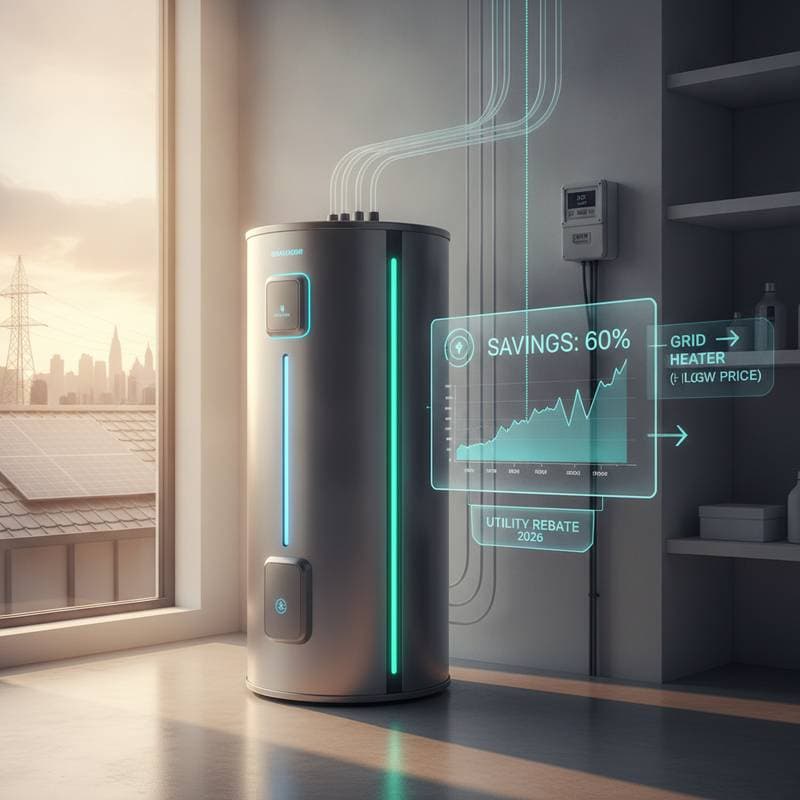
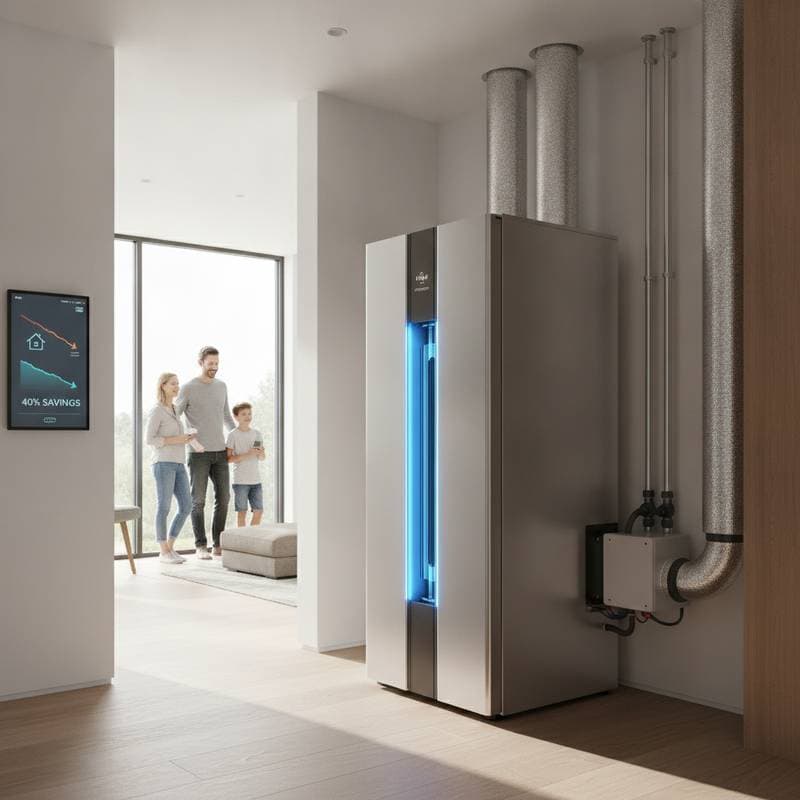
When these systems integrate with existing HVAC setups or passive cooling strategies, they alleviate pressure on compressors, enhance air purity, and recover water for applications such as garden irrigation or household cleaning. In diverse climates, this multifaceted technology can diminish overall HVAC expenditures by nearly 50 percent and minimize environmental impact. For instance, in humid subtropical regions, daily water yields can support non-potable needs while cutting cooling cycles by 20 to 30 percent.
Essential Steps for Effective Humidity Harvesting
1. Evaluate Moisture Dynamics in Your Home
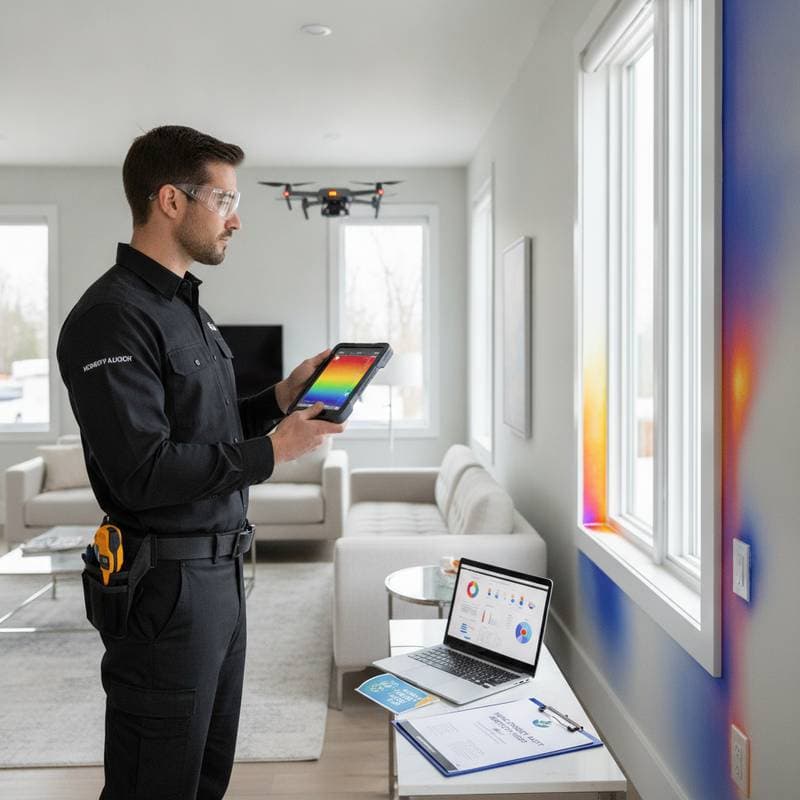
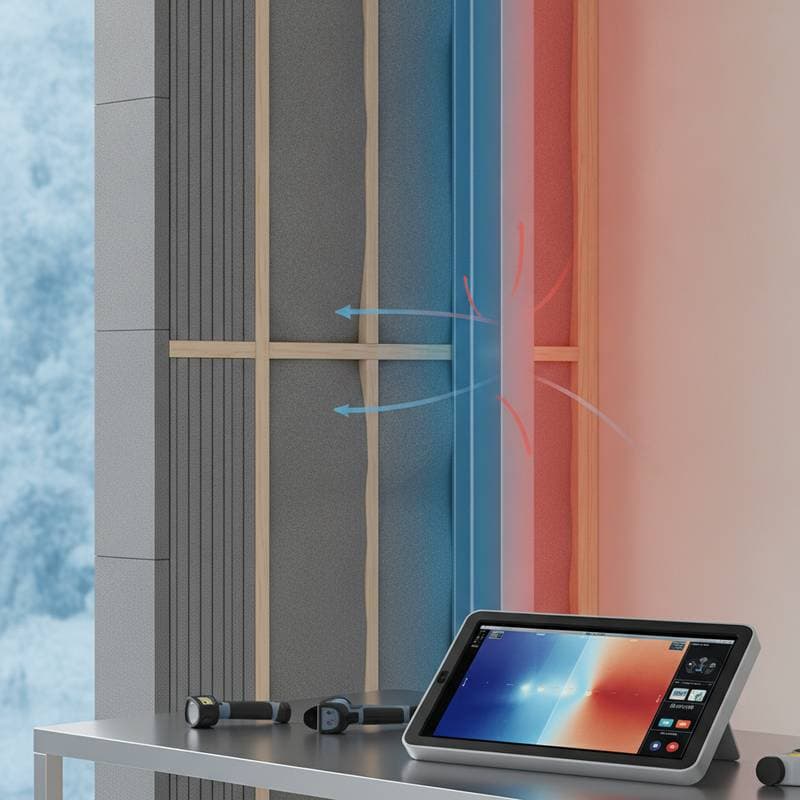
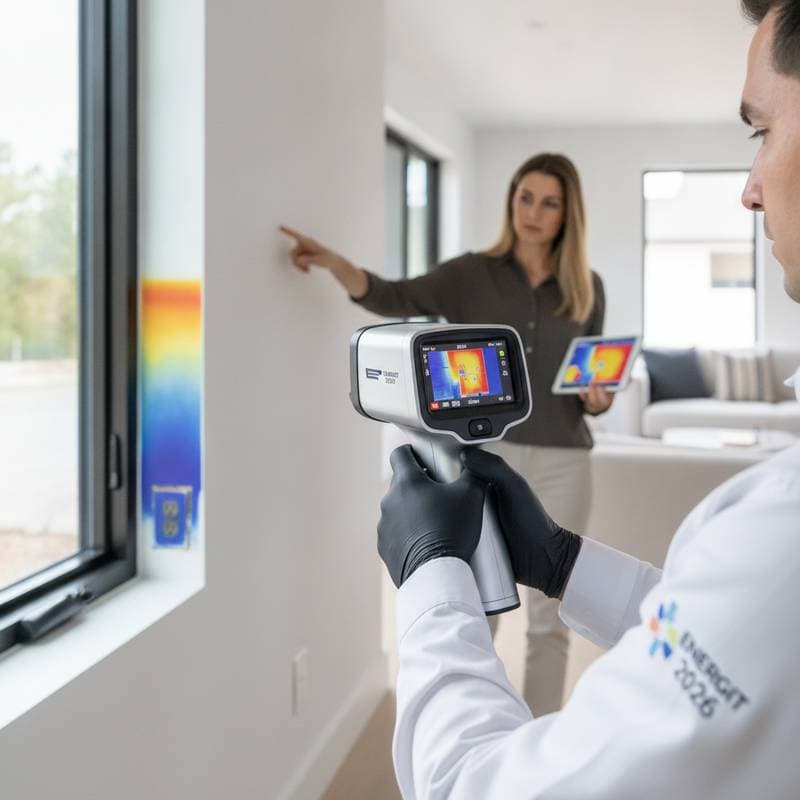
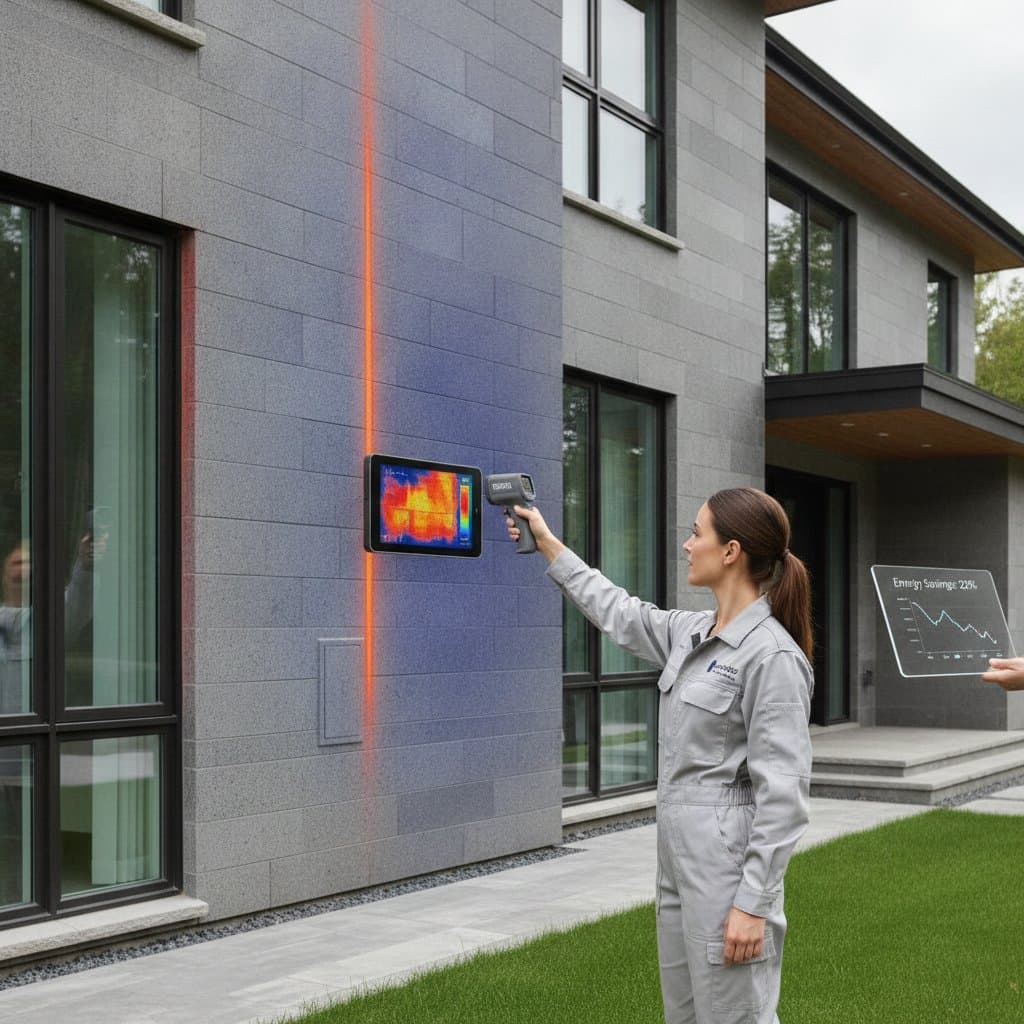
Initiate the process with a comprehensive professional audit of humidity levels. This assessment pinpoints sources of excess moisture, including basements, crawl spaces, or inadequately sealed windows and doors. Target an indoor relative humidity range of 40 to 55 percent to optimize comfort and mechanical efficiency. Tools like digital hygrometers and infrared cameras reveal hidden issues, such as vapor intrusion from exterior walls.
2. Deploy a Hybrid Moisture Management System
Integrate a dedicated dehumidifier or atmospheric water generator with your primary HVAC unit. These appliances extract moisture directly from ambient air, thereby lightening the workload on cooling components. Depending on local humidity and temperature, select units capable of producing 5 to 10 gallons of water each day. For example, in a 2,000-square-foot home, a mid-sized generator can reclaim enough moisture to reduce air conditioner runtime by several hours daily.
3. Incorporate Passive Cooling Strategies
Leverage natural ventilation through strategically placed vents, along with shade-providing awnings and high-albedo roofing materials to maintain cooler indoor conditions. These elements prevent humidity accumulation proactively, minimizing reliance on active systems. In practice, adding ceiling fans and cross-breezes can lower effective temperatures by 4 to 6 degrees Fahrenheit without additional energy use.
4. Sustain Optimal System Performance
Perform monthly filter cleanings, conduct seasonal inspections of evaporator coils, and schedule annual sensor calibrations. These routines prevent efficiency losses and extend equipment longevity. Homeowners who adhere to this schedule often report sustained savings of 15 to 25 percent beyond initial projections, as clean systems operate closer to manufacturer specifications.
Key Factors for Homeowners to Consider
Anticipate an upfront investment of $3,000 to $7,000 for a comprehensive whole-home humidity control and water generation setup. Over three to five years, this cost typically recovers through reductions in cooling expenses by 40 to 50 percent and decreased maintenance needs for HVAC components. The bonus of on-site water production proves invaluable in arid or water-restricted areas, potentially offsetting irrigation costs entirely.
During installation, verify adherence to local building codes and secure necessary permits to avoid complications. Certain municipalities provide incentives, such as tax credits or rebates, for installations that promote energy conservation and water efficiency. Collaborate with certified professionals versed in both mechanical engineering and passive design principles to ensure seamless integration and maximum benefits.
Implementing Humidity Harvesting in Your Home
Envision a residence where air flows freely without condensation on surfaces and utility statements reflect meaningful reductions. This outcome materializes through diligent humidity harvesting. Commence with a professional audit to baseline your current conditions, followed by consultations on suitable atmospheric water generation technologies from qualified installers.
Your property can contribute to broader trends in resource-efficient living, where moisture serves as a strategic advantage. Professional guidance ensures tailored solutions that align with your specific climate and lifestyle, fostering long-term comfort and savings.
Frequently Asked Questions
Q: How much water can a residential atmospheric generator produce daily?
A: Production varies with ambient humidity and temperature; most units for homes yield 3 to 10 gallons per day, sufficient for tasks like irrigating landscapes or general cleaning.