Grid-Interactive Water Heaters That Generate Annual Savings
Grid-interactive water heaters allow homeowners to earn between 50 and 300 dollars each year. These units participate in demand response programs that reward reduced energy use during peak periods. They also support grid stability and renewable energy integration.
Core Benefits of Participation
- Earn annual payments through utility demand response programs.
- Store thermal energy to reduce strain on the electric grid during high demand.
- Extend equipment life while lowering monthly energy expenses.
- Use smart controls to maintain comfort and minimize environmental impact.
- Pair the system with solar panels to increase renewable energy self-consumption.
How These Water Heaters Operate
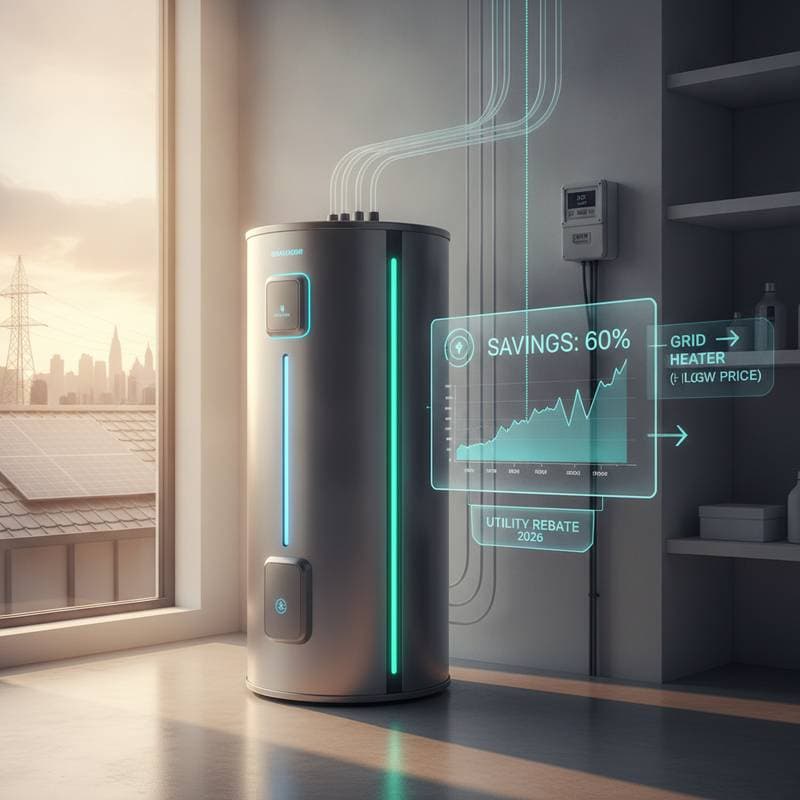
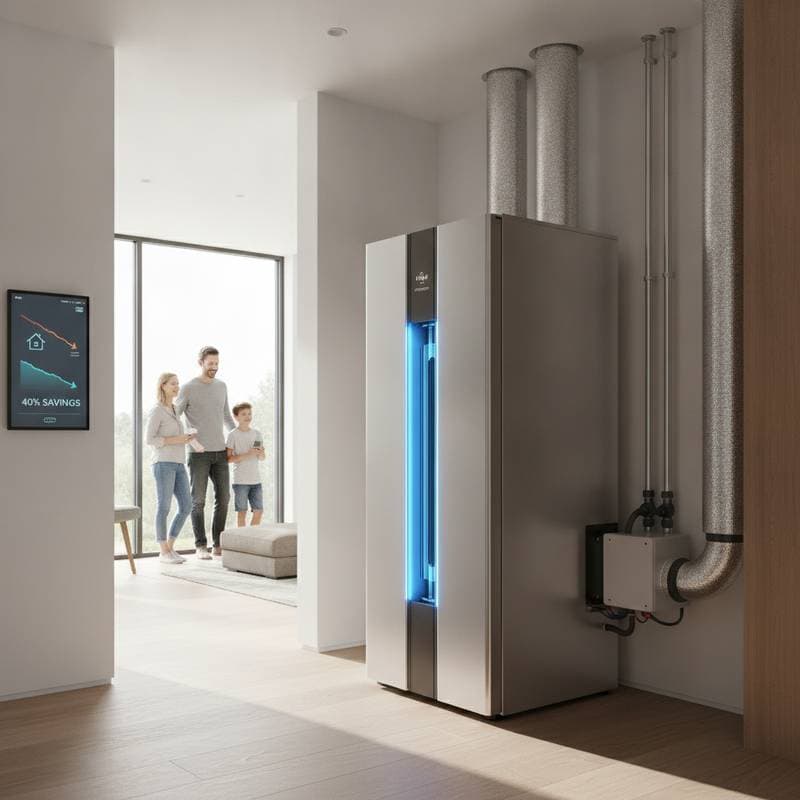
A grid-interactive water heater resembles a standard electric model. Its added control system connects to the utility via Wi-Fi. During periods of high demand the utility signals the unit to pause heating temporarily. Water retains heat well, so household routines remain unaffected.
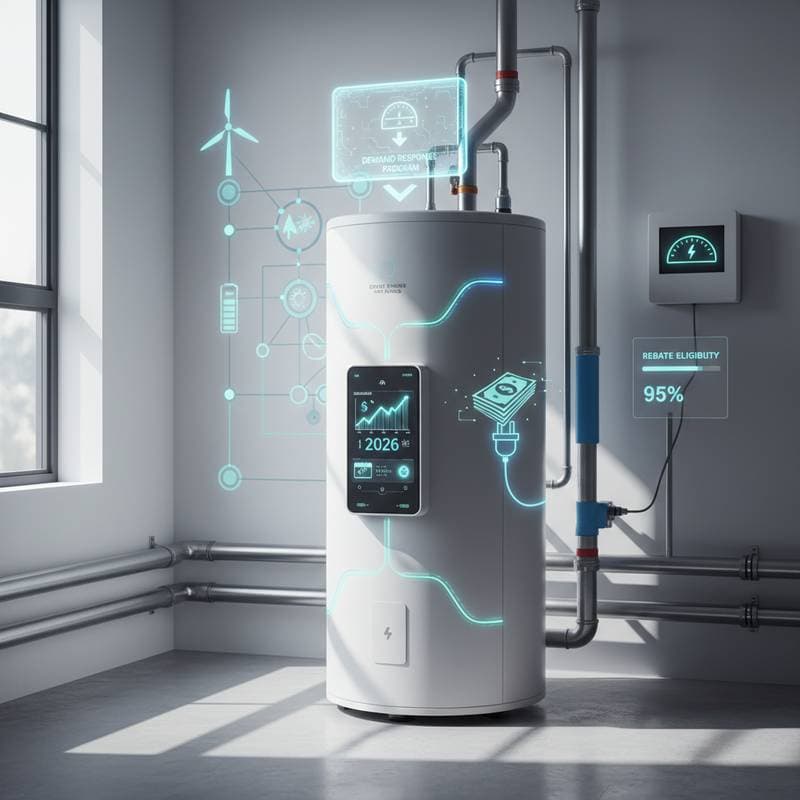
When renewable generation rises or prices fall, the heater warms water in advance. This process creates a distributed energy buffer across many homes. The approach delivers grid flexibility comparable to additional power plants when scaled.
Demand Response Programs Explained
Utilities rely on demand response to balance supply without new infrastructure. Participants receive bill credits or direct payments. Some programs provide fixed monthly stipends. Others compensate per event, with earnings typically ranging from 5 to 25 dollars each time.
Annual totals often reach 100 to 300 dollars depending on location and event frequency. Homeowners retain override capability through a mobile app. Temperature preferences and usage patterns guide automated decisions.
Financial Returns and Payback
The added cost of a grid-interactive model is modest. Utility rebates frequently cover the difference. Payback periods range from two to five years based on program structure.
| Program Type | Average Annual Earnings | Typical Payback | Key Advantage |
|---|---|---|---|
| Monthly stipend | 120 dollars | 3 to 4 years | Predictable income |
| Event-based payments | 150 to 300 dollars | 2 to 3 years | Higher rewards in extreme weather |
| Time-of-use optimization | 80 to 200 dollars | 3 to 5 years | Daily bill reductions |
Heat pump models amplify results by using 60 percent less electricity. Stacking rebates and tax credits can shorten payback to under two years.
Environmental and Grid Advantages
These systems absorb excess renewable output instead of allowing it to go unused. They reduce the need for fossil-fuel peaker plants during spikes in demand. Widespread adoption lowers overall carbon emissions and improves local air quality.
Thermal storage also decreases outage risk by spreading load more evenly. Communities gain reliability while individual households enjoy consistent hot water service.
Integration With Home Solar and Batteries
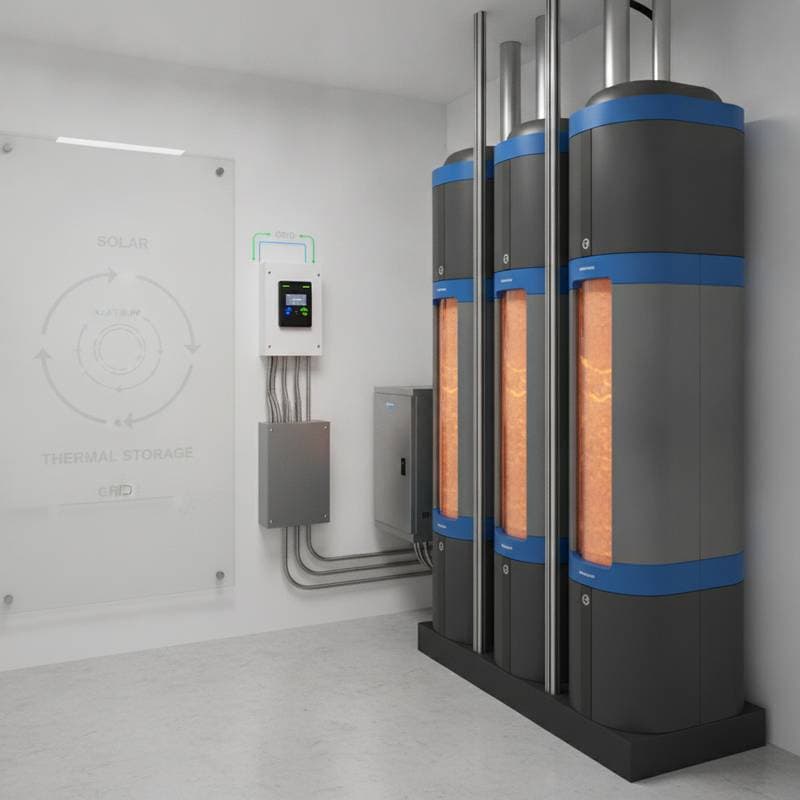
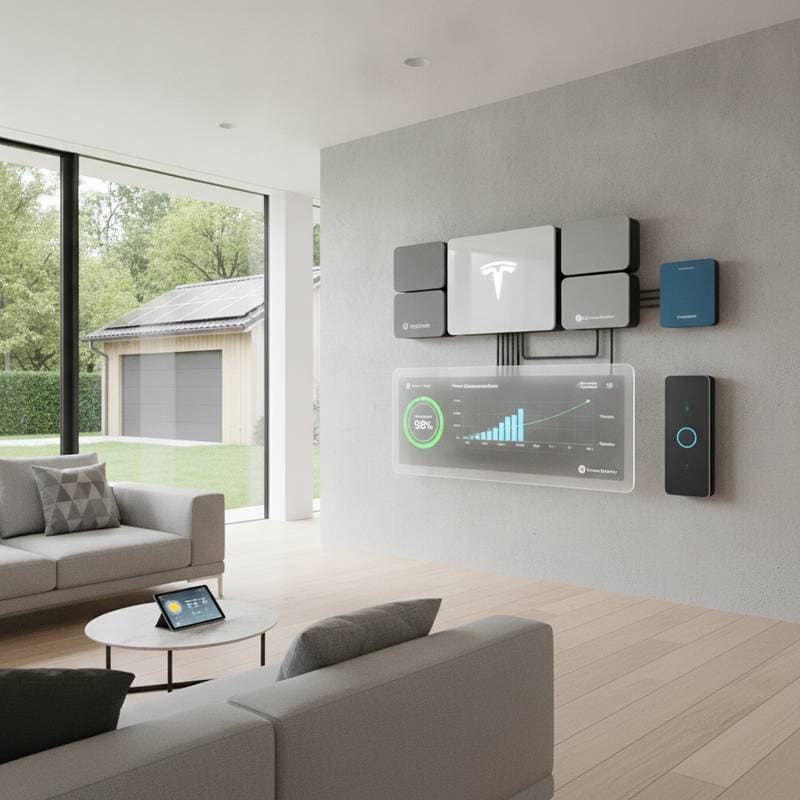
Owners of solar arrays can direct surplus daytime production into water heating. The tank functions as a thermal battery for evening use. Pairing the heater with a home battery adds further flexibility across short and long duration needs.
Addressing Common Questions
Predictive controls analyze household patterns to ensure hot water availability. Privacy protections limit data sharing to operational metrics only. Existing electric heaters can receive a retrofit module in under an hour. New installations with built-in communication features simplify setup further.
How to Enroll and Begin Earning
Contact your utility to learn about active demand response programs for water heaters. Many providers supply the control device at no cost. Qualified technicians complete installation quickly, after which earnings and savings begin to accumulate.