Geothermal Systems Offer Stable Performance Year Round
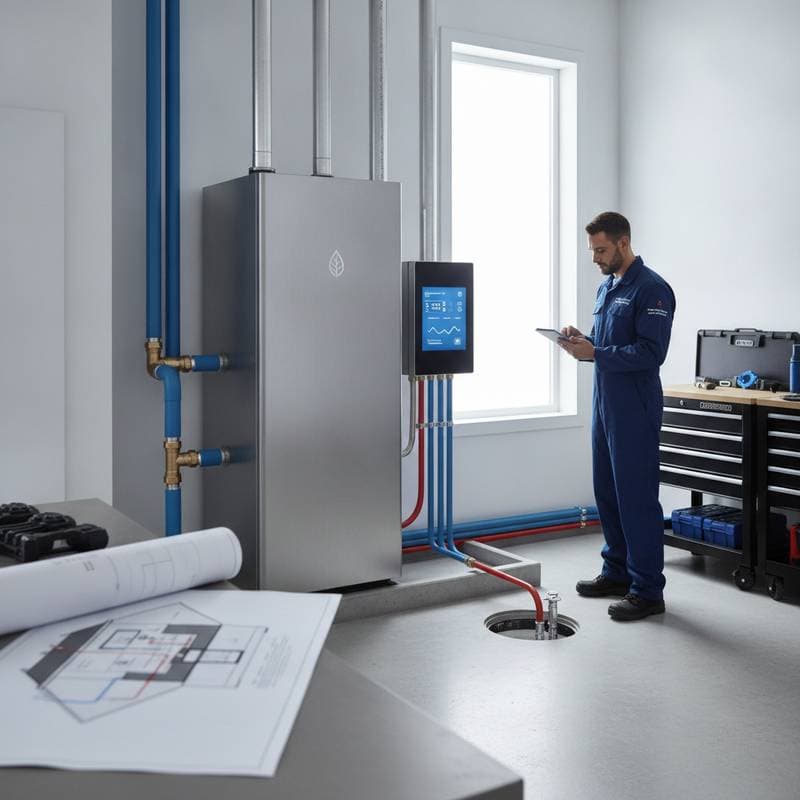
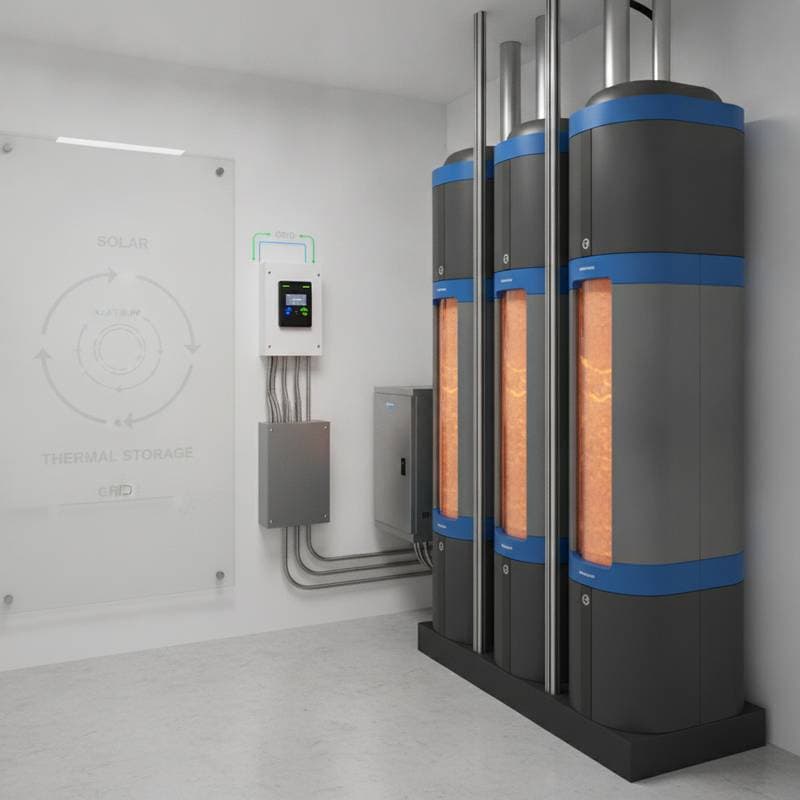
Unlike air source heat pumps, geothermal units draw from consistent underground temperatures. This design reduces mechanical wear, lowers repair frequency, and supports equipment life beyond 25 years indoors with ground loops rated for 50 years.
How Federal Tax Credits Lower Project Costs
The available tax credits reduce your federal tax bill directly rather than adjusting taxable income. Homeowners often realize several thousand dollars in savings on a single project. When paired with state rebates or utility programs, total installation expenses can fall 40 to 60 percent.
Additional incentives include property tax exemptions in select states and low interest financing through certain utilities. Review both federal and regional databases early in the planning process to identify every applicable option.
Qualification Requirements
Systems must satisfy three conditions to claim the credit:
- Ground source technology certified by ENERGY STAR or an equivalent program
- Installation at a primary or secondary residence
- Full operation before the credit is claimed
Retain manufacturer certifications, invoices, and installation records for your tax preparer.
Practical Steps to Maximize System Efficiency
Homeowners achieve the strongest results by following these proven measures:
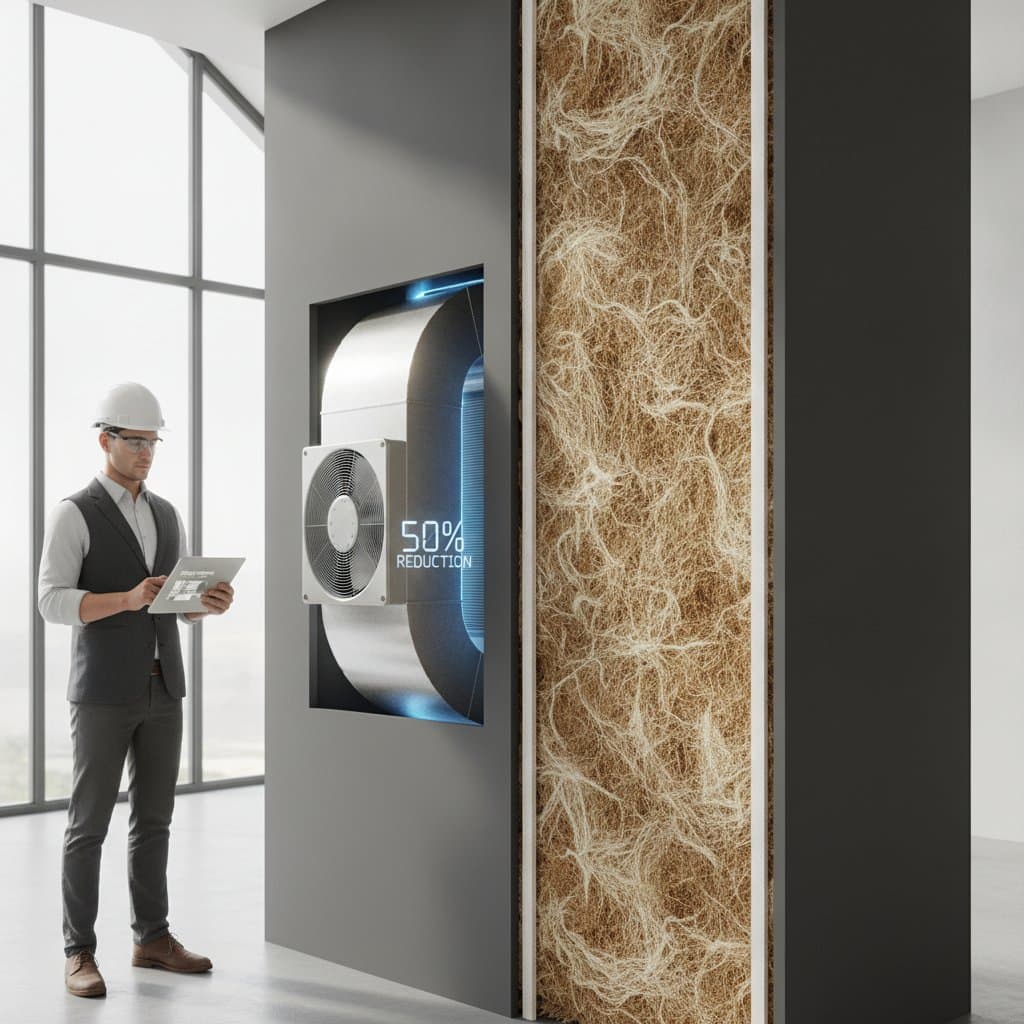
- Complete a whole home energy audit to locate insulation gaps, duct leaks, and other issues that affect performance.
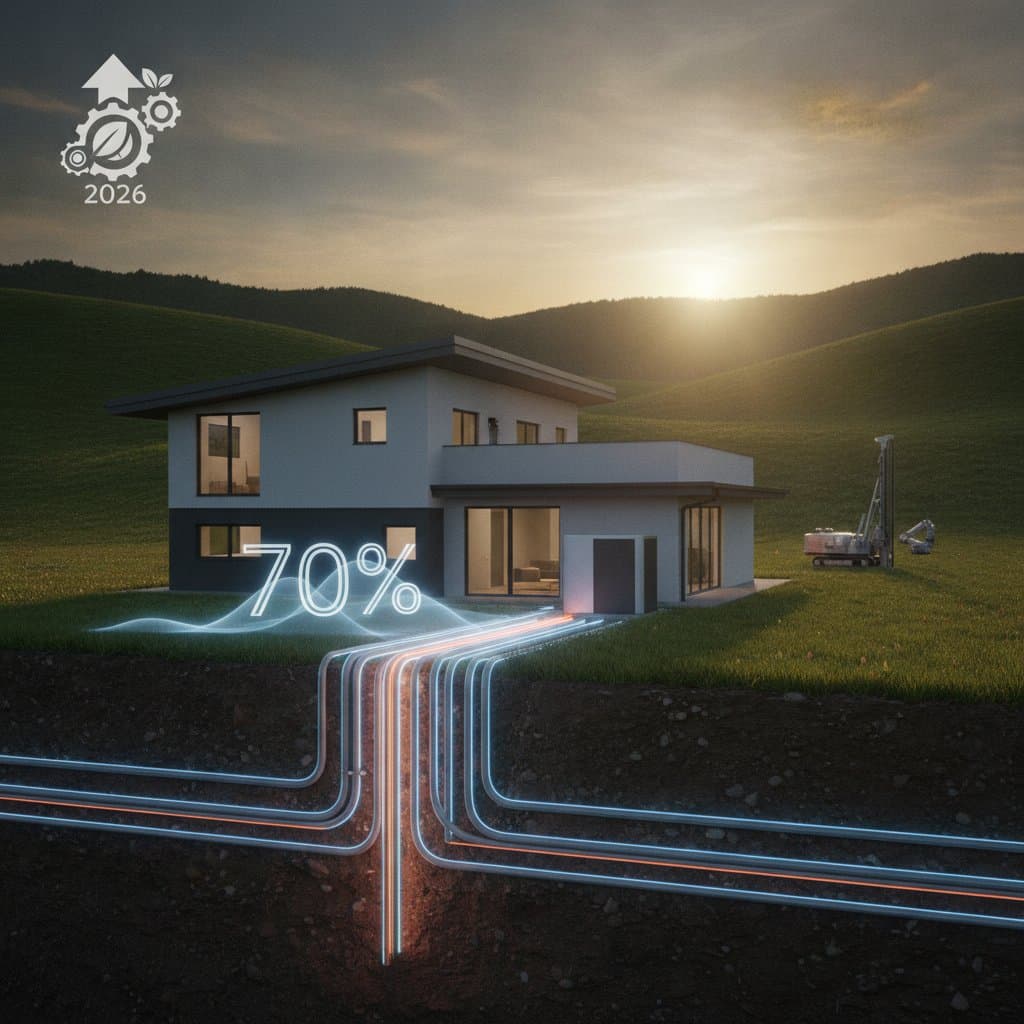
- Select the loop type suited to site conditions, such as vertical loops for limited space or horizontal loops for open lots.
- Match system capacity to calculated loads so equipment neither cycles excessively nor falls short on peak days.
- Add programmable controls and variable speed pumps to fine tune output and reduce energy use.
- Arrange annual service visits to verify fluid levels, pump function, and heat exchanger performance.
Cost Recovery and Long Term Savings
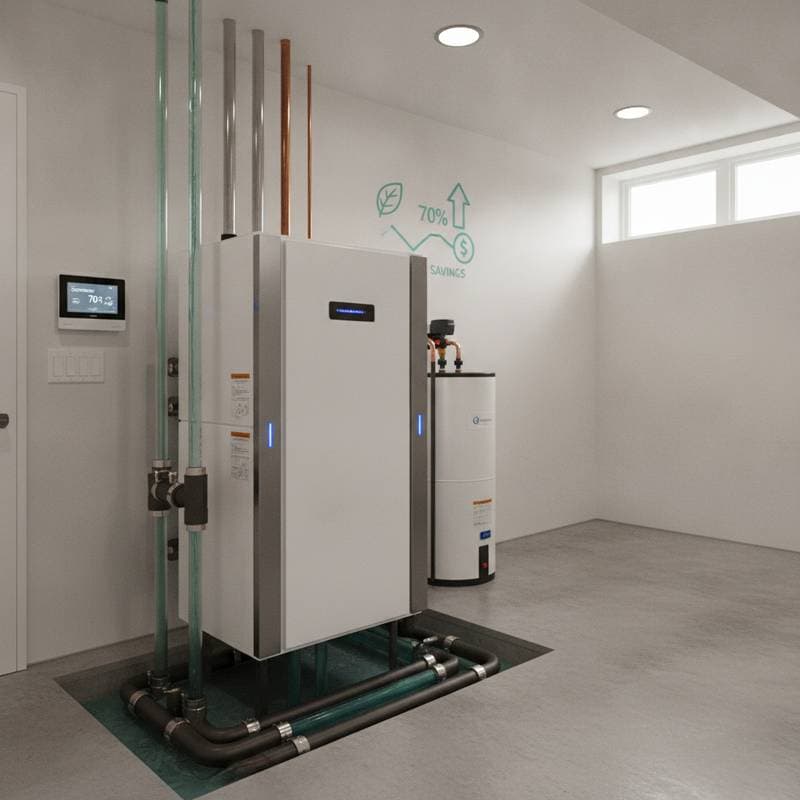
Upfront costs exceed those of conventional systems, yet payback typically arrives within five to ten years. After that point, annual energy reductions of 1500 to 3000 dollars become pure savings. Geothermal equipment also qualifies for accelerated property value assessments during resale.
Environmental Advantages
These systems draw renewable ground energy instead of burning fossil fuels. The Environmental Protection Agency ranks geothermal technology among the most efficient heating and cooling options, with each installation cutting several tons of carbon dioxide emissions annually.
Installation Process and Timeline
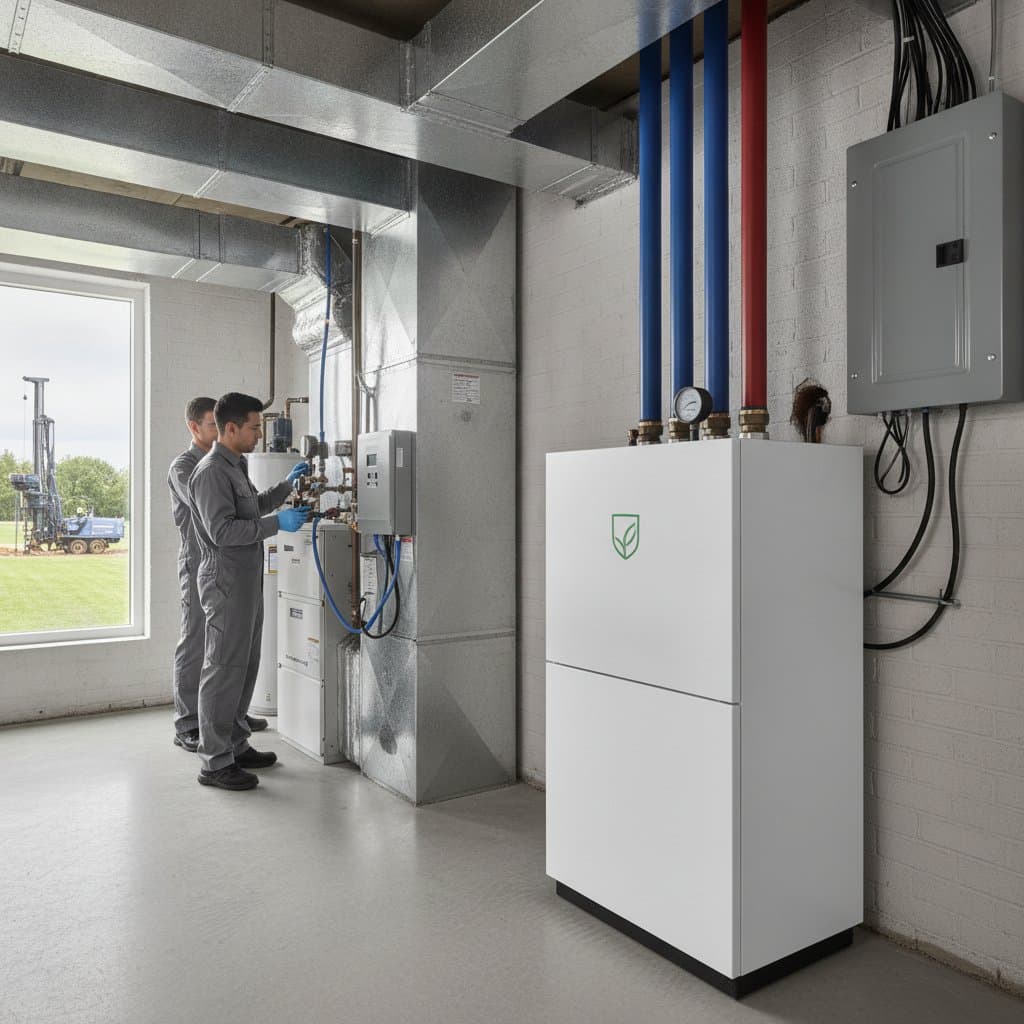
Most residential projects finish in two to four weeks once permits are secured. Vertical boreholes require drilling rigs, while horizontal loops need open trenching areas. Certified contractors coordinate surveys, utility locates, and inspections to maintain compliance.
Selecting Qualified Installers
Work only with technicians accredited by the International Ground Source Heat Pump Association. Proper loop placement prevents soil movement or groundwater issues and ensures warranty coverage remains intact.
Combining Incentives for Greater Impact
Pair the federal credit with utility rebates that range from 500 to 2500 dollars per ton of capacity. Time of use rate discounts may also apply. Documented high efficiency systems often appraise higher and attract buyers more quickly.
Project Planning Sequence
Follow this sequence to move from interest to completed installation:
- Confirm every federal, state, and local incentive that applies to your address.
- Schedule a site visit with a certified contractor to assess soil, lot size, and building loads.
- Obtain at least two detailed proposals that list equipment, warranties, and projected performance.
- Arrange financing through green energy loans or on bill repayment programs.
- Keep every receipt and certification for tax filing.
- Track energy use during the first year to confirm savings and refine settings.
Lasting Comfort and Reliability
A properly installed geothermal system delivers quiet operation, steady temperatures, and minimal maintenance for decades. Many owners report noticeable improvements in indoor air quality and overall satisfaction with daily comfort.