Key Points
- Federal tax credits now offset substantial portions of costs for heat pumps, induction ranges, and electric vehicle chargers.
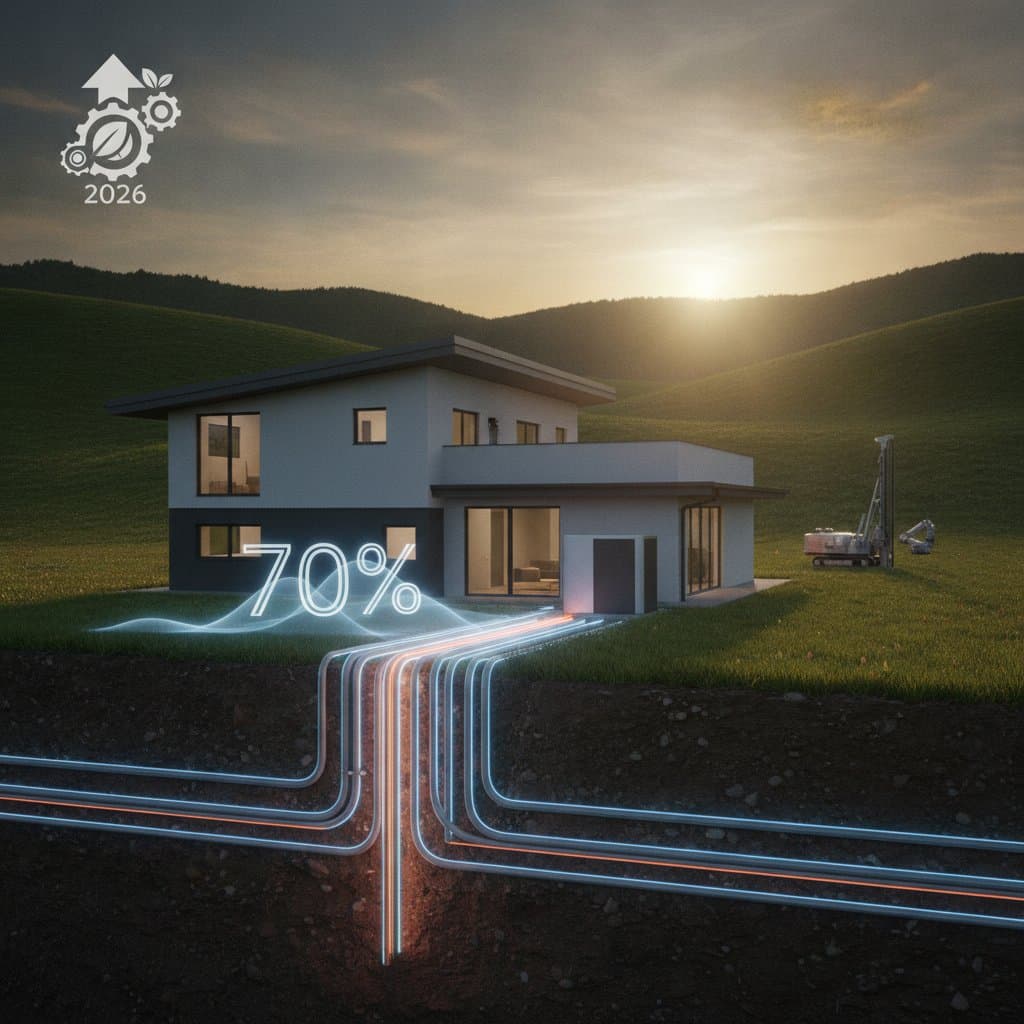
- Layering incentives from federal, state, and utility sources frequently covers 40 to 70 percent of total project expenses.
- Systematic planning that begins with an energy assessment and proceeds through prioritized upgrades maximizes both savings and performance.
Rethinking Energy at Home
Utility bills arrive with less tension once a heat pump operates quietly in the background and an induction cooktop delivers precise temperatures. Electrification paired with current incentives has shifted the financial equation for many households. The largest remaining obstacle, upfront cost, shrinks when credits and rebates are applied in the right sequence.
Why Electrification Matters
Combustion appliances lose energy through exhaust and require ongoing maintenance. Heat pumps and induction equipment convert nearly all input energy into useful output. The result is lower monthly consumption, elimination of indoor combustion pollutants, and protection against volatile fuel prices. Homes equipped this way also integrate directly with on-site solar generation.
Planning an Effective Sequence
A measured approach prevents overspending and aligns work with available incentives.
- Commission a whole-house energy assessment to locate losses and rank opportunities.
- Address heating and cooling loads first, because those systems dominate annual energy use.
- Verify that the service panel can accommodate new circuits; older homes often require an upgrade.
- Stack every applicable credit, rebate, and low-interest financing option before work begins.
- Phase installations over multiple years when necessary; each qualifying measure can still claim its incentive.
Typical Costs and Payback Ranges
Installed prices vary with home size and existing infrastructure, yet the following ranges provide a realistic baseline.
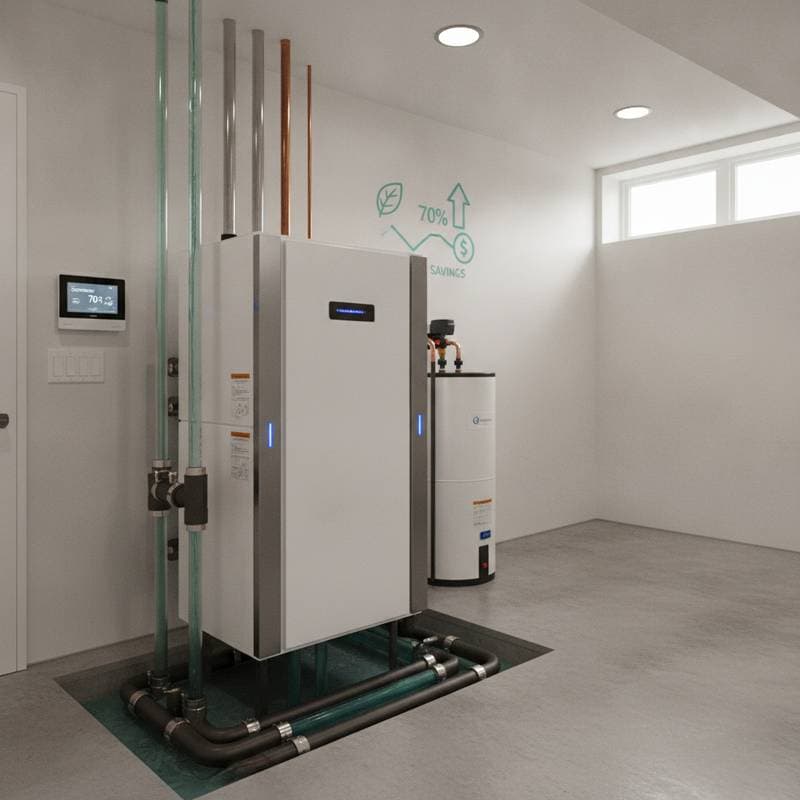
- Air-source heat pump systems: 8,000 to 20,000 dollars before incentives; the 30 percent federal credit reduces net outlay significantly.
- Heat pump water heaters: 2,000 to 4,000 dollars before credits.
- Induction cooktops: 1,000 to 3,000 dollars installed.
- Service panel upgrades: 2,000 to 5,000 dollars, partially offset by credits.
- Level 2 electric vehicle chargers: equipment and installation qualify for separate incentives.
When rebates supplement the federal credit, many households recover between 40 and 70 percent of total project cost. Ongoing savings appear in lower utility charges, reduced maintenance, and elevated resale value.
Design and Integration Choices
Heat pumps can be configured as fully ducted systems or as zoned ductless units. Induction surfaces remain cool to the touch and fit cleanly into open kitchens. Coordinating electrification with insulation and air-sealing work improves both comfort and equipment sizing. Dedicated circuits planned during a remodel avoid future wall repairs.
External Variables That Affect Outcomes
Cold-climate heat pump models now maintain capacity at low outdoor temperatures, yet proper sizing remains essential. Local electricity rates determine the speed of payback. Certified installers protect equipment warranties and ensure measured performance. Material and labor pricing fluctuate with supply conditions, so obtaining multiple bids provides useful benchmarks.
Efficiency Standards and Performance Gains
Incentives require equipment that meets ENERGY STAR or equivalent specifications.
- Air-source heat pumps deliver up to three times the heating output of resistance or combustion systems.
- Heat pump water heaters cut water-heating energy by half or more.
- Induction cooking transfers energy directly to cookware, eliminating standby losses.
- Smart load-management panels shift usage away from peak-rate periods.
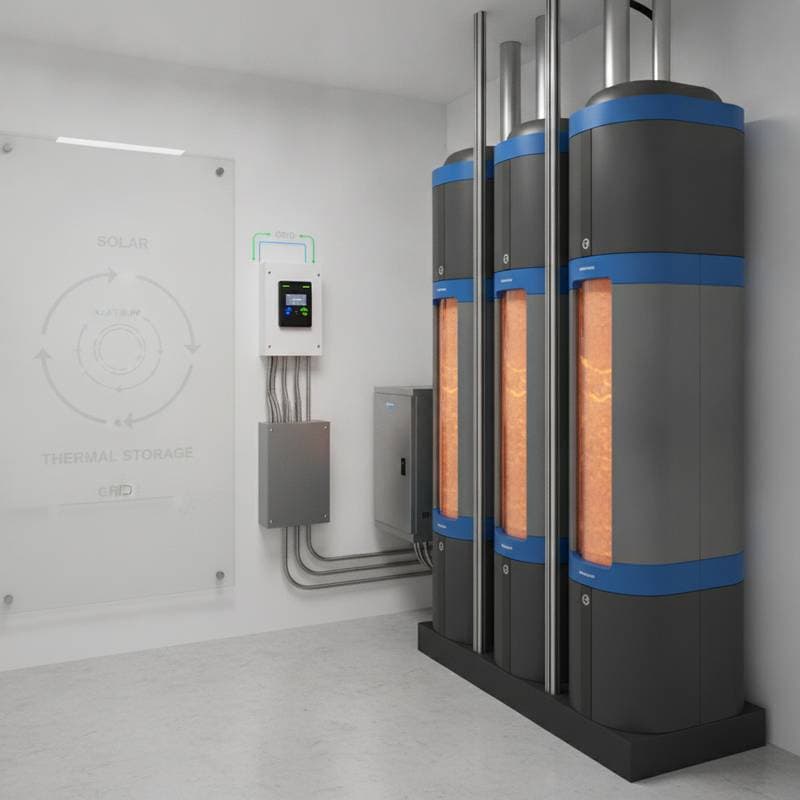
Indoor air quality improves once combustion appliances are removed. The same electrical infrastructure readily accepts battery storage or rooftop solar later.
Common Questions
How do I confirm eligibility? Owner-occupied primary residences qualify when the installed equipment carries required efficiency ratings and documentation.
Can tenants participate? Tenants cannot claim the federal credit directly, yet some utility programs allow property owners to receive rebates for tenant-occupied units.
Must all upgrades occur simultaneously? Individual measures may be claimed separately as each one is completed, provided documentation meets program rules.
Will the entire house require new wiring? Existing branch circuits often suffice; high-draw appliances such as ranges or chargers may need dedicated circuits or a panel upgrade.
Getting Started with Your Upgrades
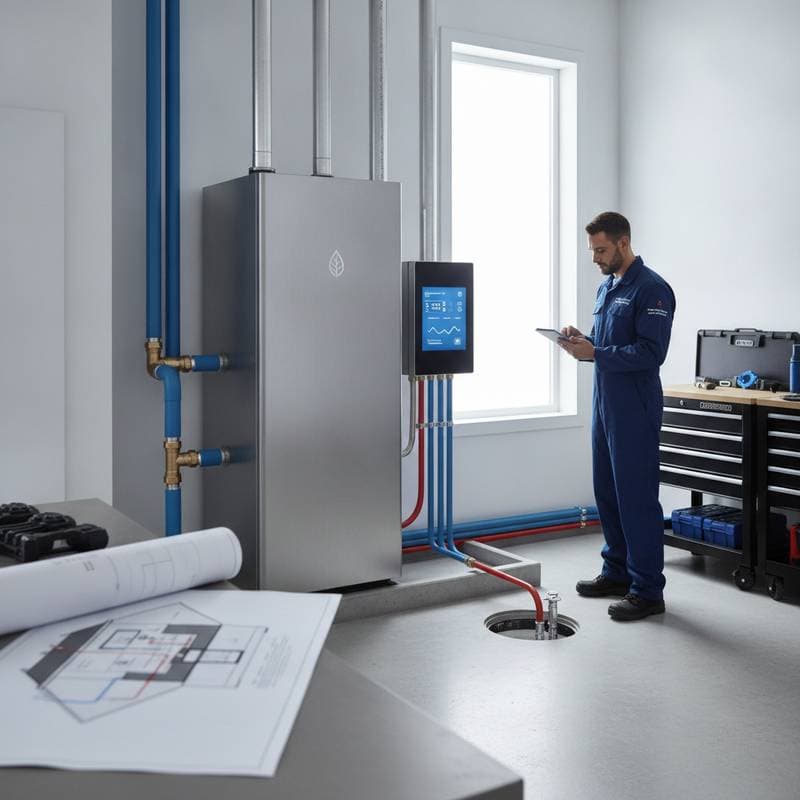
Begin with the energy assessment and a review of current incentive listings. Collect bids from contractors experienced with cold-climate heat pumps and electrification. Track each measure against its incentive requirements so that documentation is complete at tax time. The combination of reduced operating costs, improved comfort, and available financial support makes these upgrades practical for a growing number of households.