Key Points
- Thermal batteries reduce heating expenses by up to 50 percent by capturing excess heat and releasing it precisely when needed.
- These devices store thermal energy rather than electrical power, which suits homes facing variable energy rates or unreliable grids.
- Payback periods range from five to eight years, influenced by local energy prices and home insulation levels.
- Optimal performance requires accurate system sizing, enhanced insulation, and integrated smart controls to maximize savings and maintain consistent comfort.
Why Thermal Batteries Matter
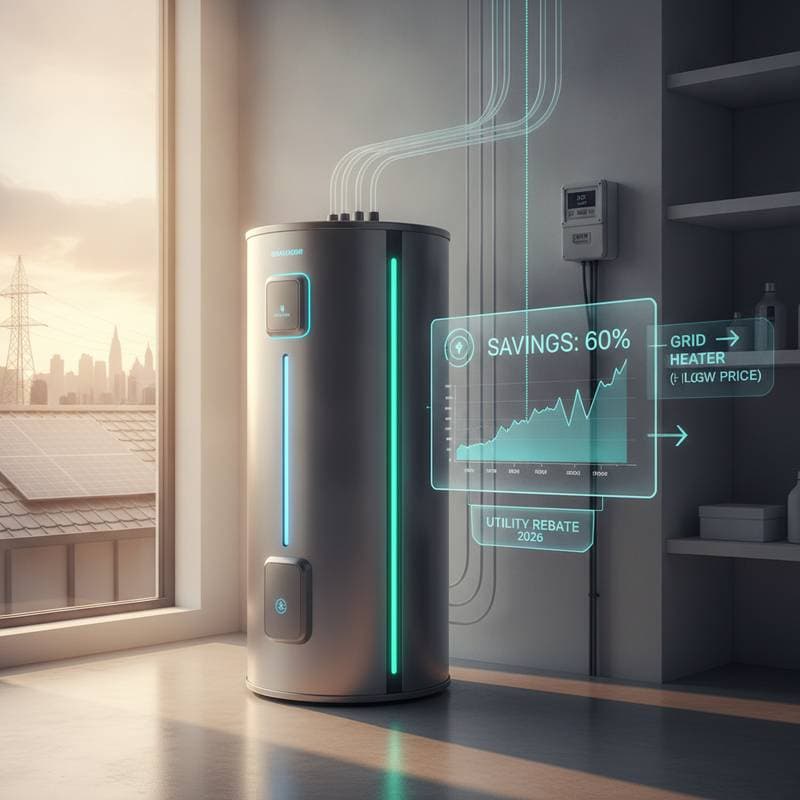
Heating constitutes a major portion of energy consumption in residential and commercial structures, often comprising 40 to 60 percent of total usage in colder climates. With rising energy prices and stricter environmental regulations, property owners seek stable solutions to manage expenses. Thermal batteries tackle this issue by enabling energy storage during periods of low cost or high availability, such as midday solar peaks or off-peak utility rates.
The financial advantages prove substantial. Initial studies indicate that households equipped with thermal batteries achieve heating cost reductions of up to 50 percent over traditional gas or electric systems. This technology also eases grid strain by distributing demand more evenly, facilitating greater adoption of renewables. Environmentally, it promotes cleaner energy use, as the stored heat derives from sources like solar collectors, efficient heat pumps, or recovered industrial heat.
Market dynamics further underscore the relevance of thermal batteries. The worldwide emphasis on energy conservation fuels demand for intelligent building technologies. At the same time, preferences for energy independence and predictable bills intensify. Property owners desire not only reliable warmth but also greater oversight of their energy systems, which thermal batteries provide effectively.
How Thermal Batteries Function
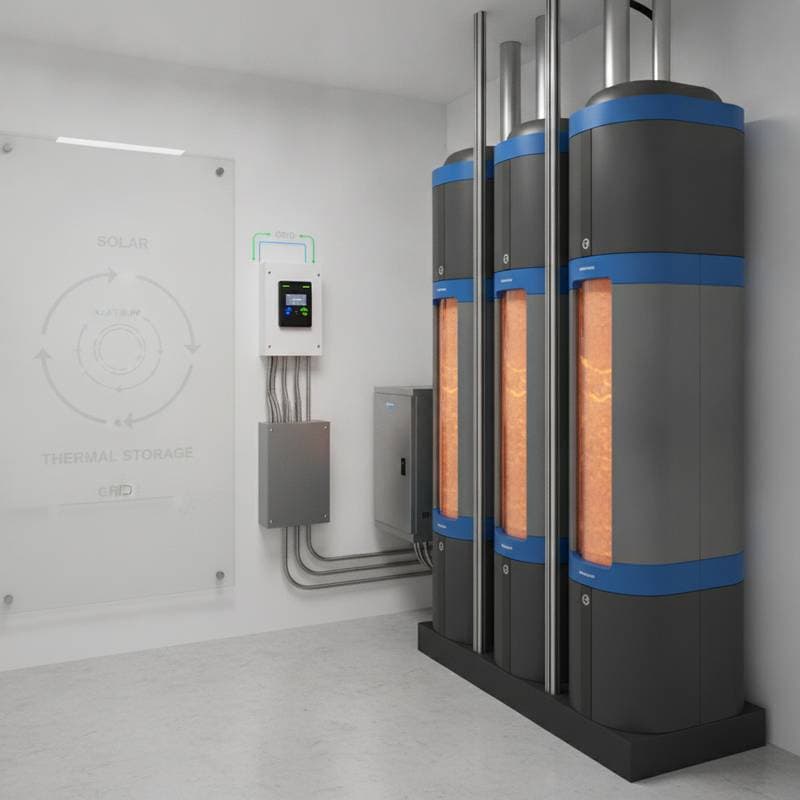
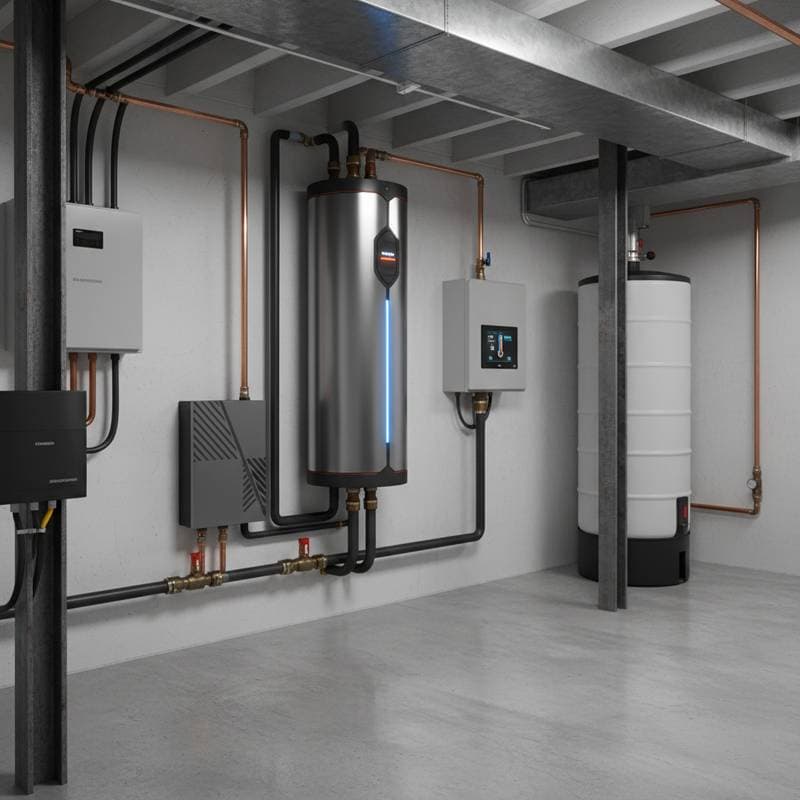
Thermal batteries operate by absorbing heat from various sources and retaining it in materials with high thermal mass, such as phase-change substances or insulated water tanks. When heating demand arises, the system releases this stored heat gradually through radiators, underfloor systems, or forced-air distribution. Unlike electrical batteries, these units avoid energy conversion losses, achieving efficiencies above 90 percent in many applications.
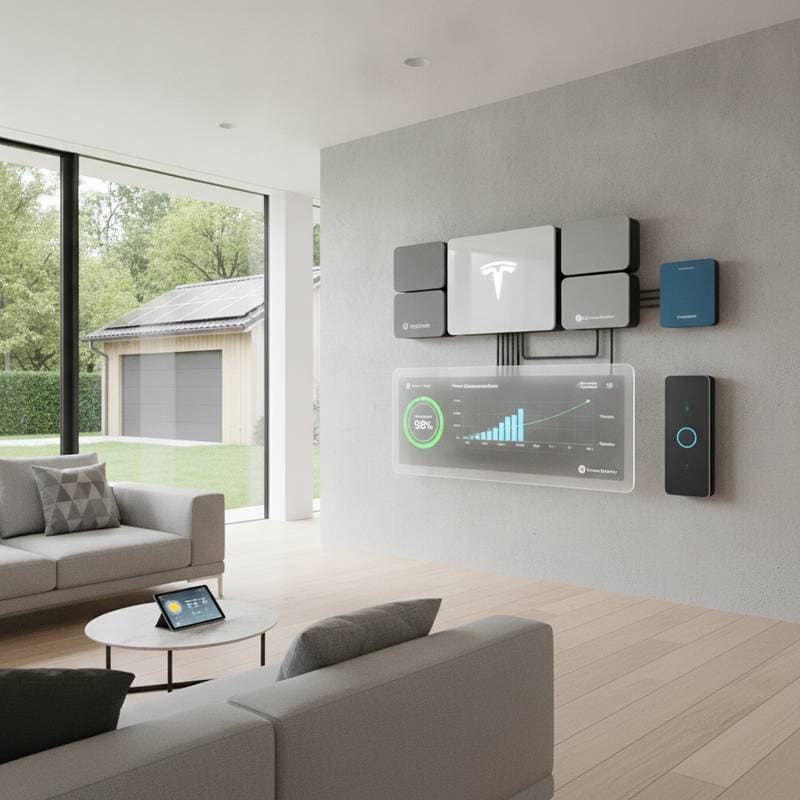
This design proves particularly advantageous in regions with intermittent renewable energy. For instance, excess solar heat generated during the day charges the battery, which then supplies warmth overnight without drawing from the grid. Integration with existing infrastructure minimizes disruption, allowing compatibility with boilers, heat pumps, or district heating networks.
Cost and Return on Investment
The expense of installing a thermal battery depends on factors like capacity, chosen materials, and required modifications to existing setups. For an average single-family home, total costs fall between 8,000 and 15,000 in equivalent local currency, comparable to mid-range heating system replacements. Although the initial outlay appears significant, operational savings accelerate recovery.
Consider a basic calculation for a home in a temperate climate:
- Initial investment: 8,000 to 15,000 units.
- Yearly savings on heating: 30 to 50 percent of previous bills, based on fuel costs and usage patterns.
- Break-even timeline: Five to eight years under standard conditions.
- Expected durability: More than 20 years, with routine checks rather than frequent repairs.
Pairing thermal batteries with heat pump installations boosts overall efficiency by 20 to 30 percent. This combination minimizes heat pump runtime, cuts electricity use, and extends equipment life. Long-term, such setups yield lower monthly bills and fewer service calls, enhancing financial predictability.
Environmental and Health Benefits
Thermal batteries advance sustainability by optimizing renewable energy utilization. They capture surplus power from wind or solar during peak production and deploy it later, reducing the need for peaker plants that burn fossil fuels. For households, this means a reduced carbon footprint while preserving desired indoor temperatures.
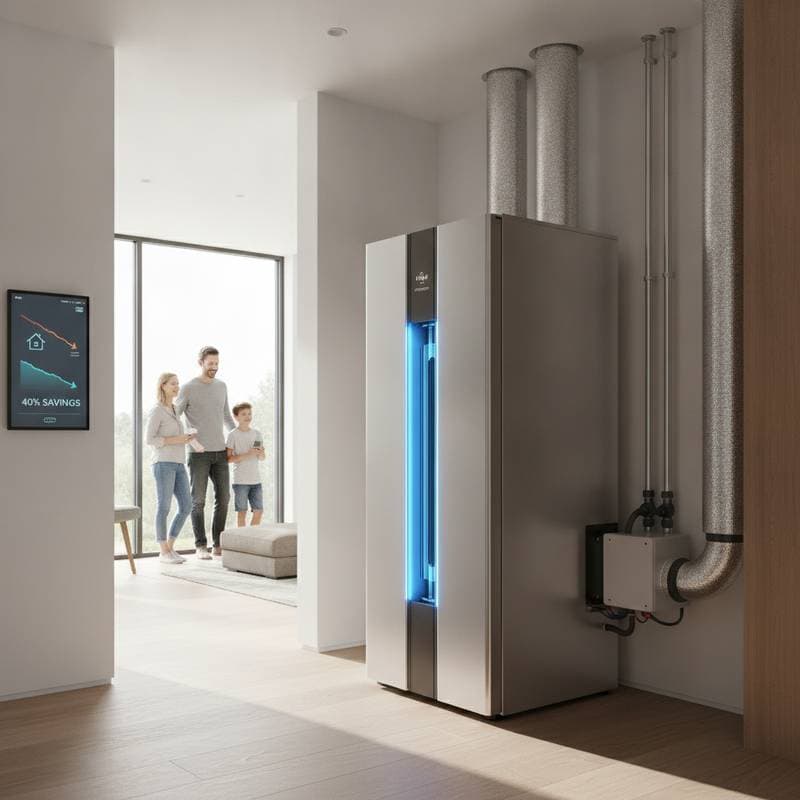
On the health front, these systems foster superior indoor environments. Consistent heat distribution eliminates temperature swings common in cyclic heating methods, which helps regulate humidity and limit allergen circulation. Many advanced models connect to heat recovery ventilators, which exchange stale air for fresh without energy loss, thereby elevating air quality and occupant well-being.
Practical Steps to Get Started
Individuals ready to explore thermal batteries should follow a structured approach:
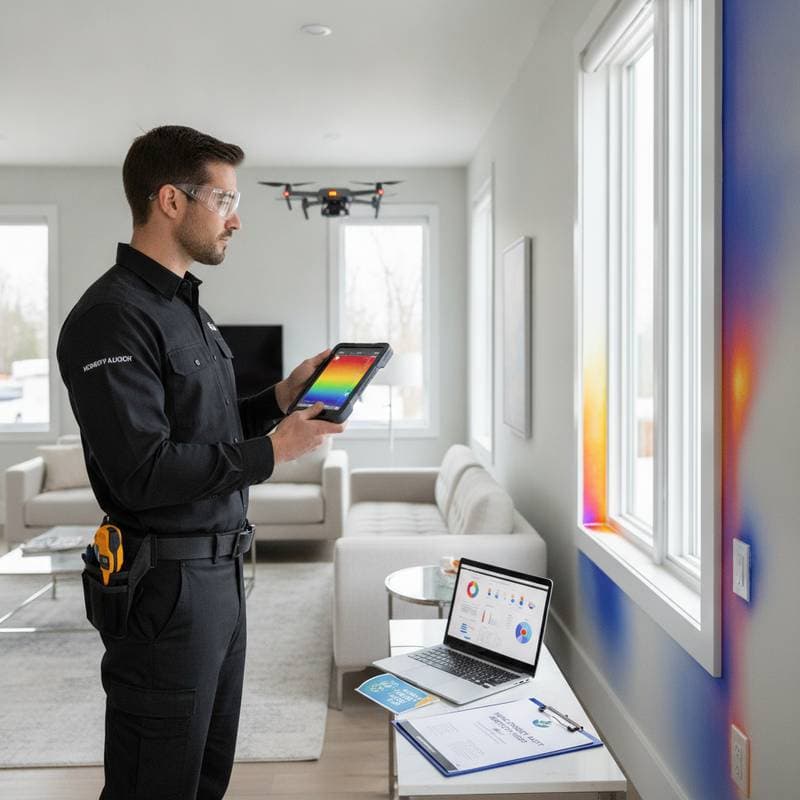
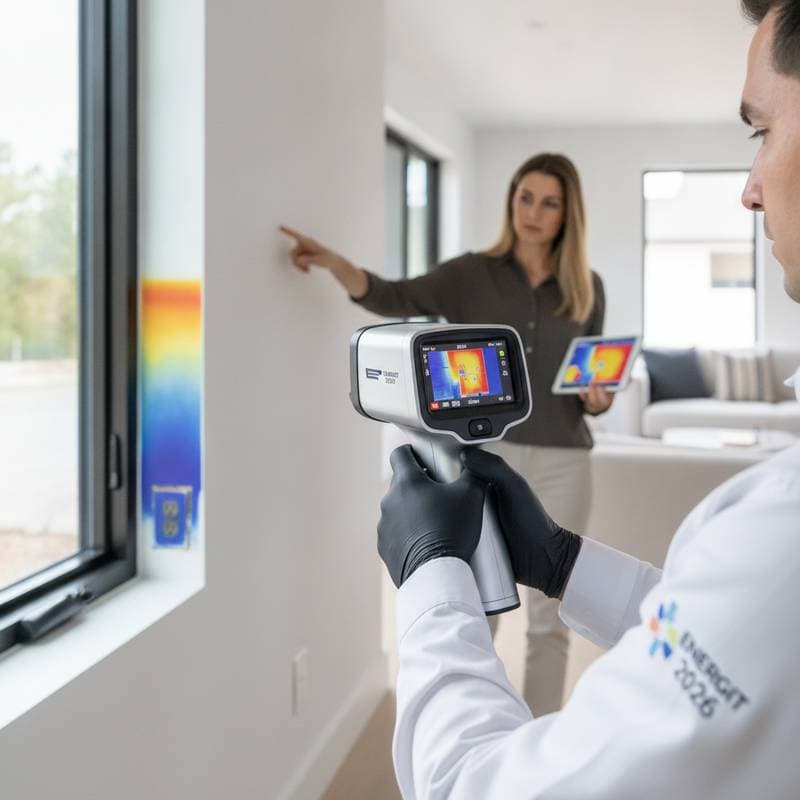
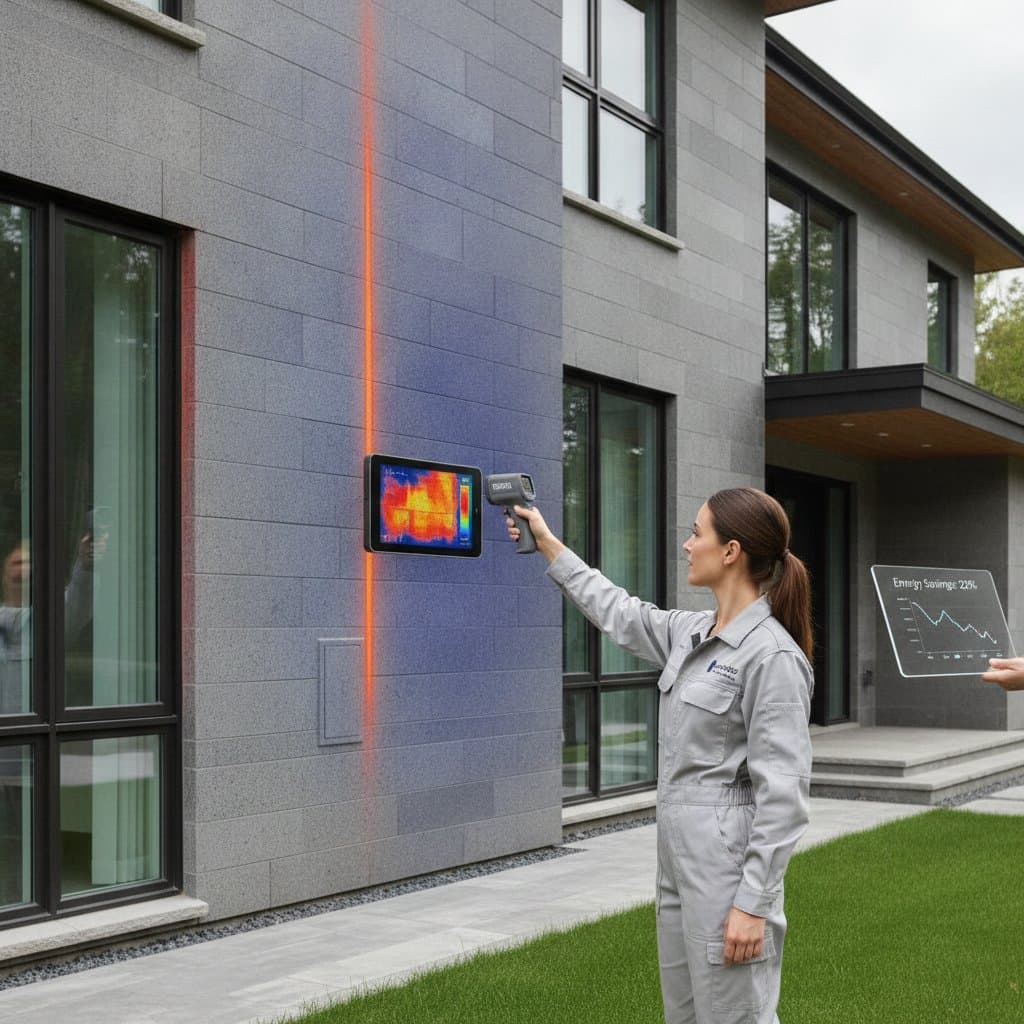
- Conduct an Energy Audit: Engage a professional to evaluate current heating demands, insulation quality, and potential inefficiencies.
- Select Qualified Experts: Work with installers certified in thermal storage systems to ensure proper design and integration.
- Evaluate Funding Sources: Investigate government incentives, low-interest loans, or utility rebates available for efficiency enhancements.
- Integrate Renewables: Link the battery to solar thermal arrays or air-source heat pumps to amplify energy capture and savings.
- Implement Monitoring Tools: Install digital interfaces to observe usage patterns, adjust settings, and verify performance gains.
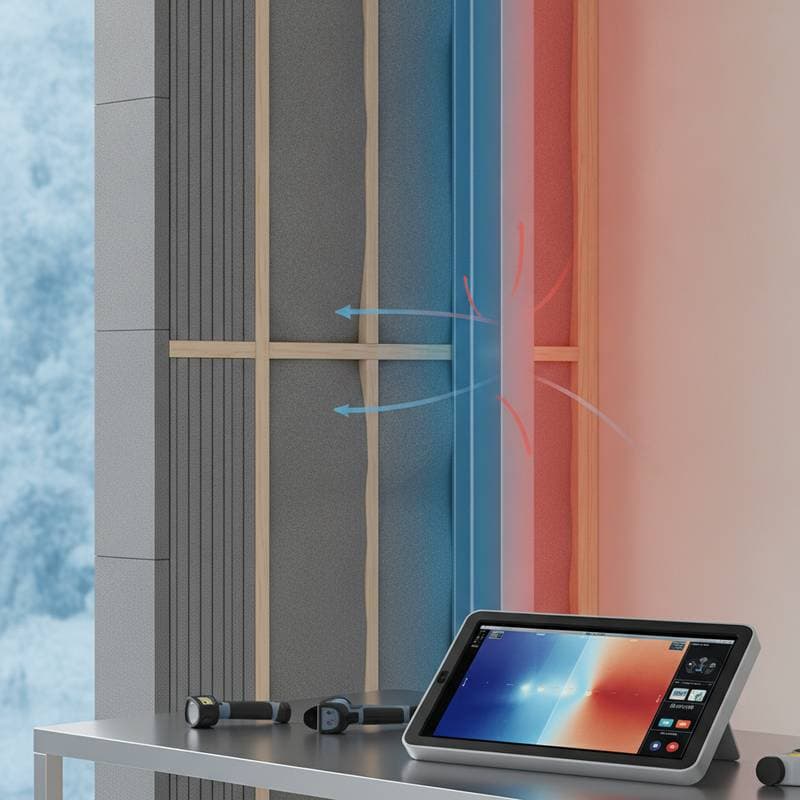
Complementing these steps with measures like attic insulation, door weatherstripping, and energy-efficient glazing amplifies results. Such preparations convert ordinary residences into models of energy prudence.
Integrating Thermal Batteries into Your Home
Thermal batteries offer a forward-thinking solution that aligns cost control with environmental stewardship. Start by addressing foundational efficiencies, such as sealing drafts and upgrading appliances, to lay the groundwork for advanced storage. Next, customize a system to match your household's heating profile and lifestyle preferences.
As production scales and incentives expand, thermal batteries will become accessible staples in modern homes. Early adopters position themselves for enduring savings, reliable comfort, and a lighter ecological impact. This technology paves the way for heating that prioritizes both economy and planetary health.