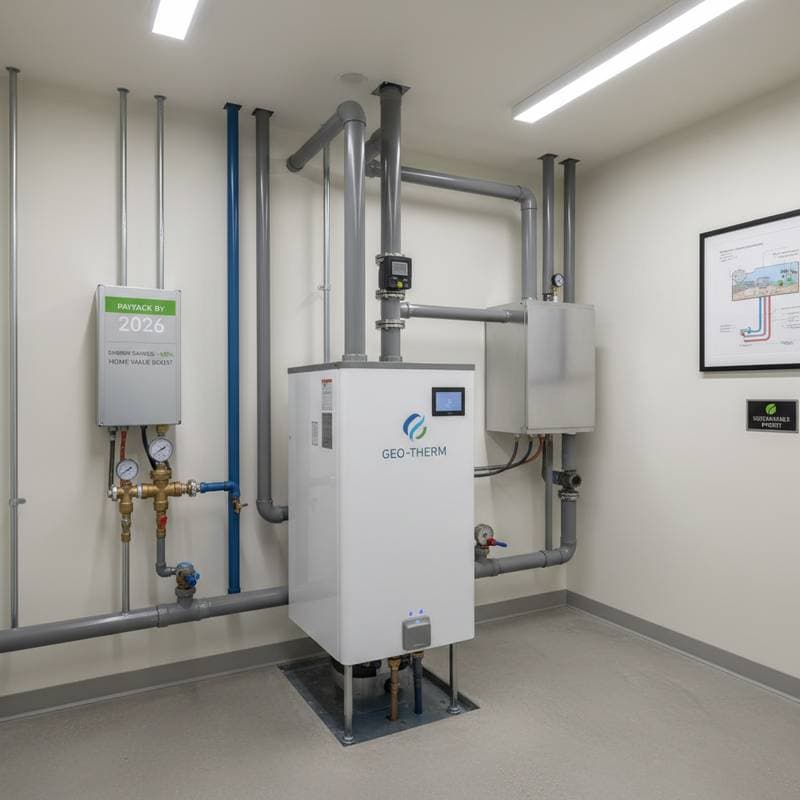
Introduction: Understanding the Payback Timeline for Geothermal HVAC
Geothermal heating, ventilation, and air conditioning systems draw on the stable temperatures of the earth to heat and cool homes efficiently. These systems typically cost between $20,000 and $40,000 to install, depending on home size and site conditions. Homeowners often wonder about the return on this investment, particularly when the system will recoup its upfront costs through energy savings and incentives.
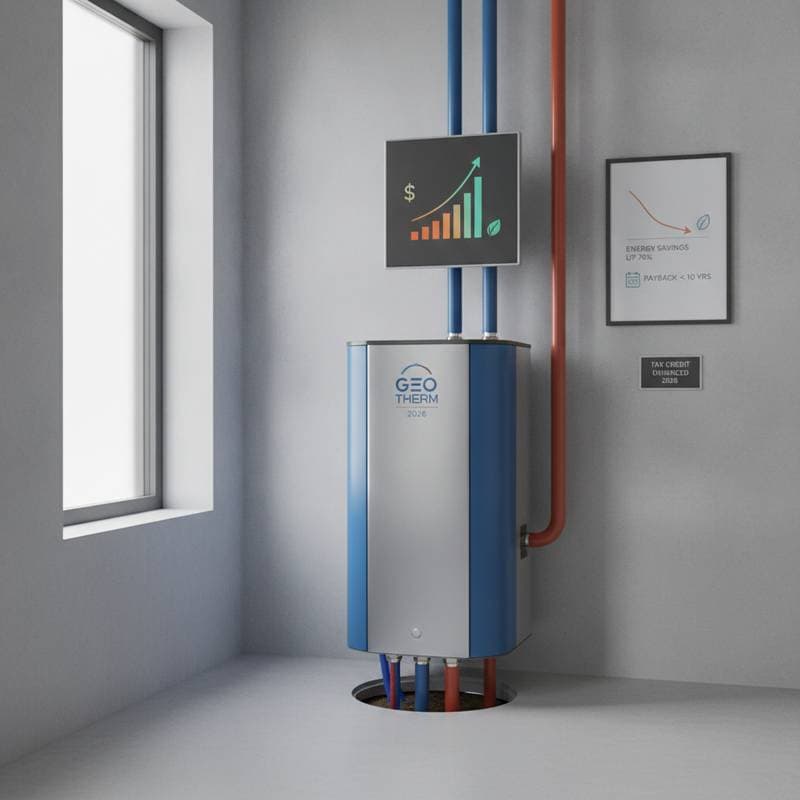
Recent analyses suggest that with current energy prices and federal tax credits, many geothermal installations achieve payback in five to ten years. By 2026, rising utility rates and expanded rebates could shorten this period to as little as three to seven years in high-energy-cost regions. Factors such as local climate, home insulation, and system sizing influence the exact timeline, but the potential for 30 to 70 percent savings on heating and cooling bills makes geothermal a compelling choice for long-term financial benefits.
Durability and Long-Term Value
Geothermal systems feature ground loops buried underground, which shield them from surface elements like extreme weather and mechanical damage. This design extends the lifespan of the loops to 50 years or more, while the indoor heat pump unit often lasts 25 years with routine maintenance.
Such longevity positions geothermal as a durable asset rather than a temporary upgrade. Over decades, the system avoids frequent replacements common with traditional HVAC units, which may need servicing every five to ten years. This reliability translates to lower lifetime ownership costs and increased property appeal for future buyers.
Financing and Strategic Budget Planning
Homeowners can explore multiple financing avenues to manage installation expenses without straining immediate budgets.
Energy-Efficient Mortgages
Lenders specializing in green homes provide mortgages with reduced interest rates or extended terms for properties featuring geothermal systems. The rationale rests on predictable lower utility expenses, which free up monthly cash flow for mortgage payments. Borrowers should compare rates from institutions like Fannie Mae partners that certify energy-efficient loans.
Home Equity Loans and Lines of Credit
These options allow tapping into existing home equity at competitive rates, often below 5 percent for qualified applicants. View the installation as a value-adding improvement, since appraisers frequently add 50 to 100 percent of the system cost to the home's market value. Consult a financial advisor to calculate how equity growth offsets borrowing costs.
Utility On-Bill Programs
Select utilities offer financing where monthly payments align with energy savings, creating a near-zero net cost during the loan term. Programs like those from the U.S. Department of Energy's Weatherization Assistance tie rebates directly to bill adjustments. Verify eligibility through local providers to simplify the process.
Budgeting requires accounting for variables like soil type, which might necessitate additional drilling. Allocate 10 to 15 percent extra for contingencies, and insist on contracts that detail all phases, timelines, and warranties to avoid unexpected fees.
Health and Comfort Benefits
Beyond economics, geothermal systems enhance daily living through superior performance and safety features.
These units deliver consistent temperatures without the hot or cold spots associated with forced-air systems. Operating without an outdoor compressor, they run silently, eliminating vibrations and external noise that disrupt quiet neighborhoods.
Fuel-free indoor operation removes combustion risks, such as carbon monoxide exposure from gas furnaces. Advanced filtration and dehumidification maintain optimal humidity levels between 30 and 50 percent, deterring mold growth and allergens while preserving structural integrity in walls and floors.
For households with respiratory concerns or young children, this setup fosters a cleaner indoor atmosphere. The reduced reliance on fossil fuels also cuts household emissions, aligning personal health with broader environmental goals.
Future-Proofing Your Investment
Geothermal installations prepare homes for evolving energy landscapes and technological advances.
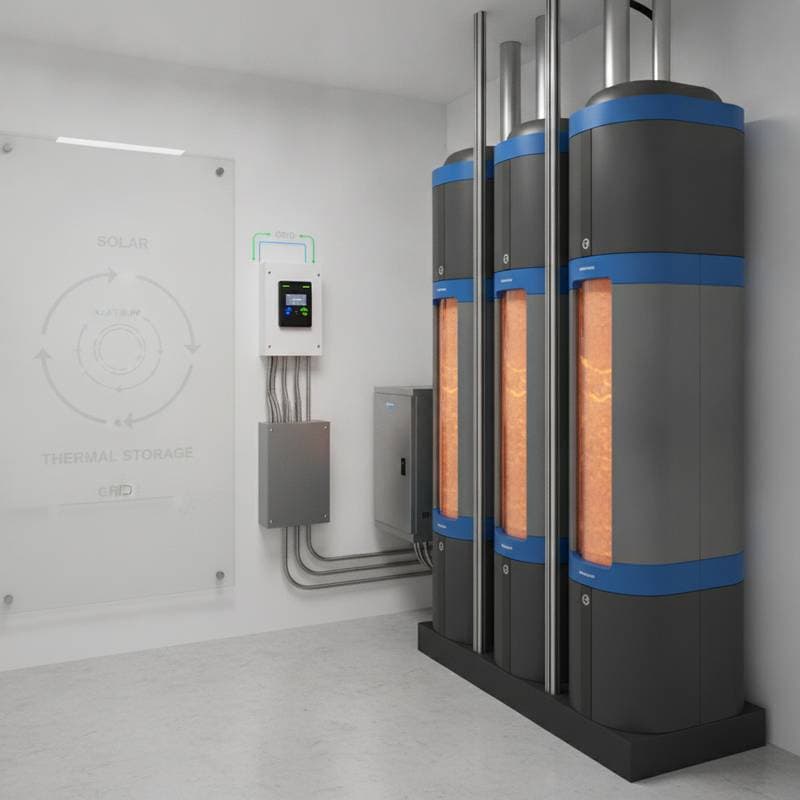
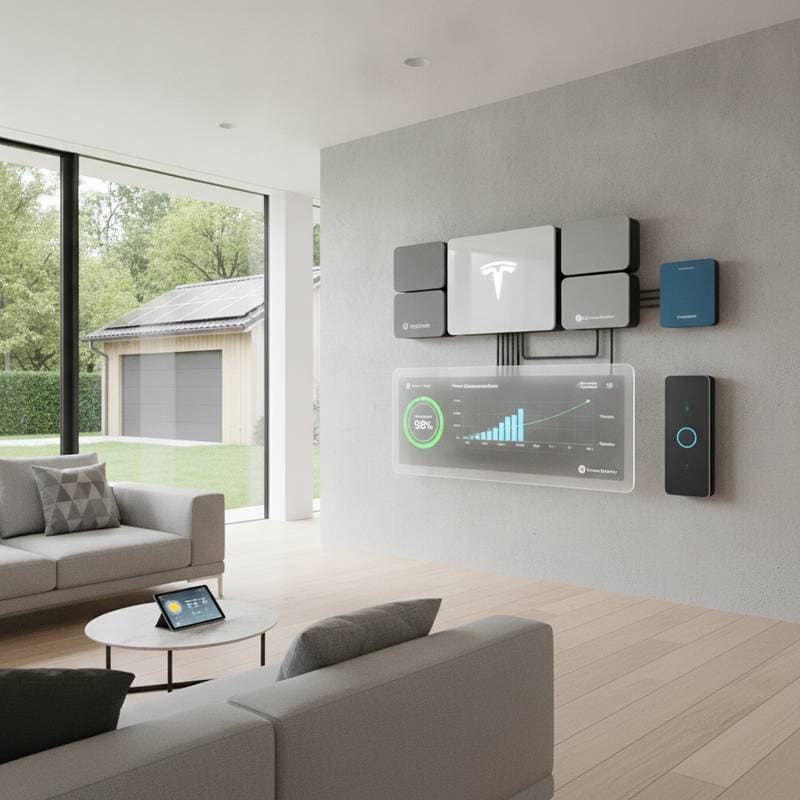
Integration with smart home devices, such as programmable thermostats, optimizes performance based on occupancy and weather data. Pairing with solar panels amplifies savings, as the system's steady efficiency lowers peak electricity demands.
Upcoming regulations, including stricter energy codes in states like California and New York, favor high-efficiency setups. Owners of geothermal-equipped homes sidestep expensive modifications required for compliance, preserving equity as standards tighten.
The technology scales easily, serving everything from compact urban residences to expansive rural estates. Embedded like essential utilities, the system endures property transfers, providing enduring value across ownership cycles.
Common Questions from Homeowners
How much disruption occurs during installation?
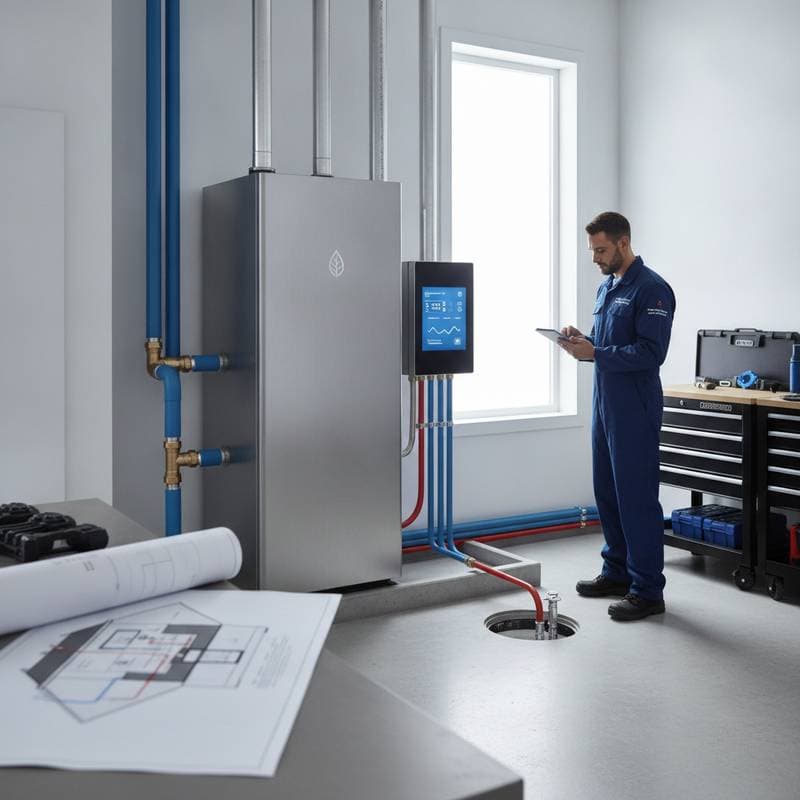
Ground loop installation involves trenching or drilling, usually spanning two to five days for a standard home. Contractors minimize impact by working in sections and restoring soil and sod promptly. Indoor components connect seamlessly to existing ductwork, with minimal interior alterations.
Can geothermal provide both heating and cooling?
The system operates year-round by extracting heat from the ground in winter and dissipating excess heat into it during summer. A single unit handles both functions efficiently, adapting via a reversing valve without seasonal swaps.
What if I move before the system pays for itself?
Geothermal enhancements typically increase sale prices by $10,000 to $20,000, according to real estate data. Buyers appreciate the immediate utility reductions, often justifying premium offers. Disclose system details in listings to attract eco-conscious purchasers.
Is geothermal suitable for older homes?
Retrofitting works well with professional evaluations of insulation and distribution systems. Upgrades like sealing ducts or adding zoning controls ensure optimal performance. Many historic properties benefit from the non-invasive ground loop placement.
Does it work with solar panels?
Geothermal complements solar by stabilizing energy use, enabling smaller, more affordable PV arrays to meet needs. Net metering credits accumulate faster with reduced grid reliance, accelerating overall payback for combined installations.
Steps to Implement Your Geothermal Upgrade
Start by assessing your home's energy profile through a professional audit to confirm suitability and estimate savings.
- Research certified installers via the International Ground Source Heat Pump Association directory.
- Obtain multiple quotes, focusing on system efficiency ratings above 20 EER for heating and 15 EER for cooling.
- Apply for federal tax credits up to 30 percent through IRS Form 5695, plus state rebates.
- Secure financing and schedule installation during off-peak seasons to control costs.
- Monitor performance post-installation with annual tune-ups to maximize efficiency.
This structured approach converts geothermal from a consideration into a realized asset, yielding financial returns alongside enhanced comfort and sustainability.