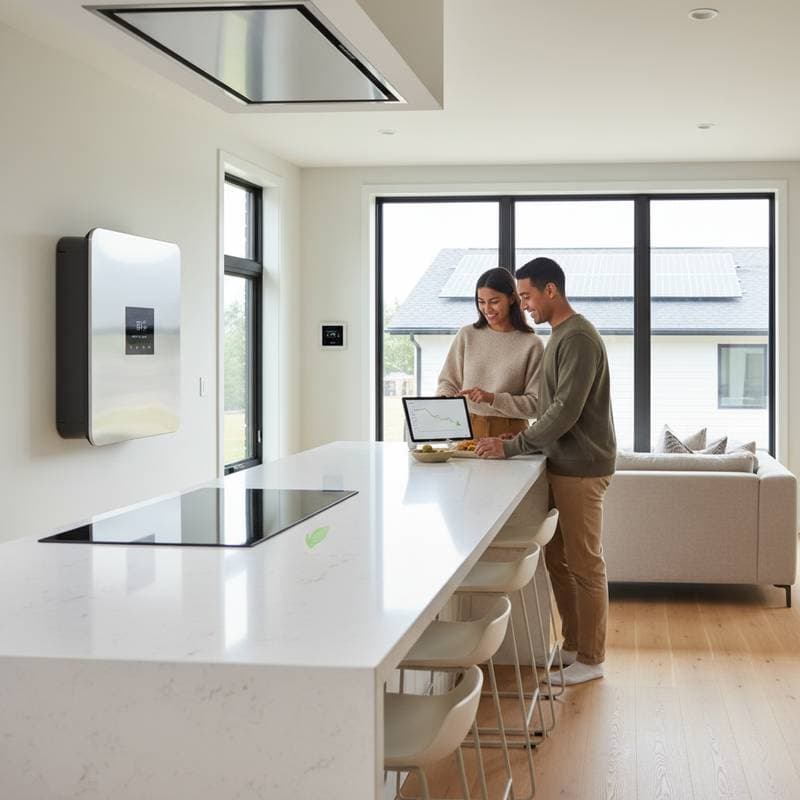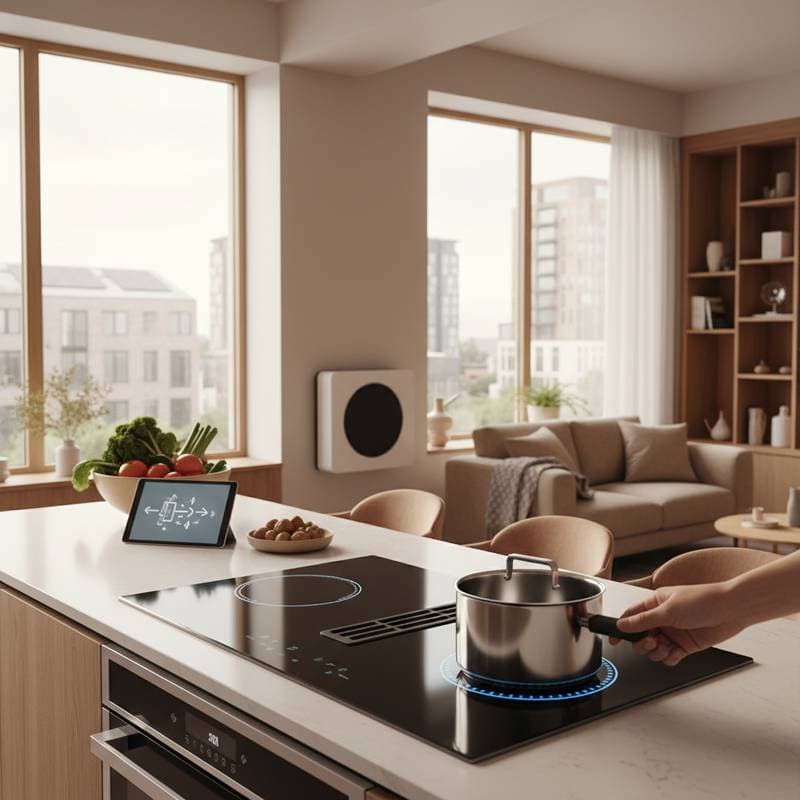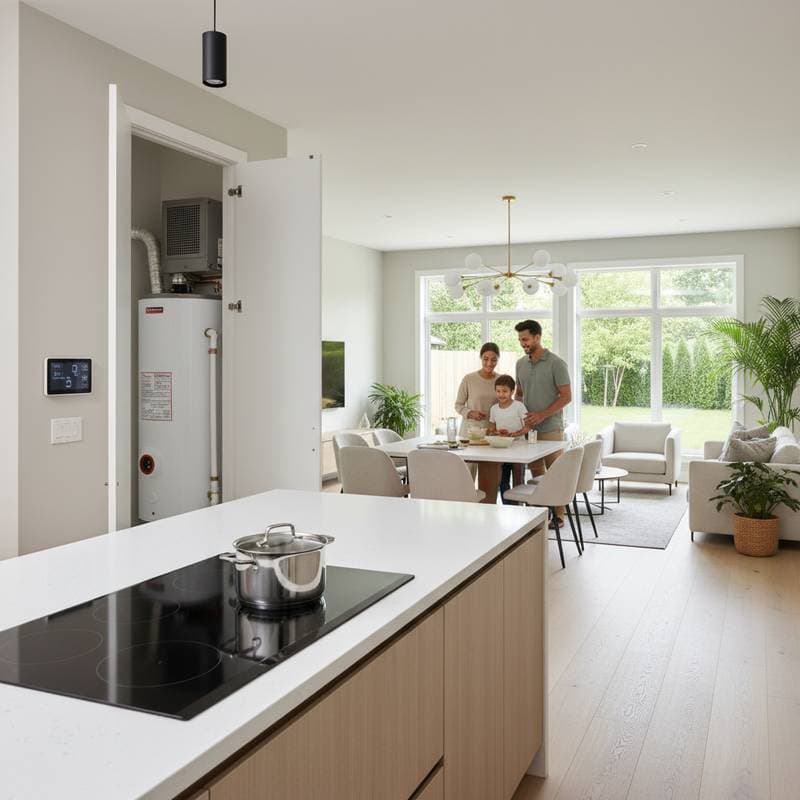
Key Points
- Gas-free homes reduce utility bills with advanced electric technologies that surpass the efficiency of traditional gas systems.
- Electric cooking and heating options enhance indoor air quality and decrease long-term maintenance expenses.
- Heat pump systems reduce heating and cooling energy consumption by up to 50 percent relative to gas alternatives.
- Induction cooking provides quicker, safer, and cleaner results compared to gas stoves.
- Full electrification increases home value as buyers prioritize efficient, low-emission residences.
The Financial Case for Electrification
Initial costs for electric upgrades may appear daunting, yet the ongoing benefits reveal a compelling return. Electric systems achieve higher energy conversion rates than gas appliances, which lose substantial energy through exhaust and inefficiency.
Consider these representative savings:
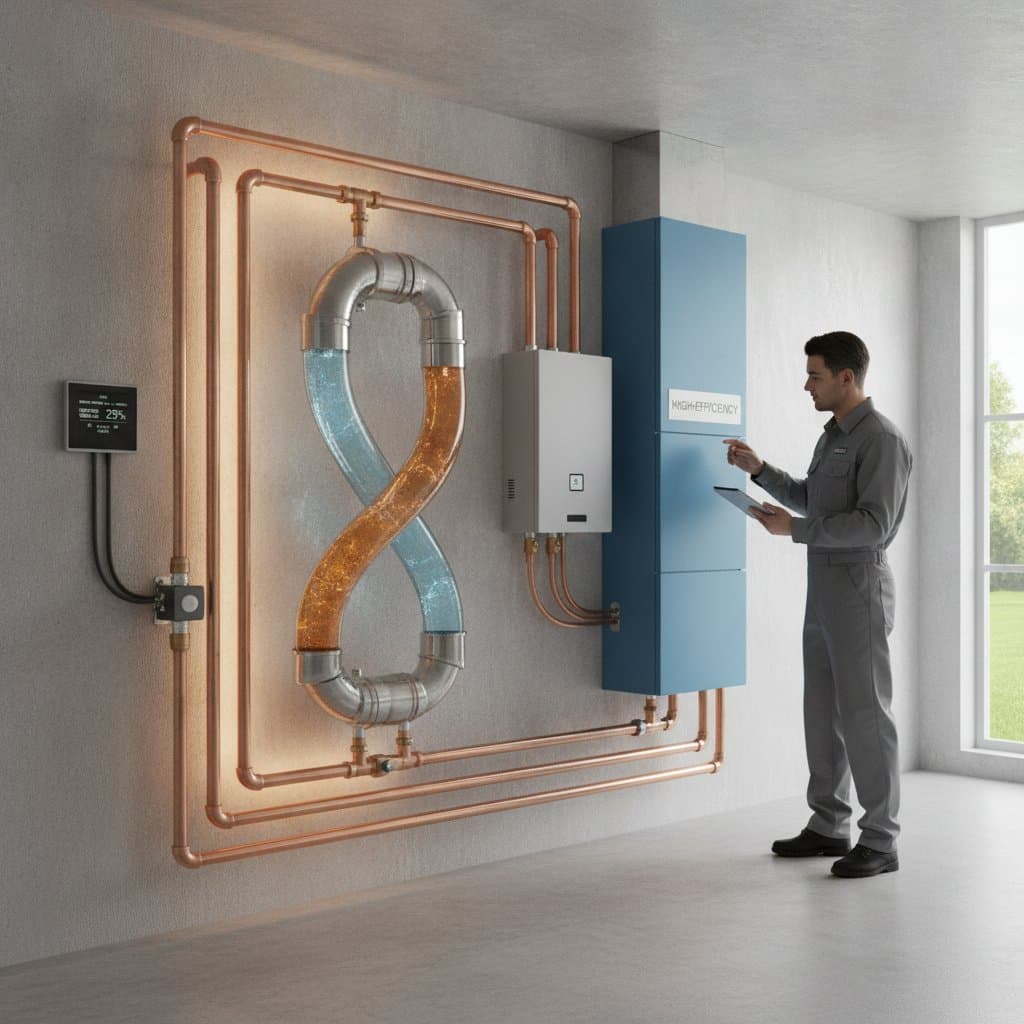
- Heating and Cooling: Heat pumps produce up to three units of heat per unit of electricity, resulting in approximately 50 percent less energy demand than conventional gas furnaces or boilers.
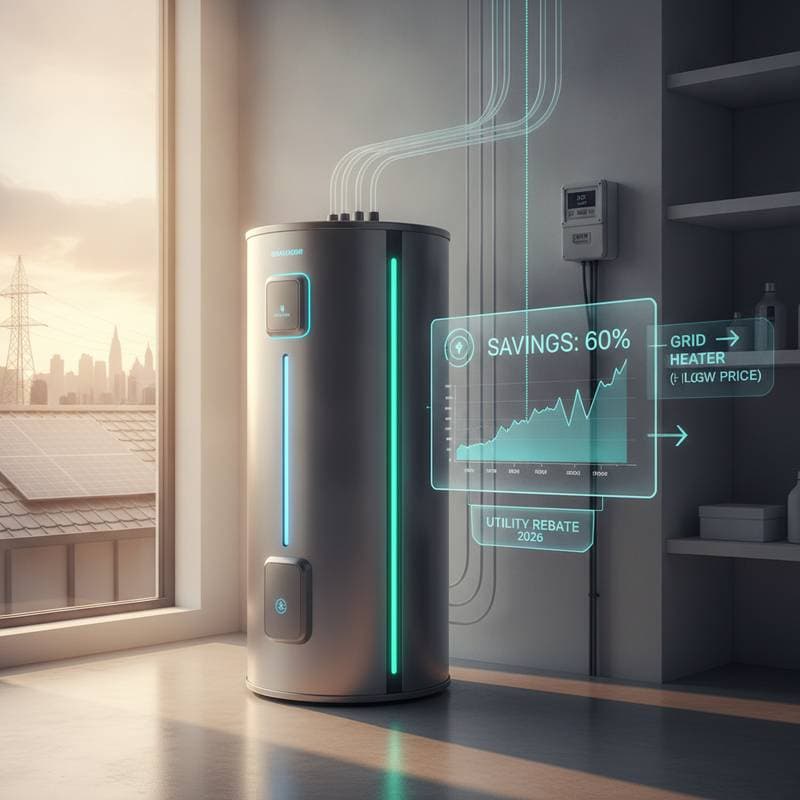
- Water Heating: Heat pump water heaters operate two to three times more efficiently than gas units, potentially cutting annual costs by 30 to 60 percent.
- Cooking: Induction cooktops direct 85 to 90 percent of energy to pots and pans, far exceeding the 40 percent efficiency of gas burners.
Such efficiencies translate to noticeable reductions in monthly bills. Full-home electrification typically yields 20 to 40 percent overall energy savings, varying by regional electricity prices and weather patterns.
Investment Recovery: Complete conversions often recoup costs in 7 to 12 years via reduced utilities, lower upkeep, and elevated property appraisals.
Exploring Electric Innovations
Electric technologies have advanced to deliver performance that rivals or exceeds gas counterparts, with added benefits in convenience and reliability.
Heat Pumps for Heating and Cooling
Heat pumps transfer heat efficiently rather than burn fuel to create it. During cold months, they extract ambient warmth from outdoor air, functioning effectively down to low temperatures. In warmer seasons, they expel indoor heat to maintain comfort.
This mechanism yields significant advantages:
- Energy consumption reduced by up to 50 percent
- Lower maintenance needs than gas combustion units
- Customizable zoning for precise room-by-room control
- Seamless pairing with smart thermostats to maximize performance
Homeowners report consistent temperatures without the drafts or hot spots common in older systems. Installation involves assessing ductwork or opting for ductless models, which suit various home layouts.
Heat Pump Water Heaters
These compact units draw heat from ambient air to elevate water temperature, consuming far less power than gas or basic electric heaters.
Notable features include:
- Consistent cost reductions across seasons
- Supplemental dehumidification ideal for humid spaces like garages or laundry rooms
- Strong synergy with rooftop solar panels for further savings
Users appreciate the quiet operation and space-saving designs, which fit neatly into existing utility closets. Annual energy audits can help quantify savings specific to household usage.
Induction Cooking Solutions
Induction ranges employ magnetic fields to heat cookware directly, offering responsive control without open flames or gas byproducts.
Standout benefits encompass:
- Cooking speeds 25 to 50 percent faster than gas methods
- Simplified cleaning, as surfaces remain below cooking temperatures
- Enhanced safety through child-lock and pan-detection shutoffs
Professional chefs favor induction for its precision in tasks from searing steaks to delicate sauces. Portable single-burner units provide an affordable entry point for testing before full kitchen overhauls.
Environmental Advantages of Electrification
Electric homes align effortlessly with renewable sources such as solar installations or utility-scale wind and hydro power. As electricity grids incorporate more sustainable generation, the environmental impact of these systems diminishes progressively.
By forgoing gas, households avoid on-site combustion emissions, fostering purer indoor and neighborhood air. Integration with home solar arrays enables many to reach near-net-zero carbon output for daily operations.
Sustainability enthusiasts find electrification rewarding, as it supports broader climate goals while preserving familiar routines. Track progress with simple carbon calculators to visualize contributions to cleaner communities.
Addressing Frequent Concerns
Does electricity cost more than gas? Efficiency often offsets higher per-unit prices. Technologies like heat pumps consume less total energy, leading to comparable or reduced overall expenses.
How do power outages affect electric systems? Portable batteries or generators can sustain critical functions. Most modern appliances, including heat pumps and induction units, resume operation smoothly post-restoration.
Is an electrical panel upgrade necessary? It depends on home age and current setup. Consult a certified electrician for a load assessment to determine if enhancements ensure safe capacity.
Will comfort levels change with electric systems? Improvements are common: quieter fans, even heating, and absence of fuel scents create a more pleasant environment.
What incentives exist for upgrades? Federal tax credits and local rebates frequently cover 20 to 50 percent of costs for heat pumps and efficient appliances. Research programs through energy departments for eligibility.
Steps to Electrify Your Home
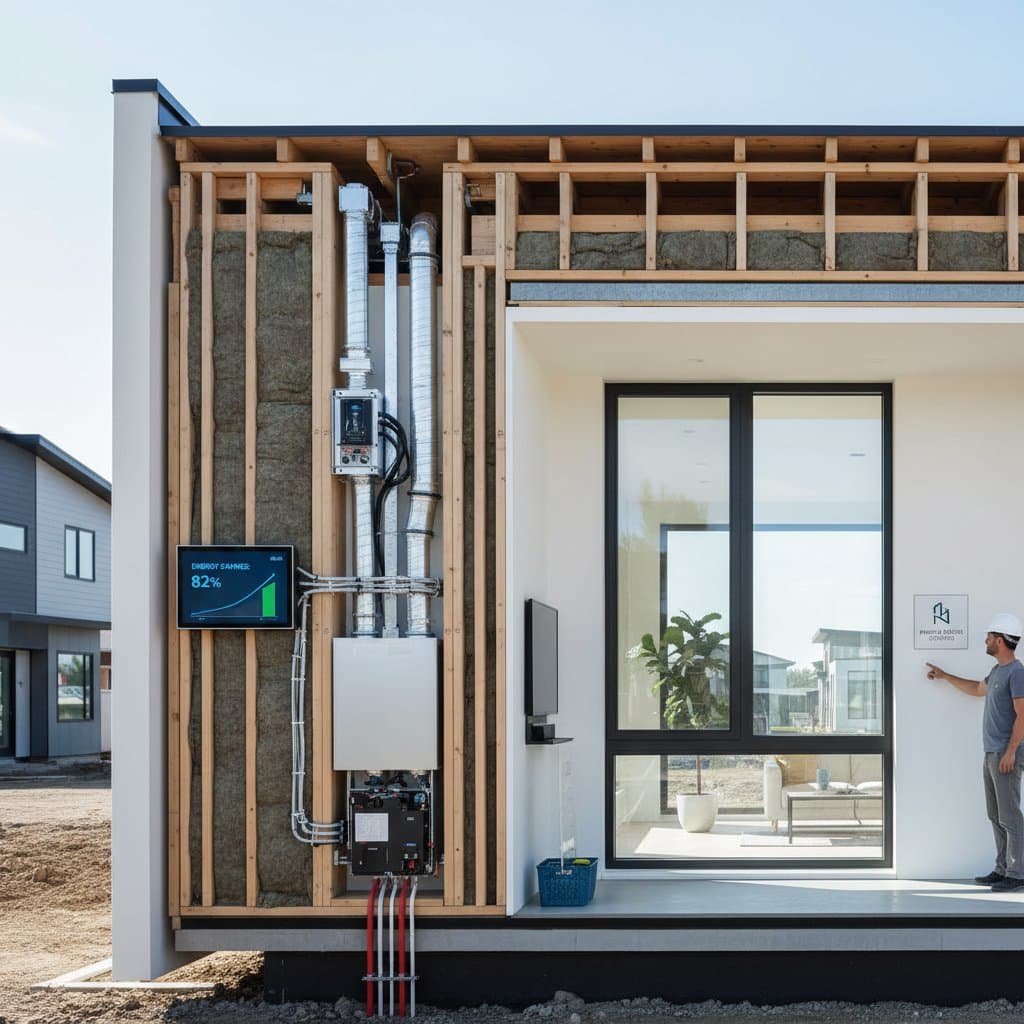
Begin with an energy audit to identify high-impact areas like outdated heating or inefficient cooking. Select certified contractors experienced in heat pump installations and electrical modifications.
Budget for phased changes: start with water heating or kitchen appliances to build momentum. Monitor bills post-upgrade to confirm savings and adjust habits for optimal results.
Electrification equips homes for future energy landscapes, securing financial and ecological gains that endure.