Key Advantages of Geothermal HVAC
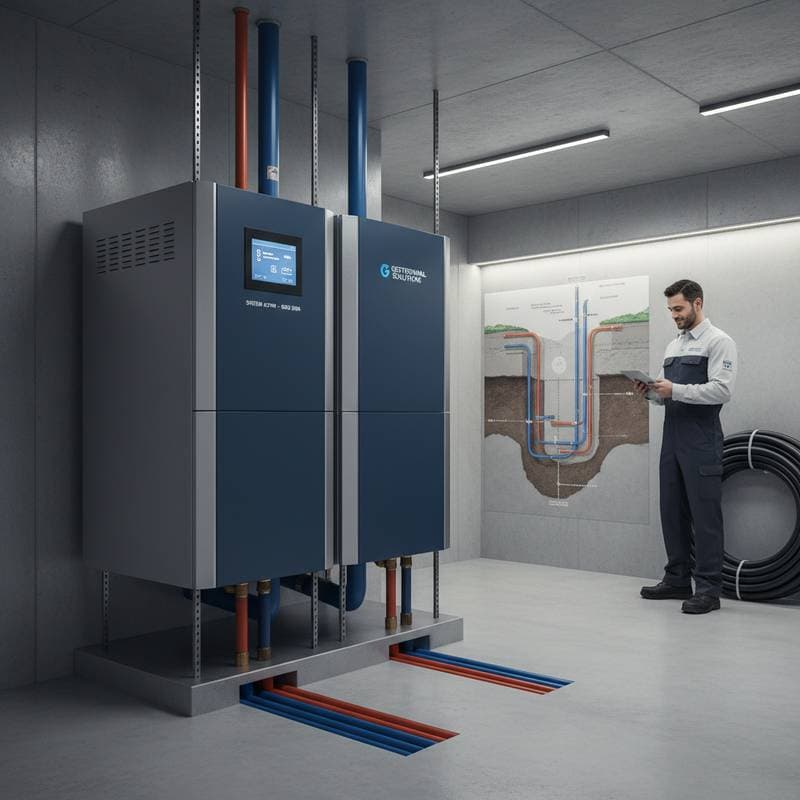
Geothermal HVAC systems draw on the earth's consistent underground temperatures to provide efficient heating and cooling for buildings. These systems operate by transferring heat to or from the ground, rather than generating it through combustion. This approach delivers reliable performance across diverse climates.
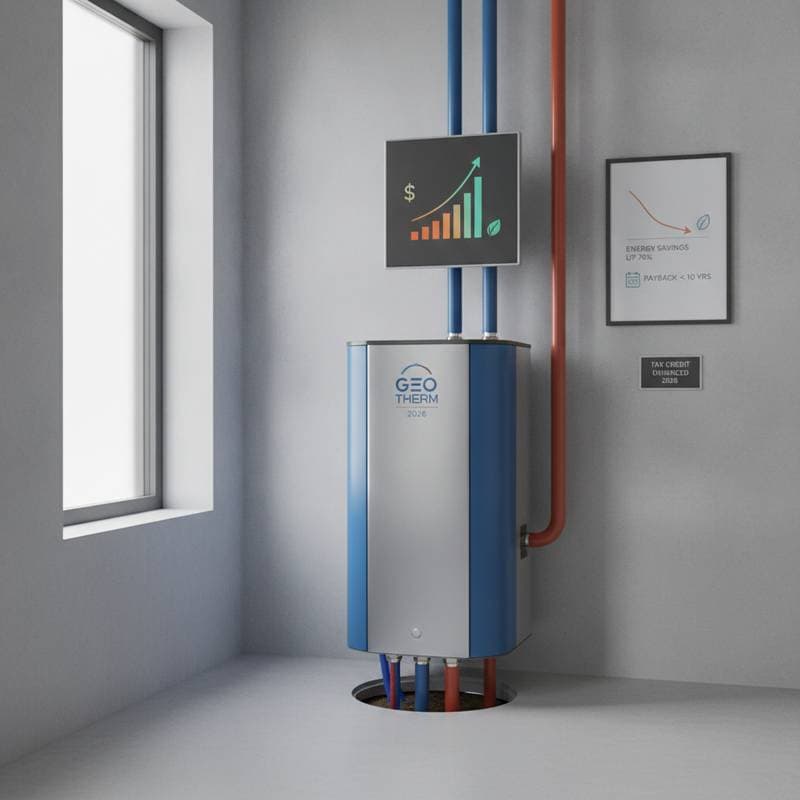
Installation expenses have decreased thanks to innovations in drilling equipment and heat pump engineering. Government programs offer tax credits and rebates that offset initial outlays. As demand for energy-efficient solutions rises, supply chains improve, further lowering prices.
By mid-decade, projections indicate widespread adoption in both residential and commercial sectors. Homeowners and businesses value the long-term financial benefits and environmental impact. Geothermal technology aligns with goals for energy independence and reduced reliance on fossil fuels.
Utility bill reductions and minimized carbon emissions highlight the investment value. Systems achieve efficiencies far beyond traditional options, with payback periods that enhance overall appeal.
The Growing Importance of Geothermal HVAC
Energy costs continue to rise, prompting property owners to seek dependable alternatives. Geothermal systems provide that reliability, often reducing heating and cooling expenses by 40 to 70 percent relative to standard setups. These systems endure for decades, requiring only occasional servicing.
From an environmental perspective, geothermal technology lowers greenhouse gas outputs significantly. It moves heat rather than producing it via fuel consumption, effectively utilizing the earth's stored thermal energy. This method supports efforts to diminish personal carbon contributions while ensuring consistent indoor comfort throughout the year.
On the financial side, such installations boost property values. Homes equipped with energy-saving features command premiums of 3 to 8 percent in sales. Prospective buyers appreciate the ongoing cost efficiencies and the forward-thinking nature of the technology. Geothermal HVAC integrates seamlessly into strategies for enhancing home equity.
Analyzing Costs and Return on Investment
Upfront expenses represent the primary hurdle for potential adopters, but trends show improvement. For residential applications, costs typically range from the price of a high-end conventional system to approximately twice that figure, influenced by site specifics like soil composition and excavation requirements. Despite the initial investment, payback analysis reveals strong long-term viability.
Energy cost reductions enable recovery of the outlay in 5 to 10 years for most users. Ground loops maintain functionality for up to 50 years, and indoor components often exceed 20 years of service. Fewer mechanical elements translate to lower repair frequency and operational interruptions.
Beyond direct savings, consider qualitative gains. Geothermal setups deliver quieter operation, uniform temperatures, and heightened comfort levels. These factors contribute to daily satisfaction and position the system as a comprehensive upgrade.
Site-Specific Considerations for Installation
Multiple elements affect project expenses and effectiveness. Soil and bedrock characteristics play a key role; looser earth facilitates easier drilling and cuts costs, whereas harder formations demand more robust methods.
Availability of groundwater influences system type. Sites with reliable water sources support open-loop configurations, which can optimize performance. Geothermal technology performs reliably in nearly all regions, though extreme weather areas yield the greatest savings.
Regulatory frameworks vary by location. Certain jurisdictions mandate permits or ecological assessments, but streamlined processes reflect increasing familiarity with the technology. Financial supports, including federal tax incentives and local rebates, can halve effective costs.
Homeowners benefit from evaluating these aspects early. Site assessments by qualified professionals ensure accurate budgeting and smooth execution, minimizing disruptions.
Efficiency and Sustainability Benefits
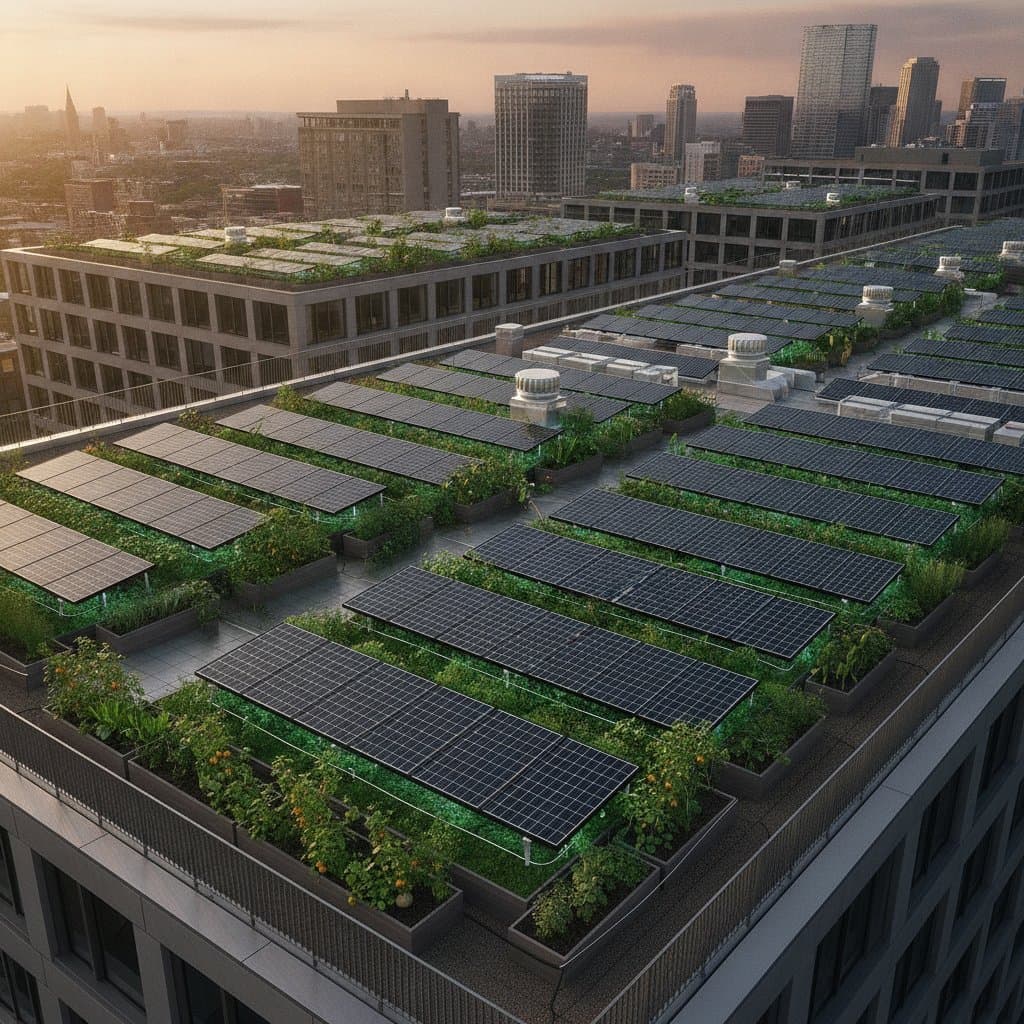
Geothermal HVAC forms a core element of eco-conscious building practices by curtailing fossil fuel dependence. It complements complementary technologies effectively. For instance, integration with solar arrays enables net-zero energy configurations where generation matches consumption.
Performance metrics underscore the superiority of these systems. The Coefficient of Performance (COP) for a standard geothermal heat pump ranges from 3 to 5, indicating that it delivers three to five units of thermal output per unit of electrical input. Traditional systems hover near a COP of 1, underscoring the efficiency gap.
Additional advantages include improved indoor environments. Without combustion processes or exhaust requirements, risks of hazardous emissions diminish. This setup promotes cleaner air circulation, fostering healthier living spaces for occupants.
Common Questions About Geothermal HVAC
Does geothermal HVAC fit every property?
Adaptable designs accommodate most sites, adjusting to spatial constraints, geological features, and hydrological conditions.
What level of disruption occurs during setup?
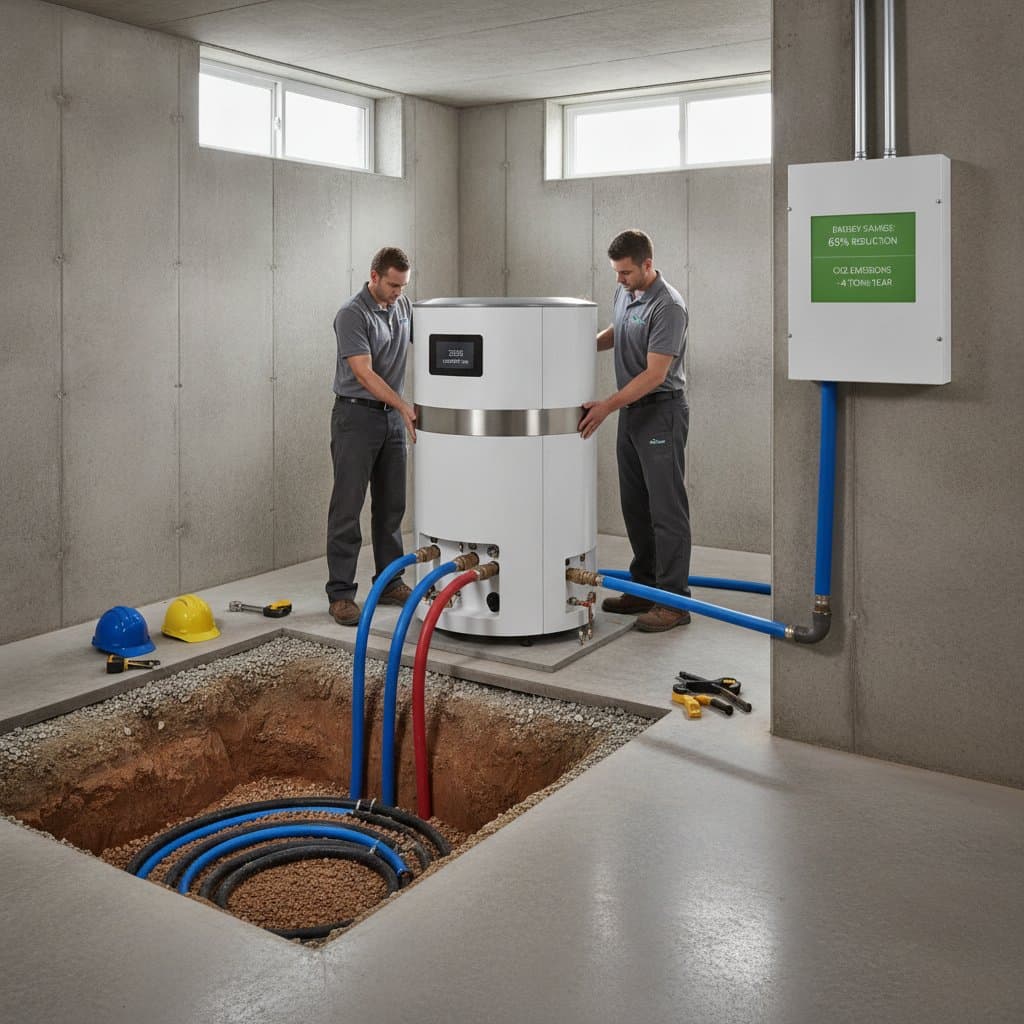
Excavation or boring activities may alter outdoor areas briefly, but buried components stay concealed. Restoration of landscapes follows promptly after completion.
Is compatibility possible with current duct systems?
Integration works well with existing infrastructure in most cases. A professional evaluation confirms appropriate sizing and sealing for optimal function.
What ongoing care does the system need?
Regular filter replacements and yearly checkups suffice. Sealed underground elements demand no routine intervention.
Is the energy source truly renewable?
Affirmative. The system taps into the earth's perpetual thermal reservoir, replenished by solar radiation and geothermal processes.
Steps to Adopt Geothermal HVAC
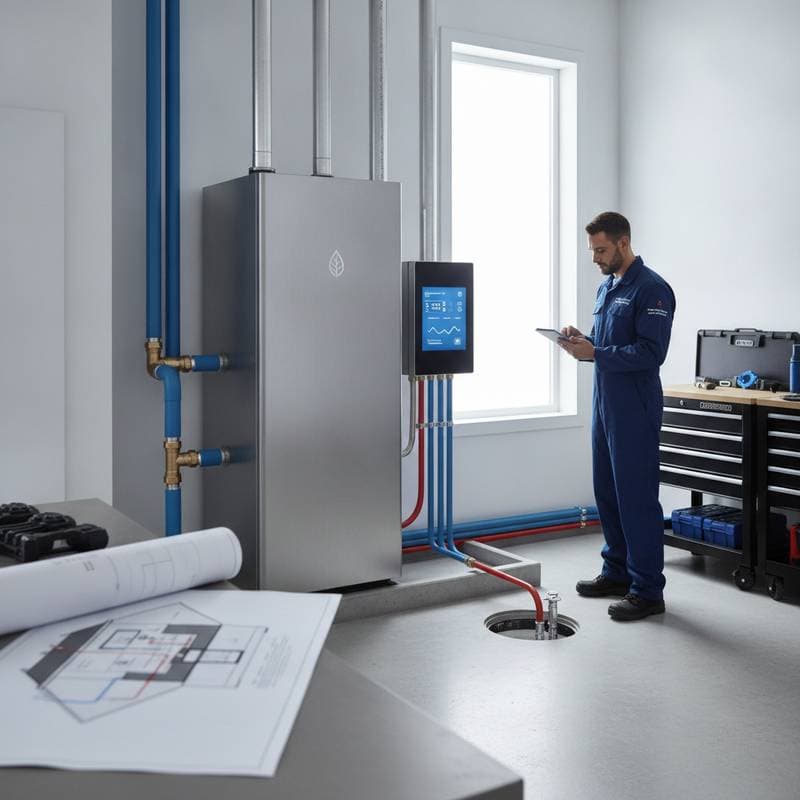
Begin by consulting certified installers for a property evaluation. They assess site viability and outline customized options. Review available incentives through federal and state resources to maximize savings.
Secure financing if necessary; many programs offer favorable terms for green upgrades. Proceed with permitting as required, ensuring compliance with local standards.
Post-installation, monitor performance and leverage the system's durability for years of benefits. This proactive approach transforms energy management, yielding comfort, savings, and sustainability in equal measure.