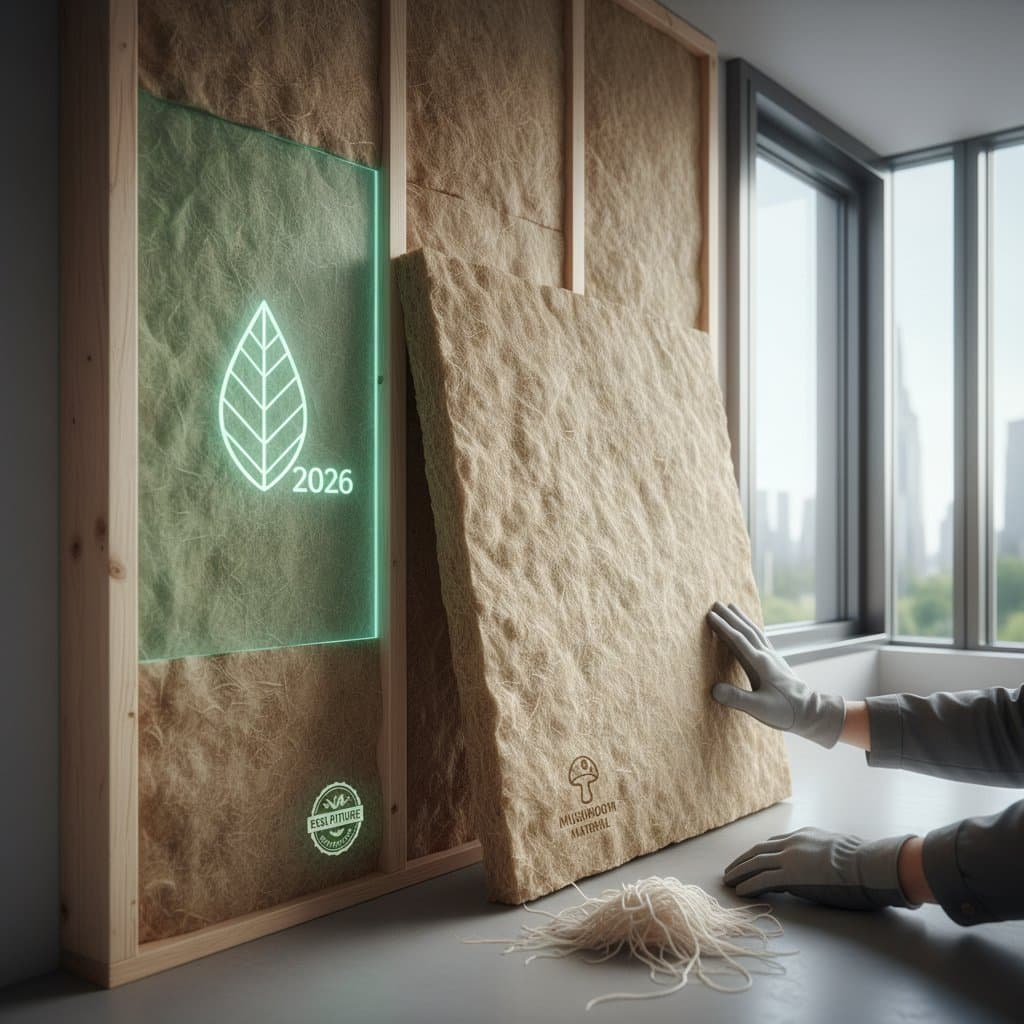
Key Advantages of Mushroom Insulation
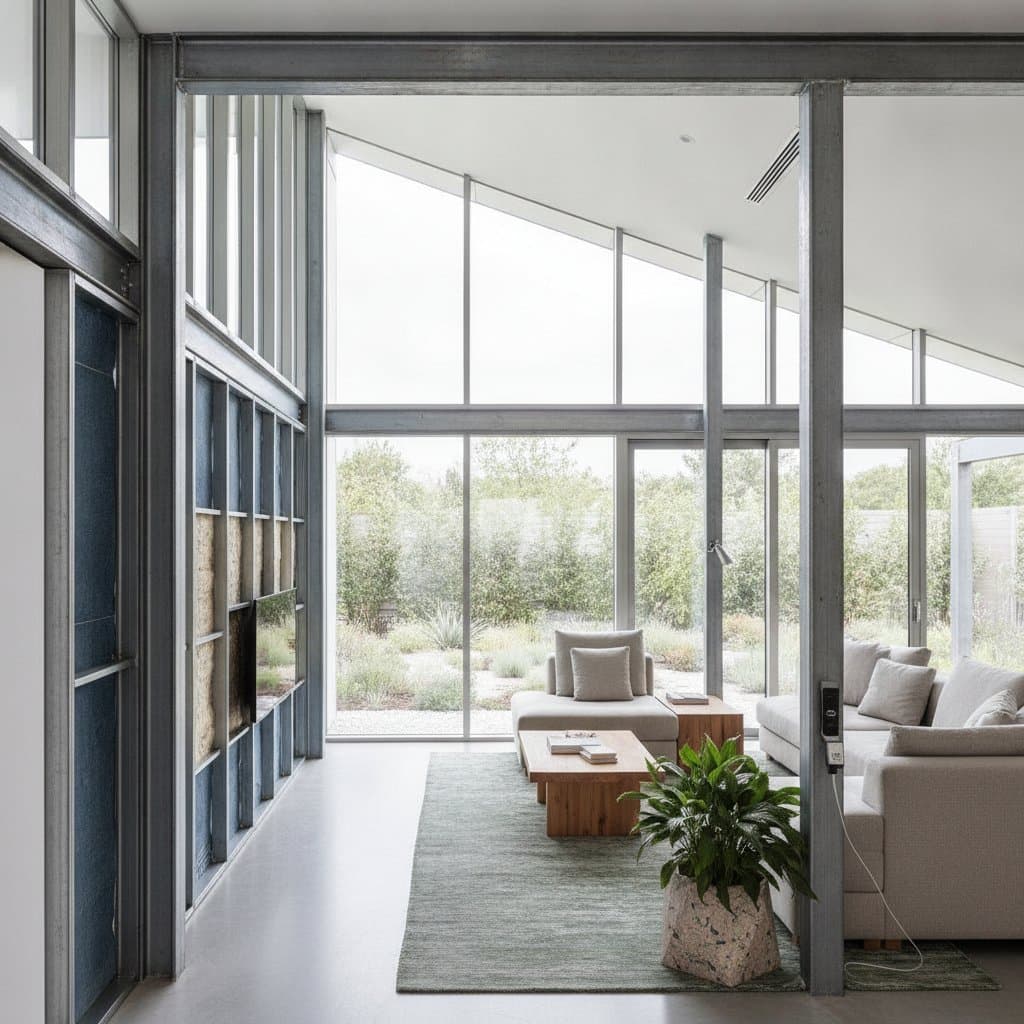
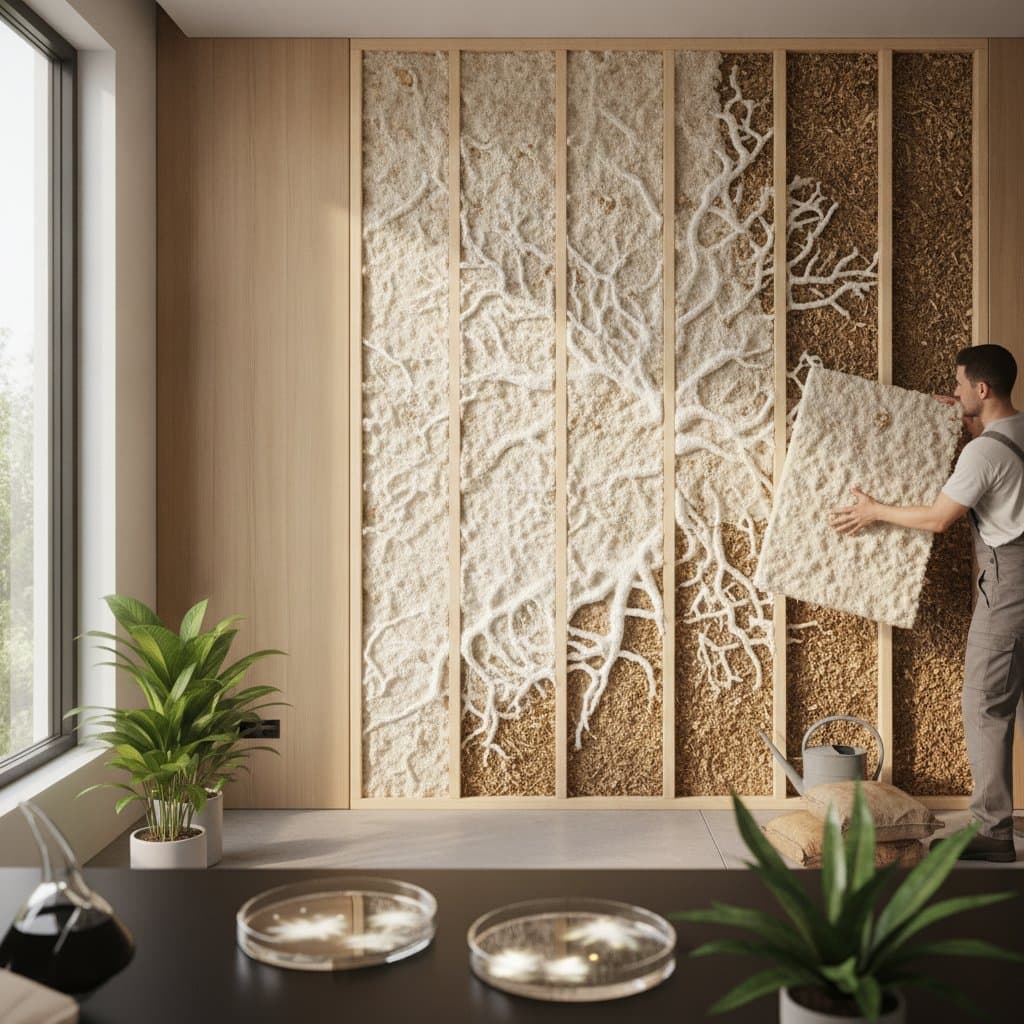
Mushroom insulation emerges from mycelium, the root structure of fungi, to offer a breakthrough in sustainable building materials. This organic option matches the thermal performance of synthetic foams while remaining fully biodegradable, eliminating concerns over toxic emissions or persistent waste in landfills. As production methods evolve, the material becomes more accessible, delivering substantial energy reductions and superior indoor air quality for homeowners committed to environmental responsibility.
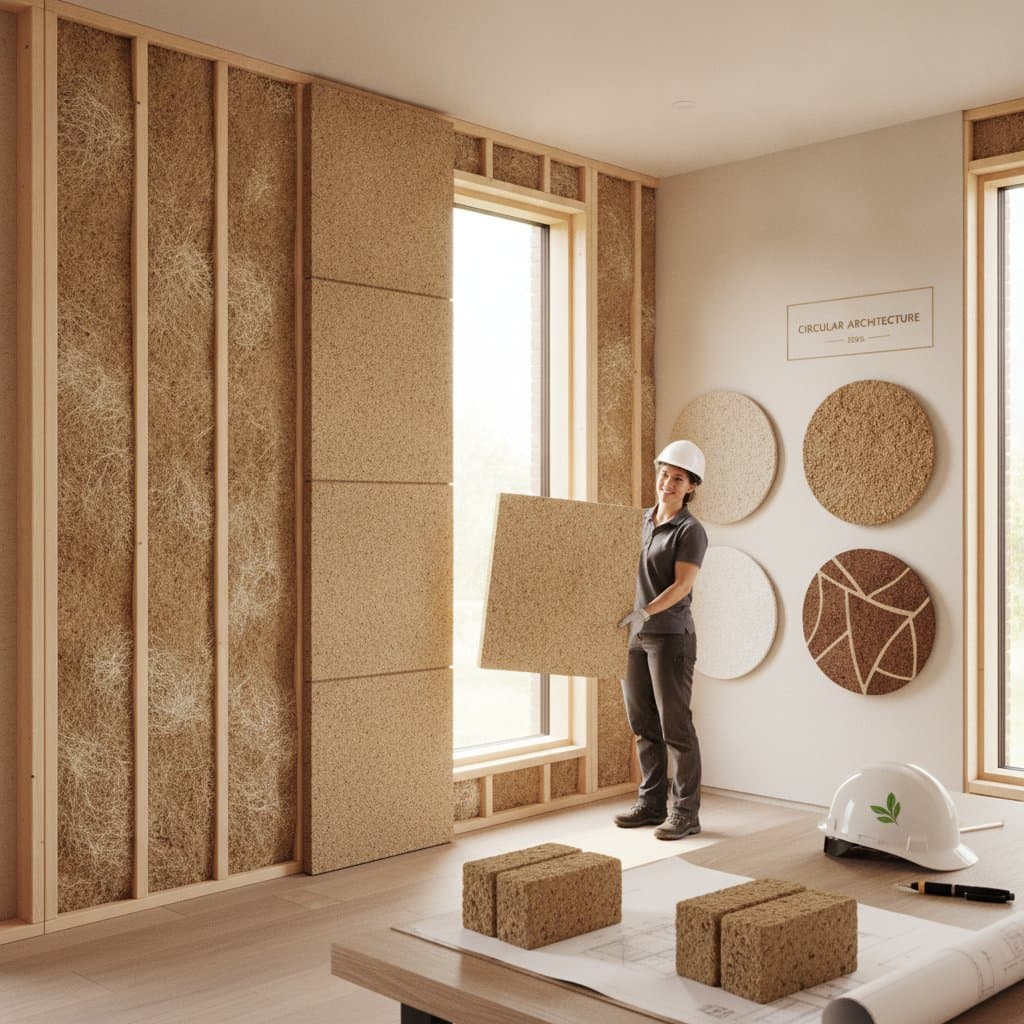
The versatility of mycelium insulation suits diverse applications, from new constructions to existing structures undergoing retrofits. Builders appreciate its ability to integrate seamlessly with standard framing techniques, supporting projects that balance technical demands with ecological priorities. This adaptability accelerates its adoption in residential and commercial settings alike.
Financial and Environmental Benefits
Rising construction expenses and utility rates make effective insulation essential for long-term savings. Mycelium insulation provides reliable thermal resistance, with R-values between R-3 and R-4 per inch, comparable to fiberglass or polystyrene alternatives. Although it falls short of premium spray foams in peak performance, the material maintains consistent efficiency without fluctuating costs tied to petroleum-based inputs.
Financial advantages manifest in several key areas:
- Energy efficiency gains: Reductions in heating and cooling expenses range from 10 to 25 percent, influenced by regional climate and architectural features.
- Health-related cost reductions: Free from volatile organic compounds, the insulation mitigates risks of respiratory issues and enhances overall indoor air purity.
- Extended lifecycle economics: Fully compostable at the end of its service life, it avoids expensive disposal processes required for traditional insulators.
On the environmental front, mycelium insulation embodies principles of a circular economy. Manufacturers repurpose agricultural residues like corn stalks, hemp fibers, and wood sawdust, converting potential waste into a robust building component. The carbon footprint associated with its production proves far lower than that of foams or mineral wools, often amounting to less than one-tenth the emissions from conventional manufacturing processes.
Analyzing Costs and Return on Investment
Initial versions of mycelium insulation commanded higher prices due to small-scale operations, yet expanded production has driven costs downward. Current pricing aligns with mid-range cellulose or premium mineral wool, varying by product form and vendor. For an average home, expenses cover everything from simple DIY panels to full professional installations, with energy savings typically recouping the investment in five to seven years.
Additional factors strengthen the economic case:
- Reduced fees for waste management at project completion.
- Fewer health incidents linked to cleaner air, lowering potential medical expenditures.
- Incentives from green certification programs that offset upfront costs.
Real estate experts note that such sustainable features elevate property appeal, especially in regions where buyers prioritize environmental credentials. This recognition translates to higher resale values and quicker market turnover.
Enhancing Health and Indoor Comfort
Prioritizing indoor environmental quality has become central to modern renovations. Mycelium insulation excels here through its inherent natural makeup and eco-conscious production methods. Devoid of formaldehyde or microplastics, unlike many synthetic counterparts, it ensures no gradual release of harmful substances over time.
The material's lack of odor and irritants proves ideal for households with allergies or sensitivities. Furthermore, its sound-absorbing properties foster quieter spaces, contributing to reduced stress levels. Research into biophilic design highlights how exposure to organic elements, even concealed behind walls, promotes subtle improvements in occupant well-being and satisfaction.
These wellness benefits extend beyond immediate comfort, aligning with broader trends in holistic home design. Homeowners report greater peace of mind knowing their living spaces support both physical health and planetary health.
Steps to Implement Mushroom Insulation
Transitioning to mycelium insulation requires thoughtful preparation to maximize its potential.
- Evaluate current setup: Inspect walls, attics, and floors for inefficiencies in heat retention or signs of moisture damage that warrant upgrades.
- Engage qualified professionals: Select installers experienced in bio-based materials to handle the curing and sealing processes essential for peak performance.
- Review available products: Compare offerings from regional providers, focusing on density, R-value, and pricing to align with specific project needs.
- Integrate supporting systems: Combine the insulation with effective ventilation strategies to regulate humidity and maintain ideal indoor conditions.
Realizing Sustainable Building Potential
Mushroom insulation transcends novelty in green construction; it integrates biological innovation with proven engineering principles. By choosing this material, builders and homeowners invest in structures that endure while nurturing the environment. The result is resilient homes that deliver ongoing savings, superior livability, and a reduced ecological impact for generations ahead.