Key Points
- Recycled roofing materials emerge as cost-effective and eco-friendly alternatives in the housing market.
- Homeowners find that recycled plastic and composite roofs match the performance of high-end traditional options.
- Innovations in production and recycling lower expenses while enhancing strength and customization.
- Future eco homes emphasize roofs that offer minimal upkeep, visual appeal, and clear financial returns.
Addressing the Core Dilemma: Sustainable Choices from the Roof Down
Homeowners often grapple with integrating environmental goals and budget constraints. The roof serves as an ideal starting point for such efforts, despite frequent oversight until problems arise. While asphalt shingles and clay tiles remain common, their high resource use and shorter durability prompt a shift. Recycled plastic composites now alter this landscape by providing viable, superior solutions.
The Importance of Recycled Roofing Systems
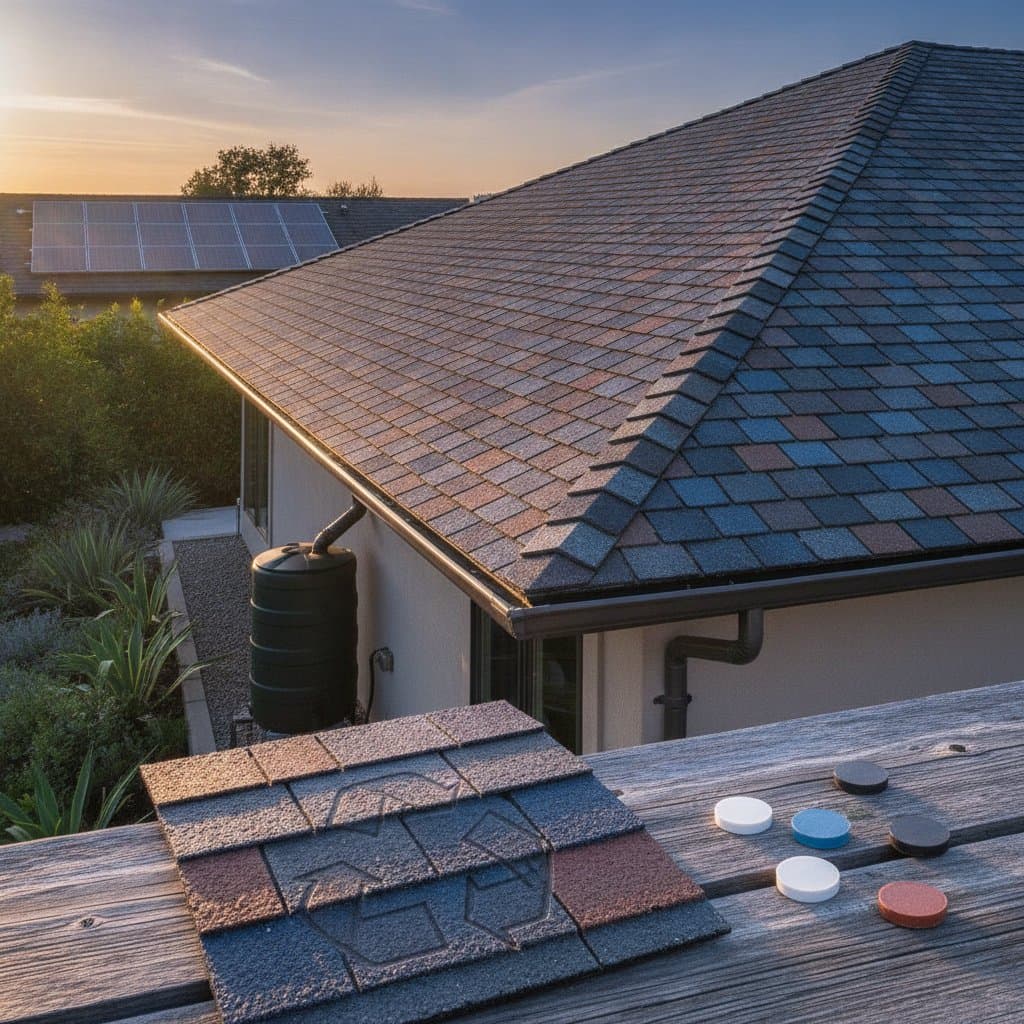
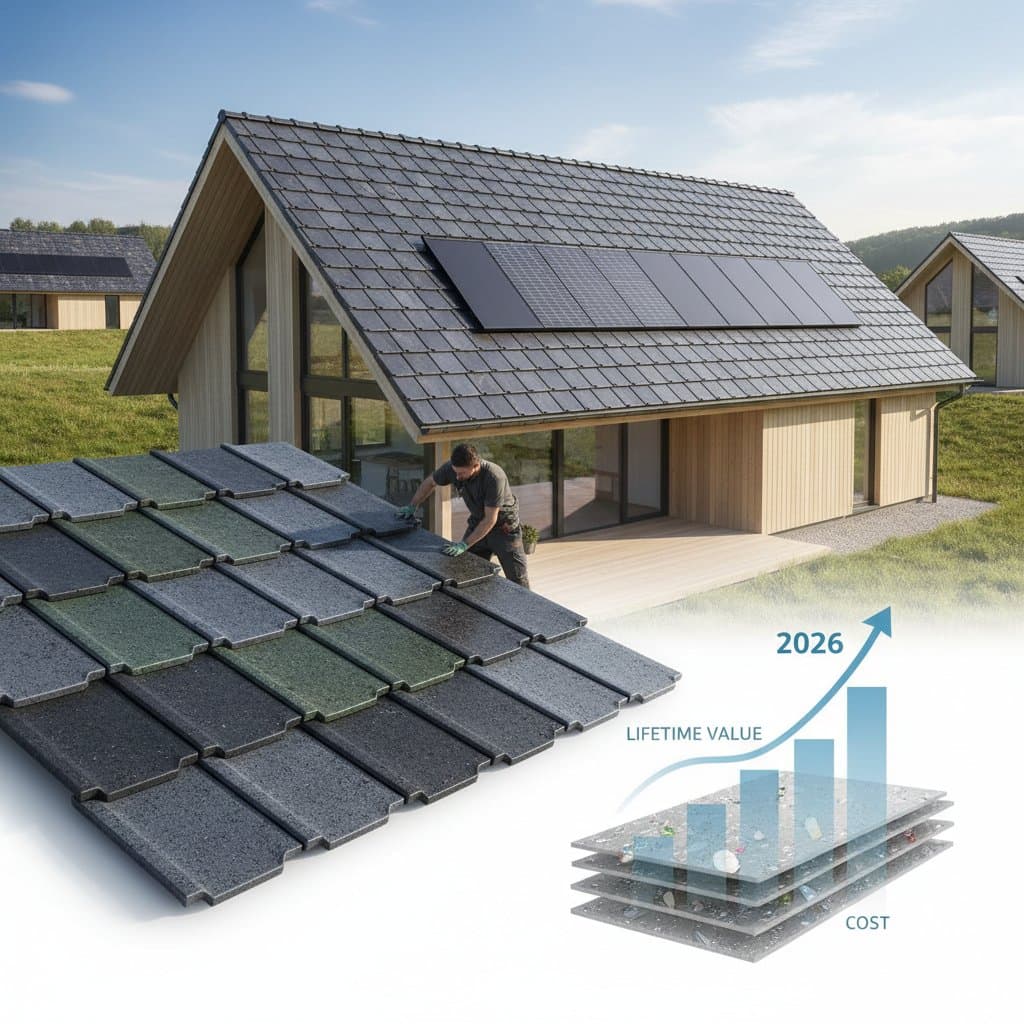
These systems convert waste from consumer products and industry into robust, weatherproof coverings. Materials such as used plastic bottles, packaging waste, and rubber from tires form composite panels resembling slate, wood shakes, or tiles. This process keeps waste out of landfills and decreases reliance on new resources.
Financially, recycled roofs offer compelling value over time. They endure two to three times longer than typical asphalt shingles. Initial prices may exceed those of standard options by 15 to 30 percent, yet total ownership costs drop by more than 40 percent when accounting for reduced maintenance and fewer replacements. Such longevity directly lowers annual expenses.
Advantages in Material Science for Recycled Plastic Roofs
Recycled plastic roofing excels in resilience, adaptability, and temperature regulation. These products withstand cracking, color loss, and deformation across harsh weather conditions. Polymer mixtures allow controlled expansion and contraction, avoiding the fractures seen in conventional materials.
Energy performance stands out as a key benefit. Installed correctly, these roofs reflect up to 30 percent more solar radiation than dark asphalt, maintaining cooler indoor spaces and easing cooling demands. Certain designs incorporate built-in insulation to further minimize energy use.
Gains in Sustainability and Property Appeal
Opting for recycled materials makes a clear environmental commitment and boosts market position. Buyers prioritize green credentials and efficiency metrics. A recycled roof highlights lower ecological footprints and utility savings, factors that elevate home worth.
Industry experts note that properties with sustainable roofs fetch 5 to 10 percent more in sales, especially in areas with elevated energy prices or emphasis on weather resistance. These installations also support qualifications for standards like LEED or Green Globes, amplifying investment returns.
Options Across Price Ranges
Recycled roofing spans products for diverse budgets.
- Basic models rely on recycled plastics with ultraviolet protection for reliable coverage at entry prices.
- Intermediate choices feature layered composites that emulate luxury natural looks, extending service life and impact tolerance.
- Premium variants employ sophisticated polymer formulas with reflective surfaces and built-in water management for optimal performance and longevity.
Impacts on Well-Being and Livability
Recycled roofs extend benefits to indoor quality and comfort. Most formulations avoid volatile organic compounds and inhibit mold development. Their light-reflecting qualities stabilize room temperatures, easing strain on residents and HVAC equipment. Families pursuing health-focused designs find these attributes especially valuable.
Steps to Implement Recycled Roofing
Prospective owners should begin with an expert review of existing roof frameworks. Essential actions include:
- Assess structural support and airflow to confirm suitability for composite installations.
- Examine manufacturer guarantees and independent verifications for reliability.
- Obtain comprehensive cost projections spanning the full product life, beyond upfront figures.
- Investigate funding options or incentives for green construction practices.
Securing Future-Proof Protection
Recycled roofs mark a pivotal advancement in efficient, durable housing. They align with principles of resource conservation and long-term viability. Selecting such a roof safeguards the property while advancing planetary health, establishing a forward-thinking foundation for homeownership.