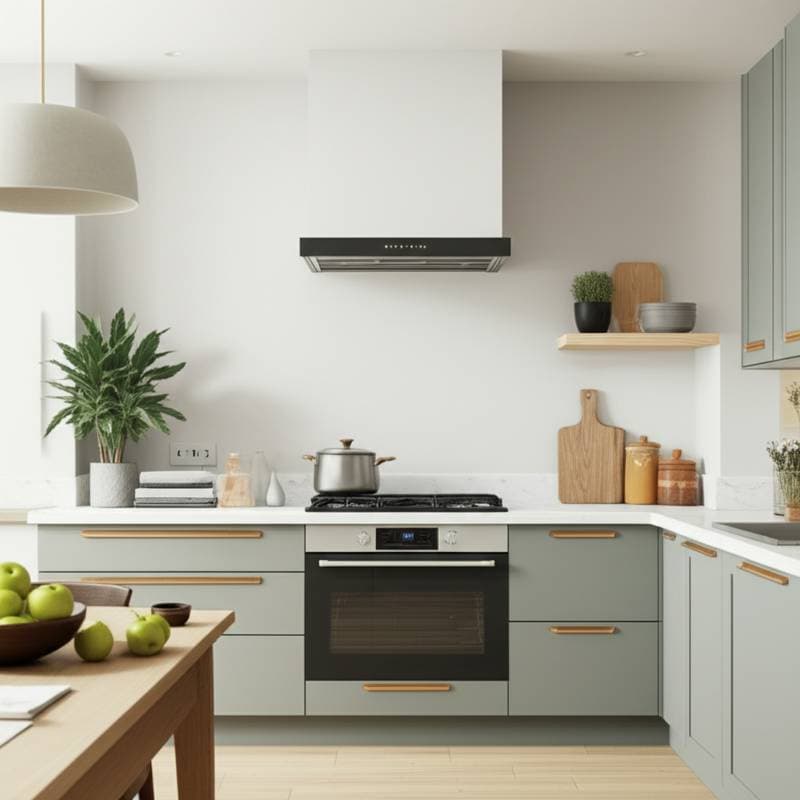
Recycled Glass Counters Hit 90% Post-Consumer Content
Recycled glass countertops blend style and sustainability, featuring up to 90% post-consumer content. Explore their benefits, 2025 trends, and practical installation tips for your next remodel.
Loading...
Browse our complete collection of construction guides and articles, sorted by publication date.
Recycled glass countertops blend style and sustainability, featuring up to 90% post-consumer content. Explore their benefits, 2025 trends, and practical installation tips for your next remodel.
Smart window film offers a simple retrofit to cut cooling costs by 15-30%, block UV rays, and enhance comfort. Explore how this technology works, emerging 2025 trends, and practical steps to save energy now.
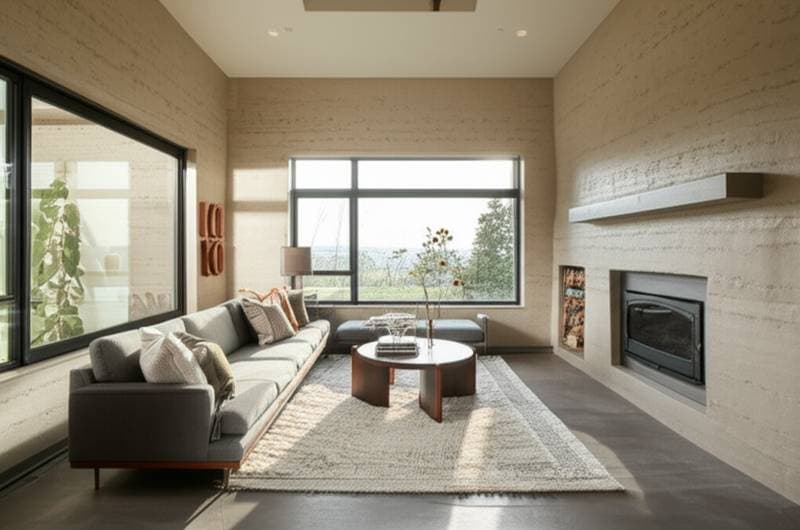
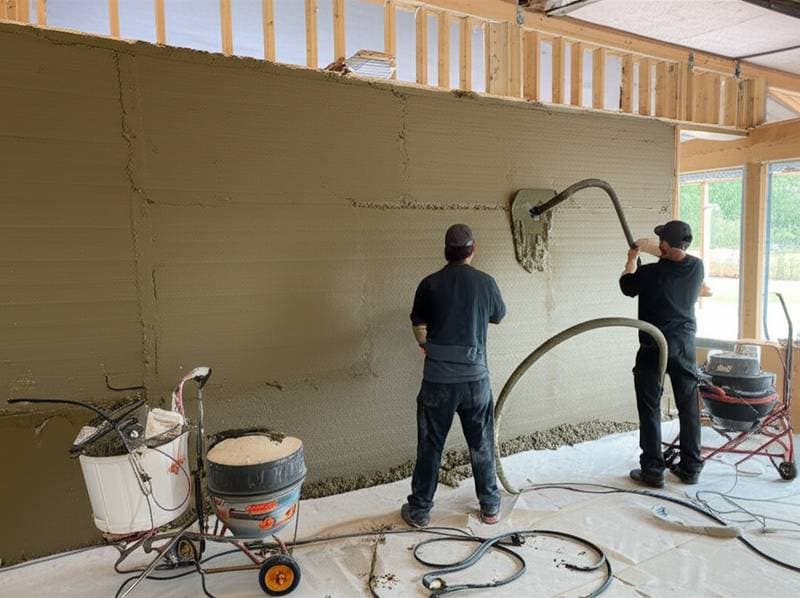
Hempcrete is reshaping green construction by absorbing 110kg of CO2 per cubic meter while providing non-toxic, mold-resistant walls that cut energy costs by up to 50%. Though initial costs are higher, long-term savings and environmental benefits make it a smart choice. Learn how hempcrete stacks up against traditional materials and why it is ideal for eco-friendly homes.
Energy-harvesting floors convert footsteps into electricity, offering a sustainable way to power your home. Perfect for high-traffic areas, they complement solar and storage systems. Though initial costs are higher, long-term savings and eco-benefits make them a smart choice for green living.
Moss roofing, the standout eco-trend of 2025, reduces energy bills by 10-30% through natural insulation while boosting curb appeal. This sustainable solution extends roof life, enhances resale value, and supports cleaner air. Explore its benefits, costs, and practical installation tips to transform your home into an energy-efficient haven.
3D-printed earth homes offer a game-changing approach to sustainable housing, costing up to 40% less than traditional builds. With lower energy bills, high durability, and unique designs, they blend affordability and eco-consciousness. Explore how this trend could shape the future of living in 2025 and beyond.
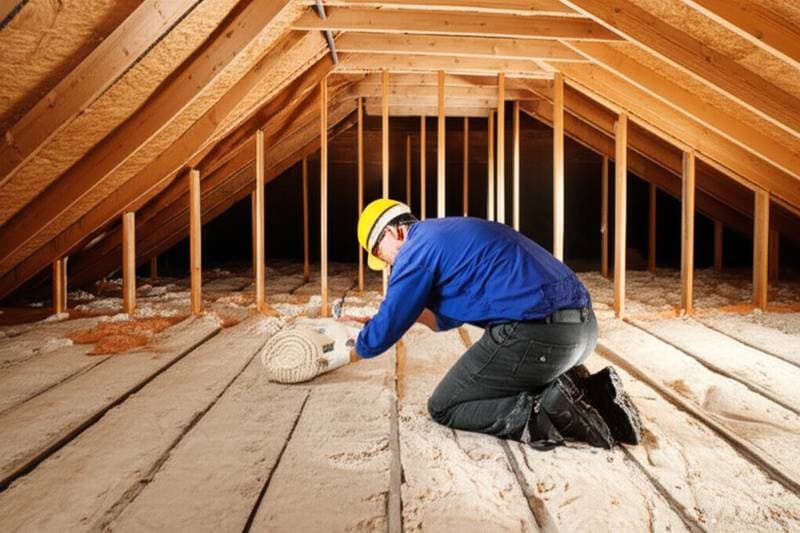
Phase-change materials (PCMs) offer smarter home comfort by absorbing and releasing heat to stabilize indoor temperatures, cutting reliance on air conditioning. Suitable for new builds or retrofits, they enhance efficiency, sustainability, and resilience. With potential energy savings up to 30%, PCMs deliver comfort, lower costs, and long-term value.
Bamboo flooring leads the way for sustainable homes in 2025, blending style, durability, and eco-friendly advantages at a budget-friendly price. Learn about different types, cost breakdowns, design versatility, and maintenance tips to enhance your space and home value with this renewable option.
Phase change materials (PCMs) are revolutionizing home energy efficiency by stabilizing temperatures, cutting energy costs by up to 30 percent, and reducing HVAC reliance. Integrated into walls, ceilings, or floors, they offer comfort, sustainability, and savings with a payback period of 5 to 10 years.
Reclaimed wood flooring emerges as a top eco-friendly trend for 2025, offering sustainability, durability, and unique style. While initial costs are higher, the increase in resale value, long lifespan, and health benefits from low-VOC finishes make it a wise investment for homeowners seeking both beauty and practicality.
Micro wind turbines offer urban households a chance to reduce electricity bills by up to 30%. Compact vertical-axis designs fit rooftops, with payback periods of 7 to 12 years. Paired with solar, savings grow, though challenges like noise and zoning require planning.
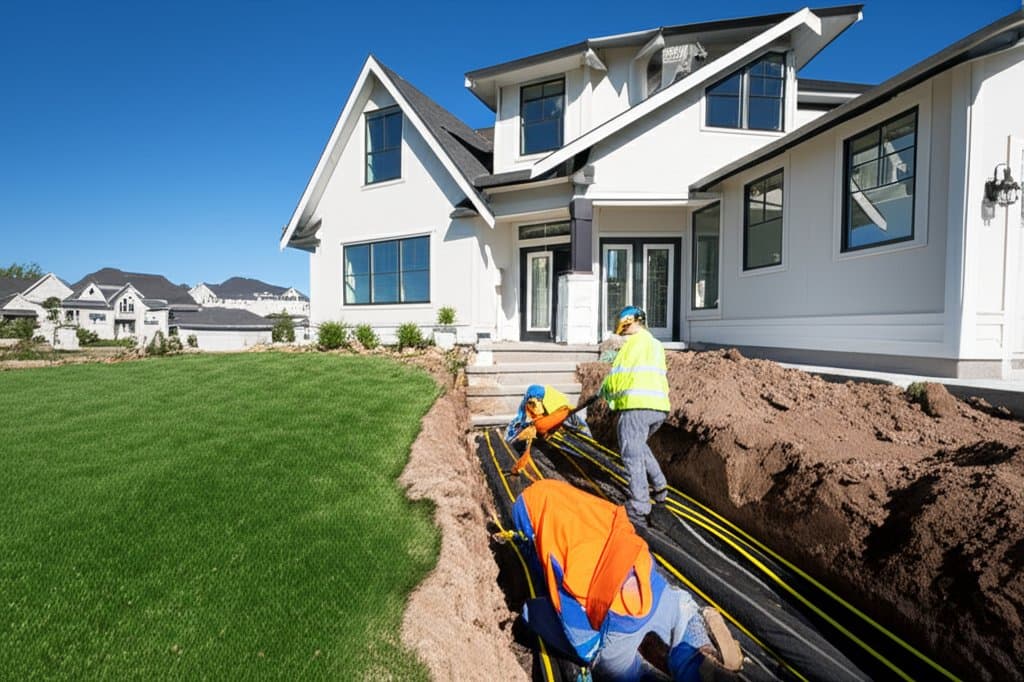
Geothermal cooling cuts energy costs by 40-70%, increases property value, and improves indoor air quality. With adaptable designs and incentives, this sustainable HVAC technology delivers consistent comfort and significant long-term savings for homeowners.
Phase-change windows could reduce energy costs by 20-40% by 2025 using adaptive materials that adjust to temperature without wiring or switches. Though initially costly, savings and incentives make them a smart investment for sustainable, comfortable homes.
Biochar is more than a soil booster—it’s a climate ally. This charcoal-like material enriches gardens, cuts fertilizer costs, improves water retention, and locks carbon underground for centuries. Affordable, practical, and impactful, biochar transforms backyards into climate solutions while enhancing plant health. Discover how small applications deliver lasting global benefits.
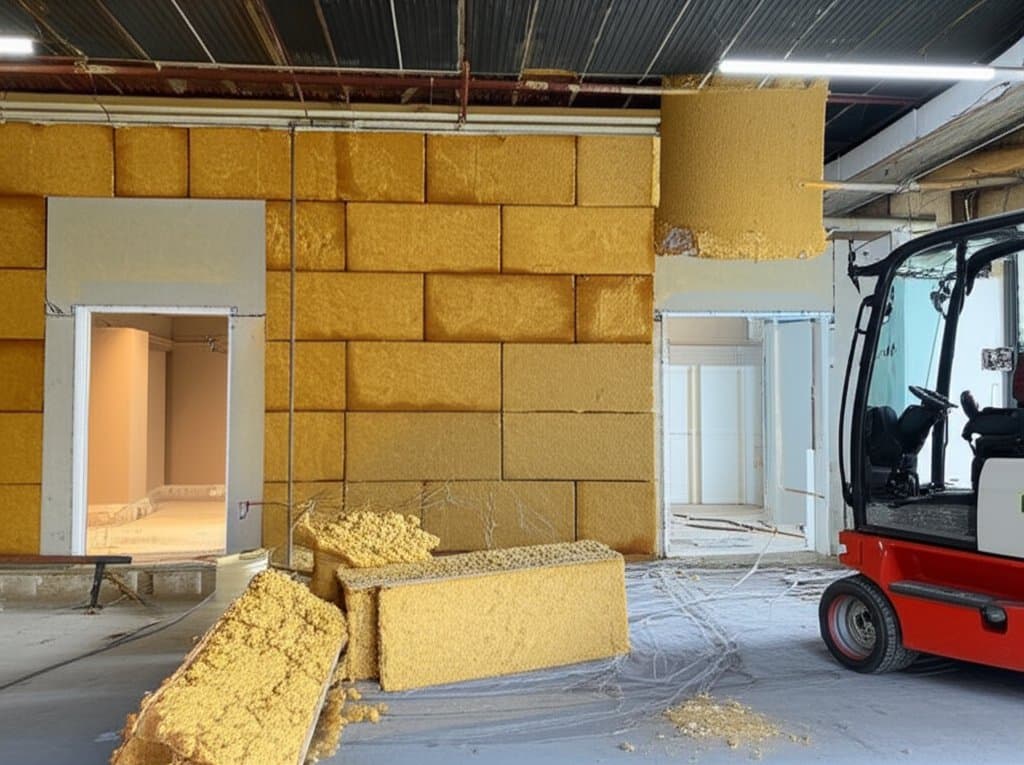
Mycelium insulation, crafted from mushroom roots, is transforming sustainable homebuilding in 2025. With impressive thermal efficiency, fire resistance, and biodegradability, it reduces energy bills while promoting healthier indoor air. Despite regional availability hurdles, its durability and eco-advantages make it a smart choice for homeowners seeking long-term value.
3D printed adobe homes fuse traditional building methods with advanced automation, delivering cost-effective, energy-efficient, and durable housing. These structures offer faster construction, lower utility costs, and healthier living spaces, making them a smart choice for sustainable living and long-term value.
Phase Change Materials (PCM) are transforming energy efficiency by storing and releasing heat to maintain stable indoor temperatures. With potential savings of 10-30% on heating and cooling costs, PCM integrates into walls, flooring, or HVAC systems. Offering payback in under seven years, it improves comfort, lowers emissions, and boosts long-term property value.
Algae facades revolutionize buildings by purifying air, reducing energy costs by up to 30 percent, and boosting property value. These living systems offer striking design and sustainability, paving the way for greener cities with healthier environments.
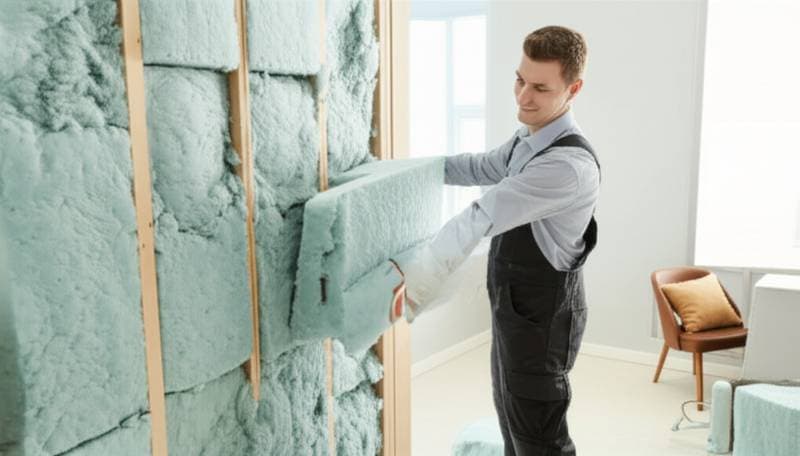
Passive House retrofits reduce energy costs by up to 90%, improve comfort, and boost property value. Discover how airtight insulation and smart ventilation can future-proof your home against rising costs and climate changes in 2025, with flexible phased upgrades and lasting health benefits.
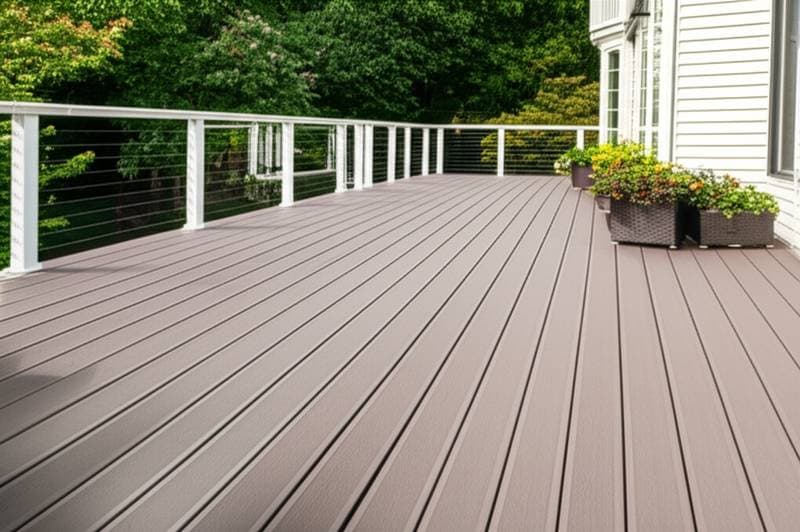
Recycled plastic decking is reshaping outdoor living in 2025, offering unmatched durability, low maintenance, and substantial environmental benefits. Though the upfront cost is higher, its longevity and sustainability make it a wise choice for eco-conscious homeowners seeking lasting value.