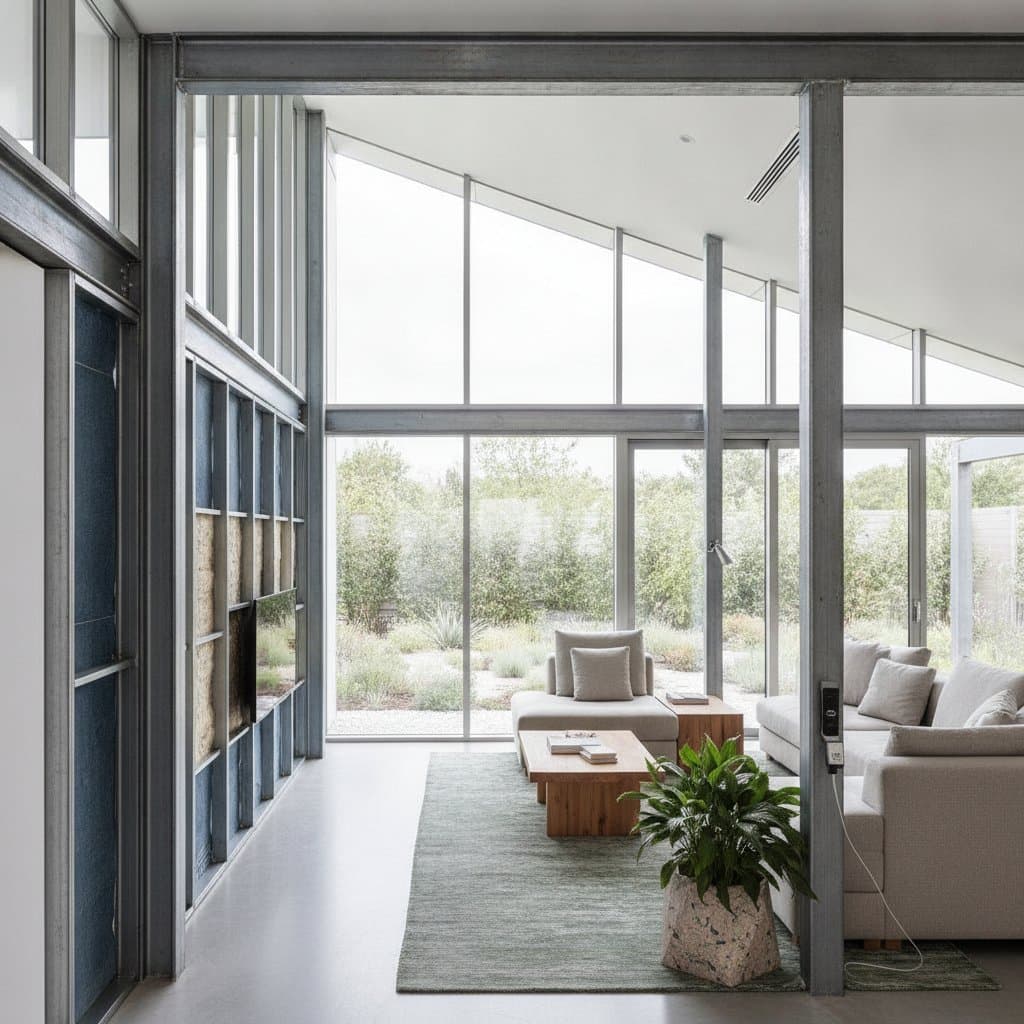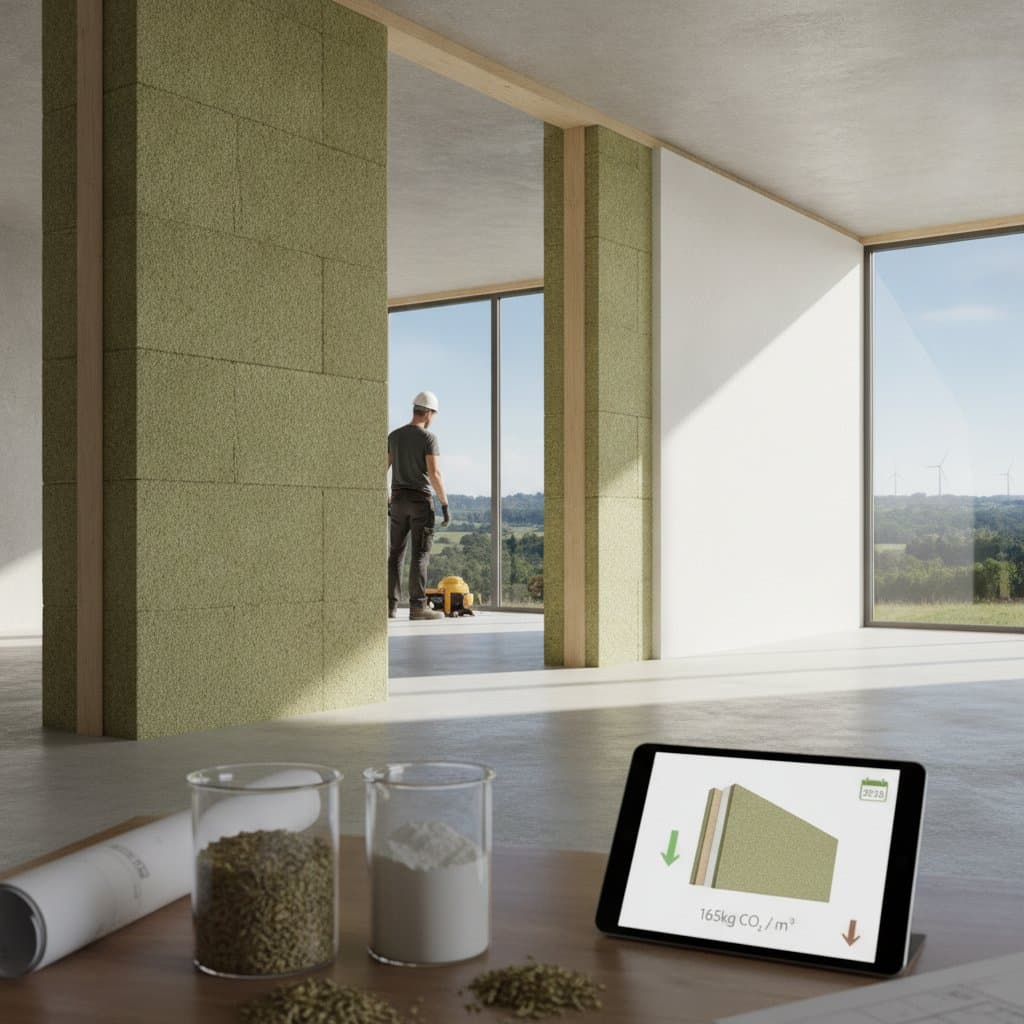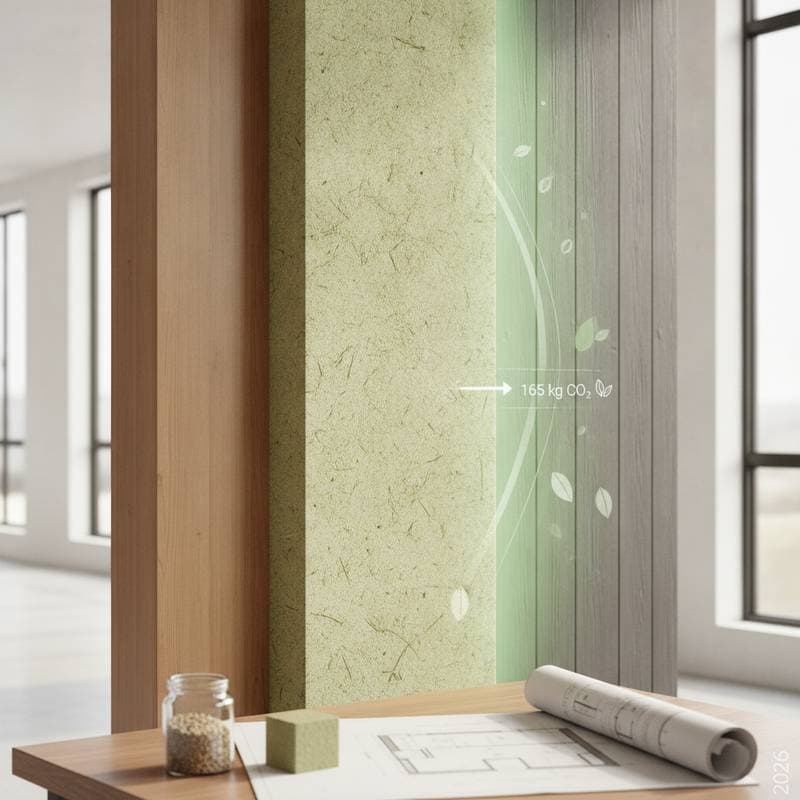
Hempcrete Sequesters 165kg CO₂ Per Cubic Meter
Hempcrete turns buildings into carbon sinks. This hemp and lime composite sequesters more CO2 than it emits, regulates indoor conditions, and offers long service life with full recyclability.
Loading...
Browse our complete collection of construction guides and articles, sorted by publication date.
Hempcrete turns buildings into carbon sinks. This hemp and lime composite sequesters more CO2 than it emits, regulates indoor conditions, and offers long service life with full recyclability.
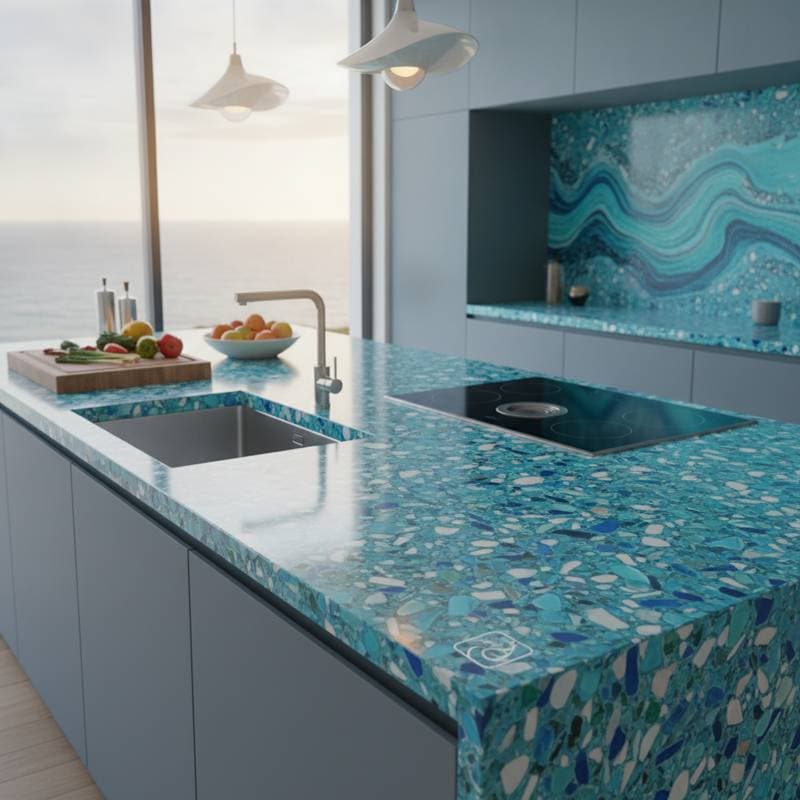
Recycled ocean plastic countertops are redefining sustainable design for 2026. They transform marine waste into durable, elegant surfaces that rival stone while reducing pollution and offering lasting value.
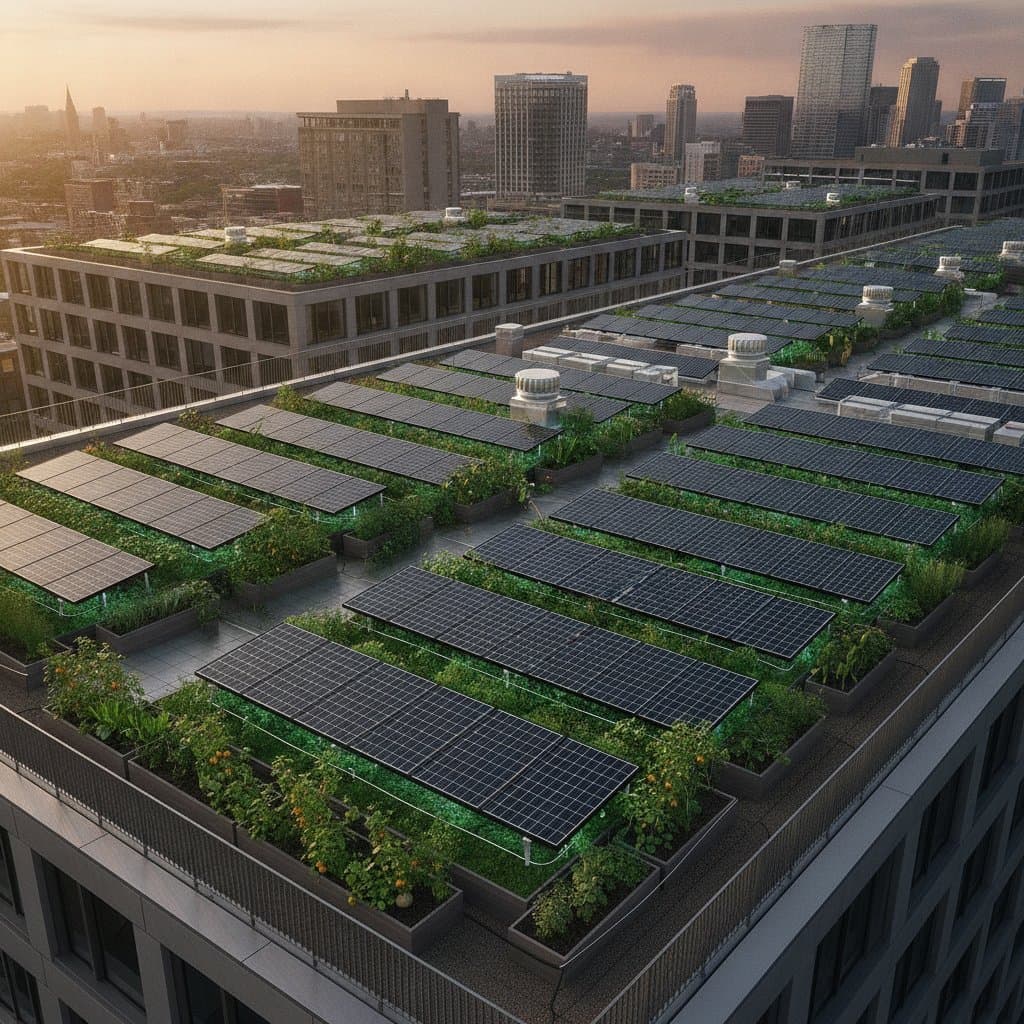
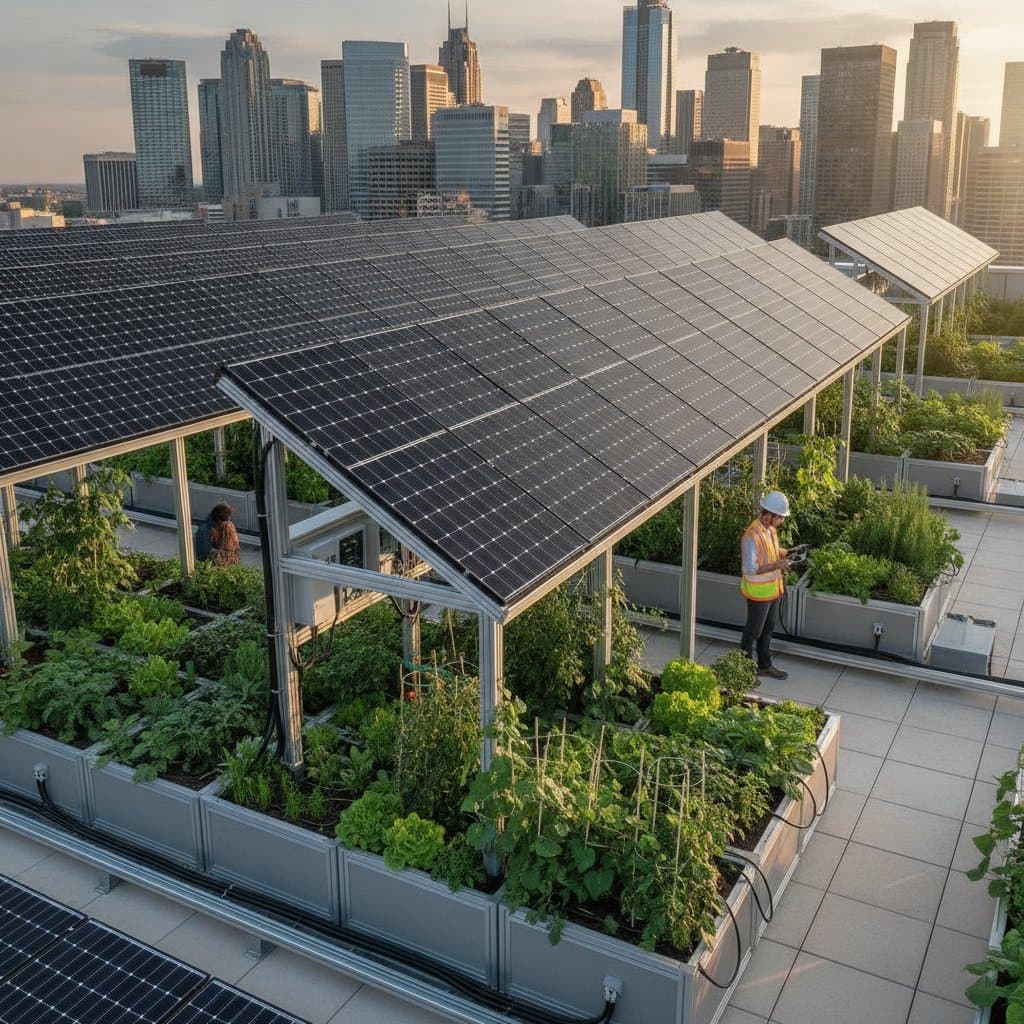
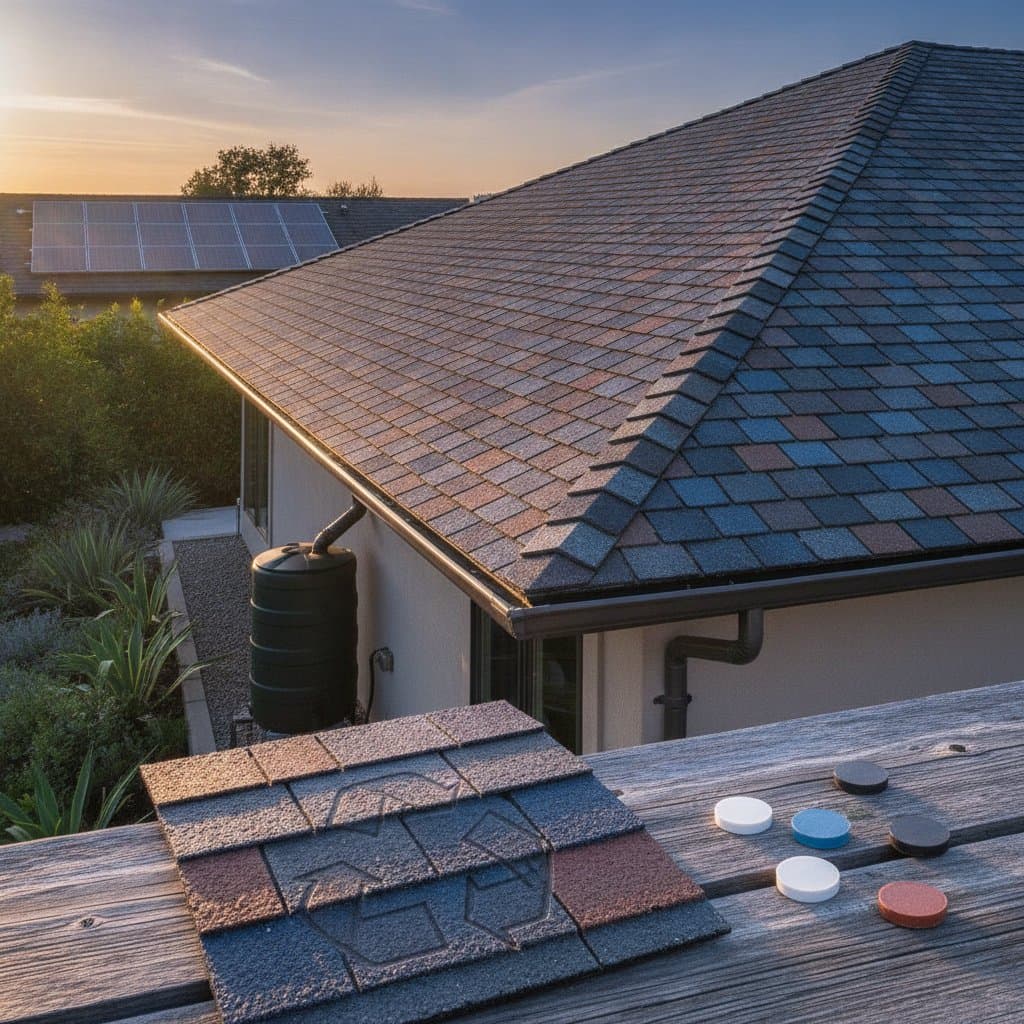
Agrivoltaic roofs merge solar generation with rooftop farming. They produce electricity, grow fresh produce, and reduce household energy expenses through integrated design that balances shade, moisture, and airflow.
Mycelium insulation redefines sustainable construction with biodegradable, fire-resistant performance grown from fungi. It delivers up to 25 percent energy savings and lower carbon emissions.
Transform your rooftop into a powerhouse of sustainability by combining solar panels with thriving gardens. Agrivoltaic rooftop systems cut energy costs, conserve water, and yield fresh produce in one integrated design. Smart layouts, crop choices, and available incentives turn unused roof space into a profitable urban asset.
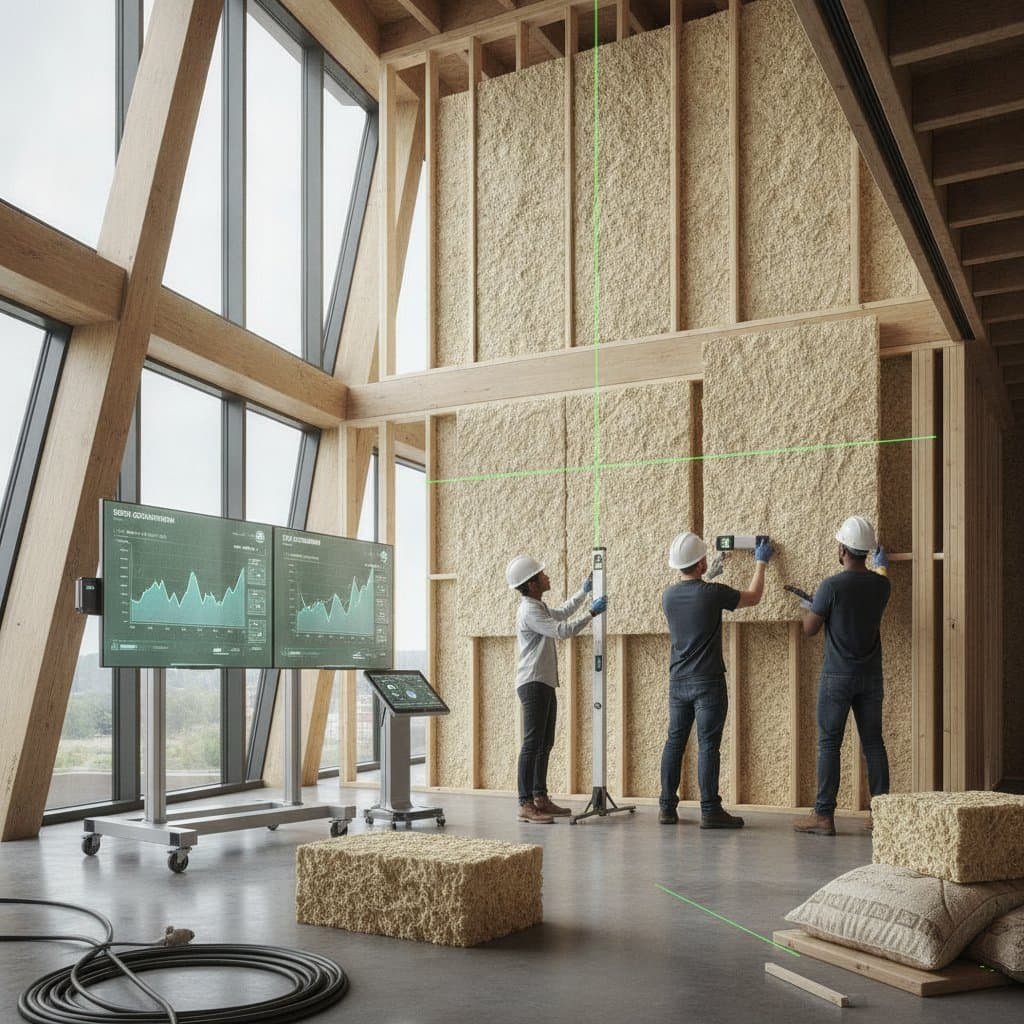
Hempcrete combines hemp hurds, lime, and water to create breathable walls that store carbon, reduce energy demand, and maintain steady indoor comfort when installed with proper curing and detailing.
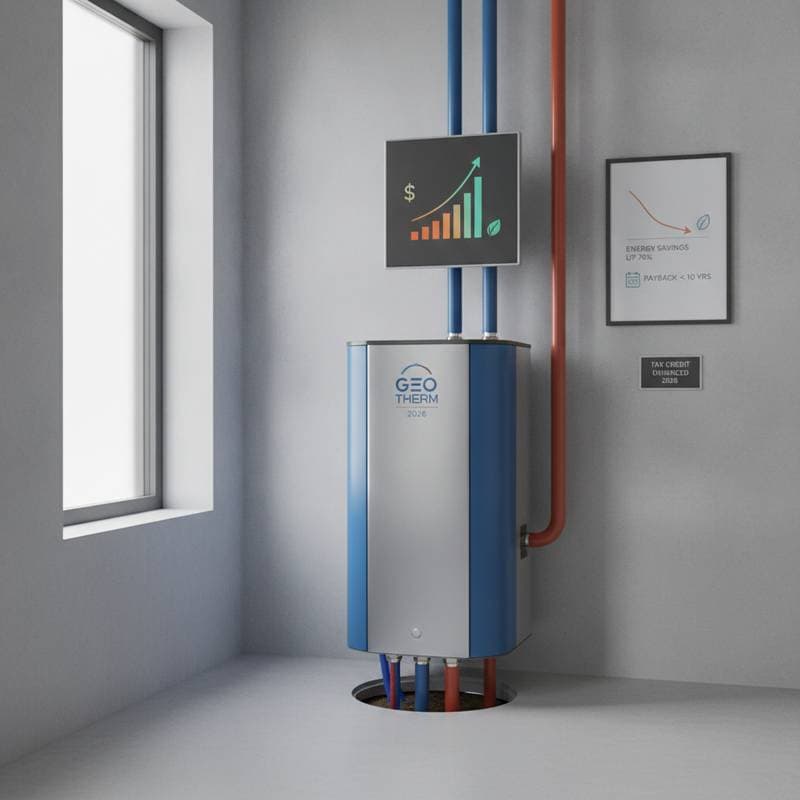
Federal tax credits now offset 30 percent of geothermal HVAC costs. Homeowners gain 40 to 70 percent lower energy bills, longer equipment life, and improved comfort with payback often reached in under ten years.
Recycled glass countertops redefine eco-luxury kitchens by blending sustainability, durability, and striking design. Made from upcycled glass, they cut landfill waste while offering unique beauty and long-lasting performance.
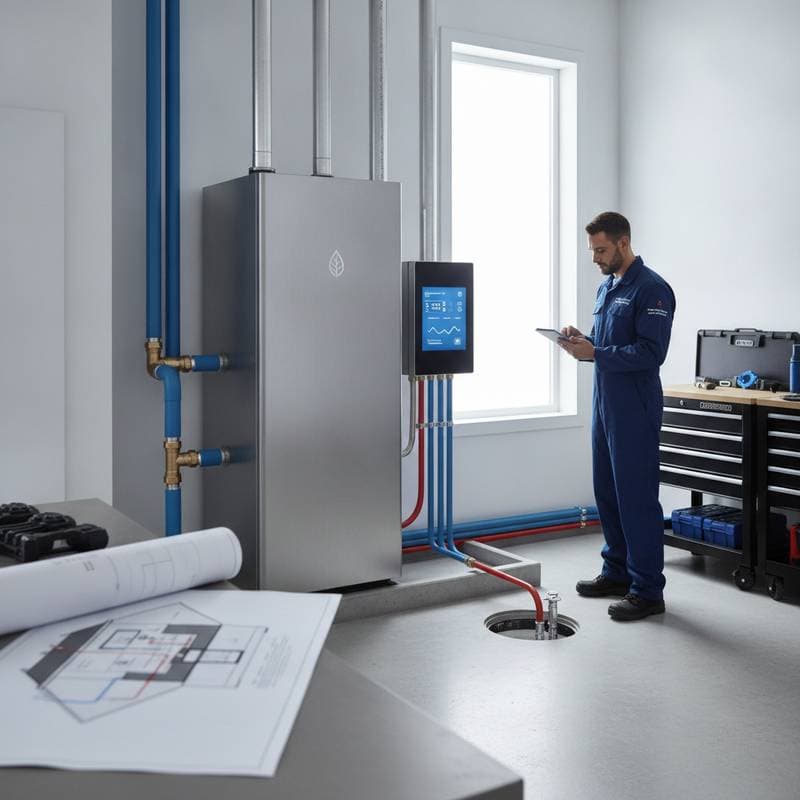
Geothermal systems combine advanced heat pumps, policy incentives, and site specific design to cut residential energy use. Homeowners gain lower bills, steady comfort, and reduced emissions with reliable long term performance.
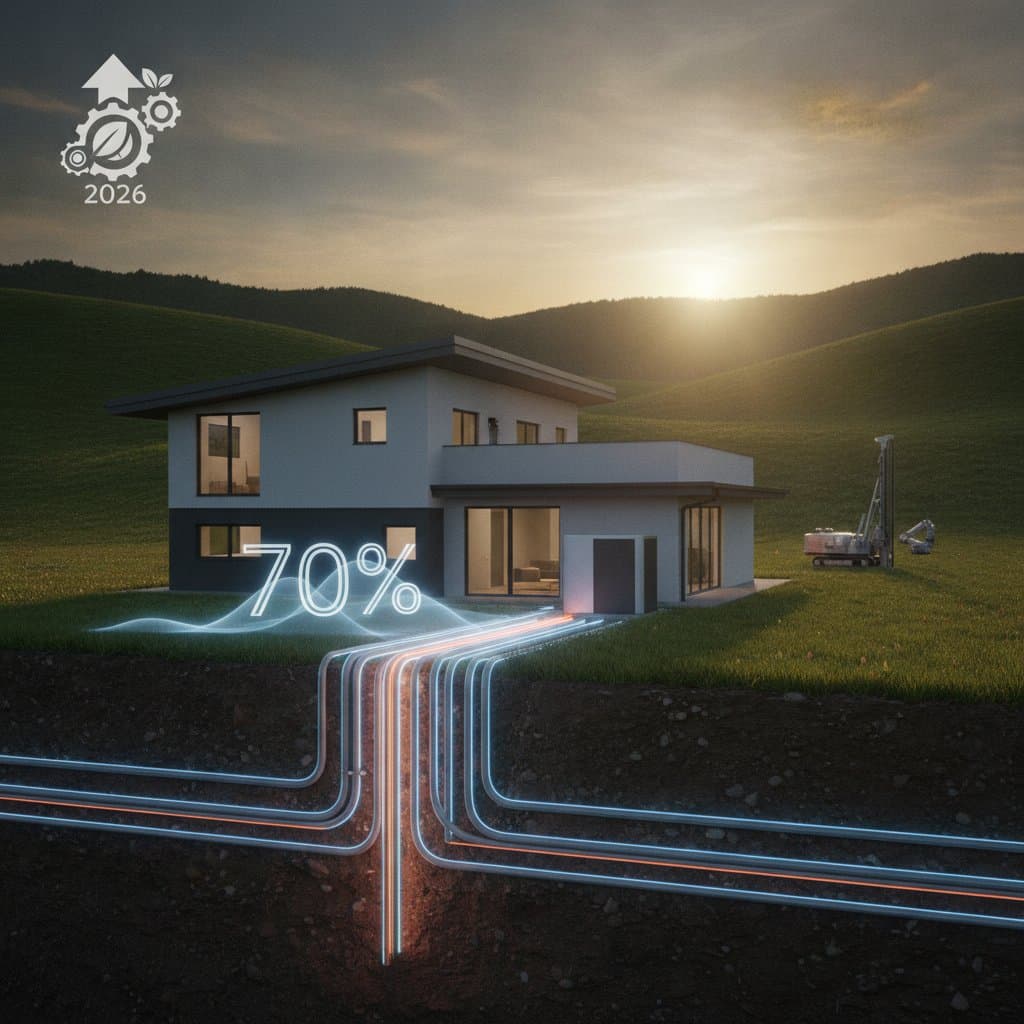
Geothermal heat pumps use stable underground temperatures to heat and cool homes with 40 to 70 percent lower energy use. Although initial costs run higher, the combination of reduced utility bills, low maintenance, and lower emissions creates lasting value for homeowners.
Beginning in 2026, updated geothermal HVAC technology promises up to 60 percent lower energy costs, simpler installation, and substantial carbon reductions for homeowners ready to adopt earth sourced comfort.
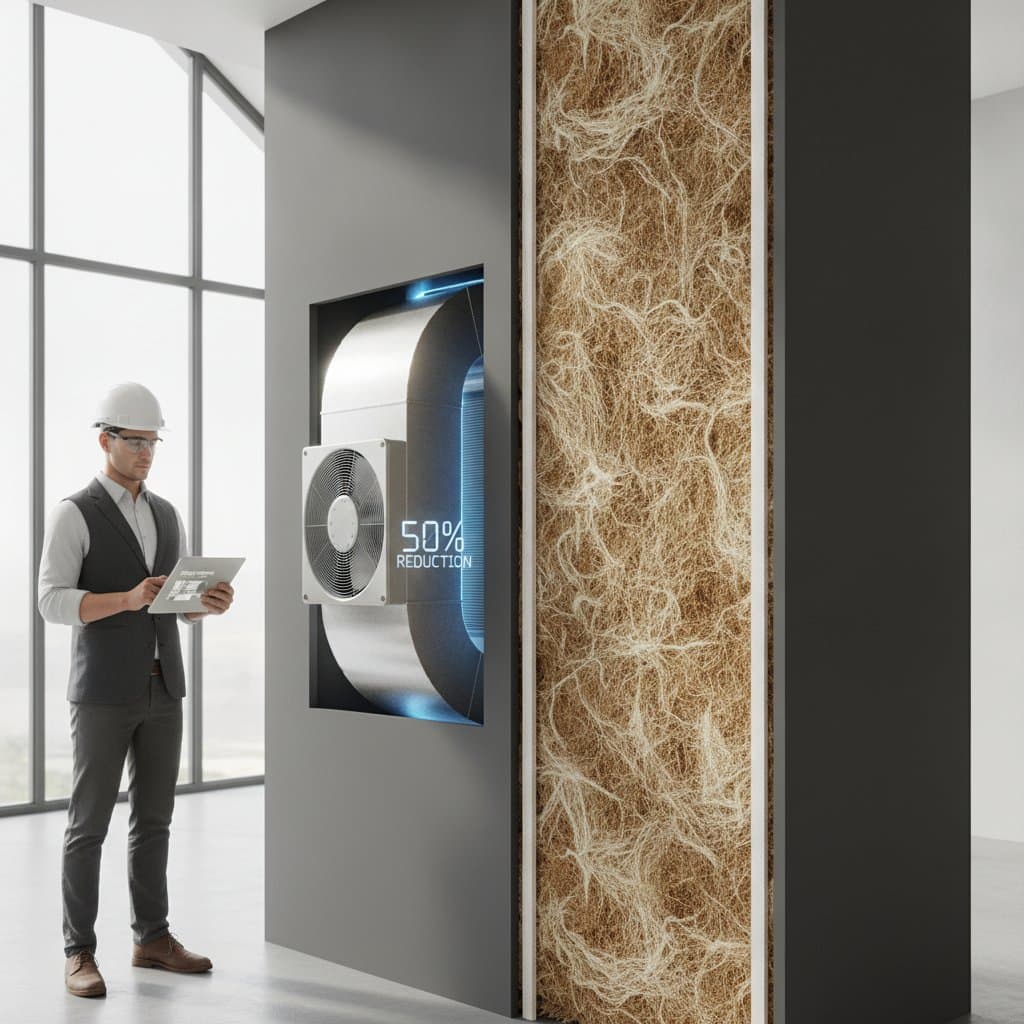
Thermal bridging can silently remove up to one quarter of a home heating energy through solid materials that bypass insulation.
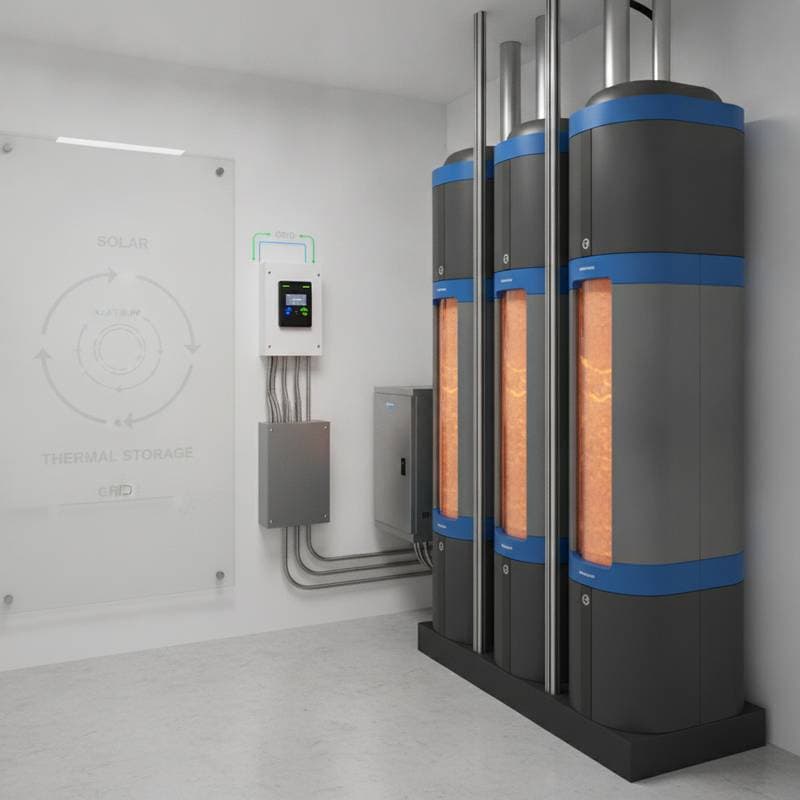
Grid-interactive water heaters store heat during low-cost periods and release it when prices rise. Homeowners cut water heating expenses by up to 60 percent, earn utility rebates, and support a more stable grid.
Record geothermal tax credits now offset up to 30 percent of installation costs. Homeowners and businesses gain shorter payback periods, lower energy bills, and reliable heating and cooling performance.
Hempcrete delivers carbon storing breathable insulation made from hemp, lime, and water. It improves comfort, cuts long term energy use, and supports net zero goals.
Federal incentives can offset up to 60 percent of geothermal HVAC costs. Explore energy savings, property value gains, installation steps, and financing choices that help homeowners lock in long term efficiency.
Mycelium insulation grows from fungi and agricultural waste to offer strong thermal performance, moisture regulation, and fire resistance. The material supports lower energy costs and composts safely at end of life.
Hempcrete provides breathable insulation that resists fire, stores carbon, and reduces energy needs by up to 40 percent while supporting healthier indoor environments.
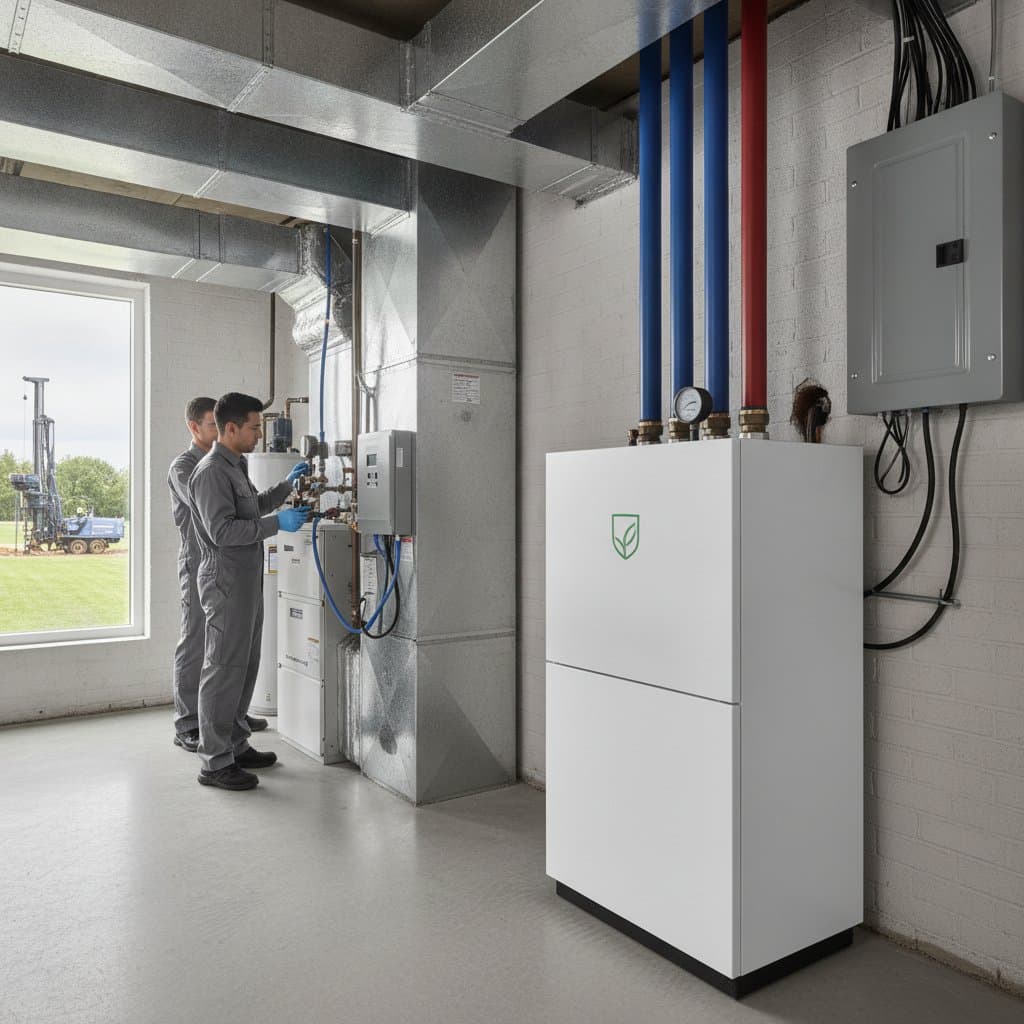
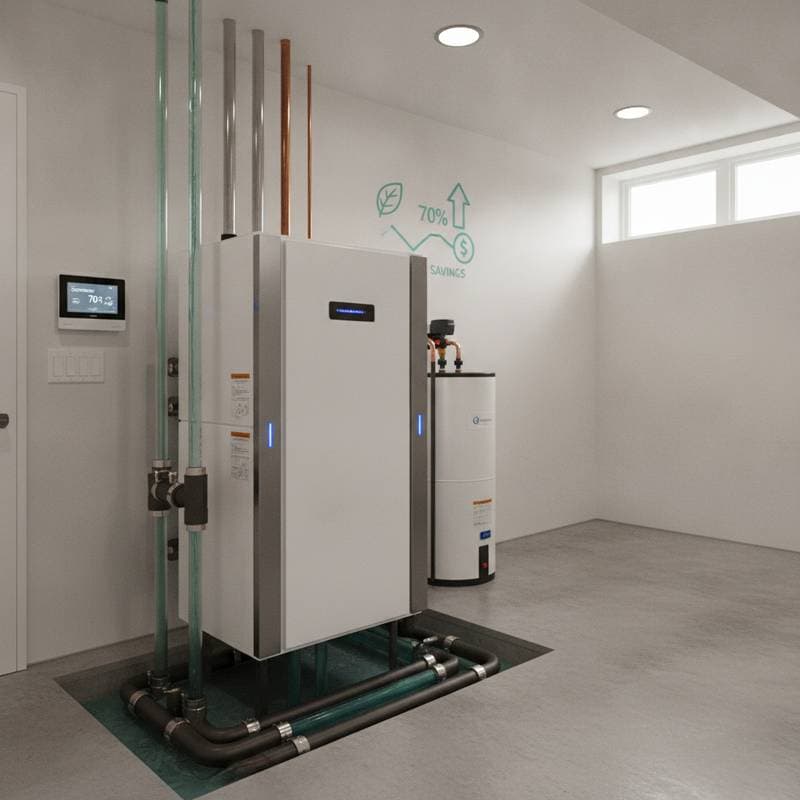
Geothermal HVAC systems tap into the earth steady temperature to deliver year round comfort while slashing energy bills by up to 60 percent. Though installation costs more upfront, long term savings, durability, and eco benefits make it a smart 2026 investment, especially when paired with incentives and renewable energy solutions.
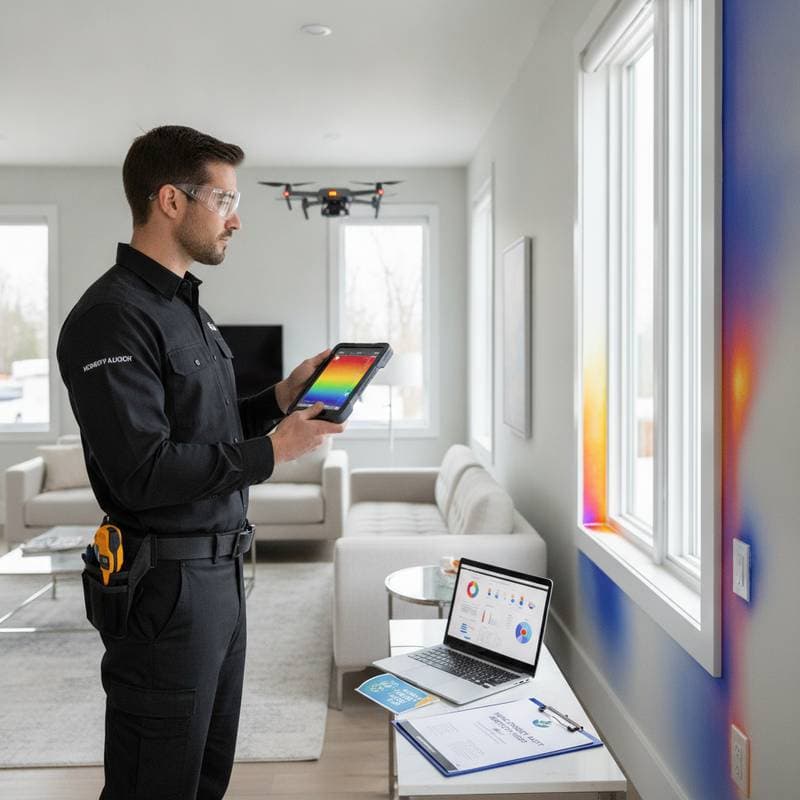
Thermal imaging audits convert invisible temperature patterns into clear maps that identify air leaks and insulation gaps. Homeowners gain a prioritized repair list that reduces energy use, improves comfort, and supports long-term property value.