2025 Gas Bans: Electrify Your Home for Substantial Energy Savings
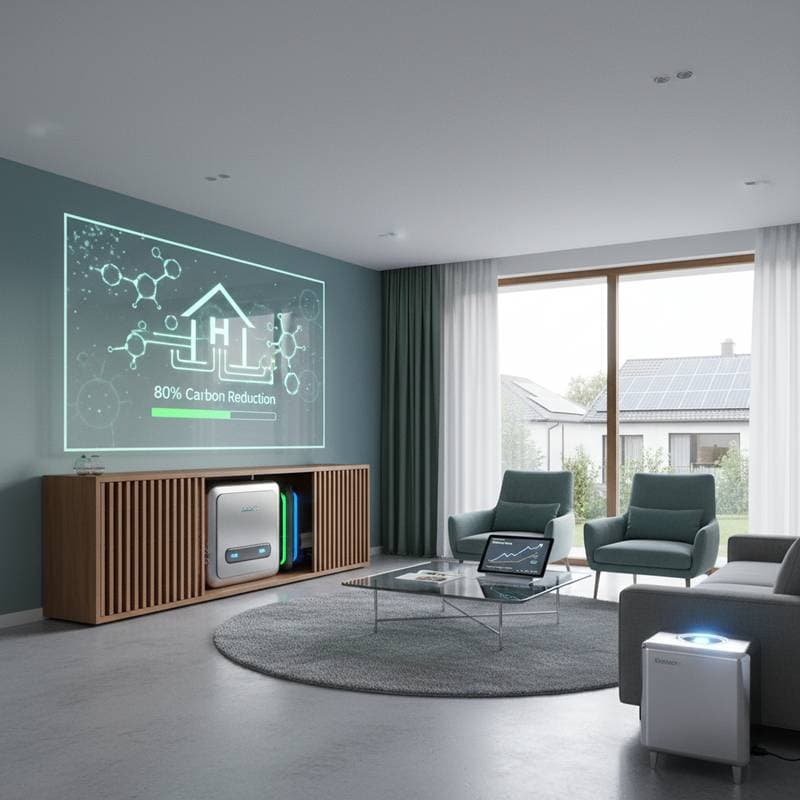
Local governments implement gas bans to promote cleaner energy, leaving many homeowners to consider the implications for gas stoves, furnaces, and water heaters. These policies restrict new gas connections, yet they present a pathway to lower energy costs and improved indoor air quality. Homeowners who adapt early position themselves for long-term financial and environmental gains.
Essential Insights on the Transition
- Electric appliances, when selected for high efficiency, lower household energy expenses by as much as 25 percent.
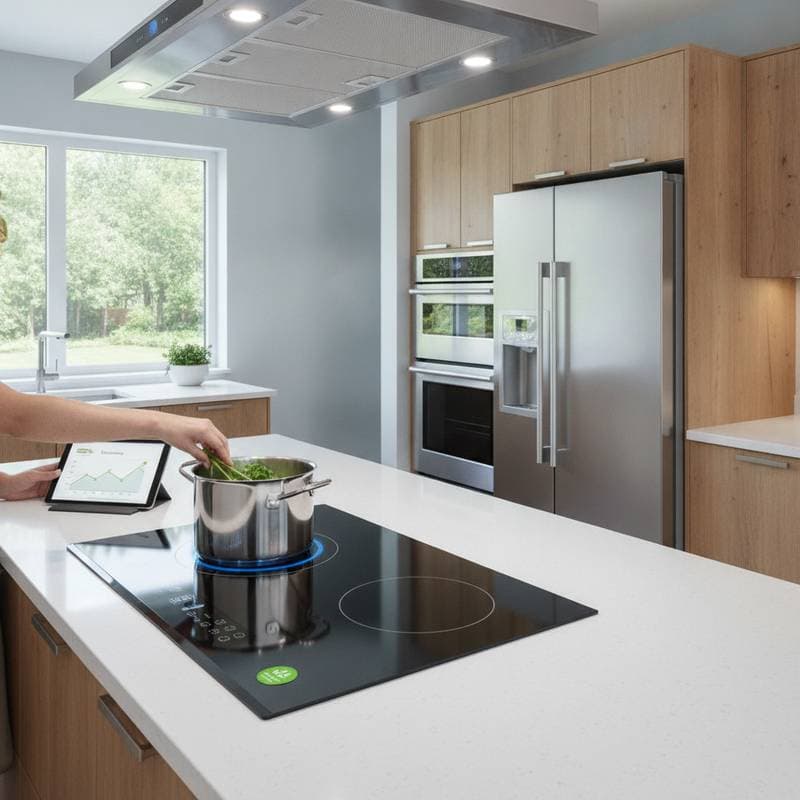
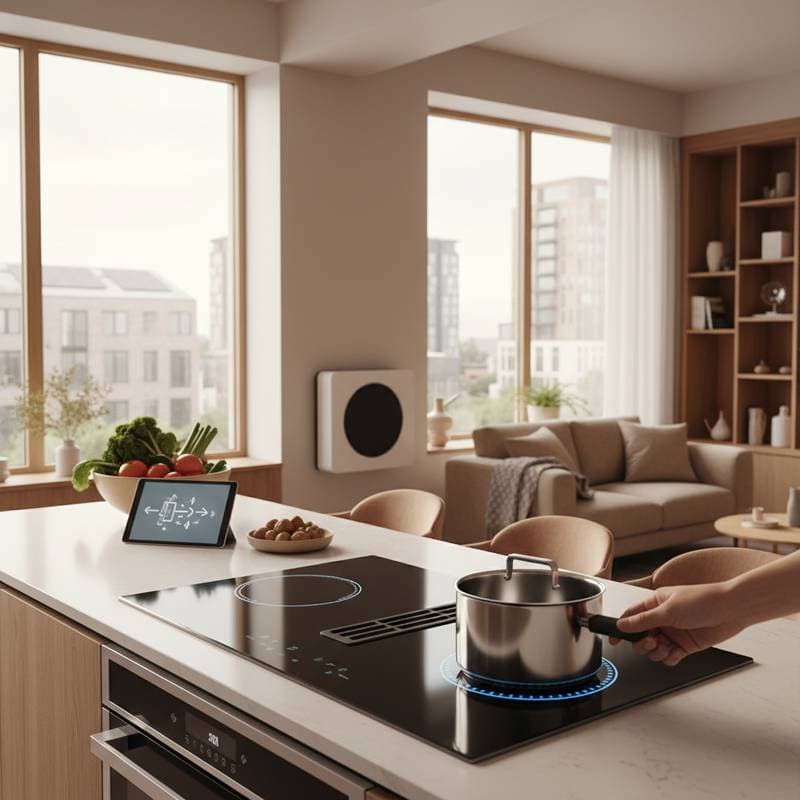
- Induction cooktops offer rapid heating with minimal indoor pollution compared to gas alternatives.
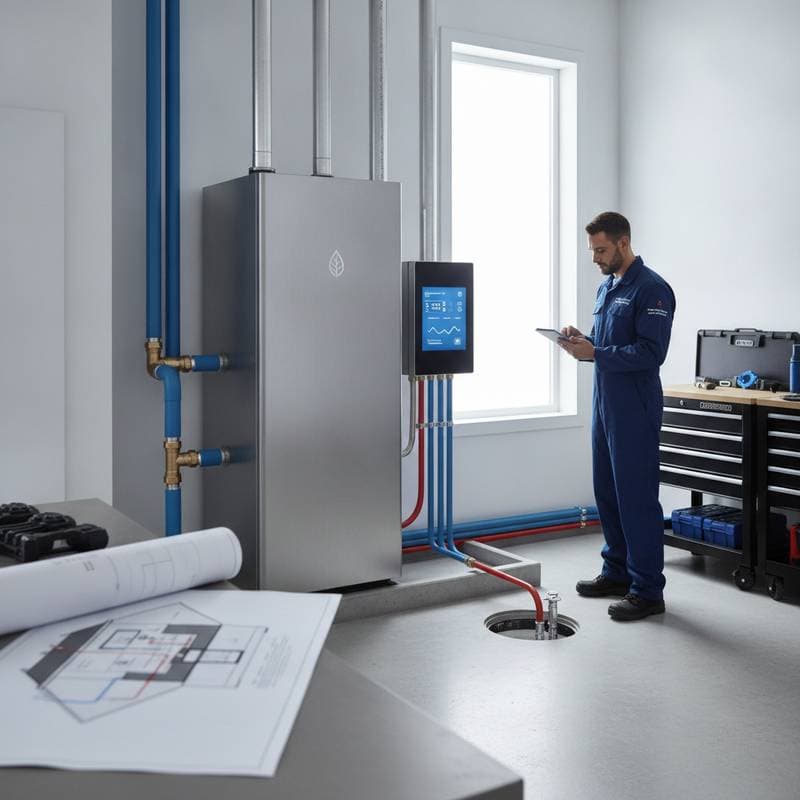
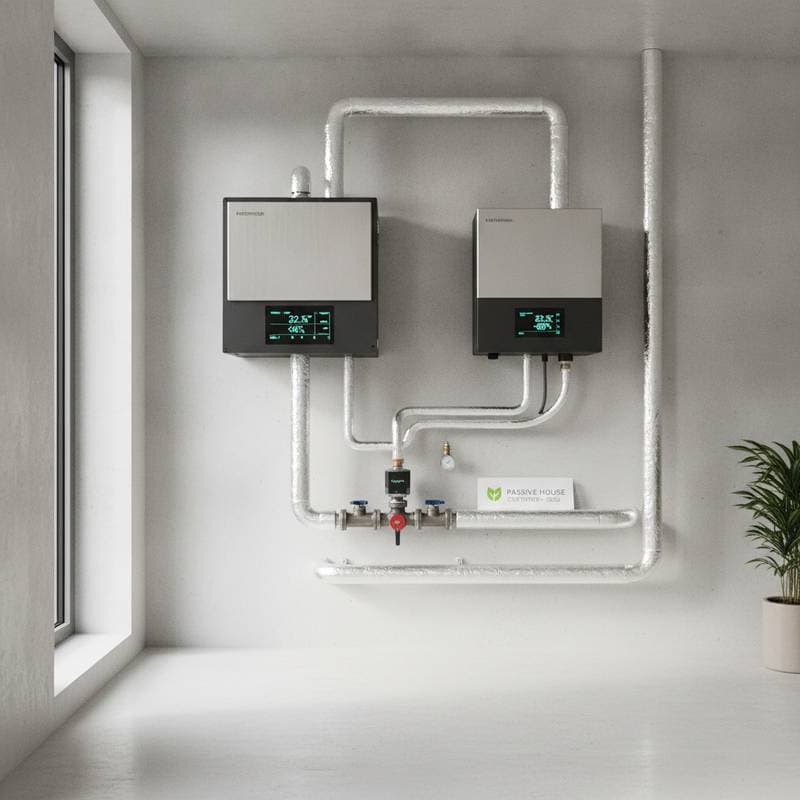
- Heat pumps deliver heating and cooling at approximately three times the efficiency of conventional furnaces.
- Rebates from utilities and federal tax credits cover a large share of upgrade expenses.
The Rise of Gas Bans and Their Rationale
Municipalities nationwide introduce gas infrastructure limits to reduce carbon emissions and enhance public health. Gas appliances emit nitrogen dioxide and similar pollutants that degrade indoor air. Research in environmental health indicates elevated levels of respiratory irritants in homes equipped with gas stoves.
Electrification eliminates on-site combustion, addressing these issues directly. Concurrently, the power grid shifts toward renewables, which now constitute a growing portion of energy production. As a result, electric appliances installed now grow more environmentally friendly with each passing year.
Analyzing Costs and Performance Metrics
The decision to convert from gas to electric involves both economic and ecological factors. Homeowners evaluate upfront investments against ongoing savings. The following table presents efficiency ratings and operational costs drawn from established energy analyses.
| Appliance Type | Typical Efficiency | Average Annual Operating Cost | Key Benefit |
|---|---|---|---|
| Gas Furnace | 78% | $1,200 | Dependable operation despite fuel costs |
| Electric Heat Pump | 300% | $600 | Dual heating and cooling functionality |
| Gas Stove | 40% | $400 | Fast ignition with notable emissions |
| Induction Cooktop | 85% | $250 | Accurate temperature management and safety |
Electric options often require greater initial outlay, but they yield reduced long-term expenses. For example, installing a heat pump typically decreases heating costs by 30 to 50 percent relative to gas furnaces, factoring in current utility rates.
Steps to Implement Electrification Effectively
A structured approach ensures the switch to electric appliances proceeds smoothly. Begin with a professional energy audit to pinpoint high-impact upgrades, such as replacing gas water heaters or stoves. These replacements generally range from $1,000 to $3,000, inclusive of installation, though costs vary by location and model.
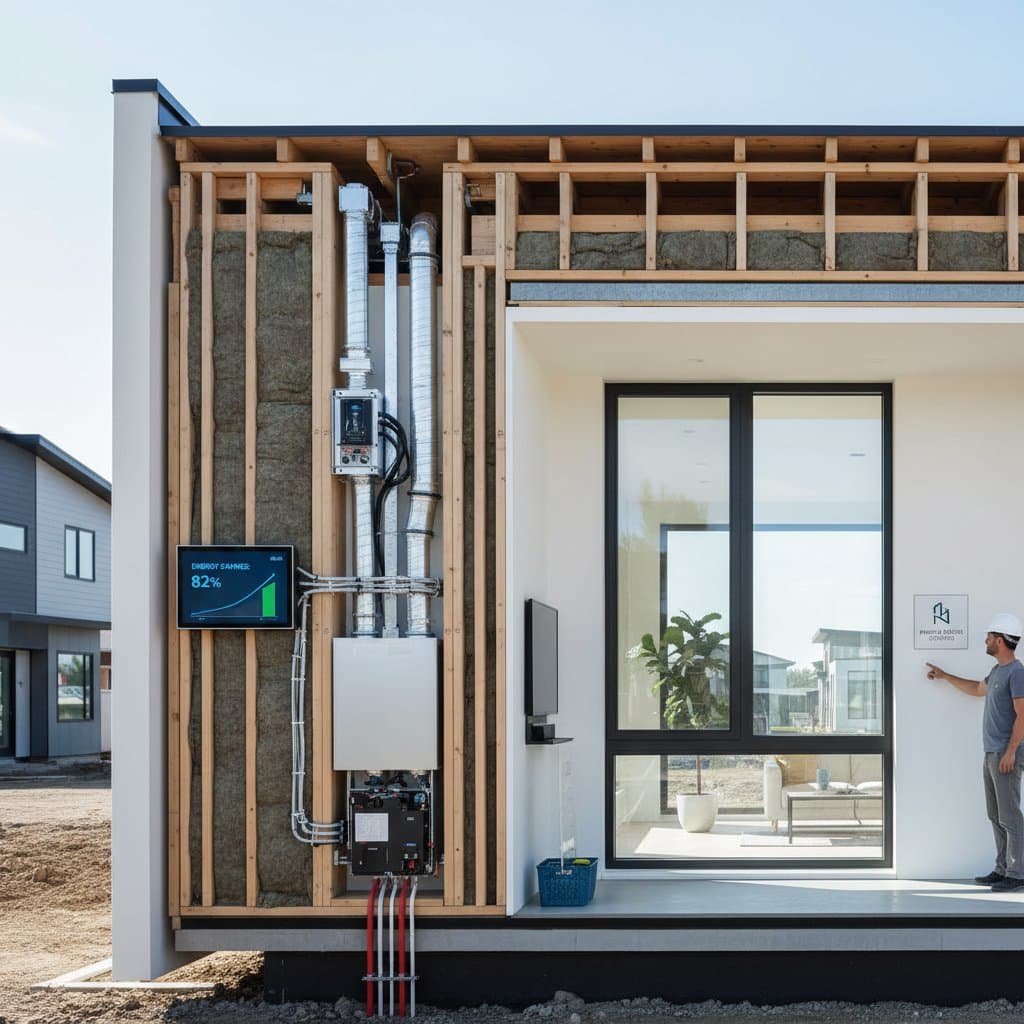
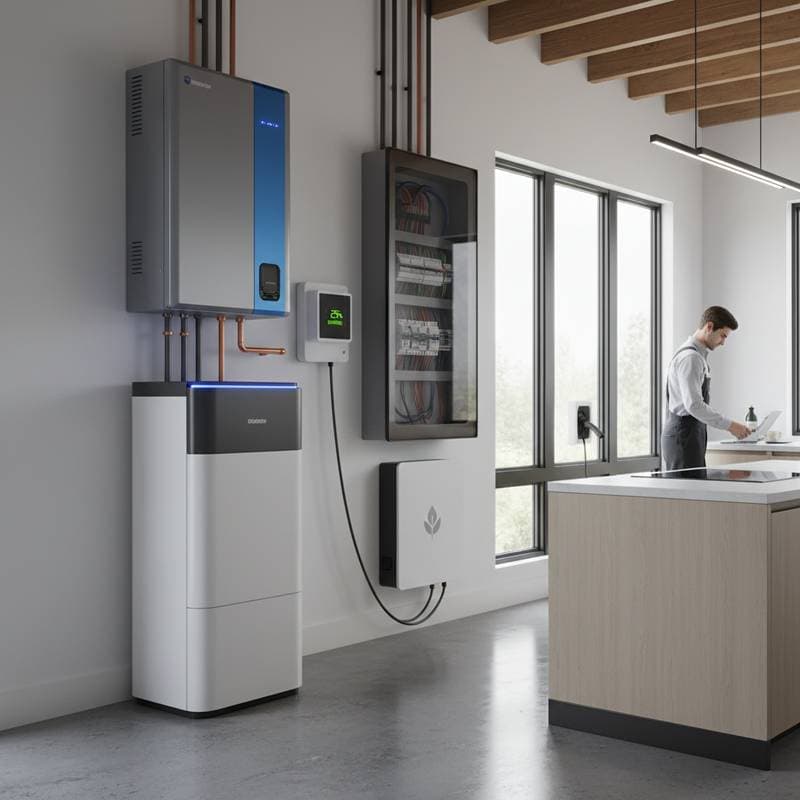
Utility providers commonly extend rebates that offset 20 to 50 percent of these expenditures. Assess your electrical panel; older units may necessitate an upgrade to at least 200 amps to accommodate increased demand. Such enhancements not only support electrification but also elevate home value and enable additions like electric vehicle chargers.
Daily Advantages of Electric Living
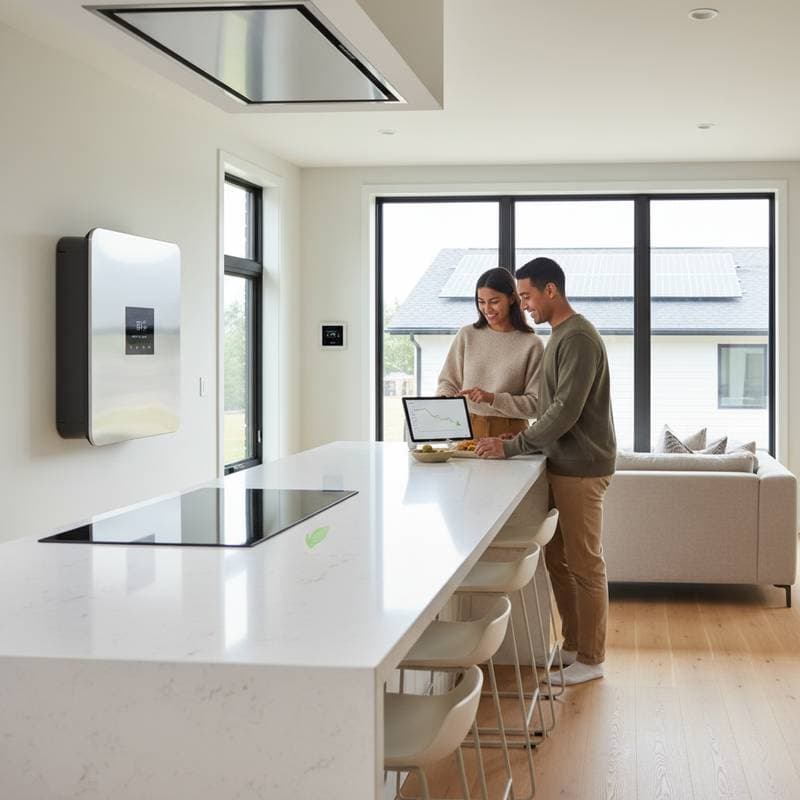
Homes powered by electricity offer tangible improvements in comfort and convenience. Induction cooktops concentrate heat on cookware, maintaining cooler kitchen environments. Heat pumps regulate temperatures evenly throughout the year, avoiding the dryness associated with gas heating.
Residents report quieter operation and the absence of combustion smells. For households with young children or individuals sensitive to allergens, the transition yields noticeable health benefits through purer air. Reduced maintenance demands and enhanced safety features further elevate the quality of daily life.
Building a Resilient Energy System
Electrifying a home aligns with emerging energy trends beyond mere regulatory compliance. Enhanced grid reliability and expanded renewable sources promise escalating efficiency for electric systems. Prioritize conversions in energy-intensive areas, including heating, hot water, and cooking appliances.
Subsequent phases might incorporate electric dryers or whole-home battery storage. This progressive strategy secures ongoing savings, bolsters energy independence, and contributes to broader sustainability efforts. Homeowners who act now reap compounded rewards as technology advances.