Introduction to All-Electric Living
Gas bans gain momentum across regions by 2025, prompting a fundamental shift in residential energy use. These policies encourage homeowners to adopt all-electric systems, which replace gas appliances with electric alternatives. This transition promises not only environmental benefits but also tangible improvements in daily living.
All-electric homes integrate technologies like heat pumps for heating and cooling, induction cooktops for meal preparation, and electric water heaters. Such setups eliminate the need for gas lines, reducing reliance on fossil fuels. Homeowners discover enhanced reliability and performance that traditional gas systems often lack.
The appeal lies in combining cost savings with elevated comfort levels. Initial investments yield long-term returns through lower utility bills and maintenance needs. As technology advances, these homes position residents at the forefront of sustainable innovation.
Cost Advantages of All-Electric Systems
One primary benefit of all-electric homes involves substantial reductions in operational expenses. Electricity rates typically remain more stable than fluctuating natural gas prices, which respond to global market volatility. Over time, this stability translates to predictable monthly bills.
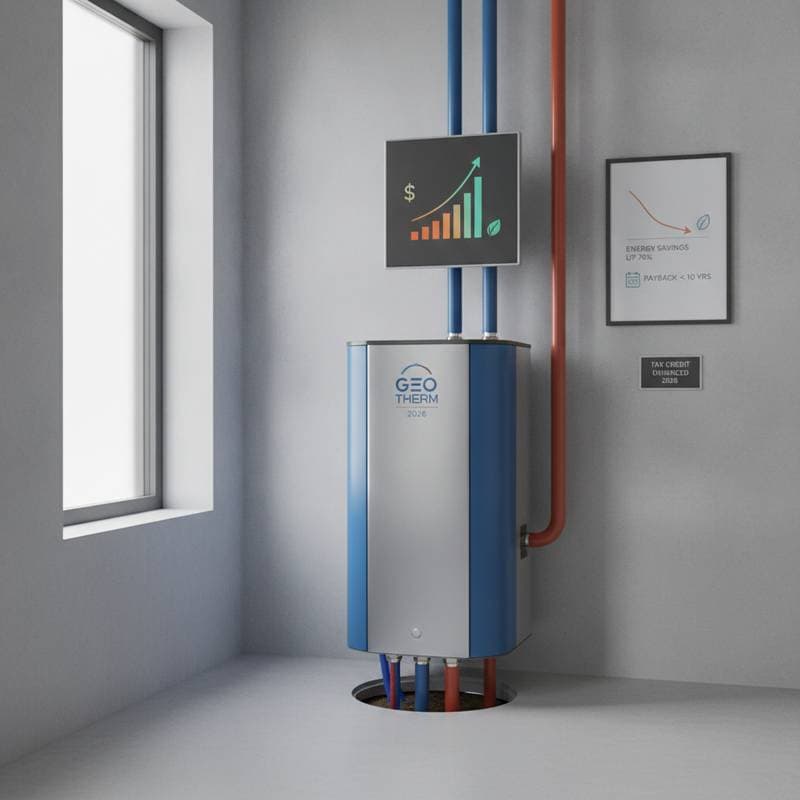
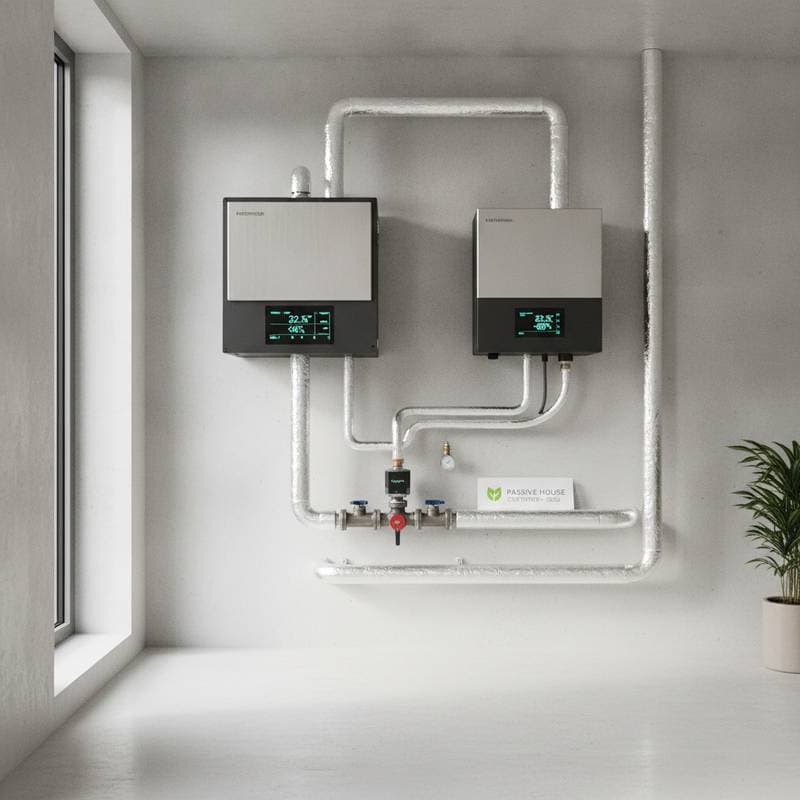
Heat pumps exemplify efficiency gains. These devices transfer heat rather than generate it, achieving up to three times the efficiency of gas furnaces. A typical household might save hundreds of dollars annually on heating costs alone. Similar efficiencies apply to cooling, where heat pumps outperform older air conditioning units paired with gas backups.
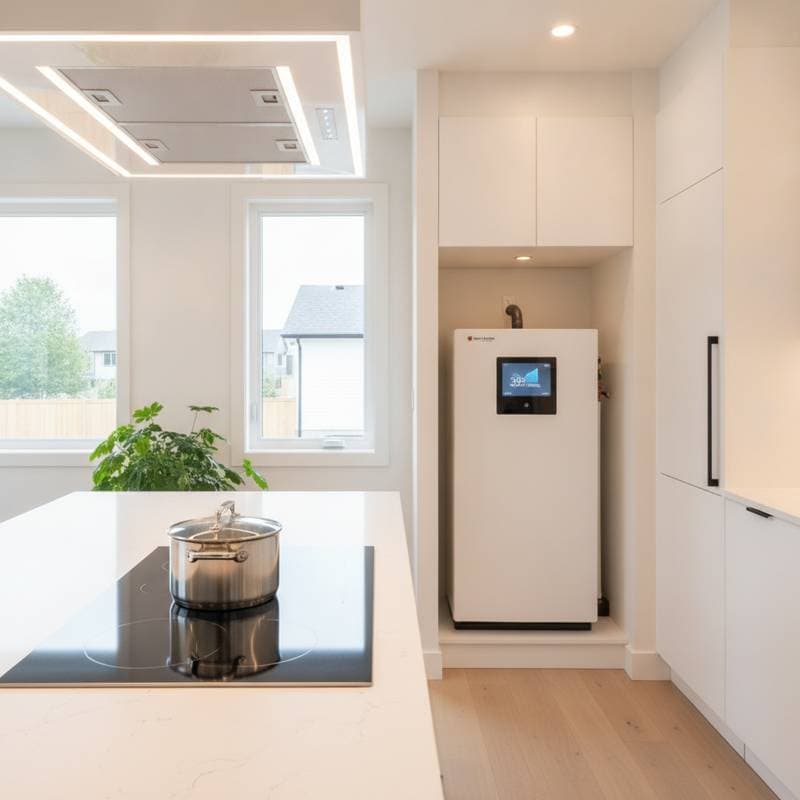
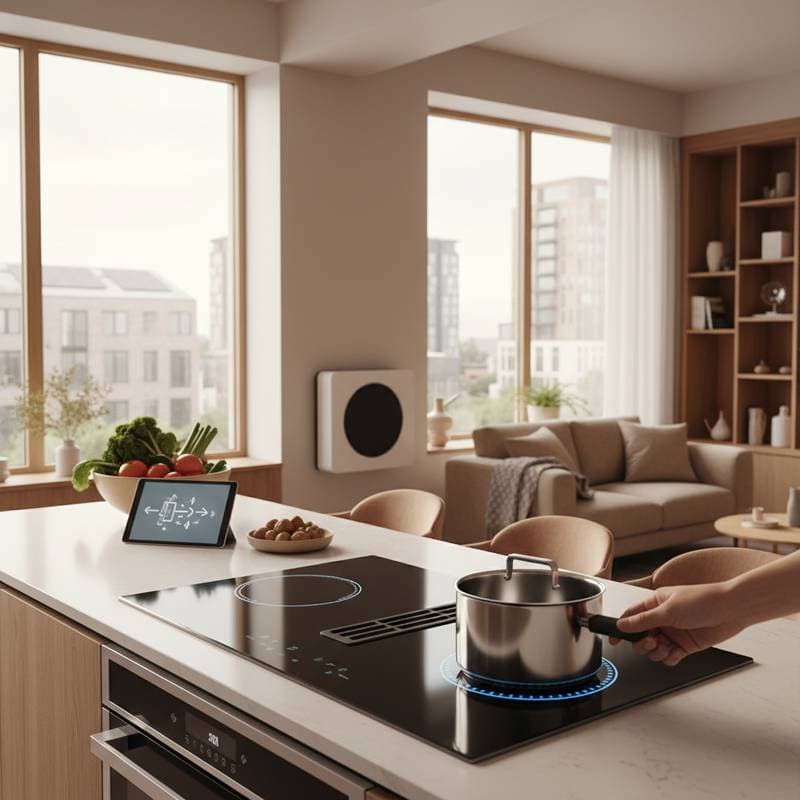
Induction cooking further lowers energy use. Unlike gas stoves, which lose heat to the surrounding air, induction cooktops heat cookware directly through electromagnetic fields. This precision results in faster cooking times and up to 10 percent less energy consumption compared to gas counterparts. Water heating follows suit, with electric heat pump models delivering hot water at a fraction of the cost of gas tanks.
Incentives amplify these savings. Federal rebates, such as those under recent energy acts, cover up to 30 percent of upgrade costs for qualifying equipment. Local utilities often provide additional credits, making the upfront investment more manageable. A complete electrification project, once daunting, now aligns with budgets for many families.
Maintenance costs also decline. Electric appliances feature fewer moving parts than gas systems, which require regular inspections for leaks and venting issues. Professional servicing becomes less frequent, preserving household funds over the years.
Comfort Enhancements in All-Electric Homes
Beyond finances, all-electric setups elevate everyday comfort through advanced performance features. Heat pumps maintain consistent indoor temperatures with quiet operation, avoiding the drafts and noise associated with gas combustion. Zoned controls allow customization for different rooms, ensuring personalized comfort throughout the home.
Air quality improves markedly without gas combustion byproducts like nitrogen oxides and carbon monoxide. These pollutants contribute to respiratory issues and require costly ventilation systems in gas homes. All-electric environments foster healthier living spaces, particularly beneficial for families with children or elderly members.
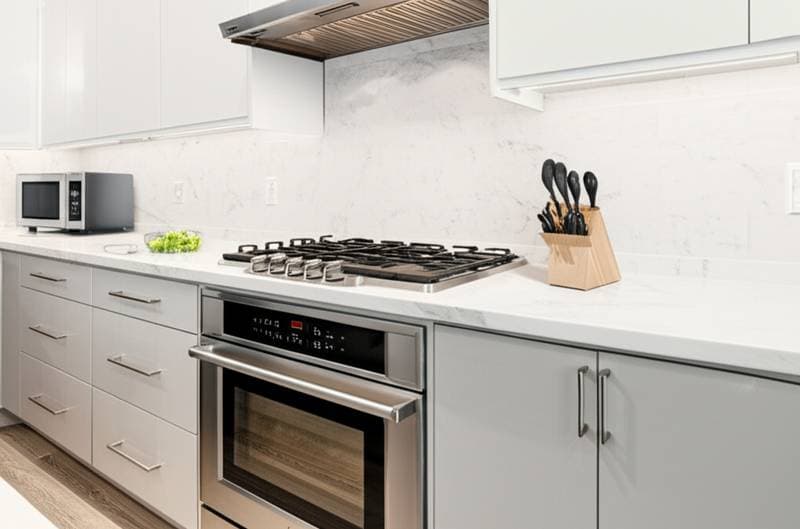
Kitchen experiences transform with induction cooking. Cooks gain precise temperature control, preventing overcooking or uneven heating common in gas flames. Surfaces remain cool to the touch, enhancing safety and ease of cleaning. Electric ovens integrate seamlessly, offering convection and smart features for effortless baking.
Water heating delivers on-demand hot water without the wait times of gas systems during peak usage. Heat pump water heaters operate efficiently even in moderate climates, providing ample supply for showers and laundry. This reliability ensures comfort during morning routines or evening gatherings.
Resilience adds another layer of appeal. All-electric homes withstand power fluctuations better when paired with backup batteries or solar panels. Gas supply disruptions, as seen in past storms, become irrelevant, maintaining essential functions during outages.
Steps to Transition to an All-Electric Home
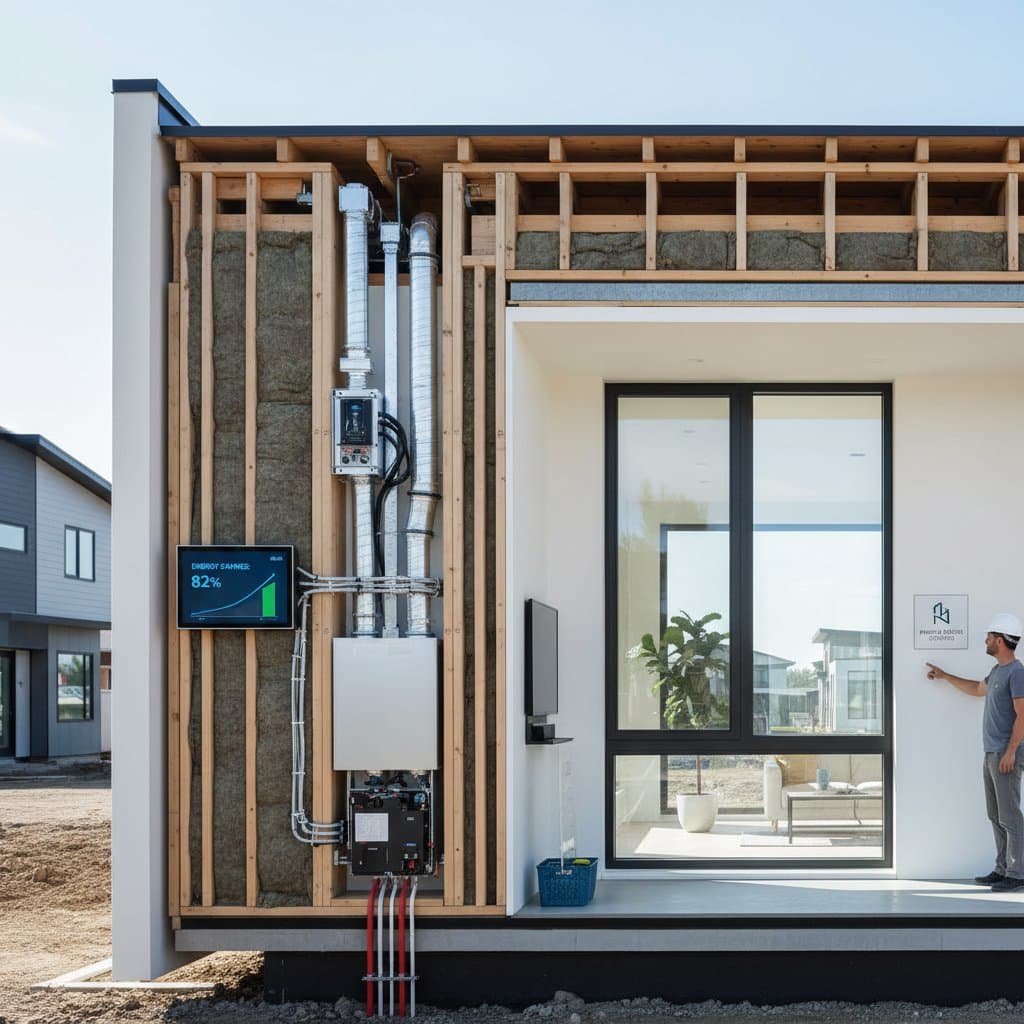
Homeowners ready to electrify begin with an energy audit to assess current usage and identify high-impact upgrades. Professionals evaluate electrical panel capacity, often recommending upgrades to handle increased loads safely. This foundational step prevents future issues and optimizes system design.
Prioritize appliances based on usage patterns. Replace gas stoves with induction models first, as they offer immediate efficiency gains in daily cooking. Follow with heating and cooling systems, where heat pumps provide the largest returns. Water heaters round out the core transitions, completing the all-electric infrastructure.
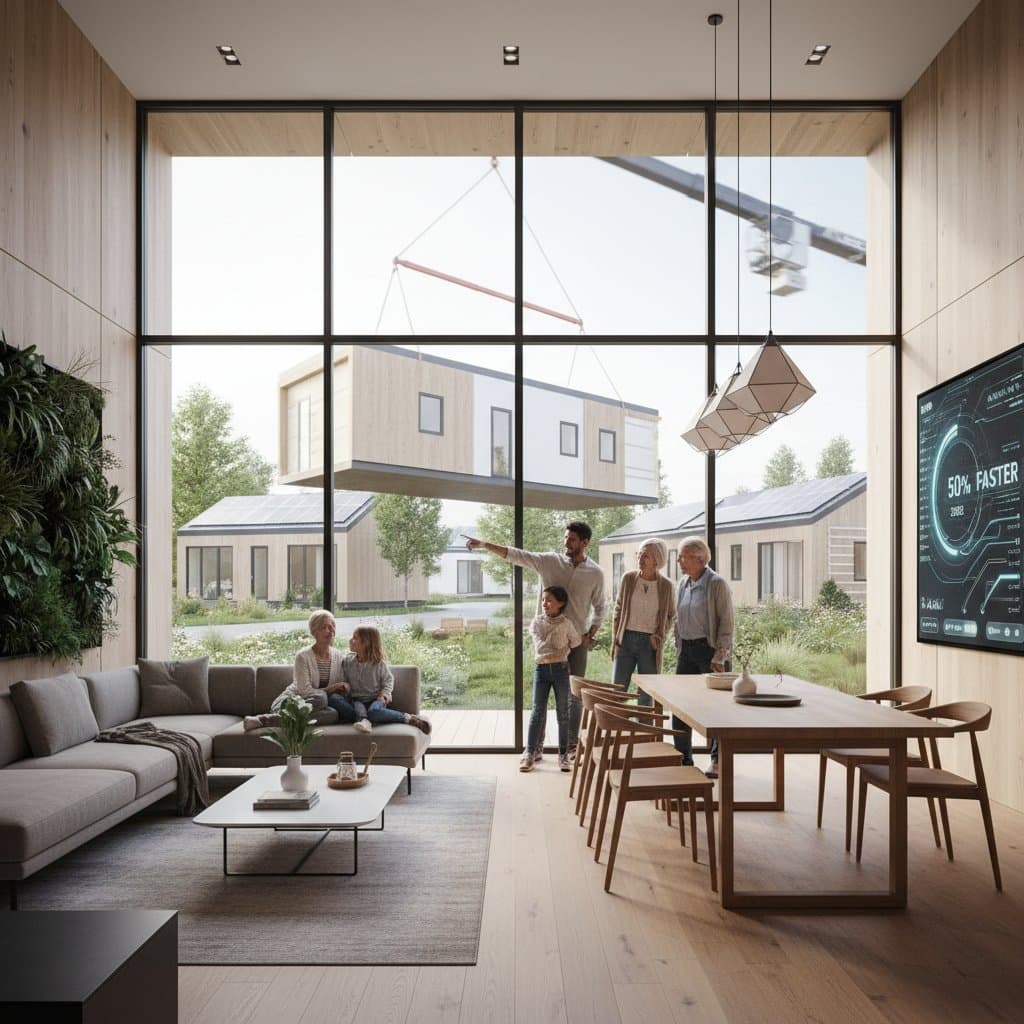
Financing options abound. Low-interest loans from green banks support installations, while tax credits offset expenses. Consult local builders for whole-home retrofits, which integrate systems cohesively. Timing upgrades with renovations minimizes disruption and maximizes rebates.
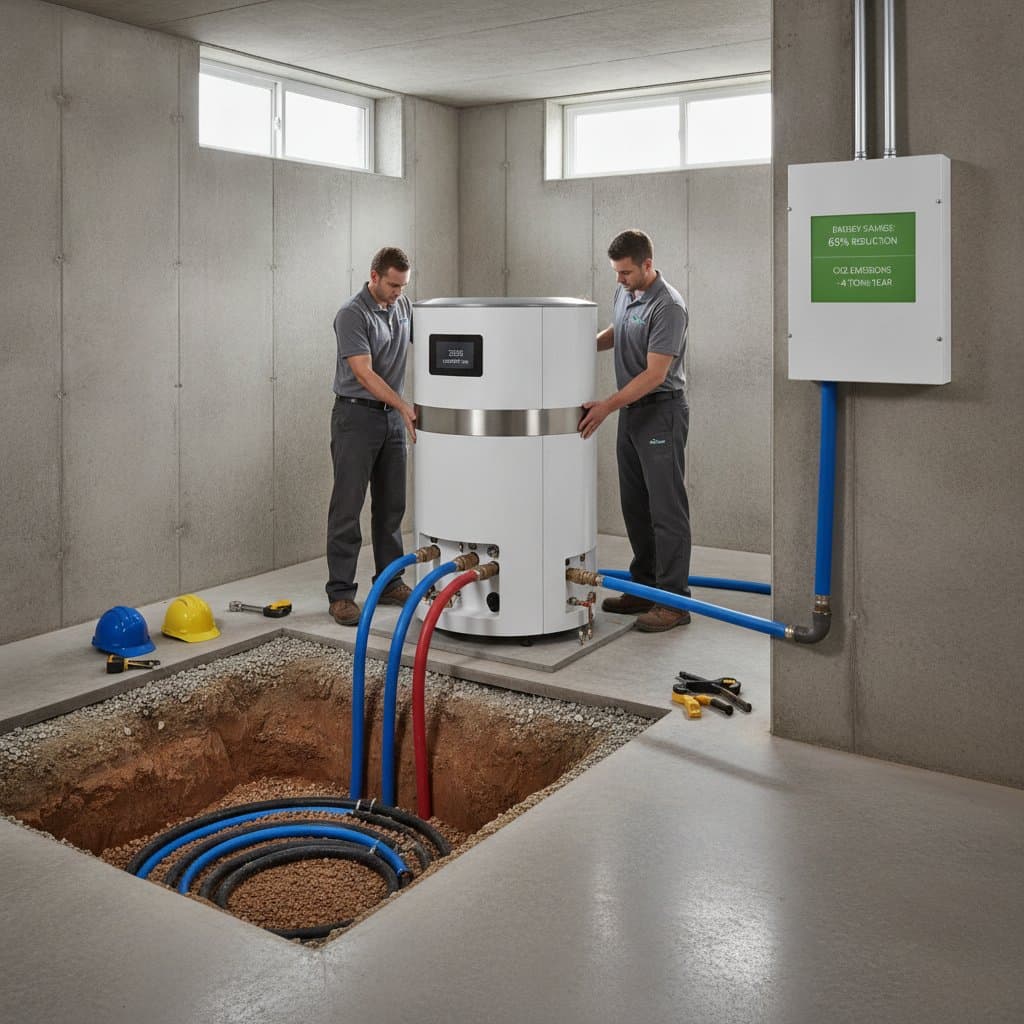
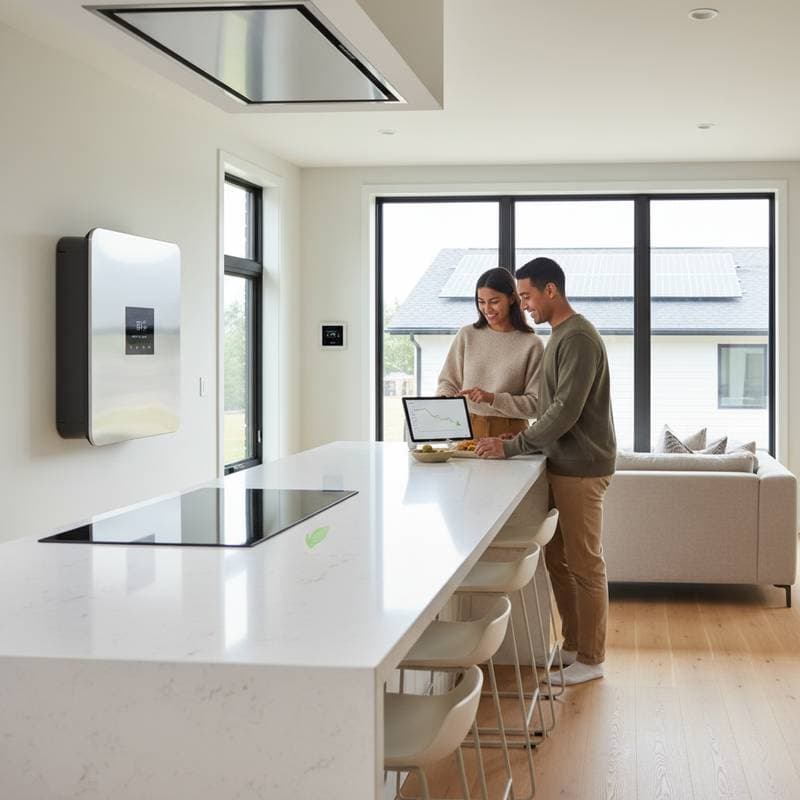
Professional installation ensures compliance with building codes, especially in regions enforcing gas bans. Certified electricians handle wiring and connections, guaranteeing safety and performance. Post-installation, monitor energy use through smart meters to track savings and refine habits.
Building a Sustainable Future with All-Electric Homes
All-electric living aligns homes with broader sustainability goals, reducing carbon footprints significantly. Each household contributes to cleaner air and diminished reliance on imported fuels. Communities benefit from lower emissions, fostering resilient urban environments.
Long-term value increases as property markets favor energy-efficient features. Buyers seek homes with modern, low-maintenance systems, boosting resale potential. Owners enjoy peace of mind knowing their spaces adapt to evolving energy landscapes.
Embrace this shift for a home that delivers ongoing savings, superior comfort, and environmental stewardship. The path to electrification equips residences for decades of efficient, enjoyable living.