Electric Appliances Reduce Household Energy Costs
Switching from gas to electric appliances cuts household energy costs by up to 30 percent. This change also lowers carbon emissions and improves indoor air quality. Modern systems deliver reliable performance across heating, cooling, and cooking needs.
Limitations of Traditional Gas Systems
Gas appliances often waste energy through exhaust and fluctuating fuel prices. Older furnaces and water heaters release combustion byproducts that affect air quality inside the home. Electric alternatives eliminate these issues by operating without on-site fuel burning.
Electricity from renewable sources provides more stable pricing than gas markets. Heat pump technology moves heat rather than generating it, which multiplies efficiency. Homeowners notice quieter operation and more consistent temperatures after the switch.
High-Impact Upgrades to Prioritize
Focus first on the systems that use the most energy. Space heating and cooling, water heating, and cooking represent the largest opportunities for savings.
- Heat pumps replace both furnaces and air conditioners while working efficiently in most climates.
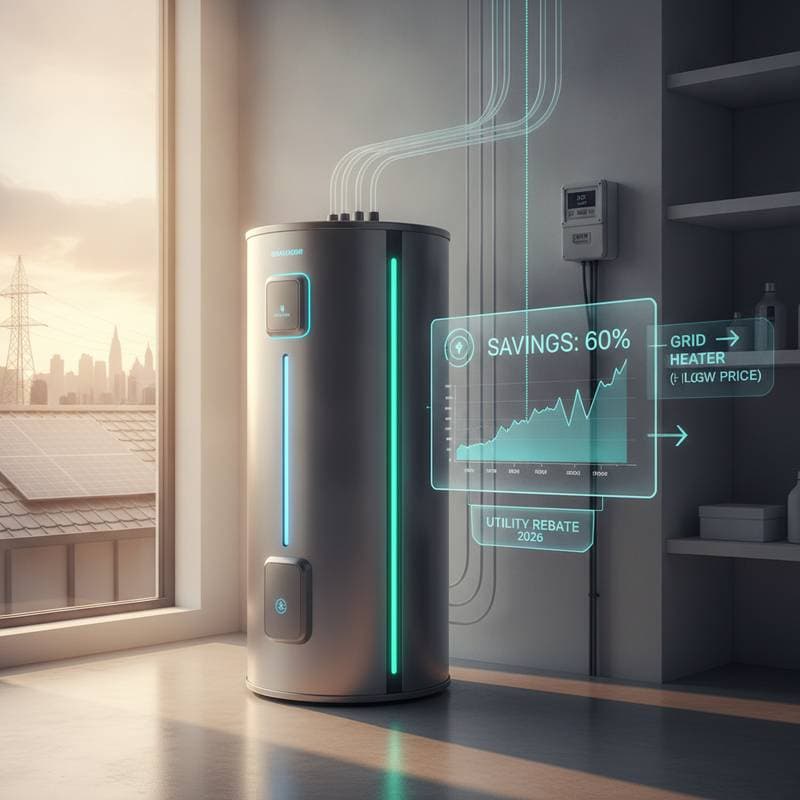
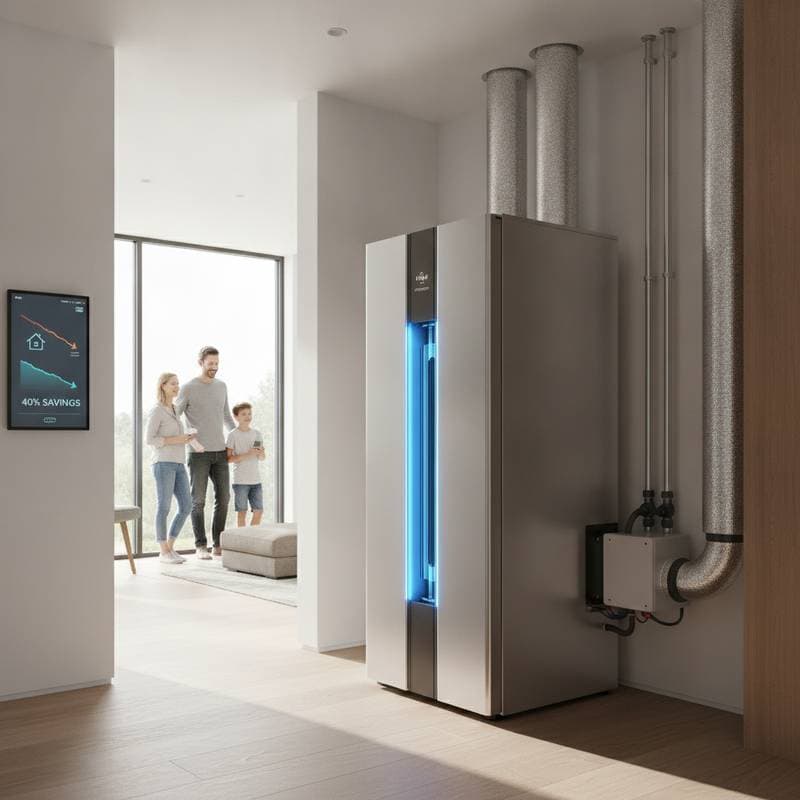
- Heat pump water heaters reduce energy use by up to 70 percent compared with gas models.
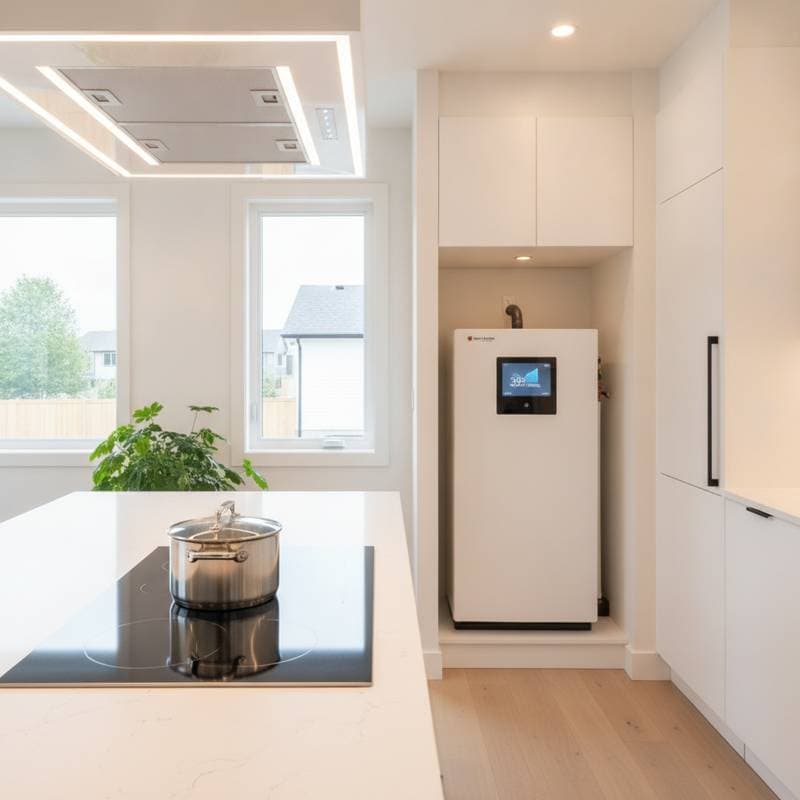
- Induction cooktops heat cookware directly, providing precise control and cooler kitchens.
Pairing these upgrades with rooftop solar increases long-term savings and energy independence.
Steps to Plan a Successful Transition
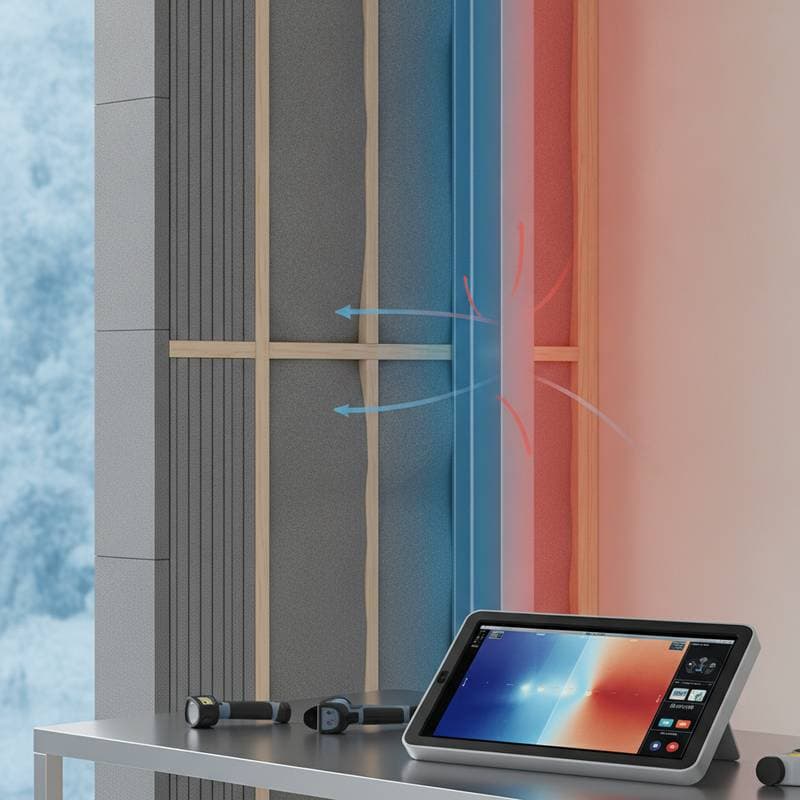
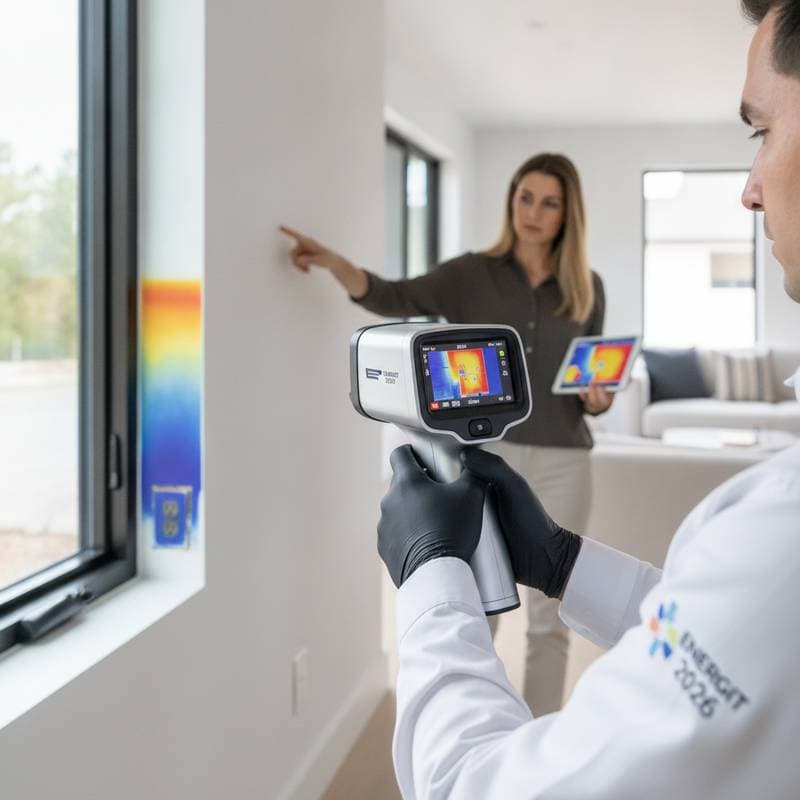
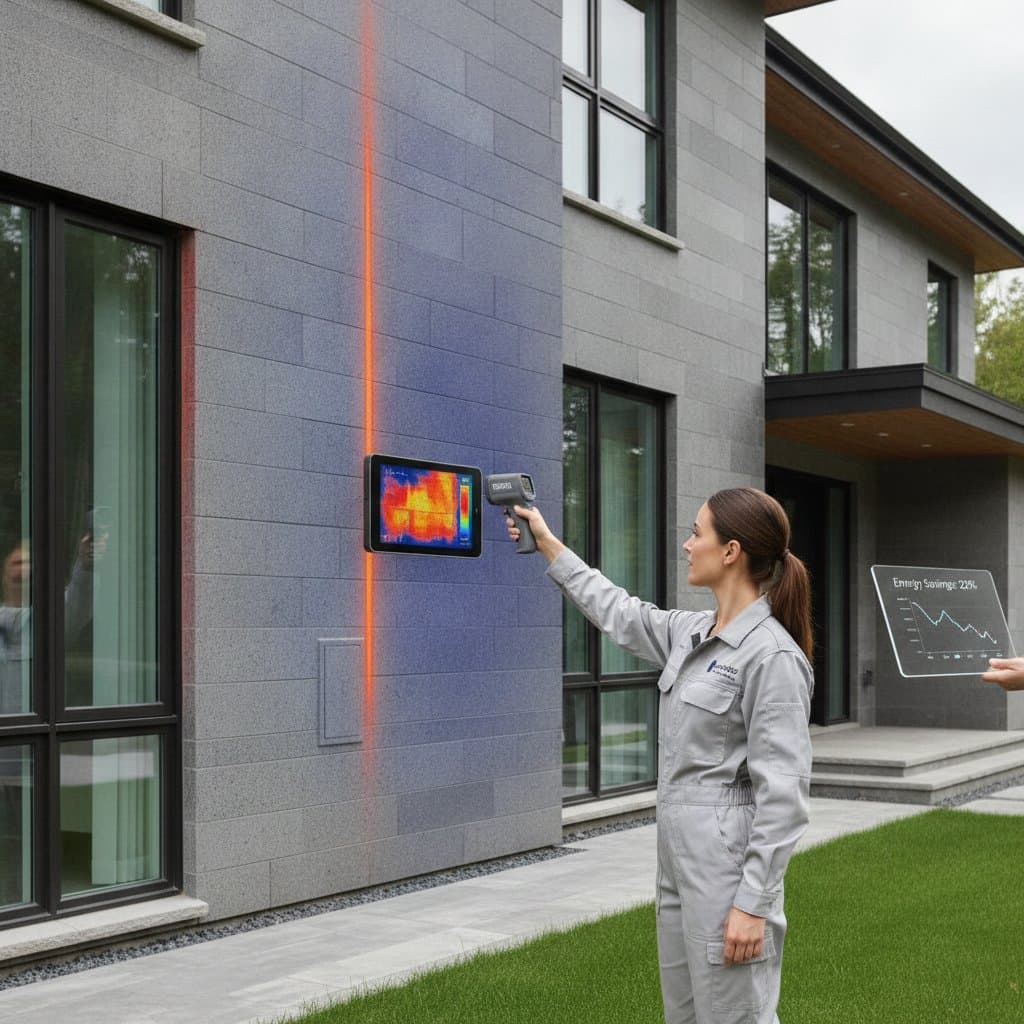
Schedule a professional energy audit to identify insulation gaps or wiring needs before any purchases. The audit typically costs between 200 and 500 dollars yet reveals opportunities for 15 to 30 percent annual bill reductions.
Assess electrical panel capacity next. Older homes may require upgrades between 1,000 and 3,000 dollars to support new loads safely. Licensed electricians complete this work and confirm code compliance.
Research local rebates that cover 25 to 50 percent of equipment and installation costs. Combine utility incentives with manufacturer promotions to lower upfront expenses.
Expected Financial Returns
A household that replaces a gas furnace and water heater with heat pump models saves between 500 and 1,000 dollars each year. Induction cooking further trims kitchen energy use by 10 to 15 percent. Rate stability over a decade adds thousands more in avoided gas price swings.
Health and Environmental Advantages
Removing gas combustion improves indoor air quality by eliminating nitrogen dioxide and carbon monoxide. Heat pumps and induction surfaces draw energy from air or electricity rather than burning fuel. These changes support broader grid decarbonization efforts when adopted at scale.
Budget and Installation Realities
Typical installed costs range from 1,000 to 3,000 dollars for induction cooktops, 2,000 to 4,000 dollars for heat pump water heaters, and 6,000 to 12,000 dollars for whole-home heat pump systems. Installation times vary from several hours for single appliances to multiple days for full replacements.
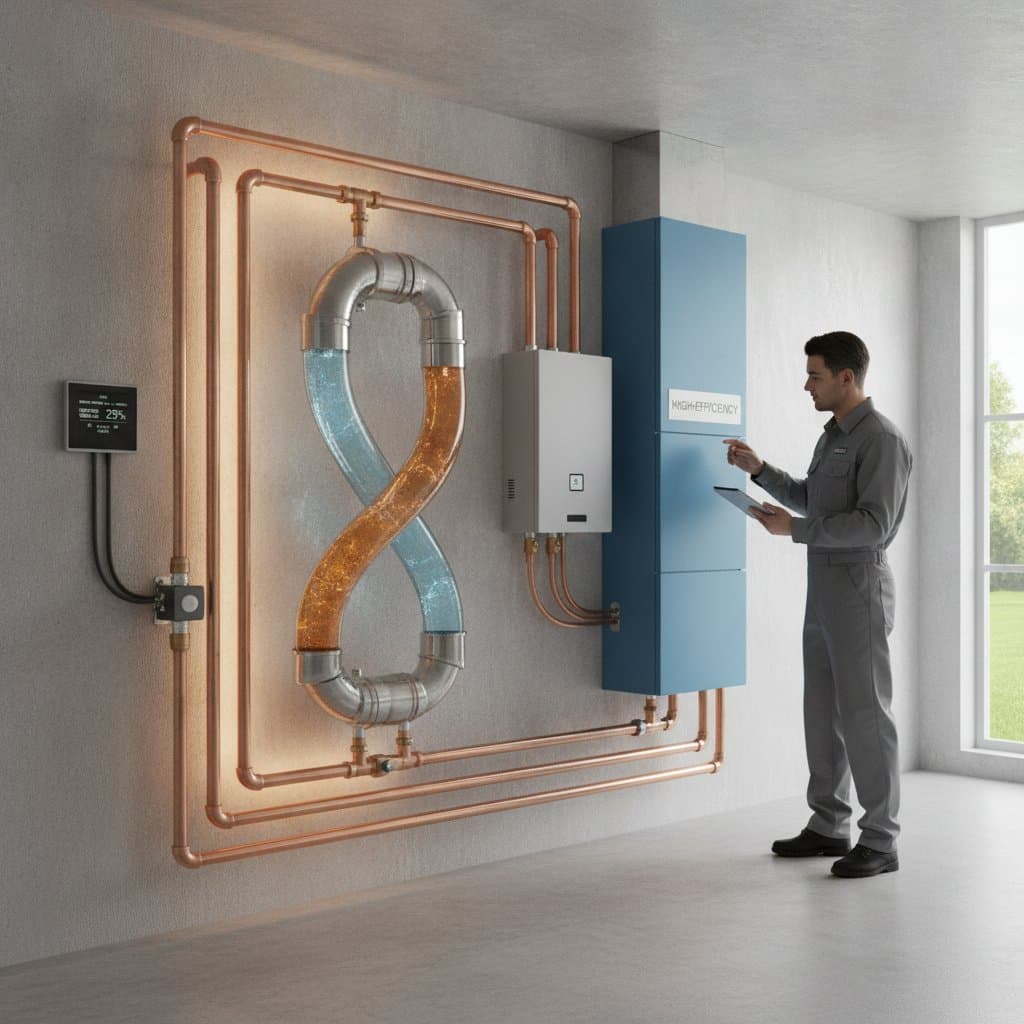
Hire contractors experienced in electrification projects. They verify proper sizing, ventilation, and wiring to protect equipment warranties. Annual maintenance visits keep systems operating at peak efficiency.
Begin Your Electrification Project
Replace one major appliance at a time to manage costs and learn system performance. Obtain multiple quotes from qualified installers and apply available rebates promptly. Each completed upgrade lowers operating expenses while creating a safer, quieter home environment.