Electrify Your Home and Save with 2026 Tax Credits
Upgrading your home to reduce energy costs, enhance comfort, and increase property value often seems ambitious. However, expanded federal and local tax credits for home electrification make these goals attainable for many homeowners. The process involves learning how these incentives function and combining them effectively to achieve maximum savings.
Key Incentives and Benefits
- Federal tax credits and rebate programs cover up to 30 percent of costs for qualifying electrification projects.
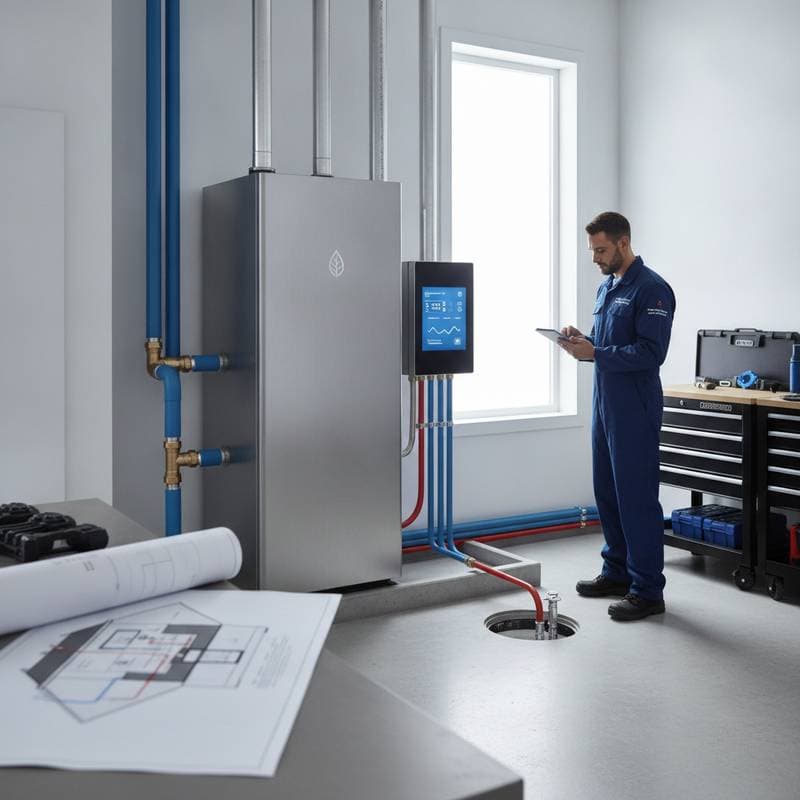
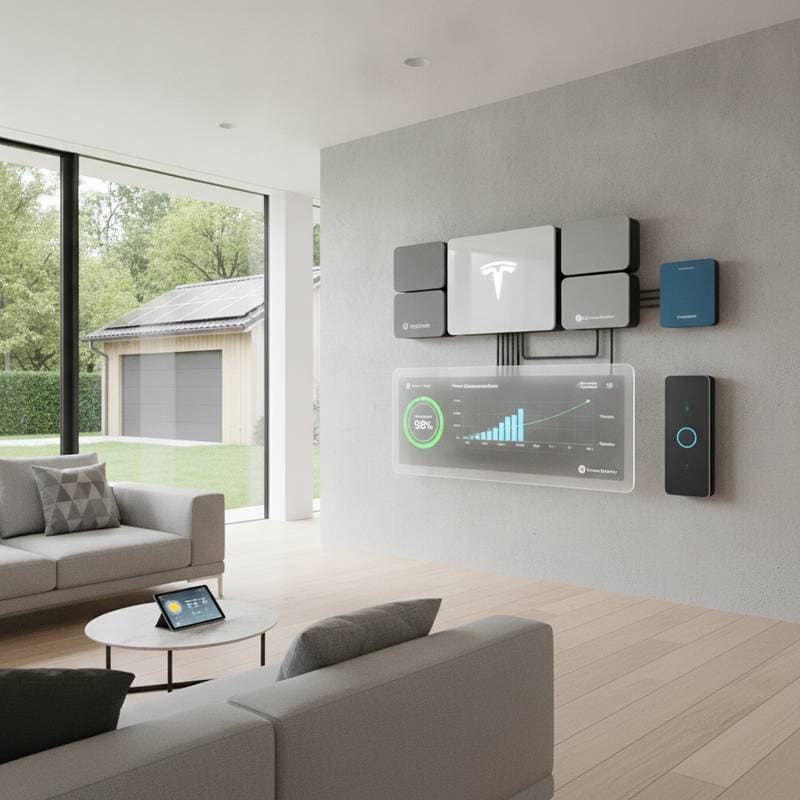
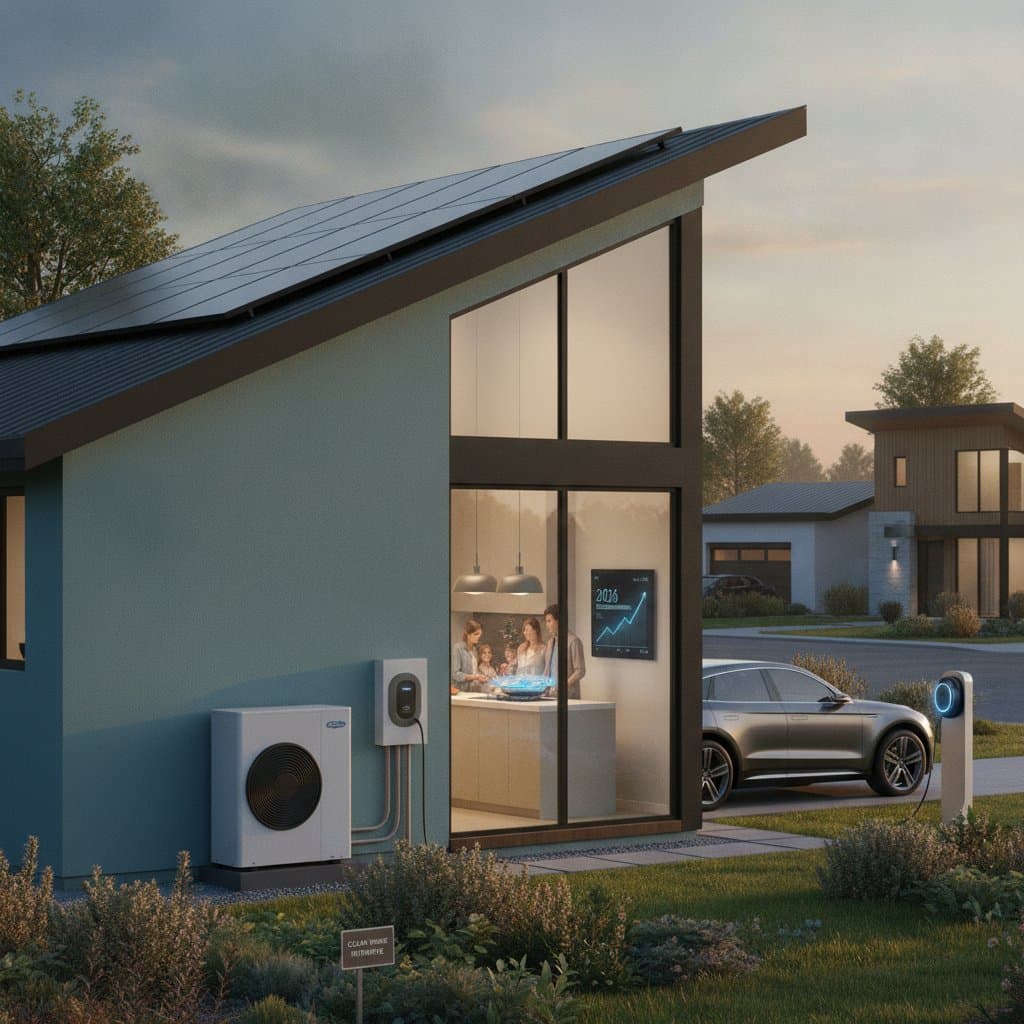
- Eligible upgrades include heat pumps, induction cooktops, solar panels, and electrical panel improvements.
- Combining federal, state, and utility incentives shortens payback periods to two to four years for select systems.
- These changes lower emissions and raise home resale values by an estimated 4 to 7 percent.
- Sequencing projects strategically allows homeowners to access multiple incentives while maintaining eligibility.
Understanding the 2026 Tax Credits
The latest incentives aim to render home electrification accessible to typical households. The federal framework enables claims for tax credits on various qualified upgrades, provided installations meet specific standards.
Qualified Upgrades
| Upgrade Type | Typical Credit or Rebate | Expected Cost Range | Average Payback Period |
|---|---|---|---|
| Heat pump HVAC system | 30% up to $2,000 | $6,000–$12,000 | 3–6 years |
| Heat pump water heater | 30% up to $2,000 | $2,000–$4,000 | 2–4 years |
| Induction cooktop | 30% up to $840 | $1,000–$2,500 | 2–5 years |
| Electrical panel upgrade | 30% up to $600 | $1,500–$3,000 | 3–5 years |
| Home energy audit | 30% up to $150 | $300–$600 | 1–2 years |
| Solar photovoltaic system | 30% of total cost | $12,000–$25,000 | 6–9 years |
Eligibility depends on efficiency ratings and professional verification by licensed installers. Homeowners should review IRS guidelines or consult certified advisors to confirm qualifications.
Stacking Federal, State, and Utility Incentives
States and utilities frequently provide supplementary rebates for identical upgrades. Regional initiatives, for instance, offer $1,000 to $2,500 for heat pumps or water heaters that achieve designated efficiency levels. Integrating these with federal credits frequently cuts initial expenses by 40 percent or greater.
Energy consultant Rachel Kim notes, “The smartest approach is to plan upgrades in phases, beginning with the systems that offer the highest return and layering incentives to keep cash flow manageable.”
To optimize, start with a home energy assessment to pinpoint high-impact areas. Then, apply for rebates before purchasing equipment, as some programs require pre-approval.
Calculating Financial Returns
Electrification demands initial outlay, yet tax credits, rebates, and ongoing savings position it as a strong financial choice for homeowners.
Cutting Energy Expenses
Heat pumps deliver 25 to 50 percent reductions in heating costs relative to natural gas or oil alternatives. Pairing them with solar installations amplifies savings, potentially eliminating utility bills for electricity generation.
For example, a household in a moderate climate might save $500 annually on heating alone after installing a heat pump. Over a decade, these reductions compound, especially as energy prices rise.
Boosting Home Value
Zillow research indicates that solar-equipped homes command 4 percent premiums over similar properties without such features. Energy-efficient upgrades appeal to buyers seeking lower operating costs and sustainability.
Appraisers increasingly factor in these improvements, adding verifiable value during resale. Document installations with receipts and certifications to support claims.
Minimizing Maintenance Needs
Electric systems feature fewer components and eliminate combustion elements, resulting in reduced wear. Owners spend approximately 20 percent less on upkeep and repairs across the system's life.
Routine tasks, such as filter changes for heat pumps, prove simpler than servicing gas furnaces. This reliability enhances long-term affordability.
Environmental and Health Advantages
Transitioning to electric systems diminishes indoor pollutants including carbon monoxide, nitrogen dioxide, and particulates from gas burning. Public health studies reveal that gas stove homes exhibit up to 50 percent elevated nitrogen dioxide compared to electric counterparts.
This shift improves respiratory health, particularly for children and those with sensitivities. Cleaner indoor air aligns with overall wellness goals.
On a larger scale, electrification aids renewable grid integration. Each household curtailing fossil fuel reliance improves local air quality and advances national emissions targets. Reduced demand on gas infrastructure further eases environmental strain.
Addressing Practical Challenges
Managing Initial Expenses
Incentives mitigate costs, but outlays remain significant. Low-interest financing through local agencies or lenders spreads payments via property taxes or utility bills.
Explore options like Property Assessed Clean Energy loans, which tie repayments to home ownership. These programs often cover audits and minor upgrades to facilitate larger projects.
Securing Reliable Contractors
Rising demand strains installer availability. Book appointments early and select ENERGY STAR-certified professionals or those endorsed by utilities.
Verify credentials through state licensing boards and request references from recent electrification jobs. Clear contracts outlining timelines and warranties prevent disputes.
Ensuring System Compatibility
Older homes might need insulation enhancements or wiring reinforcements prior to electrification. Prioritize these to optimize efficiency and avoid overloads.
Conduct a load calculation during the energy audit to assess electrical capacity. Upgrading insulation in attics or walls can amplify heat pump performance by 15 to 20 percent.
Steps to Launch Your Electrification Project
Electrifying your home delivers lower bills, purer air, and elevated value. Begin by inventorying existing energy systems to spot credit-eligible items.
Next, arrange a professional energy audit to map optimal upgrade paths. This step uncovers inefficiencies and qualifies for partial rebates.
Contact local energy advisors for guidance on program overlaps and eligibility checks. Many areas feature centralized hubs linking homeowners to vetted contractors and funding sources.
The coming years provide exceptional support for home modernization. Strategic planning captures full incentive benefits while preparing your property for efficient, sustainable operation.
Electrification represents a forward-thinking choice for homes that operate affordably and support planetary health. With careful preparation and incentive utilization, your renovation becomes a rewarding investment.