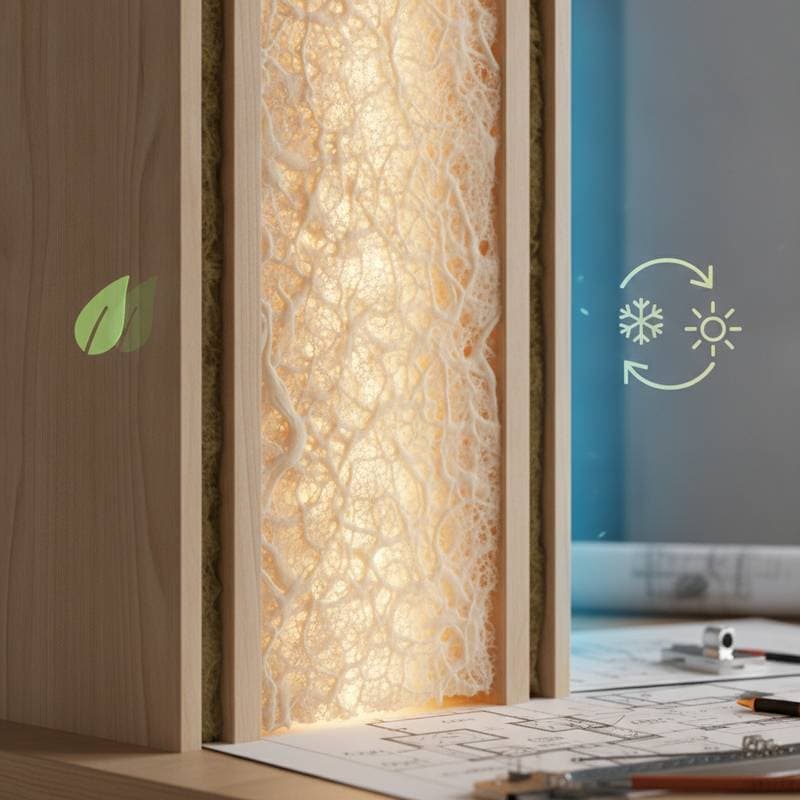
Fungal Roots That Insulate Better Than Foam
Key Points
- Mycelium insulation offers high thermal performance with a fraction of the environmental cost of traditional materials.
- It grows naturally from fungal roots, forming a dense, fire-resistant, and compostable structure.
- Early adopters are finding it cost-competitive once lifecycle savings are factored in.
- It supports healthy indoor air quality by avoiding synthetic chemicals and plastics.
- The technology is maturing rapidly, making it a realistic choice for sustainable home construction and retrofits.
Why Mycelium Insulation Matters
Energy efficiency has always been the heartbeat of sustainable housing. Yet the materials used for insulation often carry hidden costs. Fiberglass, foam boards, and mineral wool all require energy-intensive manufacturing. They release microfibers or volatile compounds and complicate disposal.
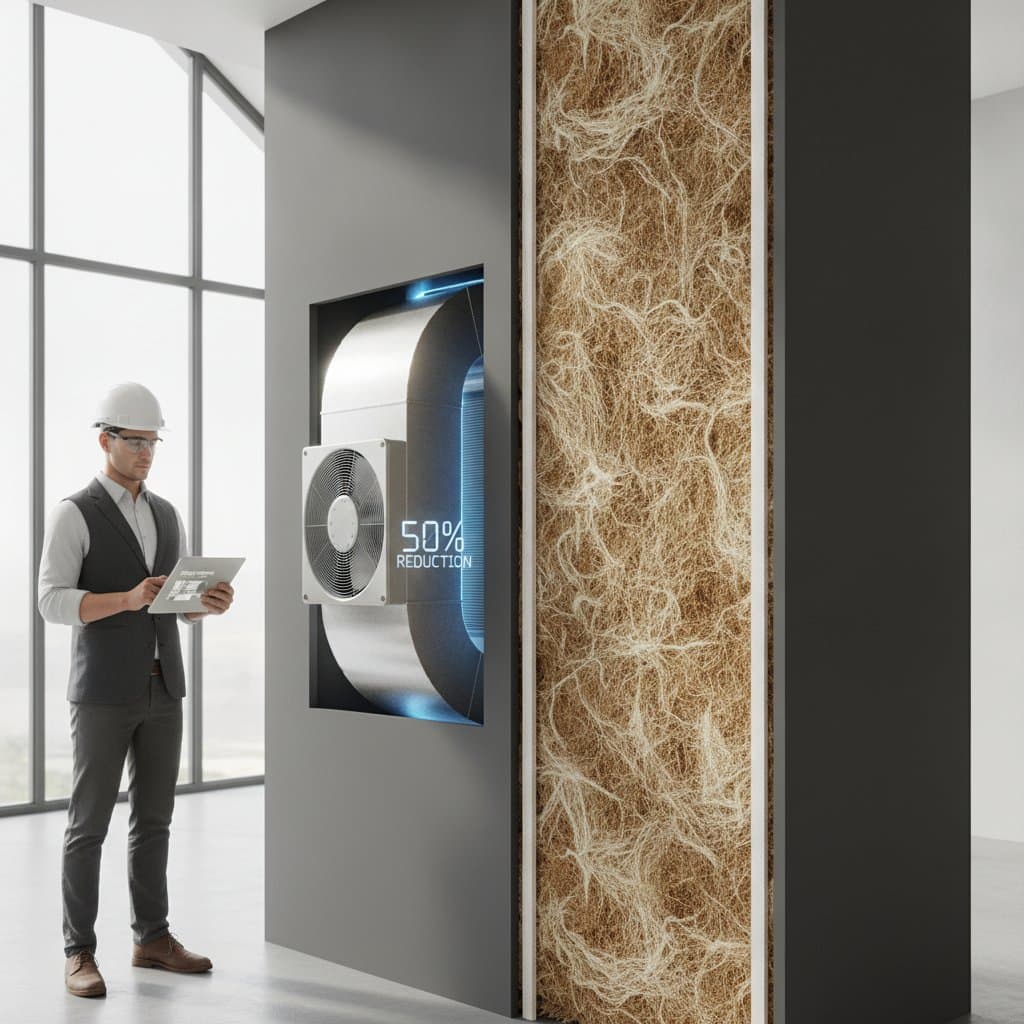
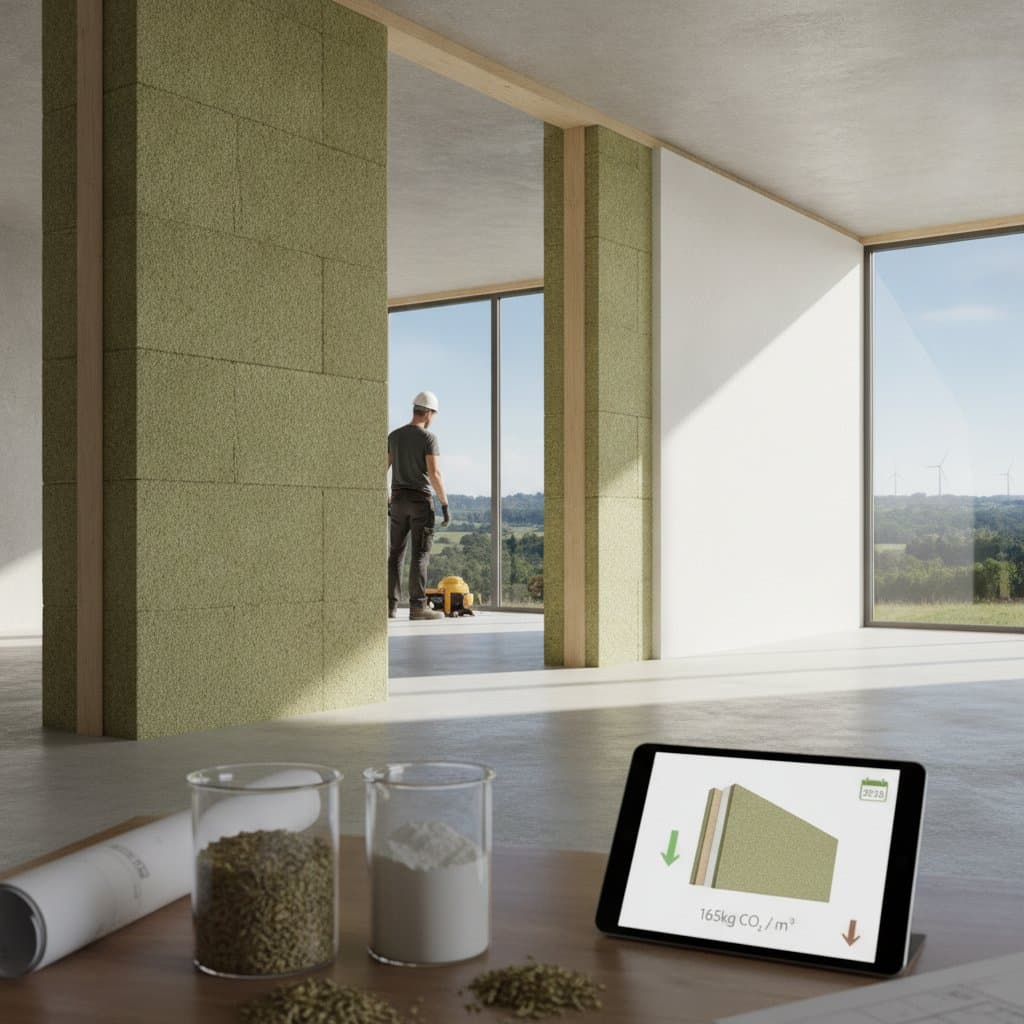
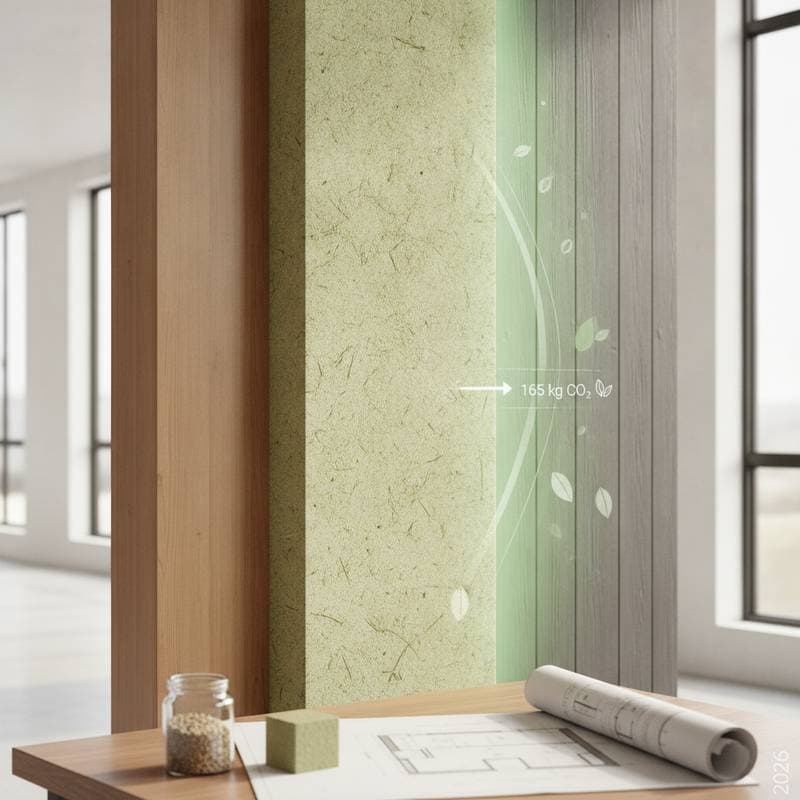
Mycelium changes that dynamic. By feeding on organic waste like sawdust or straw, the fungal network binds naturally into dense, sponge-like panels. The result is a material that locks in heat, regulates humidity, and resists fire without synthetic additives. In lifecycle analysis, mycelium insulation stores carbon instead of emitting it.
That outcome creates both moral and financial value. Lower embodied carbon can boost resale appeal for eco-conscious buyers. Better indoor health can reduce long-term maintenance and medical costs.
Cost Breakdown and ROI Analysis
At first glance, mycelium insulation can appear slightly more expensive than traditional fiberglass or cellulose. Yet a deeper look reveals a more balanced picture when lifecycle costs are considered.
Typical cost ranges include the following:
- DIY small-scale panels cost approximately 3 to 5 dollars per square foot.
- Professionally produced panels cost around 6 to 10 dollars per square foot.
- High-performance, prefinished units reach up to 12 dollars per square foot for specialty applications.
Fiberglass batts usually fall between 2 and 4 dollars per square foot installed. The difference narrows once labor, safety gear, and disposal fees are factored in.
Return on investment considerations include these factors:
- Energy savings reach 10 to 20 percent in utility reductions for well-sealed homes because R-values match those of mineral wool.
- Reduced maintenance arises from natural mold resistance, which cuts remediation costs in humid climates.
- Health and wellness benefits appear when homes remain free from off-gassing insulation.
- Resale premiums of 5 to 10 percent often apply to green-certified homes built with eco-friendly materials.
Over a 20-year period, total ownership costs can fall as much as 15 percent below those of conventional insulation.
Factors Influencing the Project
Several variables determine whether mycelium insulation fits smoothly or presents logistical challenges.
- Climate requires careful detailing against moisture intrusion in wetter regions.
- Local availability affects shipping costs because mycelium products are still emerging.
- Building codes may require additional testing before approving alternative materials.
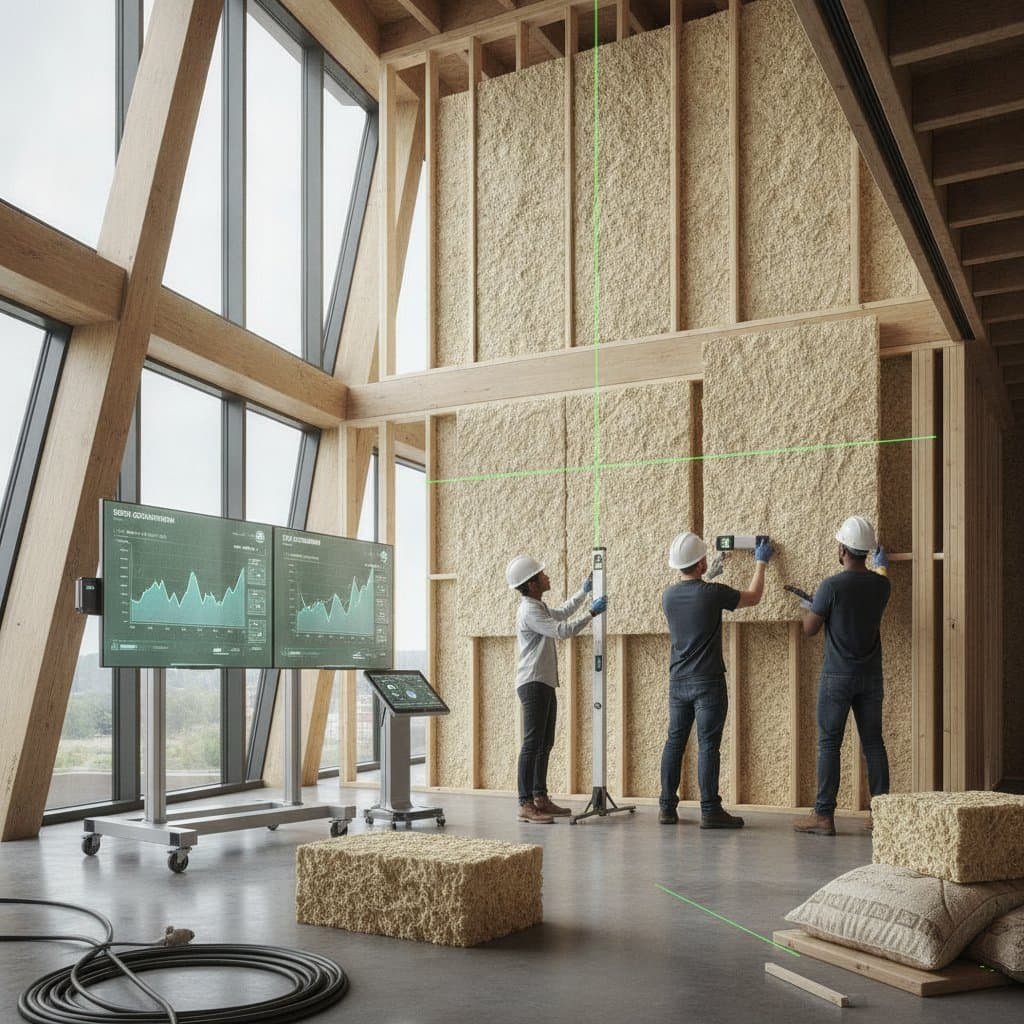
- Labor familiarity can affect timelines when contractors need training on bio-based systems.
- Maintenance expectations remain low overall, yet the material needs protection from prolonged water exposure or UV light.
Factoring these elements into early planning avoids expensive surprises later.
Expert Validation and Actionable Takeaways
Industry researchers have tested mycelium insulation under rigorous conditions. Results show thermal resistance values roughly equivalent to conventional materials. Fire ratings meet or exceed many building standards once the material is sealed with natural plasters.
Homeowners who want to explore this option should follow these steps:
- Start small with a pilot project such as insulating a shed or interior partition.
- Consult architects or builders familiar with bio-based materials to ensure proper detailing.
- Compare lifecycle data by requesting product-specific environmental declarations.
- Plan for ventilation by combining breathable insulation with passive airflow design.
- Document the process because sustainable building certifications reward transparency.
Frequently Asked Questions
What exactly is mycelium insulation made of?
It consists of the root-like network of fungi grown on agricultural byproducts such as hemp hurds, sawdust, or straw. Once growth is complete, the material is heat-treated to stop further development.
Is it safe for people with allergies or respiratory conditions?
Yes. The final product is inert and non-spore-producing. It does not release fibers or chemicals.
How does it perform compared to fiberglass or foam?
Its R-value per inch is similar to mineral wool, and it offers better moisture regulation. Breathability and carbon benefits offset the need for slightly thicker walls in extreme climates.
Does it attract pests or insects?
No. Once deactivated, mycelium has no nutritional value for insects or rodents. Proper sealing and finishing eliminate potential nesting areas.
Can it be used in existing homes?
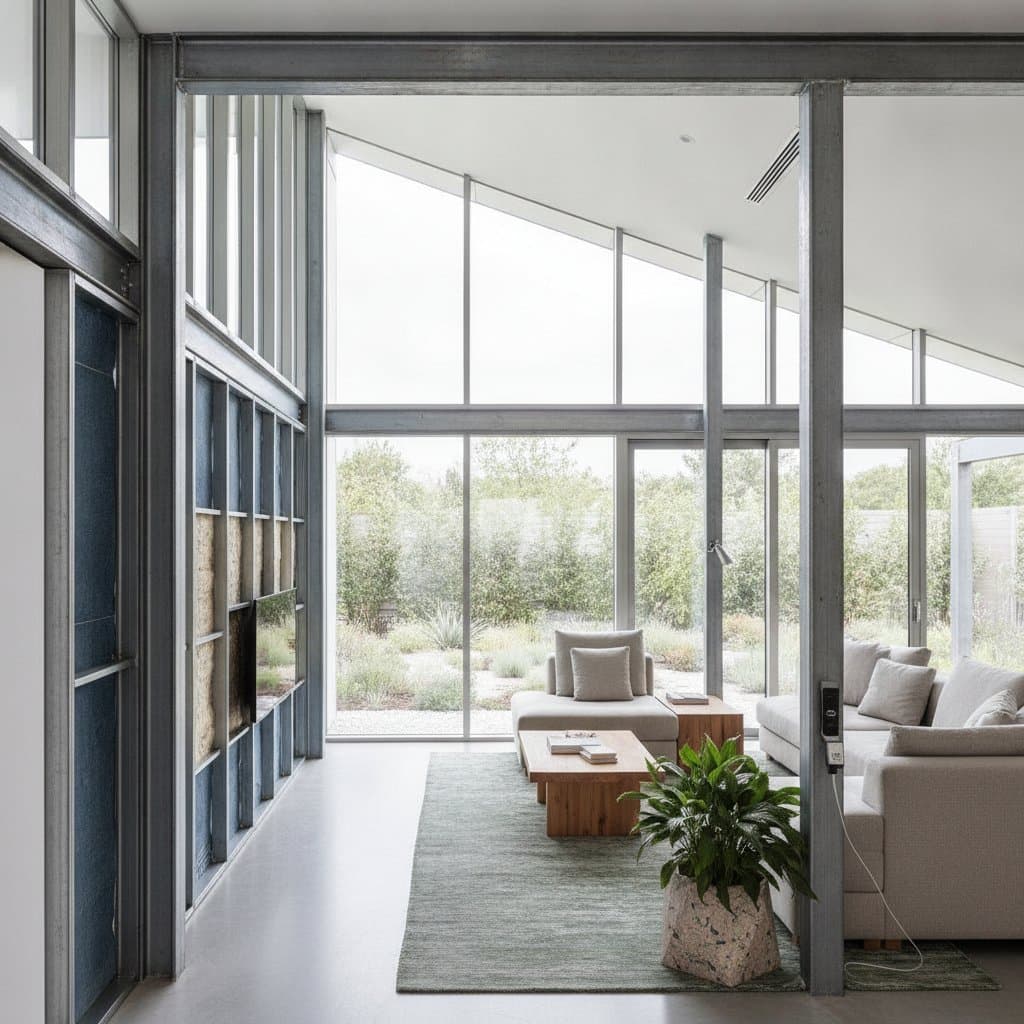
Yes. Retrofits may need cavity adjustments or custom panel sizing. It pairs well with timber framing and natural plasters.
How long does it last?
Tests indicate durability comparable to other insulation types when kept dry and protected from direct sunlight. Performance remains stable for decades under normal conditions.
Is it fire-resistant?
When treated with natural mineral coatings or enclosed within plaster, it achieves strong fire ratings. The dense structure chars on the surface and slows flame spread.
What happens at the end of its life cycle?
It can be composted, used as soil amendment, or regrown into new insulation. This regenerative quality reduces waste.
Practical Next Steps
Transitioning to mycelium insulation involves rethinking comfort, responsibility, and value in home design. It offers a tangible path toward carbon-smart living without sacrificing performance. Every square foot represents heat retained, waste repurposed, and carbon stored.