Key Points
- Geothermal HVAC systems use the ground's stable temperature to heat and cool homes efficiently.
- Correct design and installation allow homeowners to lower utility bills by up to 65 percent.
- Initial costs surpass those of conventional HVAC systems, but long-term savings and rebates offset the expense.
- Precise sizing, soil assessment, and expert installation ensure peak performance and longevity.
- Local incentives and professional advice simplify the shift to geothermal technology.
The Reliable Energy Source Underground
Homeowners frequently encounter variable energy bills from changing weather. Heating systems work harder on chilly mornings, and cooling units run nonstop in humid spells. Geothermal HVAC systems solve these issues by utilizing the earth's steady temperature below the surface for consistent comfort at lower energy use.
This subsurface constancy differs from fluctuating outdoor air. The soil holds a uniform thermal balance, acting as a heat source in winter and a heat sink in summer. Those who install these systems gain reduced expenses and a smaller environmental footprint.
Why Homeowners Select Geothermal HVAC
Increasing utility rates drive interest in effective solutions. Geothermal systems provide economic gains and ecological perks. The U.S. Environmental Protection Agency identifies geothermal heat pumps as top HVAC choices, reducing heating and cooling energy by 40 to 70 percent. For typical homes, these cuts translate to significant yearly savings, frequently reaching thousands of dollars.
Rebates add to the attractiveness. Many regions provide tax credits, low-interest loans, and installation rebates. Homes with these systems appeal to buyers prioritizing efficiency, raising property value.
Geothermal HVAC System Mechanics
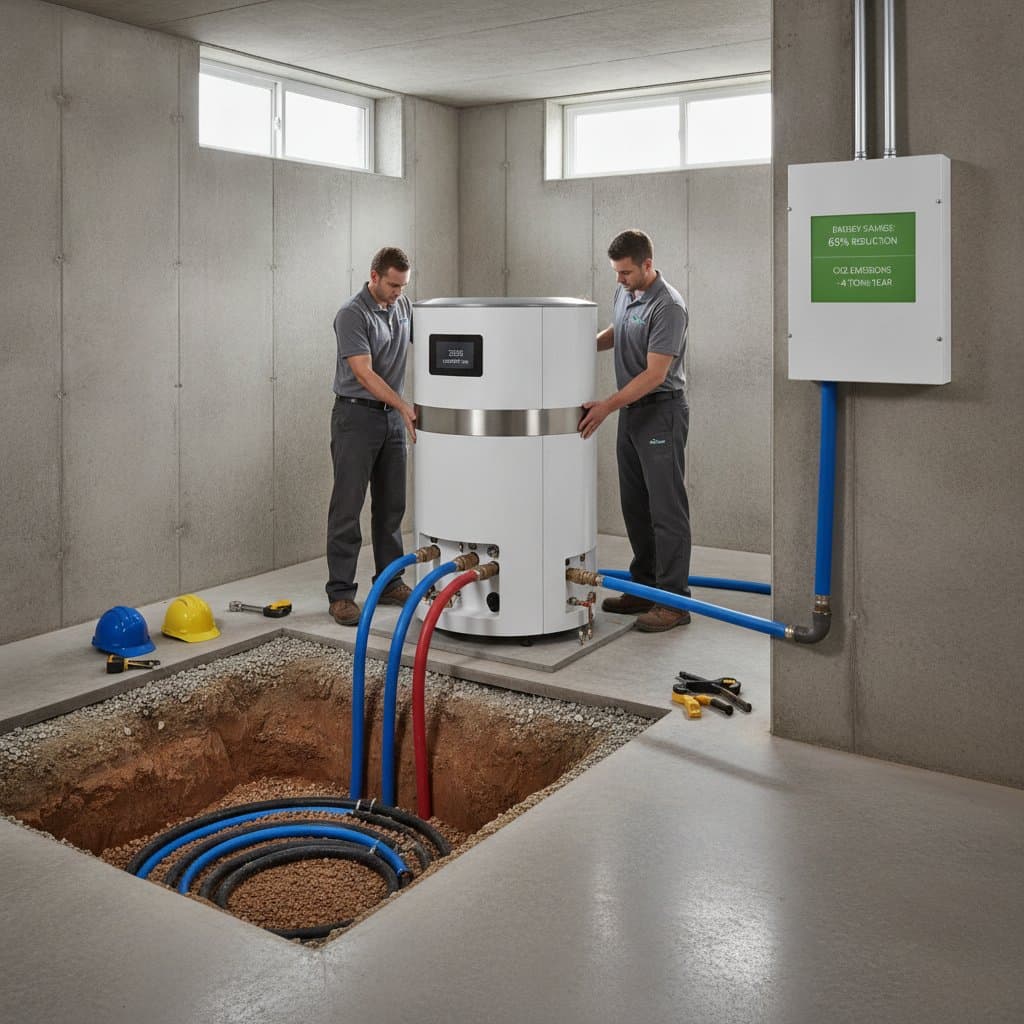
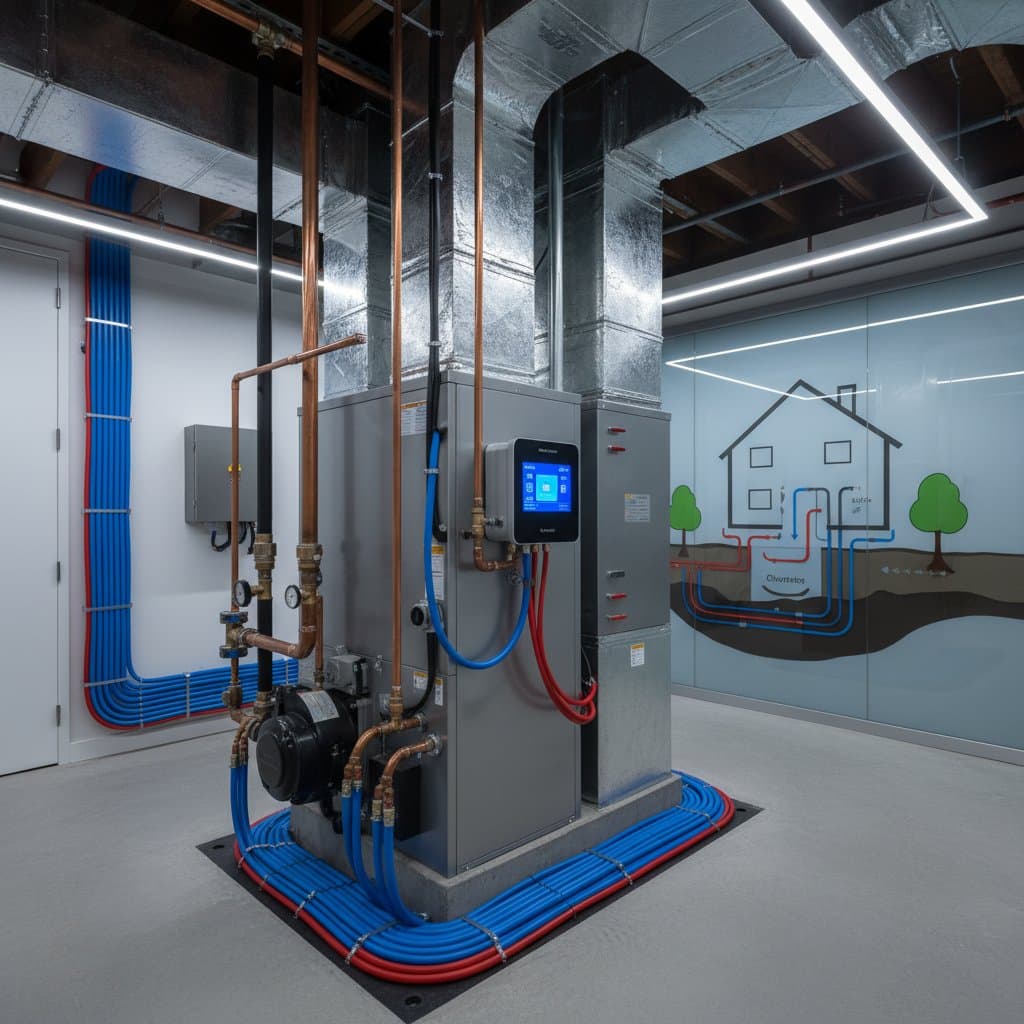
Geothermal HVAC systems work by looping fluid through buried pipes called ground loops. During winter, the fluid pulls heat from the earth; in summer, it deposits indoor heat into the soil. A home-based heat pump manages this energy for delivery via the current air ducts.
Two main ground loop types serve different needs:
- Closed-loop systems: Use sealed pipes laid horizontally, vertically, or in ponds for ongoing heat exchange.
- Open-loop systems: Draw water from wells or aquifers for heat transfer, then return it to the origin.
Each type relies on the earth's thermal steadiness, functioning as a perpetual energy reserve available throughout the year.
Planning Your Geothermal Installation
1. Evaluate Site Conditions
Experts examine soil composition, moisture levels, and space availability first. Clay soils promote strong heat transfer, while sandy soils may require larger loop setups. In space-constrained urban areas, vertical drilling matches horizontal options with less surface disturbance.
2. Conduct an Energy Audit
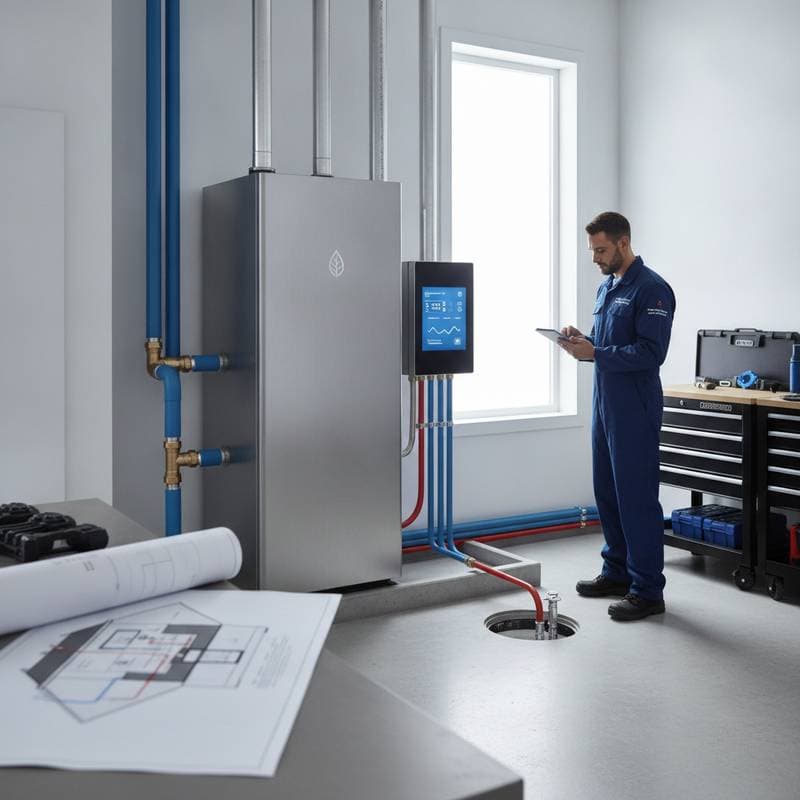
This review gauges the home's heating and cooling demands, factoring in insulation quality and air leaks. Professionals recommend the audit before choosing equipment to prevent sizing errors. Right-sized systems avoid waste from oversized or undersized units during high-demand times.
3. Calculate System Capacity and Layout
Capacity matches the home's needs, often 3 to 6 tons for single-family residences. Installers consider square footage, window arrangements, and insulation when determining size. The right configuration delivers even performance in all seasons.
4. Hire Certified Installers
Geothermal projects demand specialized skills. Choose contractors certified by organizations such as the International Ground Source Heat Pump Association. Their knowledge includes loop design, fluid handling, and integration for reliable operation.
5. Set Up Maintenance Routines
Care after installation stays simple. Yearly inspections check fluid levels, heat exchanger operation, and filters. Ground loops last 50 years or more, and heat pumps endure beyond 20 years with regular attention.
Boosting Environmental Performance
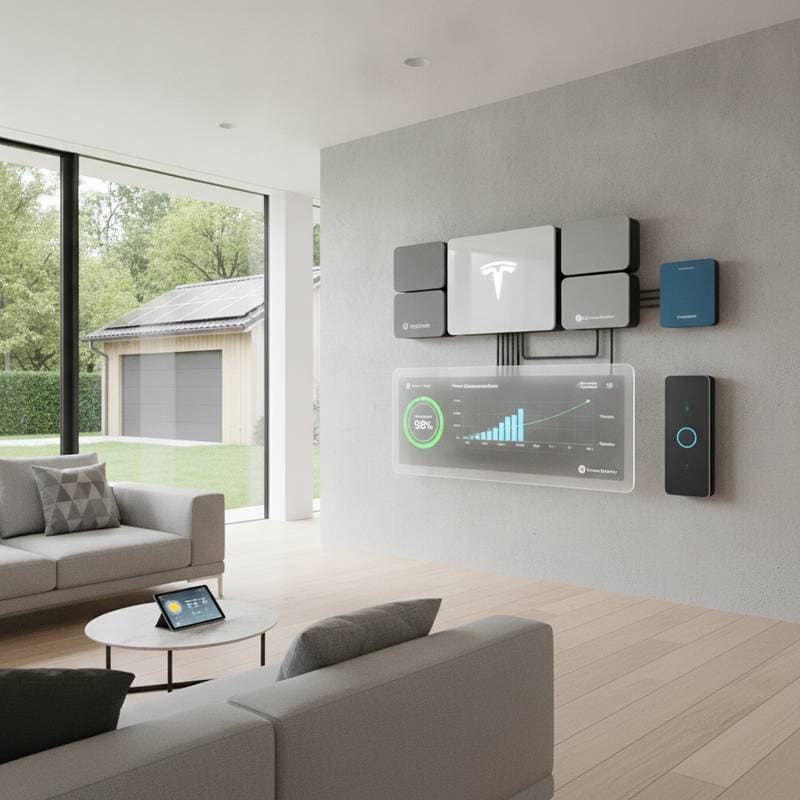
Combine geothermal setups with radiant floor heating for even warmth without drafts from air movement. Add smart thermostats for accurate temperature control and reduced idle time. Fix building envelope problems by sealing leaks and improving insulation to optimize the system's output.
In harsh winters, hybrid models blend in electric or propane backups for maximum efficiency. These additions heighten advantages, offering better comfort and energy savings year-round.
Investment, Returns, and Regulations
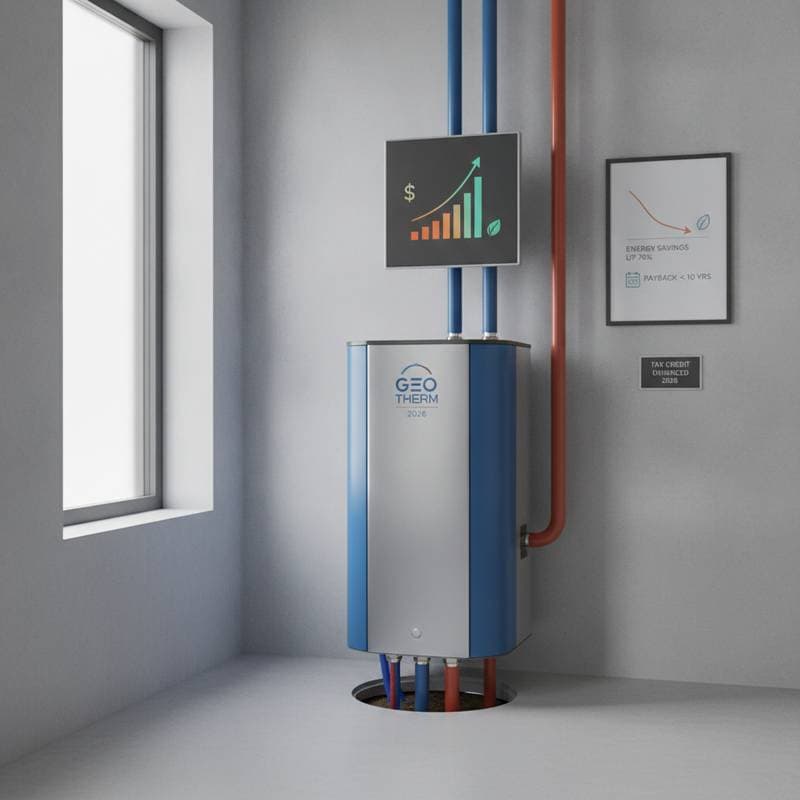
Upfront costs for home systems fall between $18,000 and $35,000, depending on site features and size. Return on investment occurs in 6 to 10 years through bill reductions and incentives. The technology excels by producing three to five units of heating or cooling for each unit of electricity consumed.
Heating expenses decrease by 50 to 70 percent, and cooling by up to 40 percent versus standard approaches. On the environmental side, these systems cut emissions by using electricity instead of burning fossil fuels. They contribute to LEED certification through points in energy efficiency and sustainable practices.
Permits cover digging and loop placement. Some locations mandate groundwater studies for open-loop systems. Work with installers and authorities from the start to handle approvals efficiently.
Common Mistakes to Avoid
- Skipping soil testing: Poor evaluation causes weak heat exchange and added redesign costs.
- Ignoring duct upgrades: Faulty ducts restrict airflow and erode efficiency gains.
- Neglecting building seals: Unfixed leaks waste energy and limit system benefits.
- Opting for DIY installation: Drilling complexities and safety measures require expert handling.
Avoiding these errors protects performance and protects the investment.
Long-Term Benefits for Comfort and Sustainability
Geothermal systems maintain steady indoor conditions, reducing temperature swings and operational noise. Users benefit from renewable earth-based energy, free from fluctuating fuel prices. Dr. Aaron Lewis, a mechanical engineer specializing in sustainable HVAC, notes, "Geothermal systems represent one of the smartest long-term investments a homeowner can make. They stabilize energy costs and reduce dependence on external fuel markets."
This blend of reliability, savings, and green impact builds enduring worth.
Moving Forward with Your Geothermal Project
Start with a professional energy evaluation to confirm site suitability. Gather quotes from multiple certified installers, reviewing warranties, schedules, and rebate assistance. Solid planning leads to effective results and improved home life.
Consult green building experts to guide you from concept to completion.
Frequently Asked Questions
Q: How long does installation take for a residential geothermal system?
A: Installations usually last one to three weeks, depending on soil type, loop design, and weather. Vertical loops often finish faster with less ground-level activity.