The Financial Edge of Geothermal HVAC Systems
New federal tax credits have shifted the economics of home energy upgrades. Ground source heat pumps now deliver stronger long term returns than solar arrays for many households. These systems draw stable thermal energy from the ground to provide both heating and cooling.
Homeowners facing higher utility rates benefit from predictable performance that does not depend on weather. Proper planning and installation turn these advantages into measurable savings and lower emissions.
Performance Advantages Over Traditional Systems
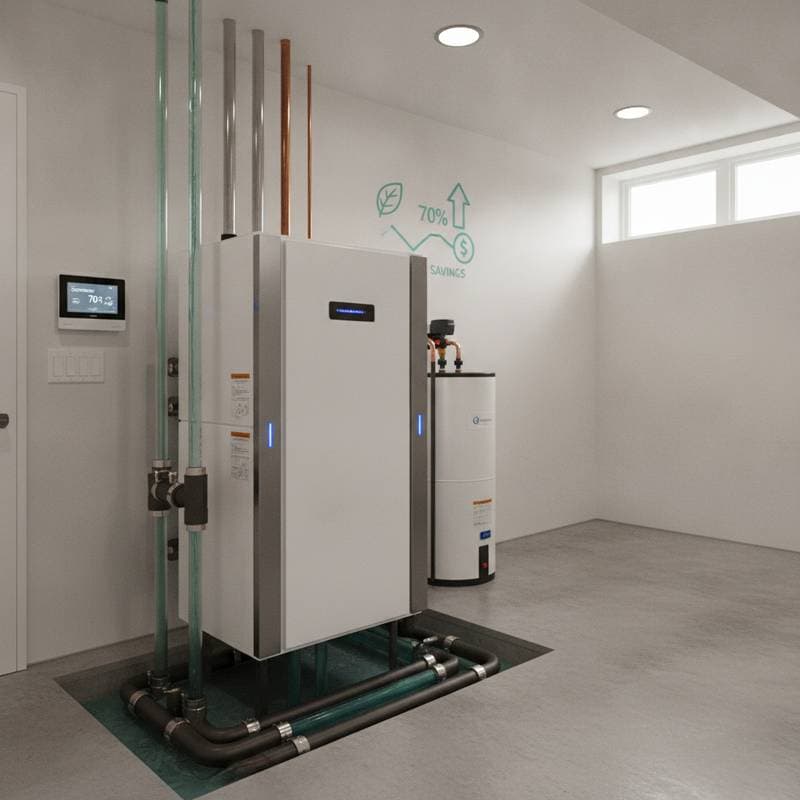
Geothermal units move heat instead of generating it through combustion. This approach yields efficiencies three to five times higher than conventional furnaces or air conditioners. Annual heating and cooling costs typically drop 40 to 70 percent after installation.
Payback periods now average five to eight years once tax credits apply. Solar installations often require closer to ten years for equivalent returns. Geothermal equipment operates continuously without regard to sunlight or roof orientation.
System Components and Loop Options
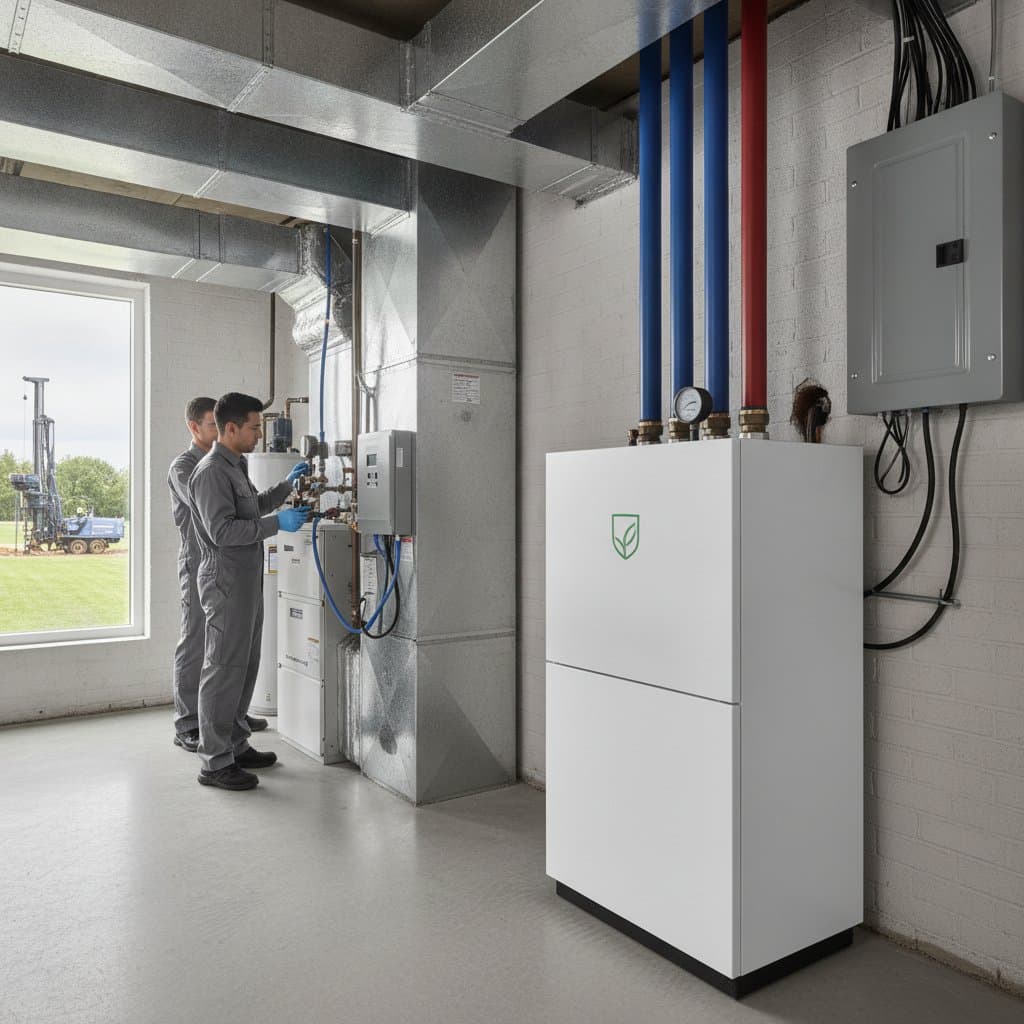
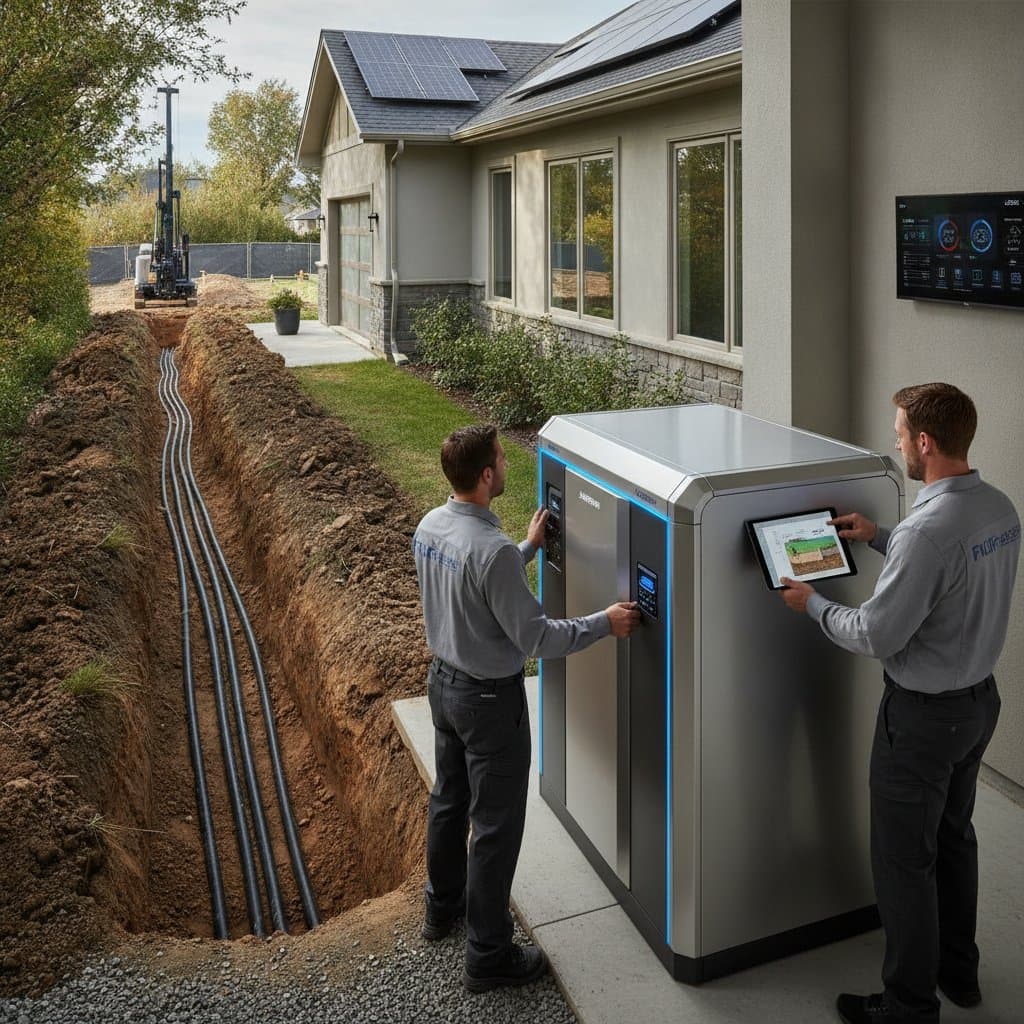
A complete geothermal setup consists of buried pipe loops, a heat pump unit, and distribution ductwork or piping. Three primary loop designs address different site conditions.
- Vertical loops suit small lots and require deep drilling into stable soil layers.
- Horizontal loops spread across larger yards at shallow depths where excavation is easier.
- Pond loops utilize nearby water bodies for heat exchange when available.
Each configuration connects to an indoor unit that also supports domestic hot water in many homes.
Cost Comparison and Incentive Impact
Installed costs for geothermal systems range from 20000 to 40000 dollars before incentives. Solar arrays for similar homes fall between 15000 and 30000 dollars. Geothermal equipment supplies both heating and cooling while solar offsets electricity alone.
Current tax credits can reduce net geothermal expense by up to 30 percent. Additional state and utility rebates sometimes bring effective costs down by half. Resulting monthly savings of 1000 to 2000 dollars accumulate quickly over the system life span.
Steps to Maximize Efficiency and Savings
Success begins with a whole house energy audit that identifies insulation gaps and duct losses. Sealing and upgrading attic and wall insulation further improves system performance.
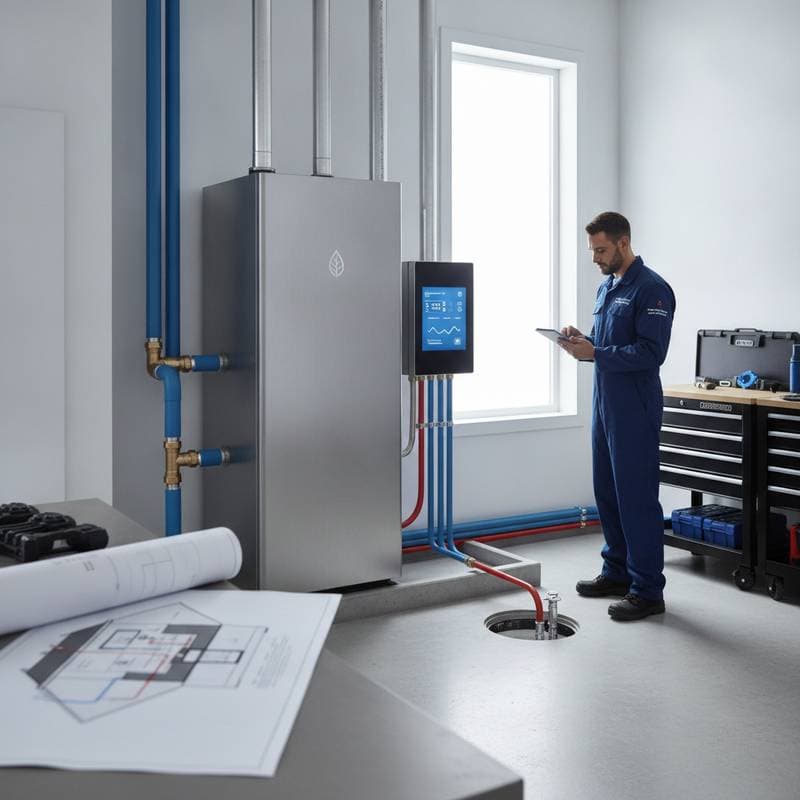
A qualified installer evaluates soil conditions and property layout to select the best loop type. Certification from recognized geothermal organizations ensures proper loop placement and equipment sizing.
Pairing the system with a modest solar array or smart thermostat controls can push annual energy use even lower. Variable speed fans and upgraded ductwork add another 10 to 15 percent reduction in operating costs.
Maintenance Requirements and Longevity
Buried loops remain functional for 50 years or longer with minimal intervention. Indoor components typically last 25 years before replacement. Professional service visits every two to three years maintain refrigerant charge and pump operation.
Elimination of outdoor condensing units reduces noise and weather related repairs. In humid climates the system provides steady dehumidification that improves indoor air quality.
Environmental and Grid Benefits
Each installation displaces several tons of carbon emissions each year compared with fossil fuel systems. Reduced peak demand on the electric grid supports broader community resilience.
Many municipalities offer property tax abatements or low interest financing for qualifying projects. These incentives strengthen local economies while advancing clean energy goals.
Integration With Solar for Greater Independence
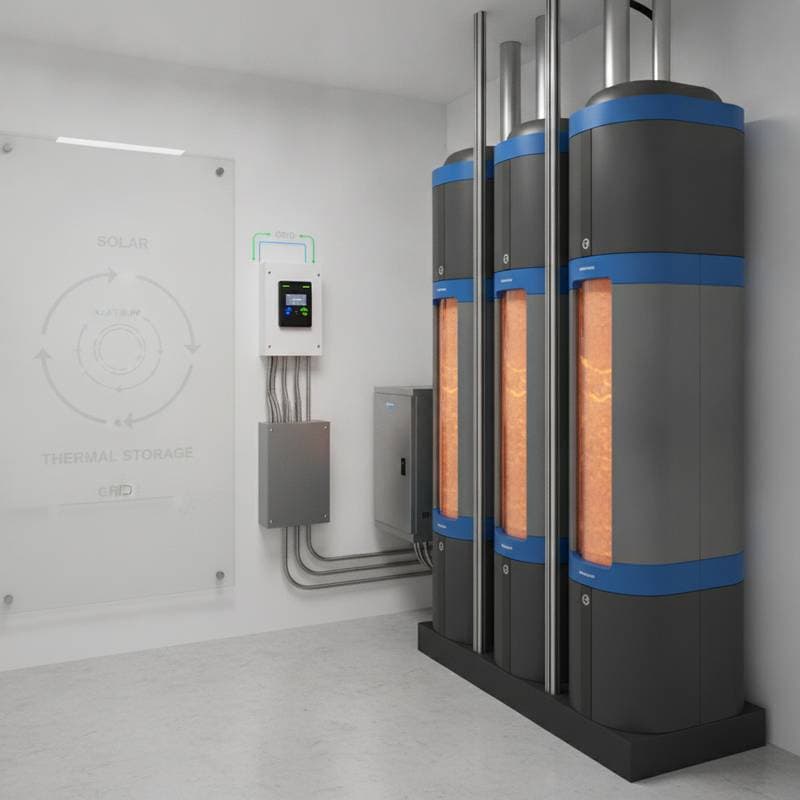
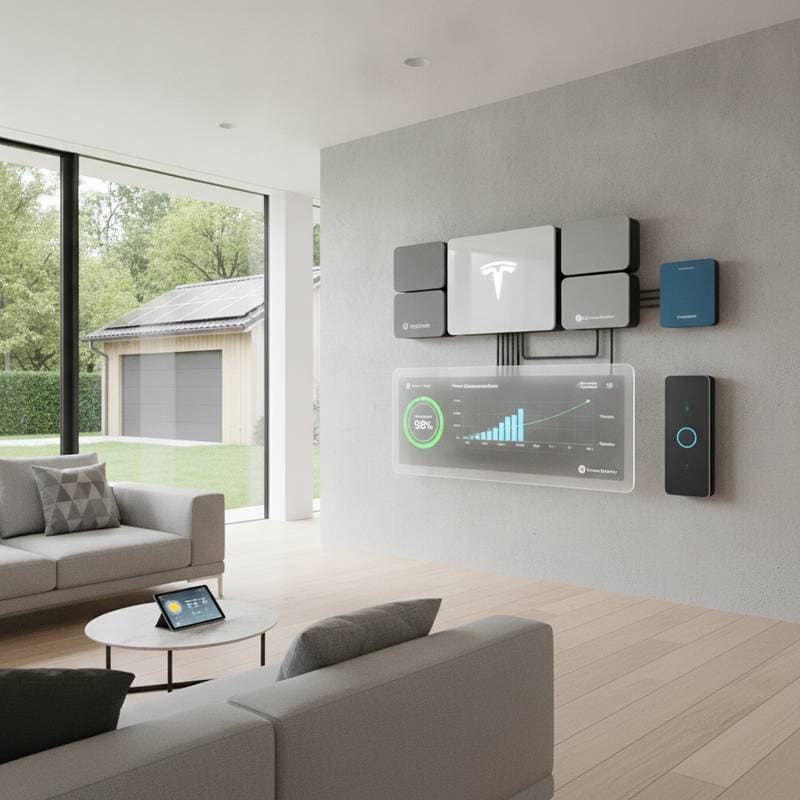
Geothermal and solar technologies address complementary loads. Geothermal manages heating and cooling while solar supplies electricity. A small solar array sized to the geothermal pump can approach net zero energy performance.
Battery storage allows excess solar production to run circulation pumps after dark. The combination delivers consistent comfort across seasons with minimal grid reliance.
Preparing for Installation
Begin with site assessments from multiple certified contractors. Compare equipment efficiency ratings, loop designs, and warranty terms before selecting a team. Homes with existing ductwork often accommodate retrofits with limited disruption.
New construction or major renovations allow loop installation during excavation phases, lowering overall expense. Track energy use during the first year to verify savings and adjust controls for optimal results.
Space and Site Considerations
Horizontal loops generally need one quarter to one half acre of open land. Vertical systems require only a compact drilling area and suit constrained urban lots. Local codes may mandate permits for groundwater protection or soil disturbance.