Geothermal Systems Achieve Payback in Under 10 Years
Key Points
- Geothermal heating and cooling costs have dropped by nearly half, making the technology accessible for a wider range of homeowners.
- New drilling innovations and simplified installation processes are driving the price decline.
- Homeowners can now expect faster returns on investment, with many systems paying for themselves in less than a decade.
- Local incentives and federal credits further increase affordability, especially for those seeking long-term sustainability and lower utility bills.
Why Costs Are Falling So Rapidly
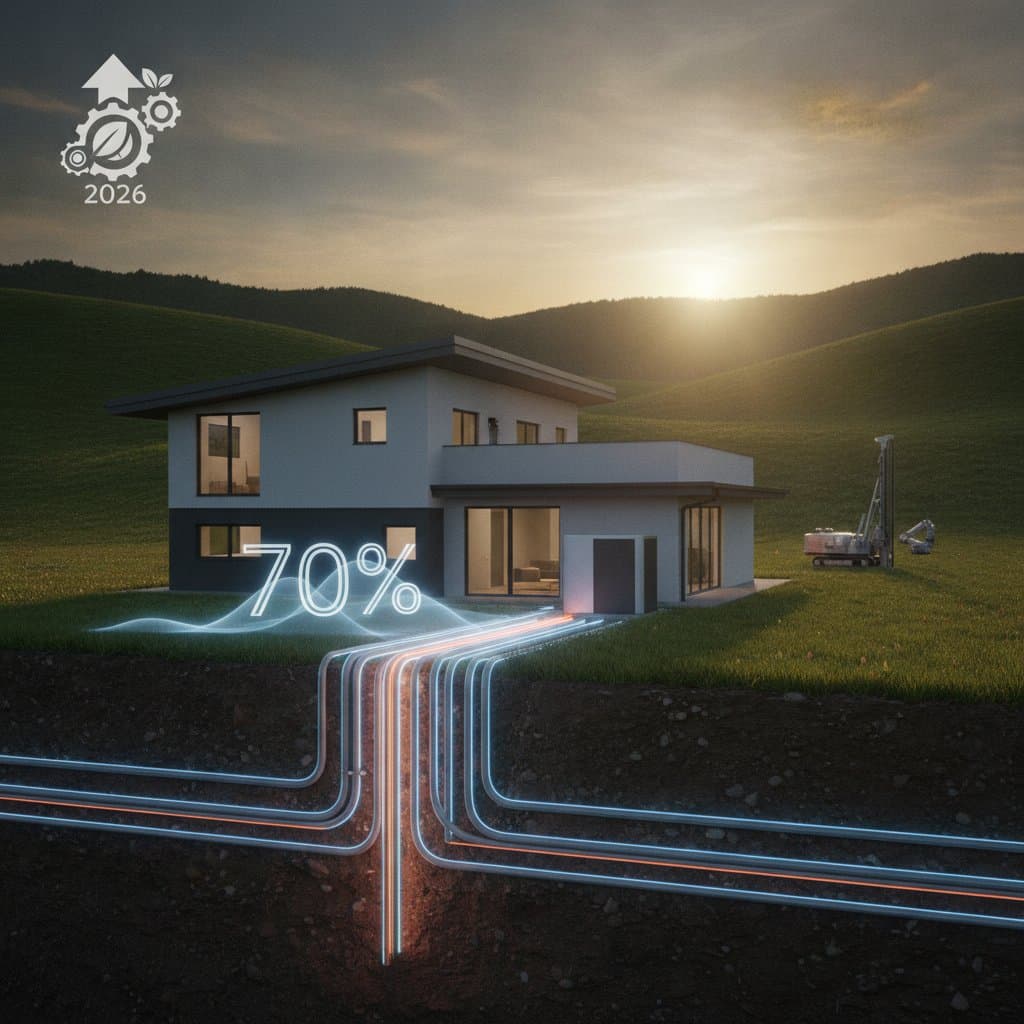
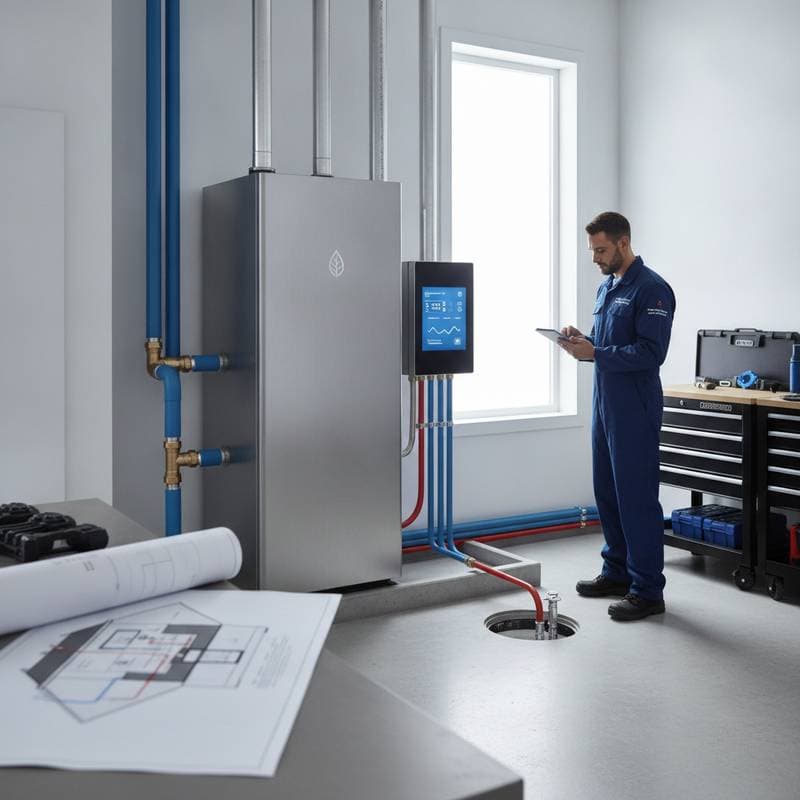
Advances in drilling and loop installation represent the primary driver behind the cost reduction. Traditional vertical boreholes once required heavy machinery and long labor hours. Compact rigs and horizontal loop designs have cut both time and expense. Installation timelines have shrunk from several weeks to just a few days in favorable soil conditions.
Manufacturers have also streamlined production of heat pump units. They now use modular components that lower manufacturing costs and simplify repairs. These efficiencies, paired with greater demand, have pushed the market toward economies of scale. More people choosing geothermal technology means lower prices for everyone.
A surge of local and federal incentive programs adds another factor. Some municipalities now offer rebates covering up to 30 percent of the total project cost. Certain utility companies provide low-interest financing. When paired with long-term energy savings, these incentives can push the payback period into a very manageable range.
How Geothermal Heating and Cooling Works
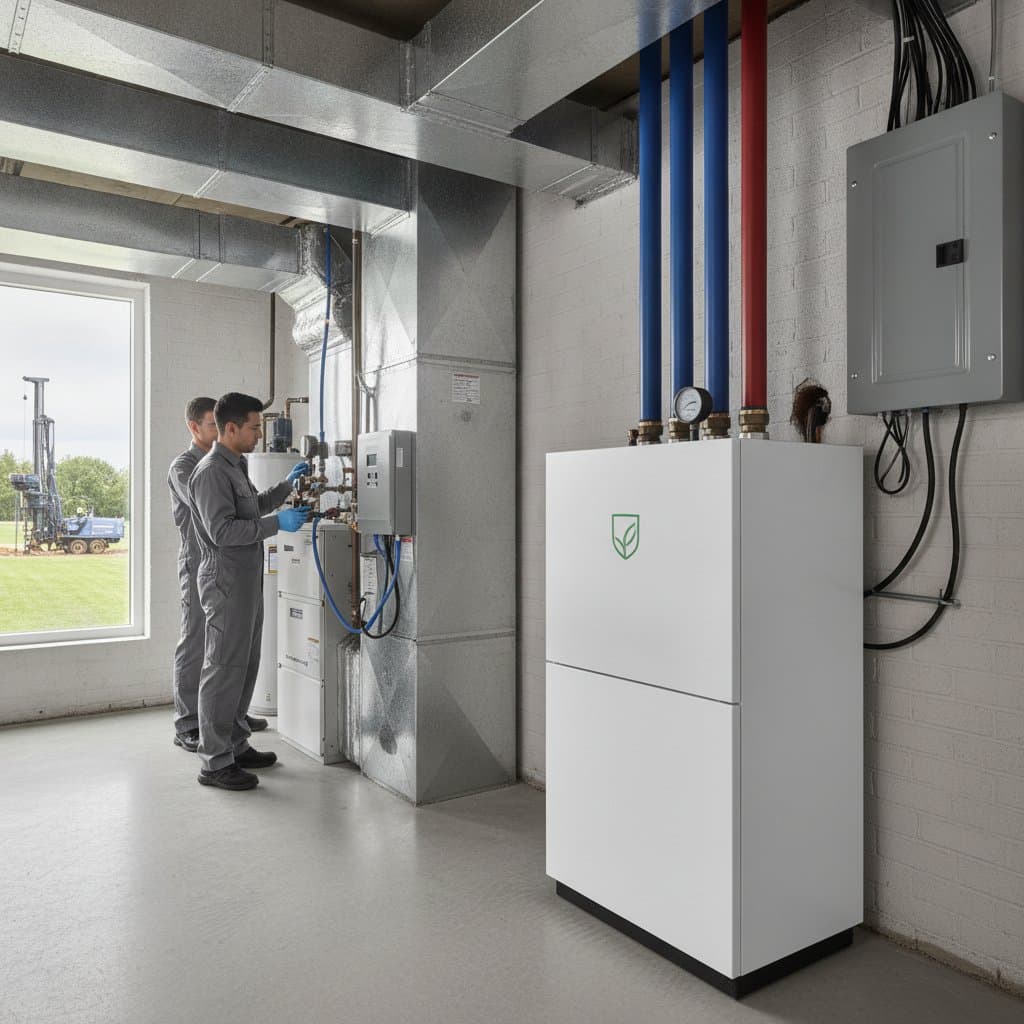
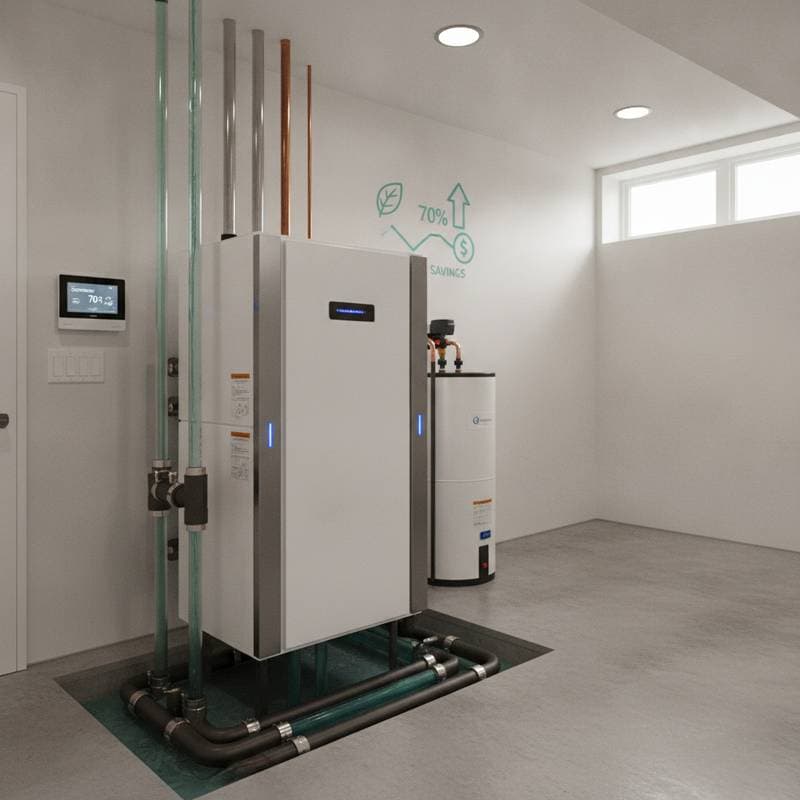
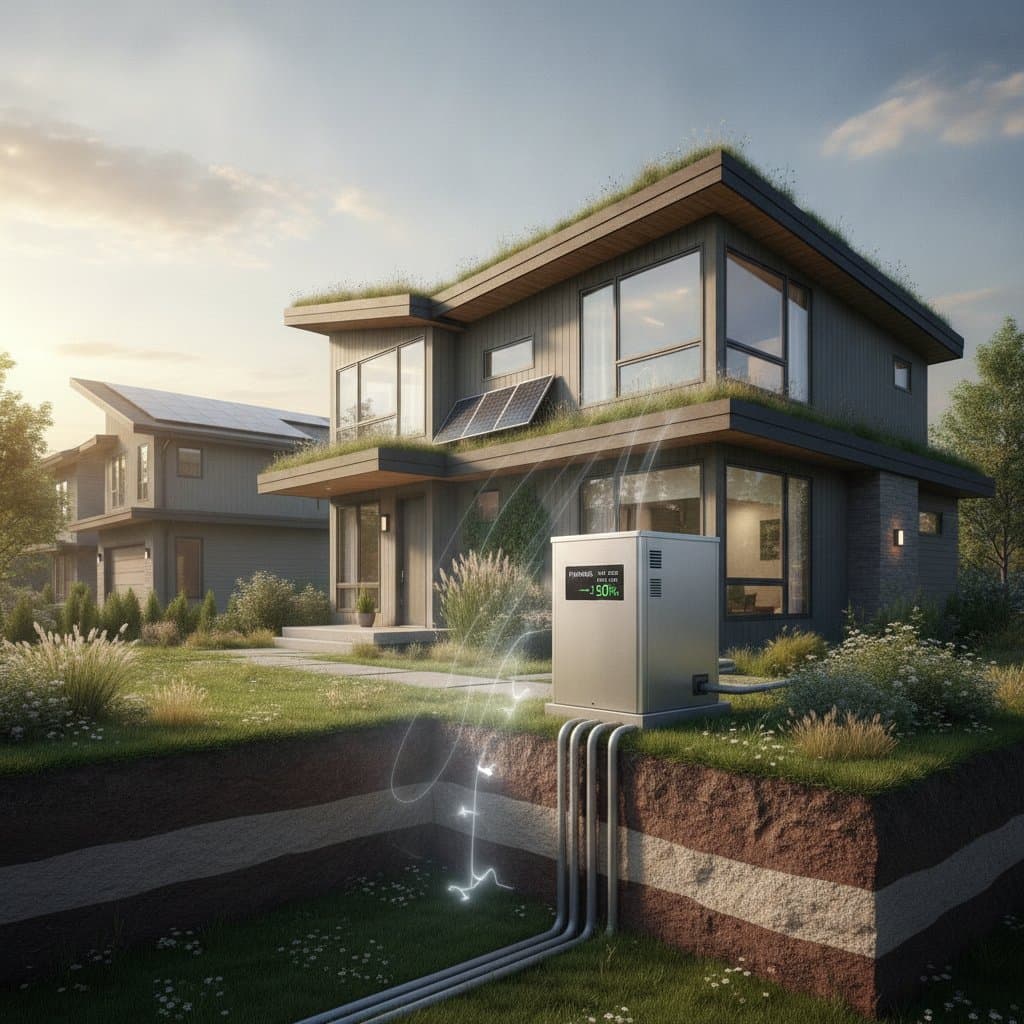
A geothermal system transfers heat between a home and the ground at its core. Beneath the frost line, the earth maintains a relatively constant temperature. A network of buried pipes, known as the ground loop, circulates fluid that absorbs or releases heat depending on the season. Inside the home, a heat pump moves that energy through ductwork or radiant floors.
The process functions as a natural exchange between the home and the planet. In winter, the system draws warmth from the earth and brings it indoors. In summer, it reverses the process and carries heat from the house back underground. The earth acts as both a heat source and a heat sink, so the system avoids the inefficiencies of air-based systems that battle outdoor temperature extremes.
Expert Tips to Boost Home Eco-Efficiency
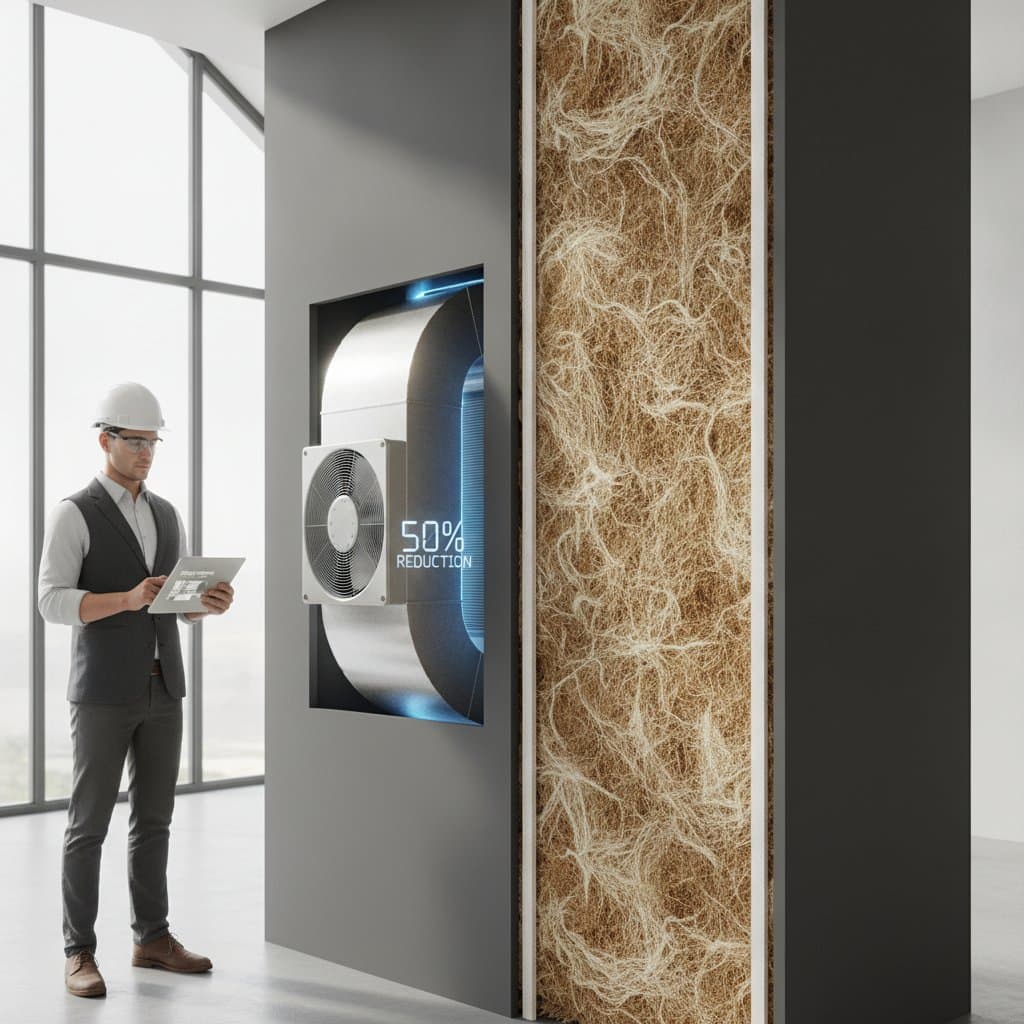
- Optimize insulation as the geothermal system partner. Properly sealed walls and attics prevent heat loss and reduce the workload on the heat pump.
- Use programmable thermostats to set precise temperature ranges that match daily schedules for maximum savings.
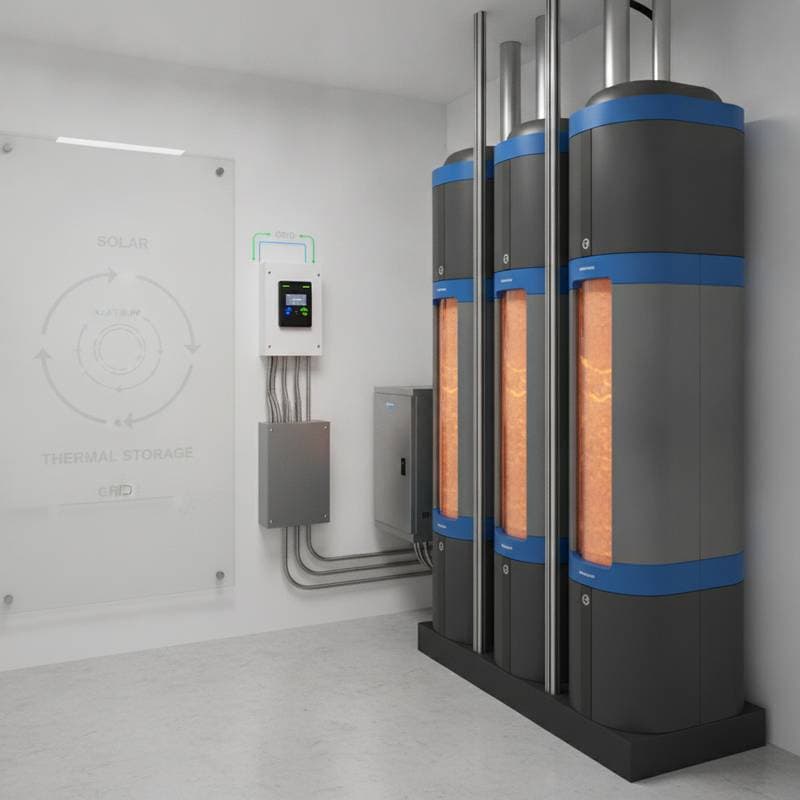
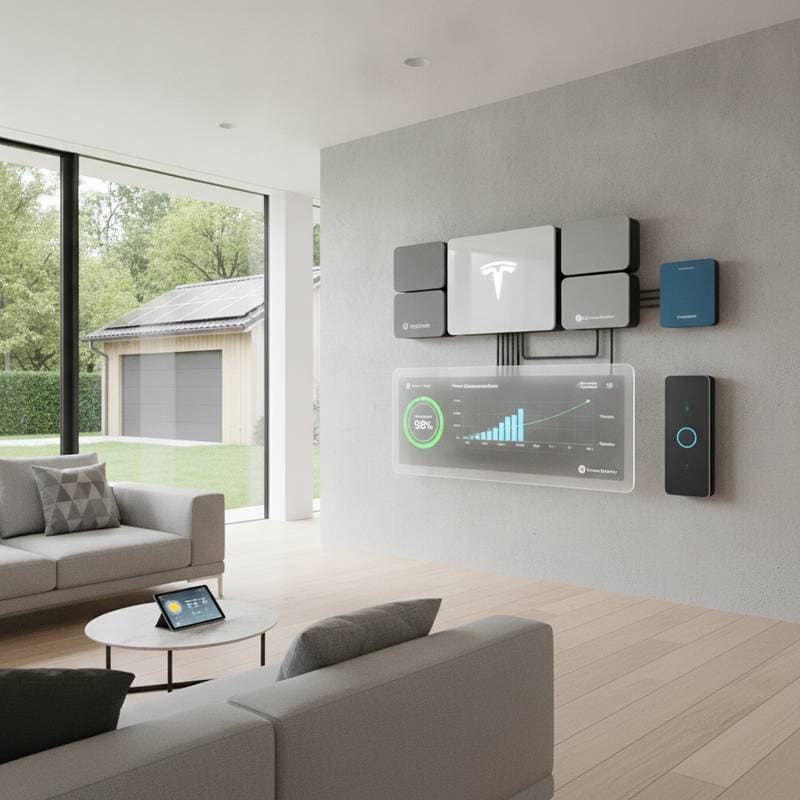
- Integrate solar power to pair geothermal with solar panels and create a near net-zero energy household.
- Monitor performance with smart energy monitors that track real-time consumption and allow adjustments for peak efficiency.
A green building expert recommends combining these strategies for a holistic approach that balances comfort, cost, and sustainability.
Exploring Geothermal Options for Your Home
Geothermal energy once carried the stigma of being too costly or complex. Those days are gone. The combination of lower installation costs, robust incentives, and proven performance has turned it into one of the most compelling home upgrades available. Whether building new or retrofitting an existing property, this technology can deliver consistent comfort and long-term savings that rival any modern energy solution.
Homeowners have seen heating bills cut in half after installation. That sense of relief is exactly what makes geothermal so rewarding. It is not just about installing new equipment but about investing in a cleaner, more predictable future for the home and community.
Reach out to a vetted green building expert for guidance on local soil conditions, rebate structures, and efficiency targets. With the right support, the next heating upgrade can be both eco-friendly and financially smart.
Frequently Asked Questions
Q: How long does a geothermal system last?
A: The underground loop can last over 50 years, while the indoor heat pump typically serves 20 to 25 years with routine maintenance. This longevity offsets the initial investment.