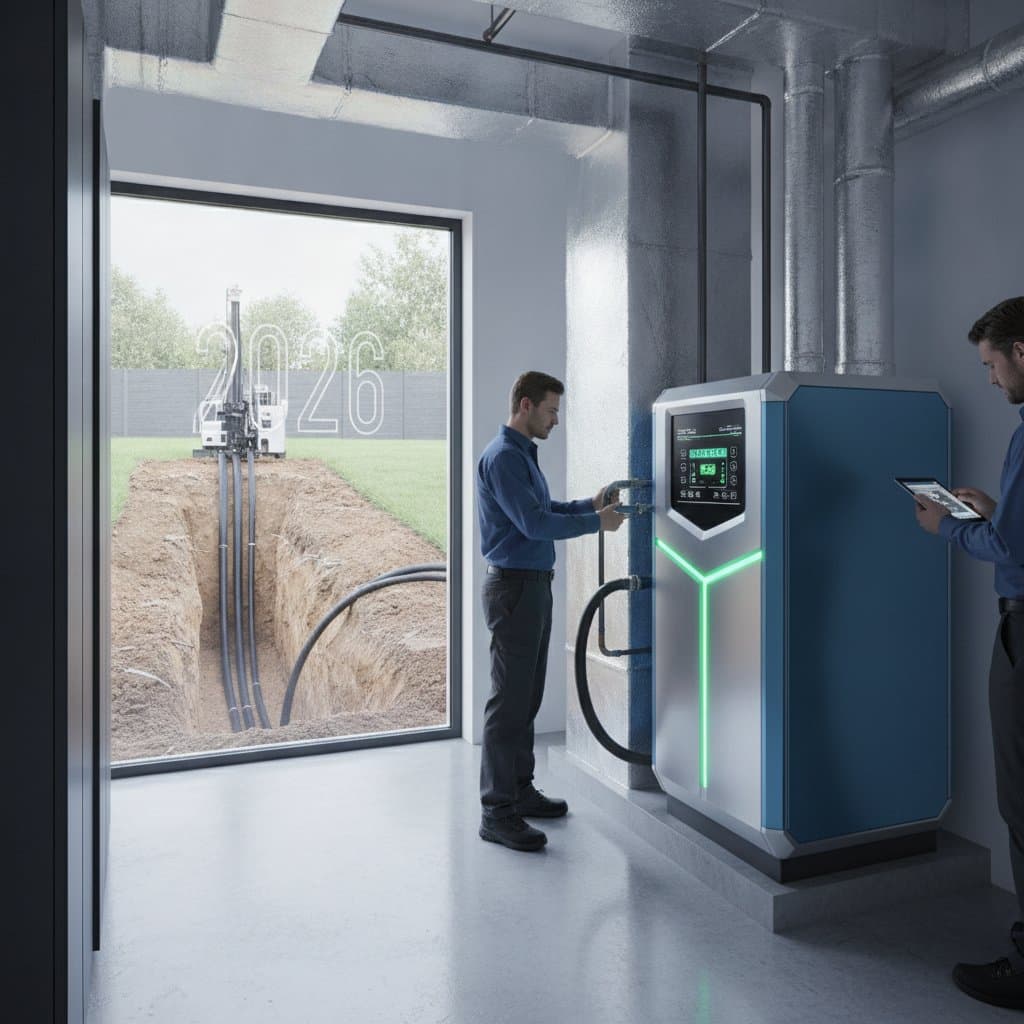
Key Points
- New geothermal tax credits can triple the return on HVAC system investments through extended rebates and energy savings.
- Ground source heat pumps now deliver higher efficiency and longer term payoffs than ever before.
- Expert installation and strategic planning are essential to maximize both financial and environmental benefits.
Geothermal Systems and Investment Returns
As a green building professional I have seen many homeowners hesitate at the upfront cost of geothermal systems. The idea of drilling into the ground for heating and cooling sounds complex. The price tag can feel intimidating. Yet the latest geothermal incentives have changed the equation. Your HVAC upgrade can pay back faster than expected while creating a home that operates with quiet renewable comfort.
If you face rising energy costs this is an opportunity to modernize your home with a system that works with nature. The ground beneath your property can be the most stable energy resource available. The new credits make tapping into it far more affordable.
Benefits of Ground Source Heat Pumps
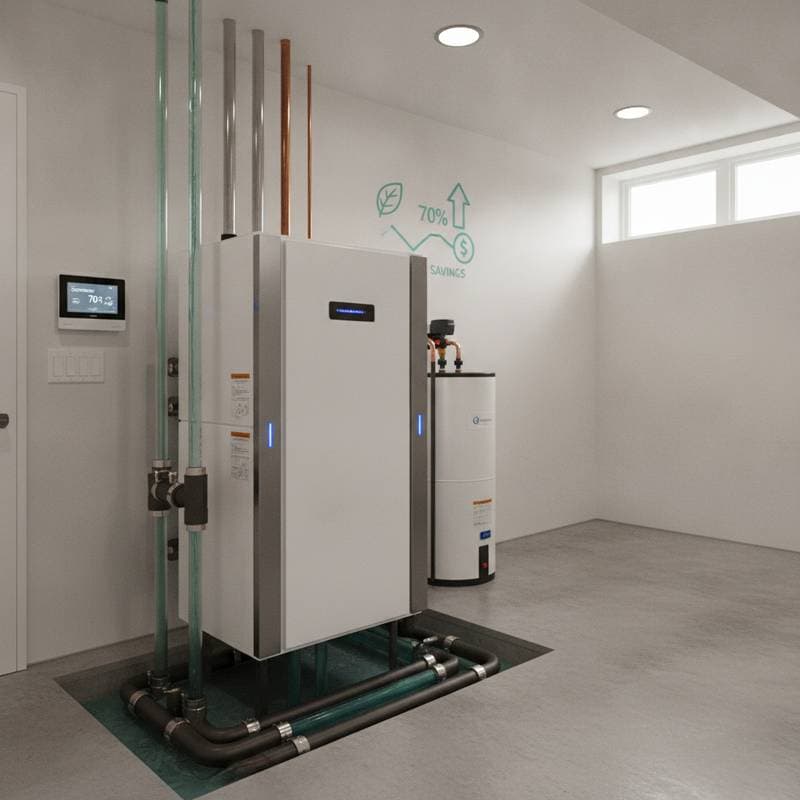
Ground source heat pumps draw consistent temperatures from several feet below the earth surface to heat and cool a home efficiently. Unlike air source units that battle outdoor temperature swings these systems maintain steady performance year round. This stability translates into energy savings of up to 70 percent on heating and 50 percent on cooling compared with conventional HVAC systems.
From years in the field I have seen geothermal systems last twice as long as traditional units. Underground piping often exceeds a 50 year lifespan. The durability and low maintenance make them a long term investment rather than a routine expense.
The 2026 Geothermal Incentive Structure
The new geothermal incentive structure benefits homeowners and builders alike. The credits can now cover a substantial portion of installation costs. For many households this means recovering up to one third of system cost through direct tax incentives plus an additional return through energy savings over time.
When combined with local rebates and potential utility partnerships these credits can triple return on investment compared with older programs. The result is a faster payback period often within five to seven years and a long horizon of low operating costs.
Consult both your installer and a tax professional early in the planning process. The paperwork and eligibility requirements can be technical. Expert guidance ensures you capture the full benefit.
Steps to Optimize Returns from Geothermal Systems
- Start with a professional energy audit. Before you install a geothermal system have your home assessed for insulation quality and air leakage. A tight building envelope ensures that your new system performs at peak efficiency.
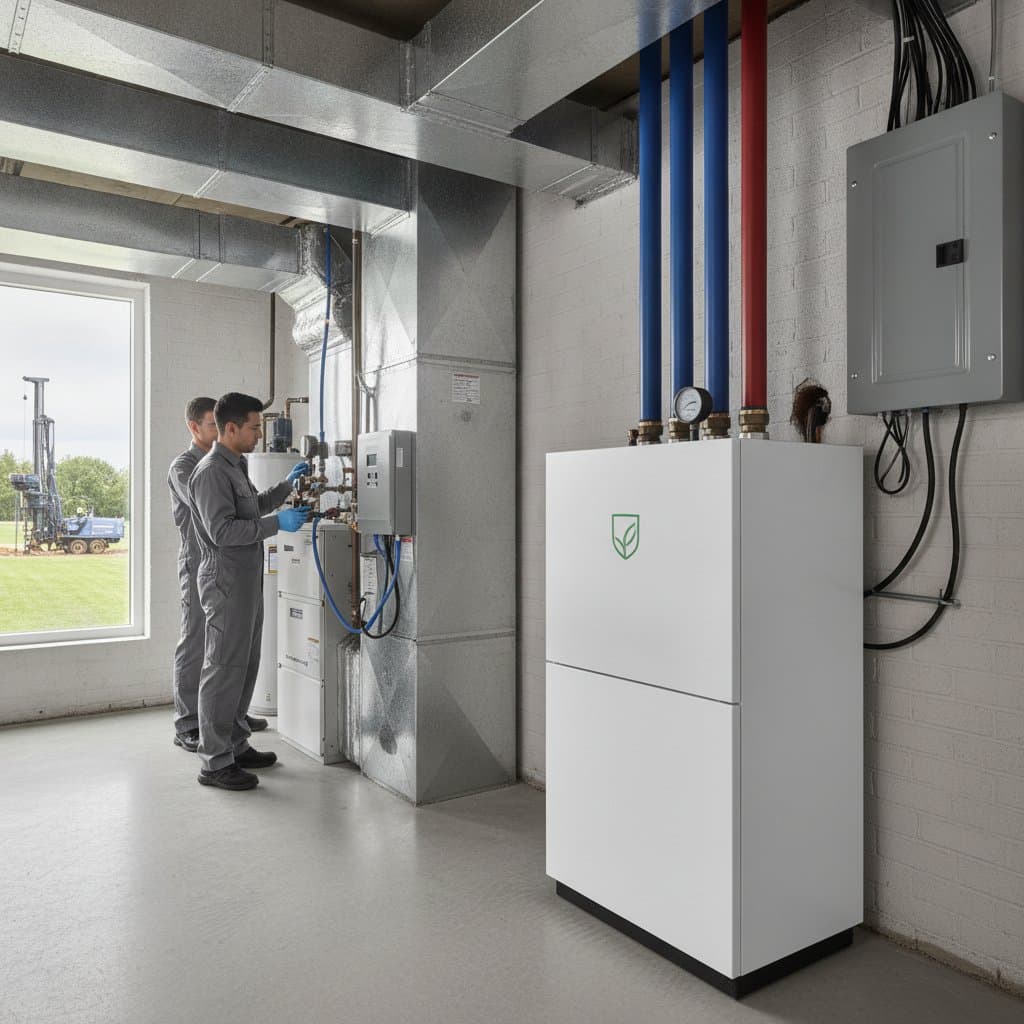
- Choose the right loop type for your site. Your installer may recommend horizontal vertical or pond loops depending on your property layout and soil conditions. Each configuration has unique cost and performance factors.
- Integrate smart controls. Pair your geothermal unit with a programmable or smart thermostat. Automated scheduling can add another 10 to 15 percent in energy savings each year.
- Consider a hybrid setup. In regions with extreme cold pairing geothermal with a small supplemental heat source can balance comfort and efficiency without driving up electric demand.
- Document everything for tax credits. Keep all receipts certifications and manufacturer documentation. Missing paperwork can delay or reduce your credit approval.
Cost and Performance Considerations
Initial installation costs typically range from 18000 dollars to 32000 dollars depending on system size and site conditions. While this may seem steep the combination of new credits and energy savings often offsets the higher upfront price within a few years. After that operating costs remain minimal.
Geothermal systems also reduce greenhouse gas emissions by up to 40 percent compared with fossil fuel heating. For homeowners seeking LEED or Energy Star certification these systems contribute valuable points toward compliance.
Safety is another key factor. Geothermal systems have no combustion risk no venting requirements and minimal noise. They rely on stable ground temperatures so you avoid the strain that outdoor equipment faces during heatwaves or cold snaps.
Planning Your Geothermal Installation
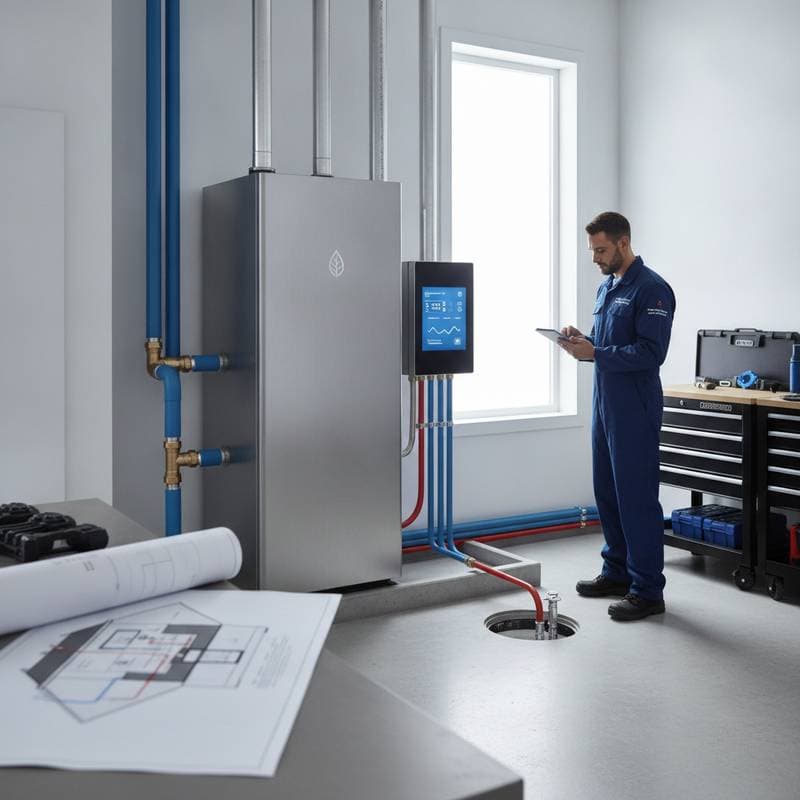
If you are ready to take advantage of the geothermal credit boost start by scheduling a site evaluation with a certified installer. Ask for detailed energy modeling that compares your current utility usage to projected geothermal performance. Most homeowners find that the long term savings far outweigh the initial commitment.
Reach out to a vetted green building expert for a no obligation consultation. You will receive guidance on system sizing credit documentation and local rebates that can multiply your overall return. The key to success lies in planning early and choosing professionals who understand both the technology and the evolving incentive landscape.
When you install a geothermal system under the new credit program you are investing in a cleaner more resilient home that will serve your family for decades. The steady operation of ground sourced comfort is your reminder that sustainability can be both practical and rewarding.