Earn Real Cash with Grid-Interactive Water Heaters
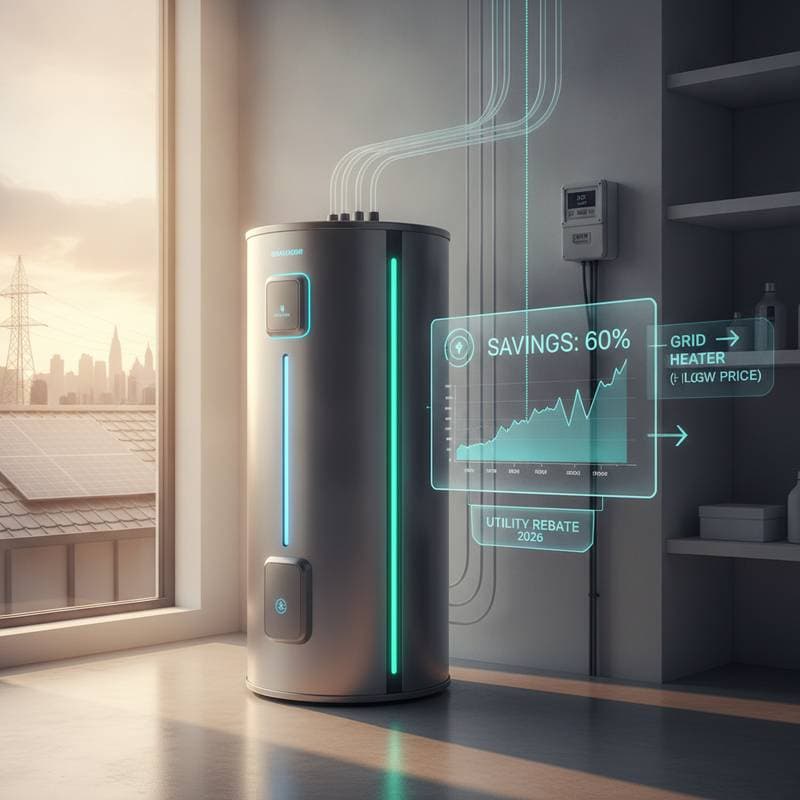
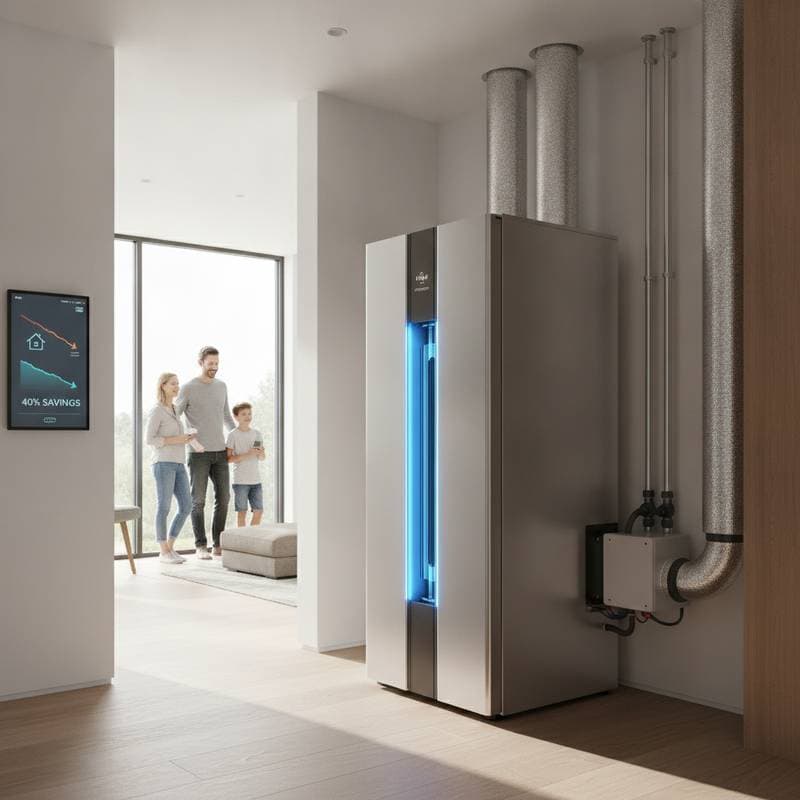
Home appliances rarely generate income, yet grid-interactive water heaters offer homeowners a practical way to earn through utility demand response programs. These advanced systems heat water efficiently while contributing to grid stability. Participants receive financial rewards that offset costs and promote sustainable energy practices.
Key Points
- Grid-interactive water heaters adjust energy consumption dynamically to match grid demands, balancing supply and peak loads.
- Homeowners earn $50 to $300 per year via utility incentives tied to program participation.
- Intelligent controls ensure seamless integration with minimal disruption to hot water supply or daily routines.
- These units extend equipment lifespan and lower overall household energy expenses by up to 15 percent.
- Collective involvement fosters a more reliable and eco-friendly power grid, facilitating greater renewable energy adoption.
How You Can Earn Cash
Utilities reward homeowners for integrating compatible devices into demand response initiatives. Compensation structures differ by provider, but common options include:
- Direct annual payments upon enrollment of the water heater.
- Bill credits or discounted rates applied during targeted control periods.
- Performance-based rewards that scale with the frequency and effectiveness of participation.
For instance, certain utilities provide an initial enrollment incentive of approximately $50, followed by recurring payments of $25 to $200 annually based on grid support levels. Once connected to the utility's platform, these rewards process automatically. Beyond direct earnings, optimized heating schedules reduce energy use by 8 to 15 percent, yielding additional monthly savings without altering household habits.
The Technology Behind the Savings
Grid-interactive water heaters integrate three essential components for optimal performance:
- Smart Controls: These systems monitor and adapt heating cycles to align with usage patterns and external signals.
- Thermal Storage: The tank functions as a heat reservoir, capturing energy during low-cost or high-renewable periods.
- Two-Way Communication: Real-time exchanges with utilities enable rapid responses to demand shifts, often within seconds.
This setup allows utilities to redirect load from high-cost peak hours to more efficient times. For users, the water heater operates as an unobtrusive asset, generating value around the clock. Research from the Electric Power Research Institute indicates that such coordinated efforts can decrease peak demand by up to 15 percent, mitigating risks of outages and stabilizing energy prices community-wide.
Environmental and Community Benefits
Financial advantages draw interest, but the ecological impacts elevate the value of these systems. By relocating energy consumption to off-peak intervals, grid-interactive water heaters enable greater utilization of renewables such as solar and wind.
Excess power from favorable weather conditions often exceeds immediate needs. These heaters capture surplus energy, avoiding curtailment and minimizing dependence on fossil fuel-based generation. Consequently, residential water heating emissions could decline by as much as 50 percent with broad adoption, per findings from the National Renewable Energy Laboratory.
On a broader scale, aggregated participation from numerous households bolsters grid resilience. In scenarios involving severe weather or high demand, distributed load management maintains voltage stability and averts disruptions, safeguarding residences and commercial operations.
Addressing Common Concerns
Will This Affect My Comfort?
Smart algorithms preserve your set temperature preferences. Adjustments focus solely on timing, ensuring consistent hot water delivery without noticeable changes.
Is My Data Secure?
Utilities and manufacturers employ encrypted protocols for all interactions. Shared information limits to operational data, excluding personal details.
What If I Move or Replace the Unit?
Enrollment typically transfers to subsequent owners or links to replacement models. Utility support teams offer step-by-step assistance for transitions.
What If My Internet Connection Drops?
Devices incorporate offline protocols to sustain standard heating functions. Hot water availability remains unaffected during connectivity lapses.
The Bigger Financial Picture
Demand response participation complements broader energy planning. Pairing a grid-interactive water heater with solar panels or battery storage creates an adaptive system that amplifies returns.
Solar-generated heat stored during daylight hours supports evening use when rates peak, boosting self-consumption and accelerating investment recovery. Coordinating multiple appliances, including HVAC and electric vehicle chargers, through a central platform can further trim annual expenses by hundreds of dollars.
Market Trends and the Road Ahead
Demand response initiatives expand nationwide amid grid upgrade initiatives. Experts anticipate rapid growth in enrollment as awareness rises and smart appliances proliferate.
Leading manufacturers now embed connectivity in most electric water heater designs. Innovations like hybrid heat pump models with grid interfaces promise efficiency gains of up to 60 percent over conventional units, enhancing both savings and incentives.
Regulatory bodies and energy organizations advance standards for device compatibility across brands. This interoperability simplifies future integrations, streamlining access to programs for all users.
Steps to Activate Your Incentives
Transforming your water heater into an income source requires minimal effort. Start by verifying utility eligibility and selecting a compatible model during purchase or upgrade. Complete enrollment online or via app, then monitor rewards through your account dashboard. This approach delivers immediate financial gains, grid support, and environmental contributions tailored to your home.