Key Points
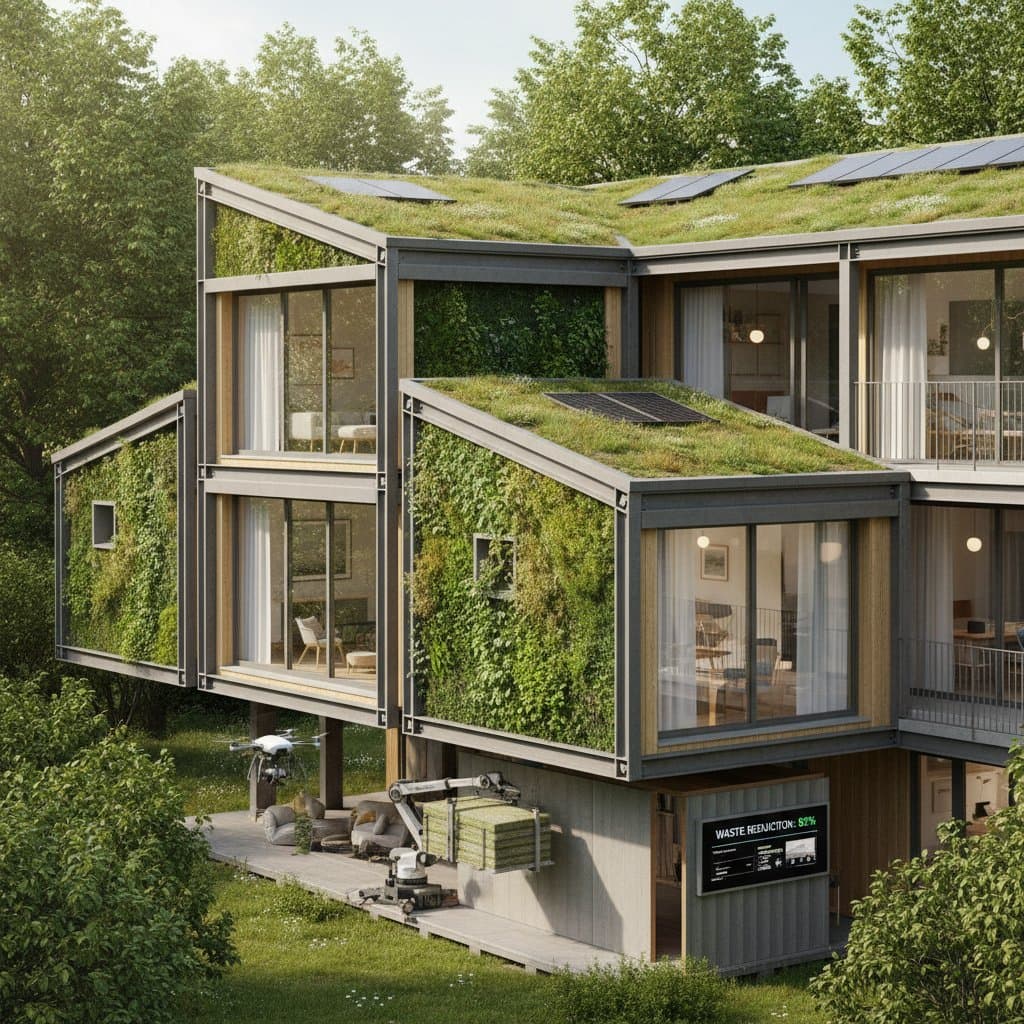
- Modular green additions integrate sustainable materials, off-site prefabrication, and energy-efficient features to expand homes with limited environmental impact.
- Prefabrication minimizes waste by up to 80 percent, shortens construction timelines, and reduces on-site disruptions.
- Owners realize ongoing savings from decreased energy expenses, elevated property values, and lower maintenance demands.
- Scalable designs accommodate diverse budgets and property configurations.
- Thorough planning, site evaluation, and expert collaboration ensure effective implementation.
The Rising Popularity of Modular Green Additions
Picture your backyard as the site for a desired home office, guest suite, or family room. Traditional expansion often brings prolonged noise, dust, and budget overruns. Modular green additions change this narrative by providing quicker, cleaner, and more sustainable options for increasing living space.
As individuals prioritize investments that merge comfort with ecological care, modular methods have moved from specialized approaches to widely adopted practices. This shift stems from two key trends. Rising housing demands favor energy-efficient builds, while escalating construction expenses arise from supply constraints and workforce issues. Prefabricated modular additions address these challenges through exact manufacturing, environmentally sound materials, and superior performance elements.
The Importance of Modular Green Construction
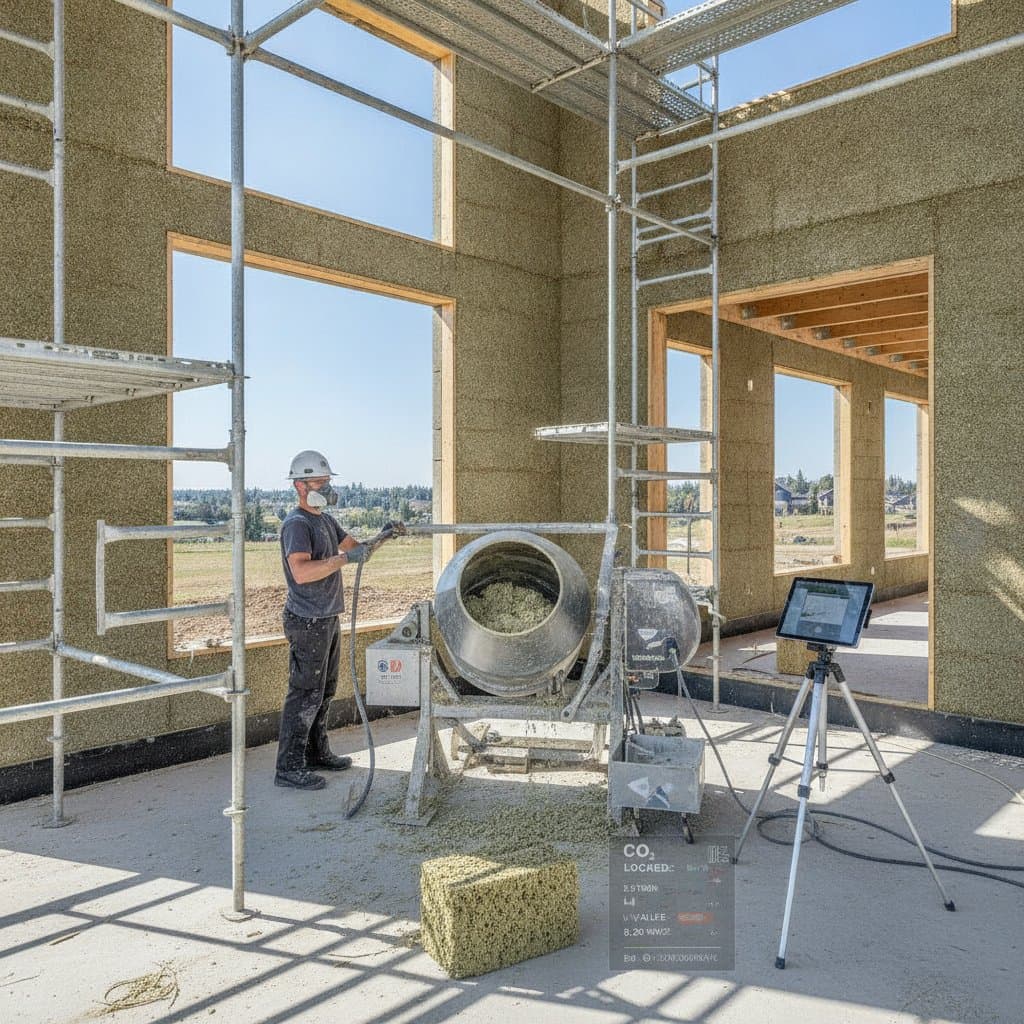
Home expansions extend beyond mere space increases. They build lasting value. Conventional methods produce substantial waste, directing excess materials to landfills. Modular approaches construct elements in regulated factory settings, where precise cuts and measurements optimize resource use. This yields a process that curtails waste and lowers energy use in production.
Financially, modular builds halve project durations relative to standard methods. Such efficiency lowers labor expenses, avoids weather interruptions, and limits lifestyle interruptions. When combined with sustainable tactics like passive solar alignment, superior insulation, and renewable energy incorporation, modular additions achieve significant utility cost reductions that persist over years.
The Process of Modular Additions
Modular additions start with meticulous planning and digital simulations. Architects and engineers develop detailed plans that align with the current home and adhere to regional regulations. After approval, modules undergo fabrication in a controlled setting, followed by transport to the location and assembly on a readied base.
Modules arrive complete with framing, insulation, plumbing, and wiring. This preparation removes field uncertainties, enabling crews to finish assembly in days instead of weeks. Factory conditions also guarantee elevated quality, shielding materials from dampness and impurities during buildup.
Primary Construction Stages
- Design and Planning: Collaborate with a designer to define objectives, finances, and visual style.
- Engineering and Fabrication: Employ advanced manufacturing to produce modules precisely from eco-friendly resources.
- Site Preparation: Set up bases, services, and entryways alongside module creation.
- Delivery and Assembly: Transport completed modules and link them fluidly to the present building.
- Finishing and Inspection: Apply concluding touches, interior elements, and efficiency checks to verify performance.
This concurrent approach drives modular efficiency. Site readiness occurs while modules build off-site, slashing overall timelines substantially.
Energy Efficiency and Ecological Advantages
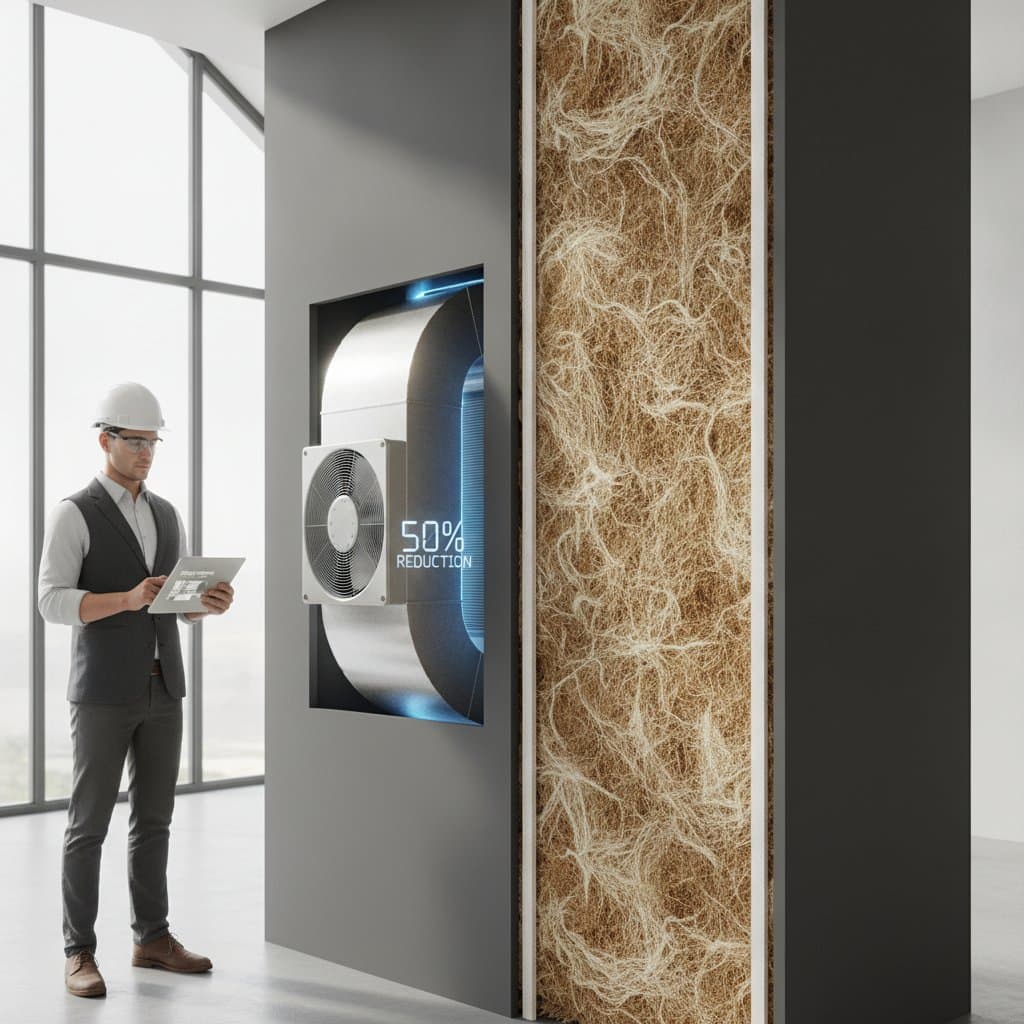
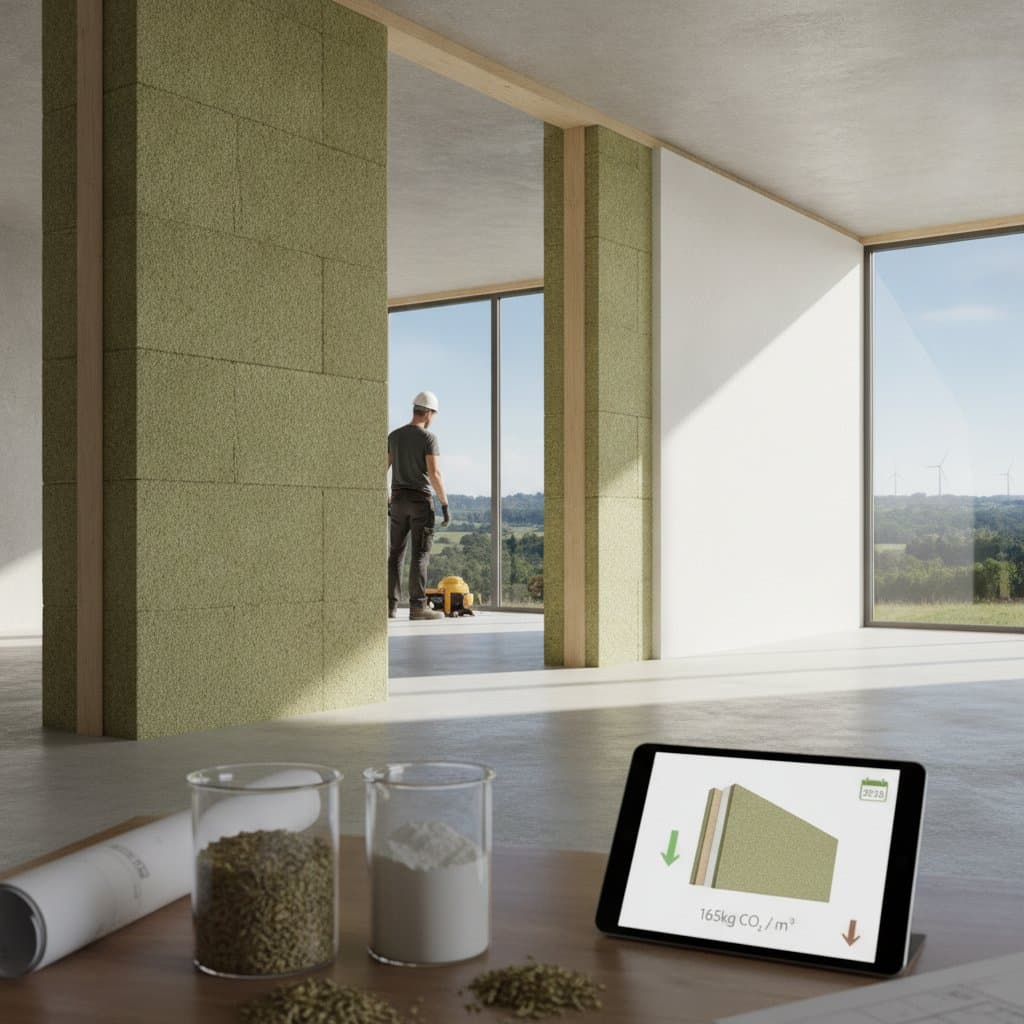
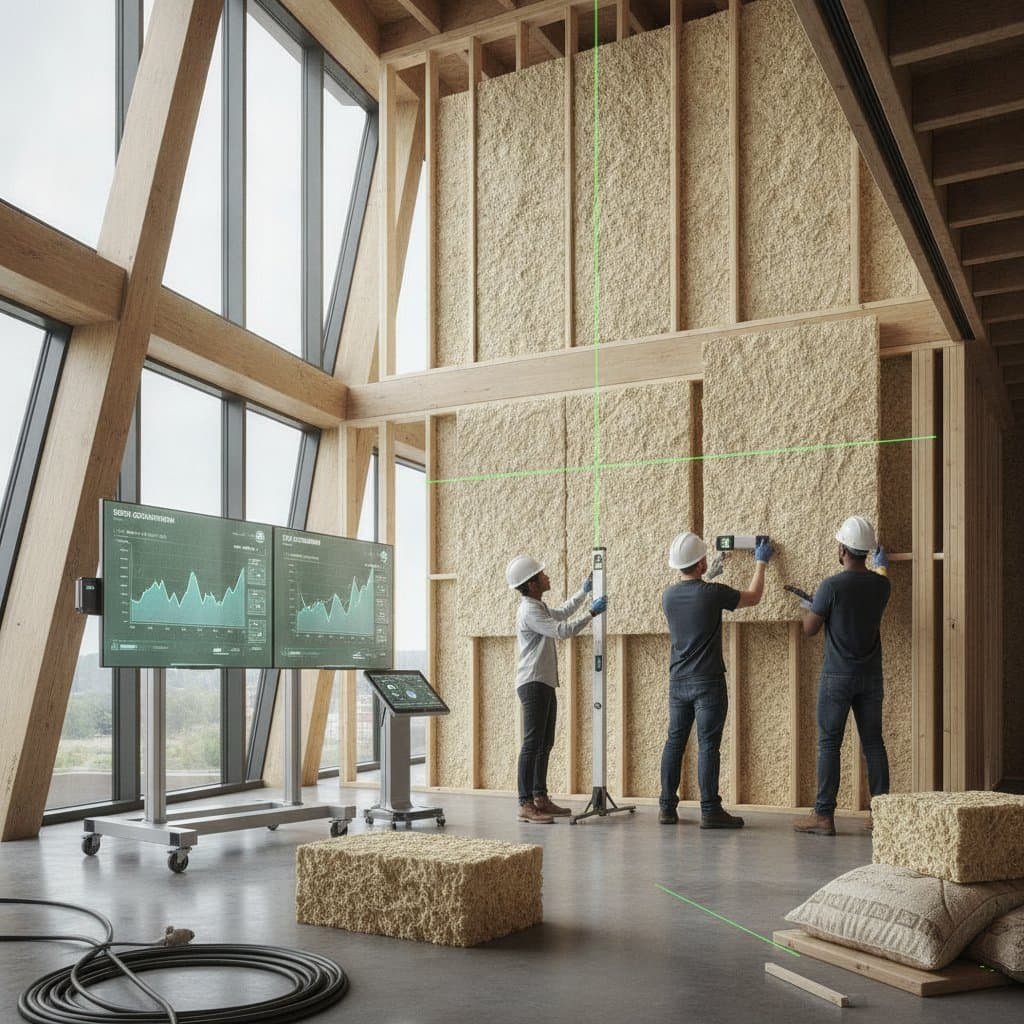
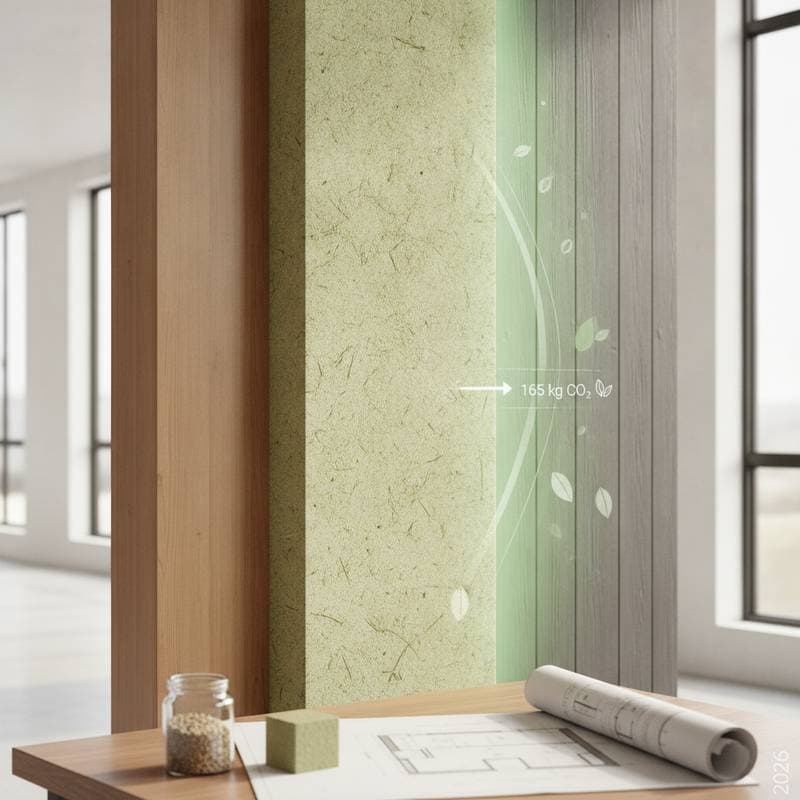
Sustainability in modular builds originates with material choices. Constructors favor renewable and reused options like cross-laminated timber, recycled metal, and low-emission composites. Insulation from cellulose or mineral wool boosts heat retention and promotes clean indoor atmospheres.
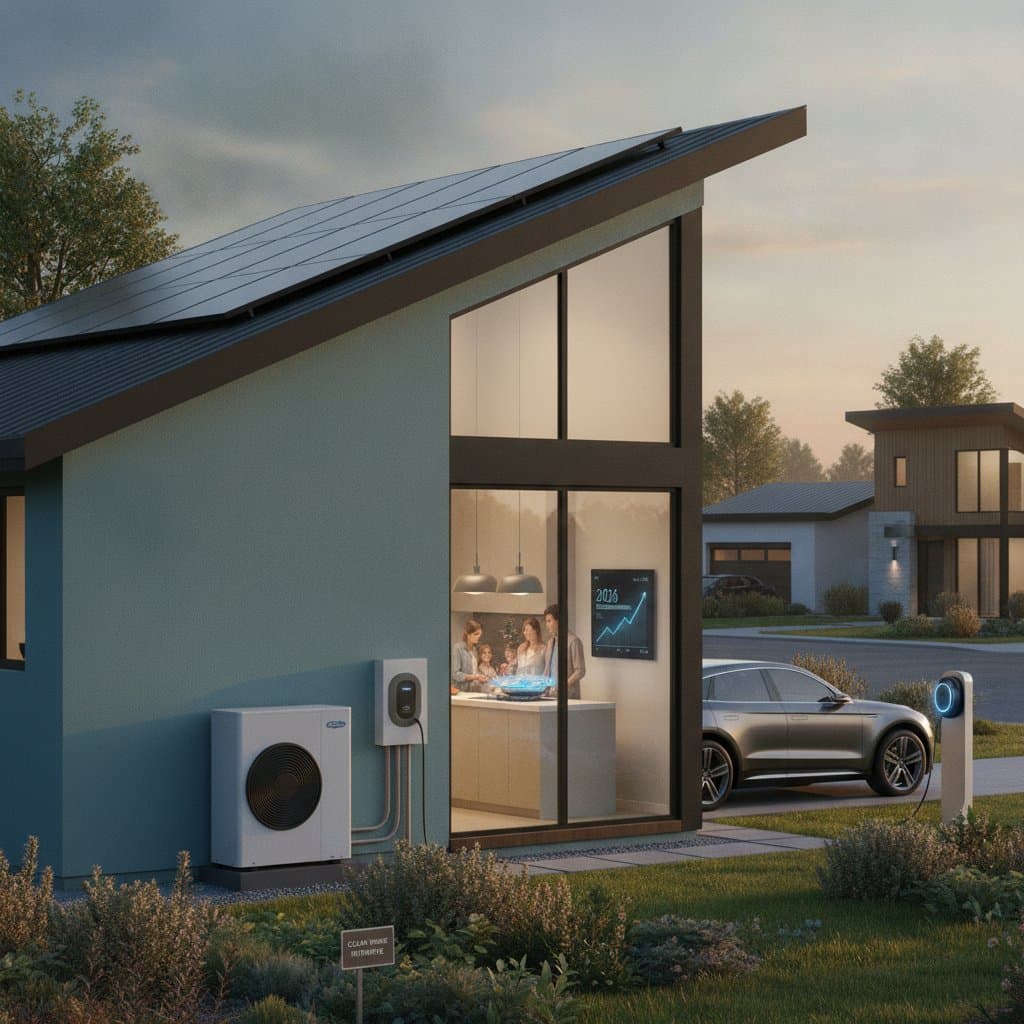
Benefits reach into daily operations. Designs surpass basic energy requirements via high-quality windows, sealed air barriers, and intelligent controls. Elements like solar-compatible roofs, water collection, and air recovery units diminish ecological effects and elevate livability.
A thoughtfully planned modular addition decreases energy use by 25 to 40 percent versus equivalent traditional spaces. These reductions foster strong investment returns, particularly with available incentives for efficient builds.
Steps for Energy Enhancement
- Align with passive solar principles to harness daylight and lessen heating requirements.
- Select triple-glazed windows for better insulation and sound reduction.
- Install efficient heating, ventilation, and air conditioning, such as mini-split units or heat pumps suited to modular setups.
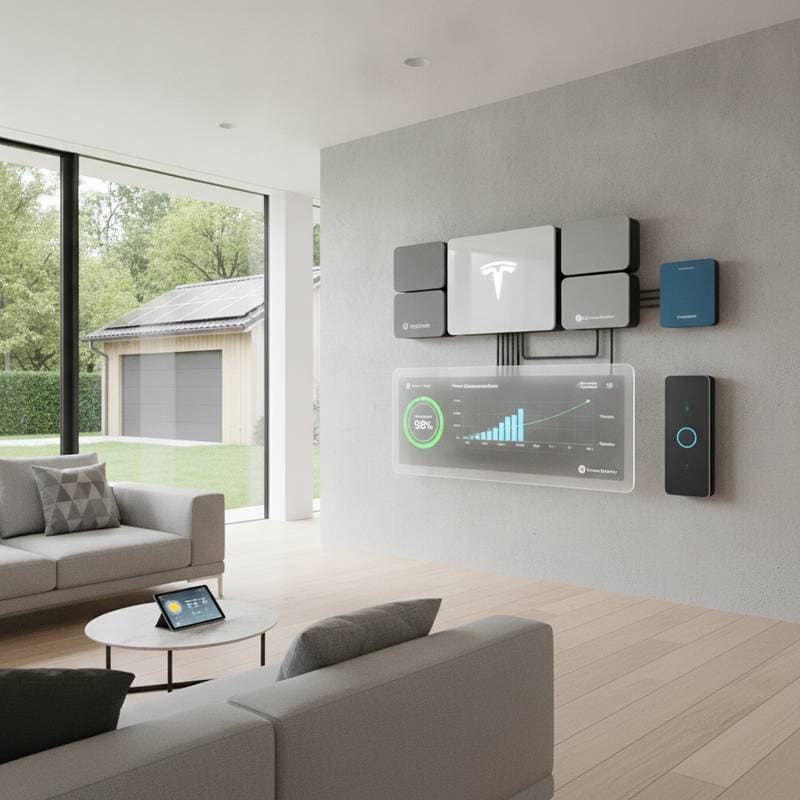
- Add renewable sources like roof-mounted solar panels to counter running expenses.
- Integrate smart thermostats and automated lights for responsive energy management.
These actions improve sustained effectiveness and uphold project ecology.
Cost and Return on Investment Factors
Individuals frequently inquire if modular additions prove economical. The response affirms this, yet comprehension demands examination past initial outlays.
Modular expansions typically cost 10 to 25 percent less than site-built alternatives, varying by materials, intricacy, and region. Savings derive from briefer durations, less waste, and optimized labor. Though premium modular options near custom build prices, they provide enhanced quality and sustainability at reduced lifetime expenses.
Sustained returns hinge on energy reductions and market appeal. Yearly utility decreases often recoup premiums quickly. Properties with green attributes fetch premium resale prices, as purchasers appreciate responsible, low-care additions.
Sample Return Breakdown
- Initial expense: $200 to $350 per square foot based on standards and inclusions
- Energy reductions: 25 to 40 percent drop in yearly utility bills
- Upkeep reductions: 10 to 15 percent cut in extended care costs
- Value uplift: 5 to 15 percent resale boost for green properties
This perspective positions modular green construction as a strategic asset enhancer.
Health and Well-Being Advantages
Sustainable approaches affect resident experiences profoundly. Modular additions using low-release materials, proper airflow, and ample light elevate air purity and wellness. Humidity control and pollutant filtration support breathing health and mental sharpness.
Numerous producers apply biophilic concepts, weaving in organic textures, light cycles, and nature views. These foster mental renewal, stress relief, and output gains, ideal for workspaces or leisure areas.
Well-Being Design Features
- Non-toxic coatings and bonds to limit indoor contaminants
- Natural airflow methods for sustained freshness
- Noise-dampening elements for serene settings
- Daylight and exterior access for emotional equilibrium
- Functional arrangements aiding movement and ease
Such upgrades gain priority, distinguishing modular from standard options.
Strength and Longevity
Modular green additions prioritize endurance. Factory oversight ensures uniform quality, dampness resistance, and solid frameworks. Modules withstand transit and setup rigors, resulting in builds tougher than typical framing.
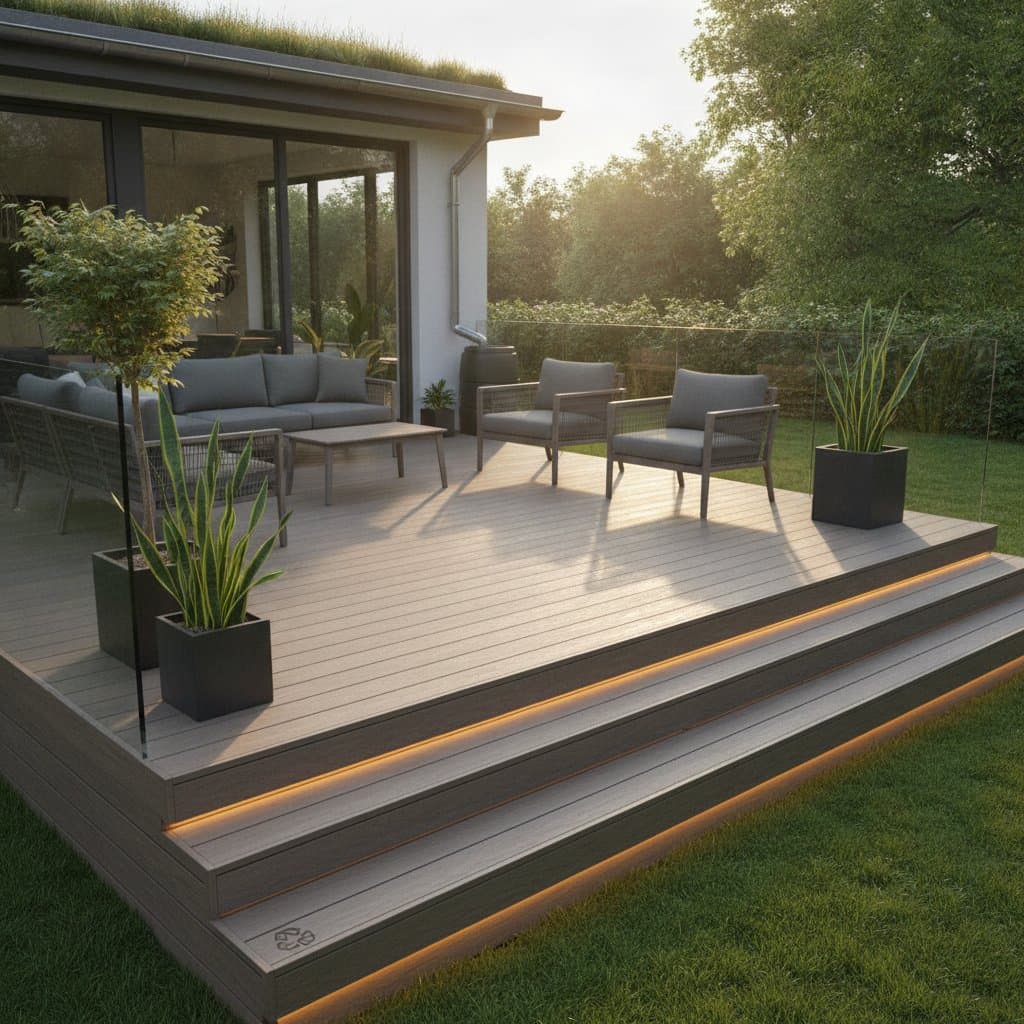
Robust choices like metal-fortified panels, preserved wood, and synthetic exteriors defy distortion, decay, and insects. These prolong structure life and curb repair needs. In harsh climates, adaptations include bolstered insulation, raised bases, or shatterproof glazing for added security and duration.
Strength also safeguards finances. Reliable additions minimize surprise costs and sustain worth, suiting long-term residents or heirs.
Preparation and Expert Collaboration
Effective modular projects initiate with defined aims, rules, and site analysis. Engage skilled architects, engineers, and suppliers promptly. Team alignment secures smooth structural and visual merger with current setups.
Critical Preparation Actions
- Site Evaluation: Assess ground firmness, pathways, and service links.
- Design Harmony: Align resources, slopes, and surfaces with the home.
- Approval and Standards: Verify modular details conform to local codes and efficiency norms.
- Funding Approach: Pursue eco-financing or upgrade loans favoring green work.
- Provider Choice: Select firms excelling in ecology and consistency.
These measures avert setbacks, excess spending, and merger problems. Specialists in modular work streamline progression from idea to finish.
Adaptable Designs Across Budgets
Modular additions excel in versatility. From small studios to extensive suites, systems adjust to financial and style needs. Basic versions employ uniform plans and basics for affordability, while advanced ones include luxury touches, personalization, and tech upgrades.
For constrained means, incremental growth allows starting small and expanding later. This suits evolving family dynamics, work demands, or aging-in-place needs.
Frequent Queries and Specialist Perspectives
How much time does a modular addition require? Projects generally conclude in months from plan approval to setup. Factory processes sidestep common traditional holdups.
Do modular additions blend with home aesthetics? Absolutely. Current techniques enable tailored exteriors, angles, and substances for fluid integration.
What upkeep do they demand? Needs stay low due to resilient builds and tight seals. Routine checks on connections, barriers, and mechanics suffice.
Do they remain sustainable long-term? Indeed. Endurance, efficiency, and flexibility prolong use. Modules often relocate or reuse, cutting future waste.
Do they comply with codes? Established makers exceed standards. Paired with adept contractors, full adherence follows.
Realizing Sustainable Home Growth
Modular green additions offer a pathway to enhanced living without ecological compromise. They deliver efficiency, savings, and resilience tailored to individual needs. By selecting this method, homeowners invest in spaces that nurture well-being and secure future value.