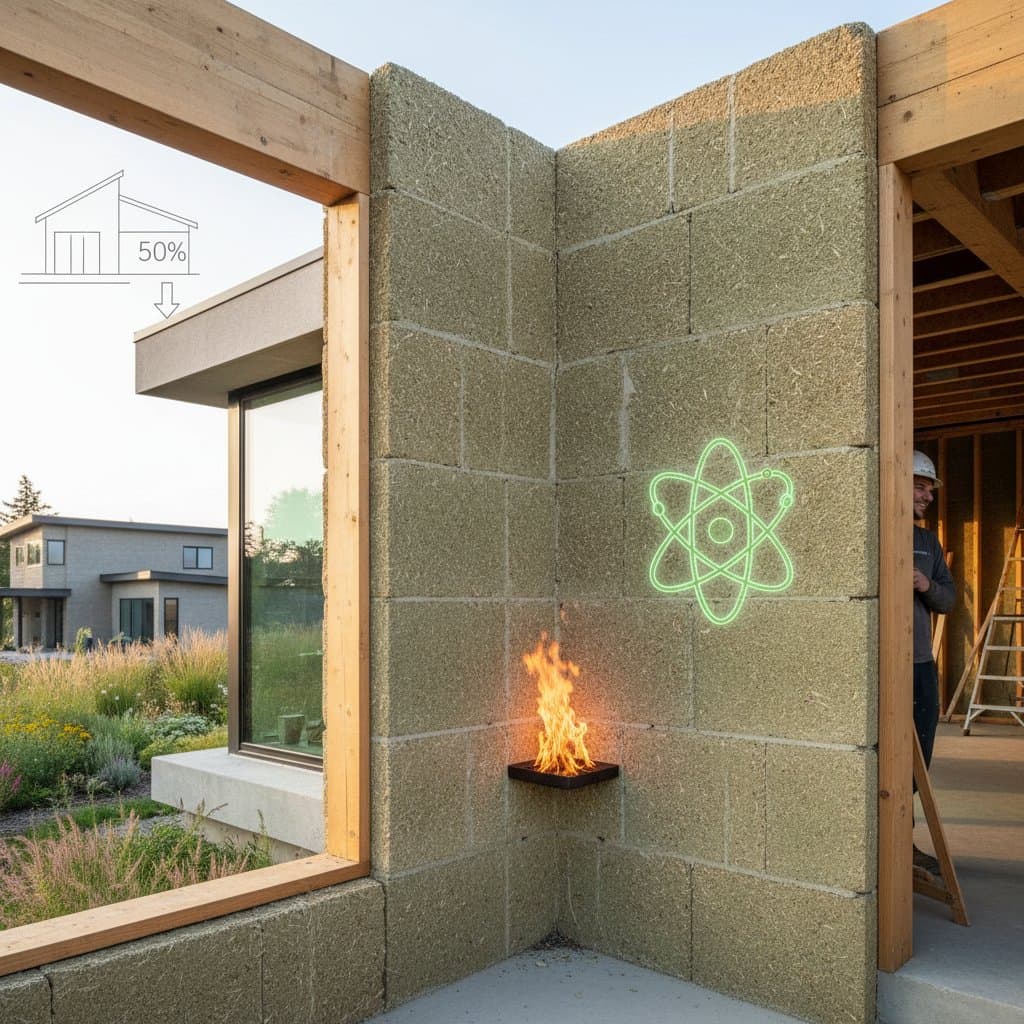
Hempcrete: A Fireproof Material Revolutionizing Sustainable Homes
Picture a residence that maintains cool temperatures during summer heat and retains warmth through winter chills, all while offering robust fire protection and contributing to cleaner air. This scenario represents the practical benefits of hempcrete, a bio-based construction material that reshapes eco-conscious building practices. With rising demand for environmentally responsible homes, hempcrete stands out by integrating safety, livability, and planetary stewardship into a single versatile solution.
Essential Benefits of Hempcrete
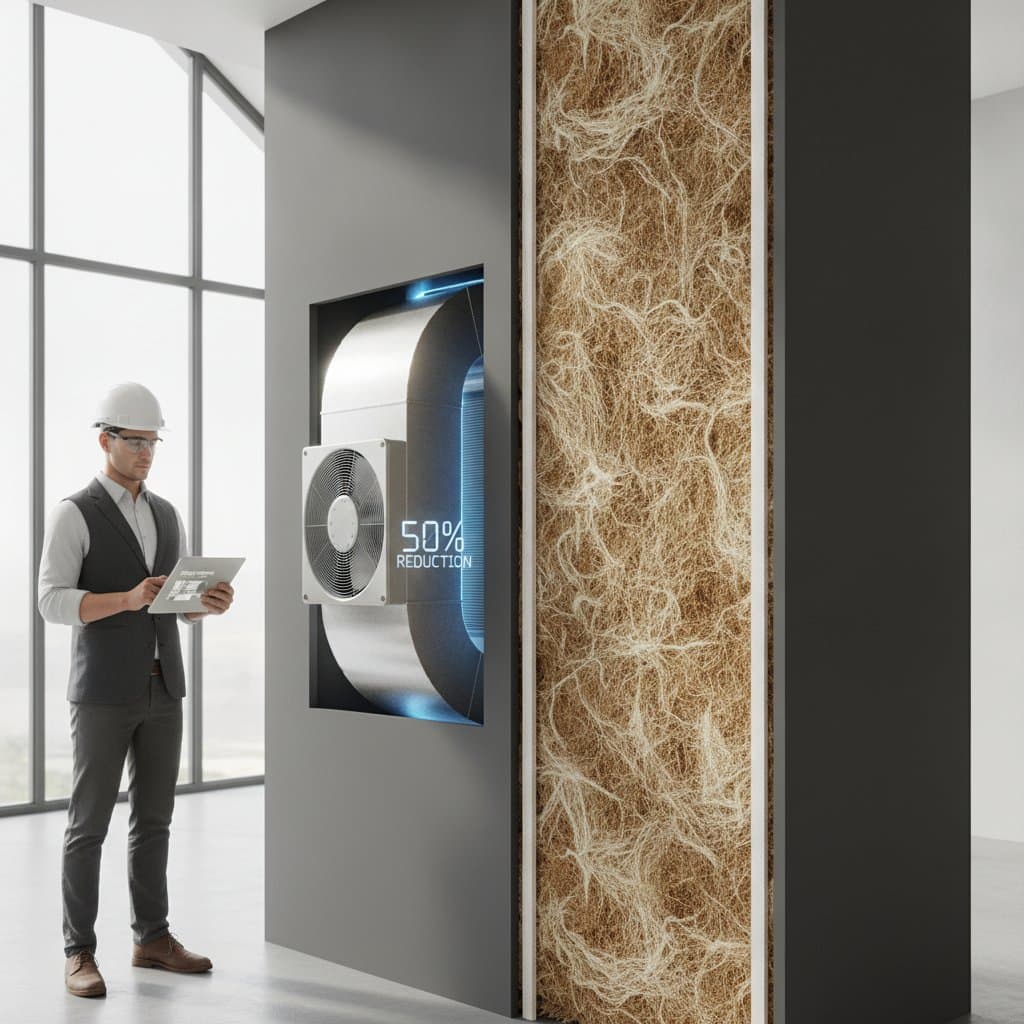
- Hempcrete lowers a structure's carbon emissions by as much as 50 percent relative to standard building materials like concrete or fiberglass insulation.
- It inherently withstands fire, insects, and fungal growth, eliminating the need for synthetic treatments.
- The composition enables moisture and heat regulation, fostering superior indoor air purity.
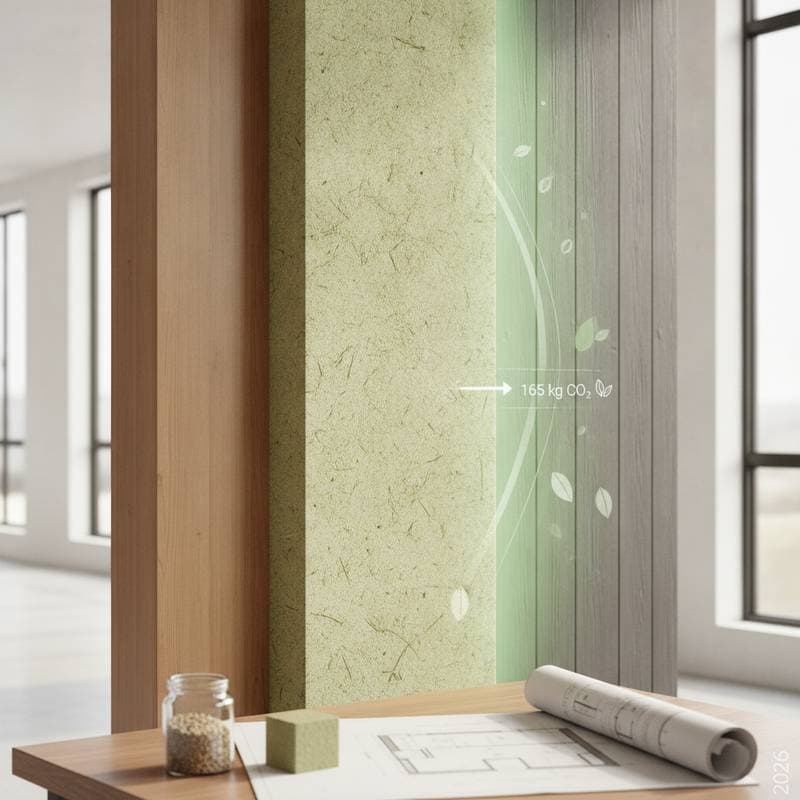
- During production and application, hempcrete captures and stores carbon dioxide, retaining it within the structure for generations.
- Although installation expenses exceed those of traditional options initially, the material yields considerable savings over time through reduced energy demands and enhanced durability.
Achieving Year-Round Comfort
Hempcrete excels in delivering enduring comfort that surpasses many synthetic insulators. Its open-cell structure permits walls to absorb and release moisture, maintaining balanced humidity and avoiding moisture buildup. Homeowners experience fewer problems with dampness or biological contaminants, resulting in a healthier living space.
Performance evaluations indicate an R-value of approximately 2.4 per inch for hempcrete, aligning well with fiberglass or foam when applied in substantial wall thicknesses. What sets it apart is its capacity for thermal mass: the material absorbs excess heat during the day and disperses it gradually at night, stabilizing room conditions. In regions with significant daily temperature fluctuations, this feature can cut heating and cooling expenses by up to 30 percent.
One renovator shared, “Our energy bills dropped noticeably, and the air feels cleaner. The house doesn’t overheat or feel damp anymore.” Such experiences highlight why forward-thinking builders increasingly adopt hempcrete for projects emphasizing both well-being and ecological integrity.
Practical Guide to Hempcrete Construction
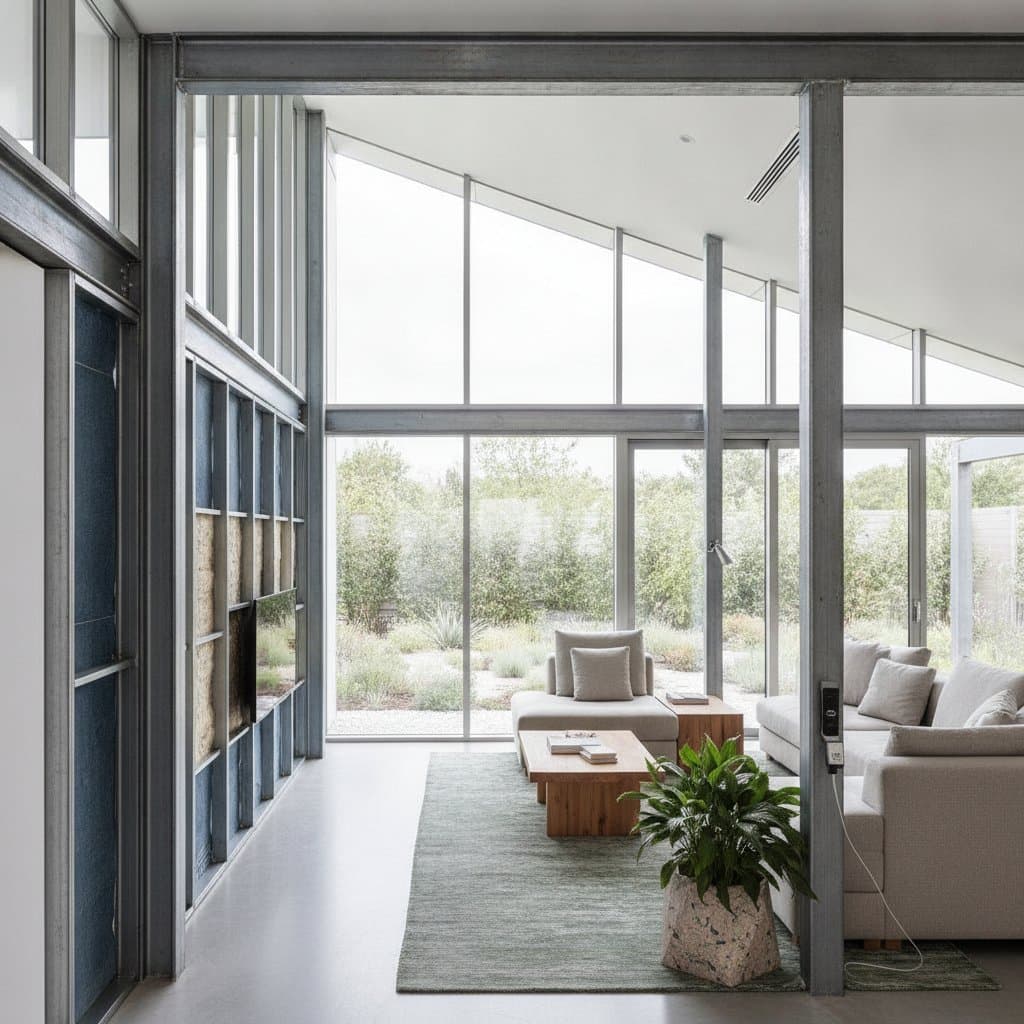
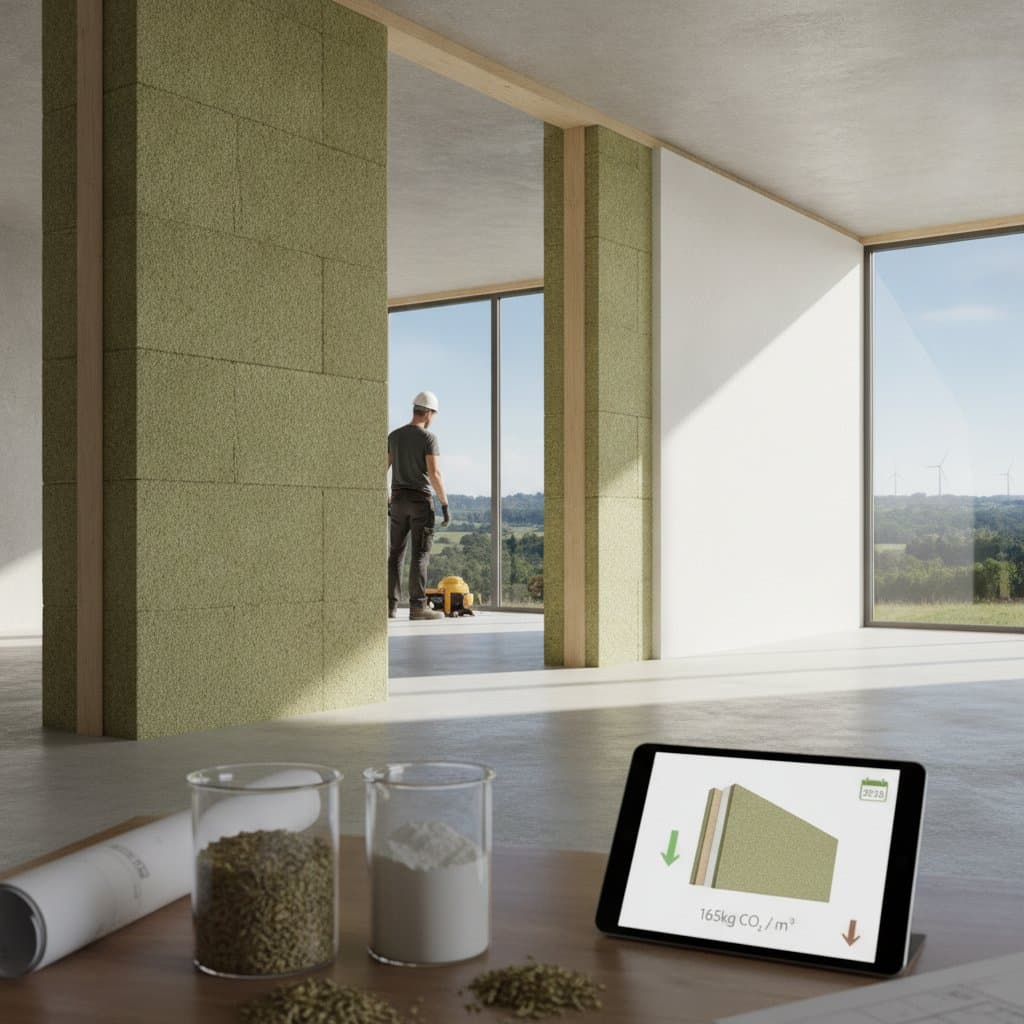
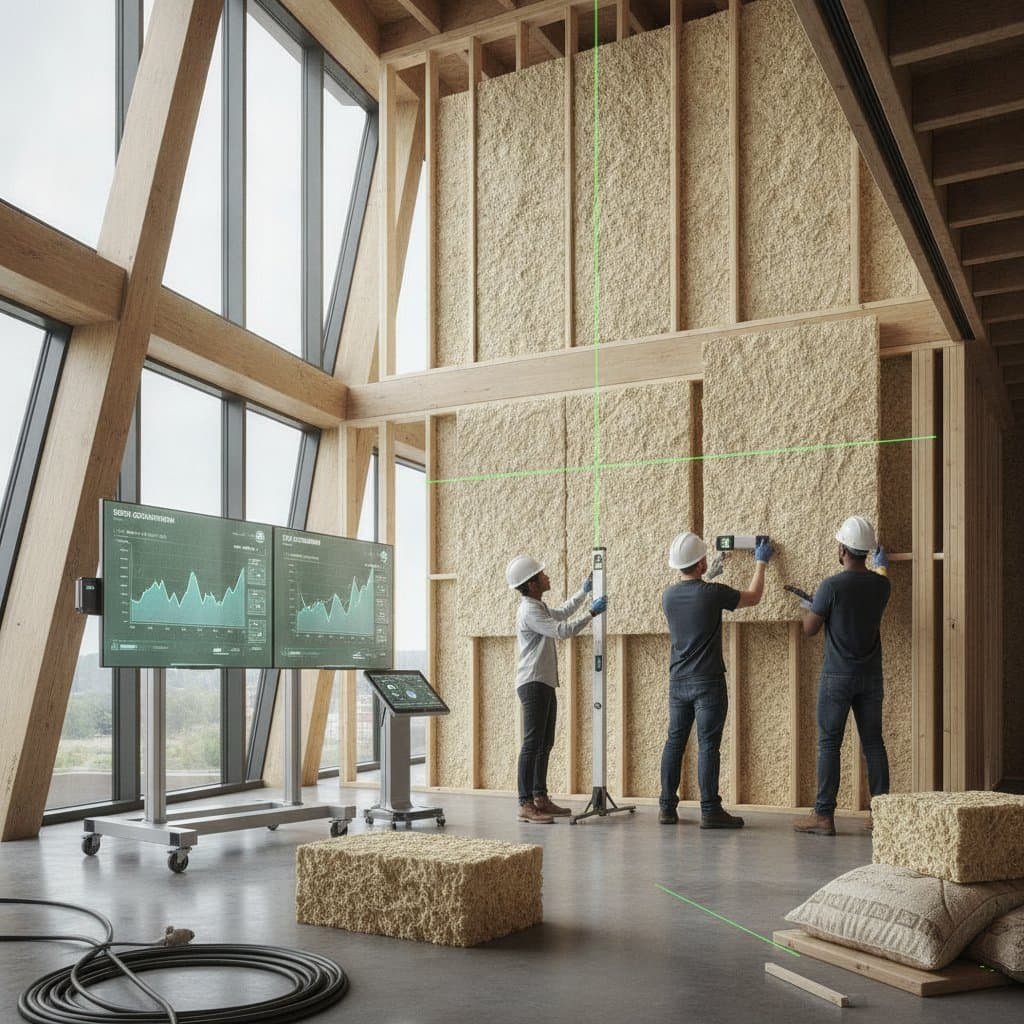
Individuals exploring hempcrete for new builds or upgrades should note its non-load-bearing nature, requiring a supporting framework of timber or metal. Preparation involves combining hemp hurds with a lime-based binder and water to form a lightweight mix, which workers then cast or pack into molds encasing the frame. Curing occurs over several weeks in a controlled environment, during which the lime reacts with atmospheric carbon dioxide to harden and fortify the material.
The low density of hempcrete minimizes foundation requirements, decreasing reliance on high-carbon concrete. It forms a seamless insulating barrier, preventing thermal leaks that plague conventional setups. To get started, prospective users can join hands-on sessions from groups like the Hemp Building Association, covering precise blend proportions, optimal drying methods, and surface preparation. Most participants master the process after initial trials, allowing seamless incorporation into diverse projects.
Long-Term Economic and Ecological Advantages
Hempcrete proves a wise investment, balancing fiscal prudence with environmental gains. Research from the European Industrial Hemp Association reveals that hempcrete-equipped homes realize energy reductions of 20 to 40 percent versus typical constructions, potentially saving thousands in utility payments across a building's lifespan.
Environmentally, hemp thrives in short growth cycles of three to four months, demanding little irrigation or chemical inputs. A single hectare sequesters roughly 15 tons of CO2 as it matures. Paired with lime, this captured carbon stays embedded in the walls indefinitely, rendering hempcrete a net carbon sink among construction choices.
Architect James Porter observes, “The future of sustainable design lies in materials that heal the planet while protecting people. Hempcrete is one of the rare options that does both.”
Steps to Integrate Hempcrete into Your Project
To adopt hempcrete effectively, start by consulting local regulations and sourcing certified hemp hurds from sustainable farms. Partner with experienced masons or enroll in certification courses to ensure proper mixing and application. Evaluate your site's climate to optimize wall thickness for maximum efficiency. By following these measures, builders create resilient structures that lower emissions, enhance comfort, and support a healthier ecosystem for future generations.