Key Points
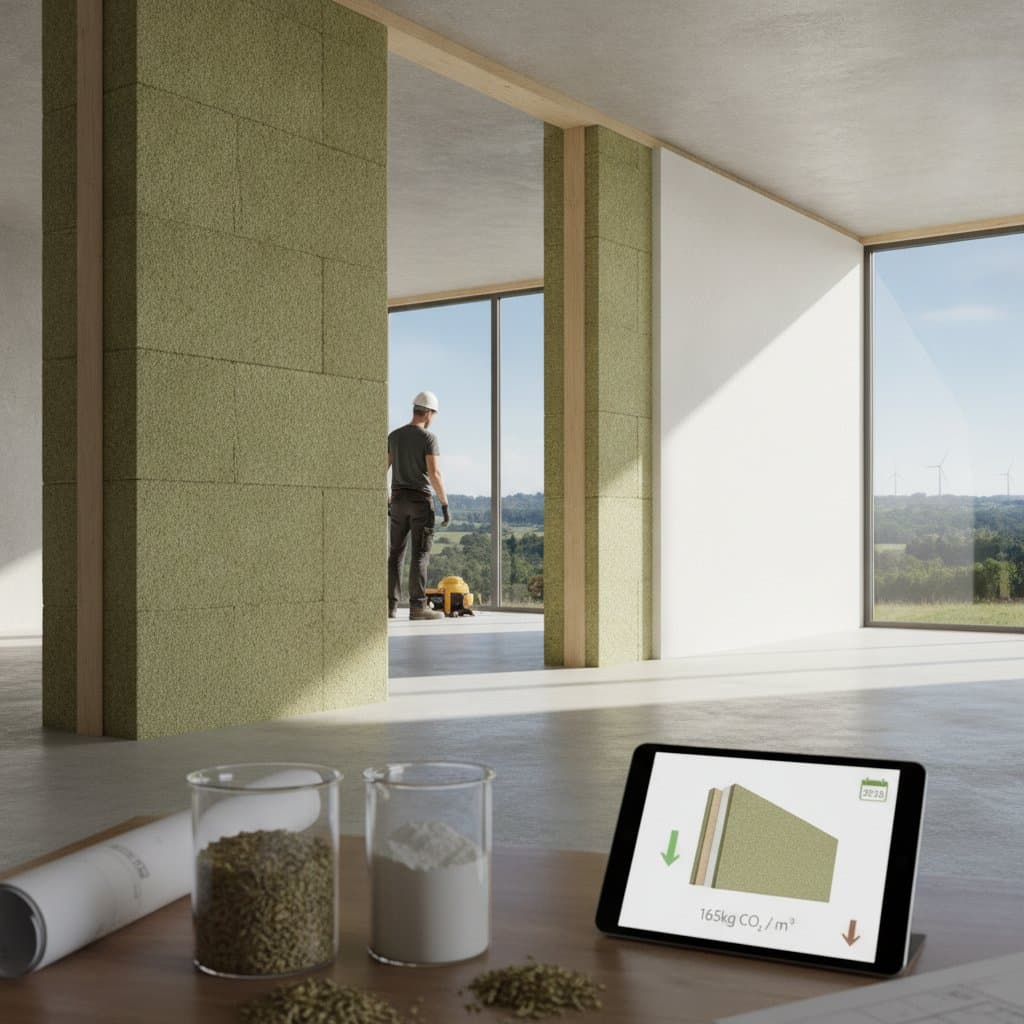
- Hempcrete serves as a bio-based insulation material formed by combining hemp hurd, lime, and water into a lightweight composite that sequesters carbon.
- The material provides quantifiable energy savings via effective thermal regulation and moisture management.
- Initial expenses surpass those of traditional insulation, yet long-term returns prove robust when accounting for energy efficiency, longevity, and occupant comfort.
- Hempcrete aligns with sustainable development objectives by lowering embodied carbon and bolstering building resilience.
- Optimal results require precise installation, compatible design elements, and adherence to regional building codes.
The Challenge of Building for Comfort and Climate
Homeowners seek residences that offer comfort, efficiency, and endurance, but many insulation options present drawbacks. Conventional materials often retain moisture, deteriorate prematurely, or depend on petrochemicals that elevate greenhouse gas emissions. The task lies in selecting a substance that excels in thermal performance, endures for decades, and promotes environmental stewardship.
This pursuit has directed builders and owners toward hempcrete, a natural composite revolutionizing perceptions of sustainable insulation. Hempcrete transcends mere trends in construction. It functions as a viable instrument for attaining energy efficiency and ecological responsibility while preserving comfort and architectural versatility.
Why Hempcrete Matters for Modern Construction
Insulation decisions carry substantial financial and ecological weight. Heating and cooling dominate residential energy demands, and even minor variations in insulation efficacy can yield considerable costs over time. Hempcrete, derived from the hemp plant's inner core blended with lime and water, facilitates energy-conscious architecture that captures carbon instead of releasing it.
A Carbon-Positive Material
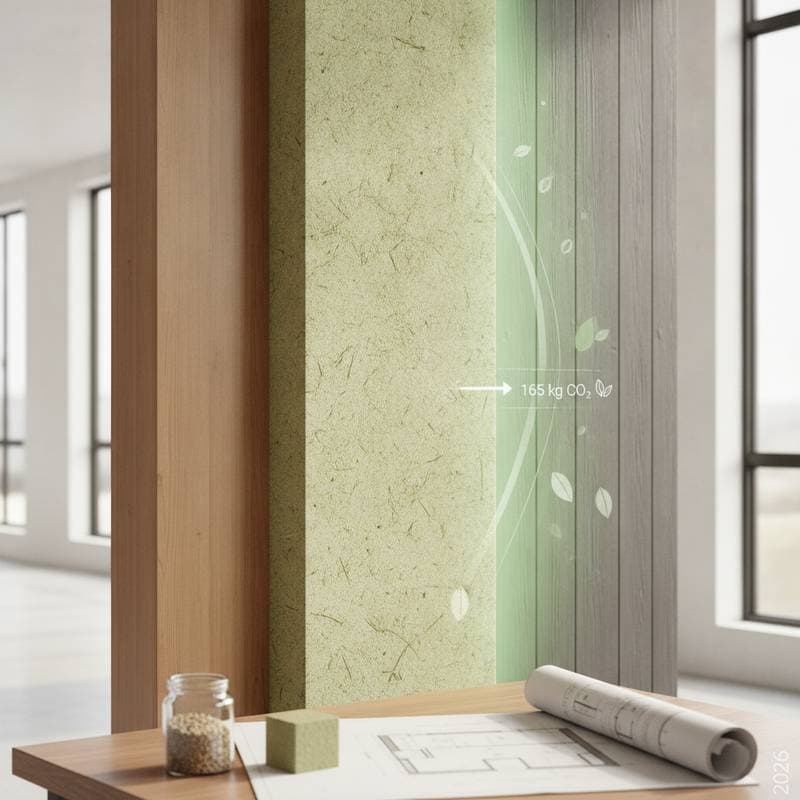
Industrial hemp captures significant carbon dioxide during growth via photosynthesis. In hempcrete form, this carbon stays embedded, and the lime binder absorbs additional carbon during curing, forming what experts term a dynamic wall that gains strength progressively.
This process counters emissions from related construction processes. Based on manufacturing approaches, hempcrete may sequester more carbon than it produces, distinguishing it as one of the rare materials with a net-negative carbon impact.
Energy Efficiency That Feels Different
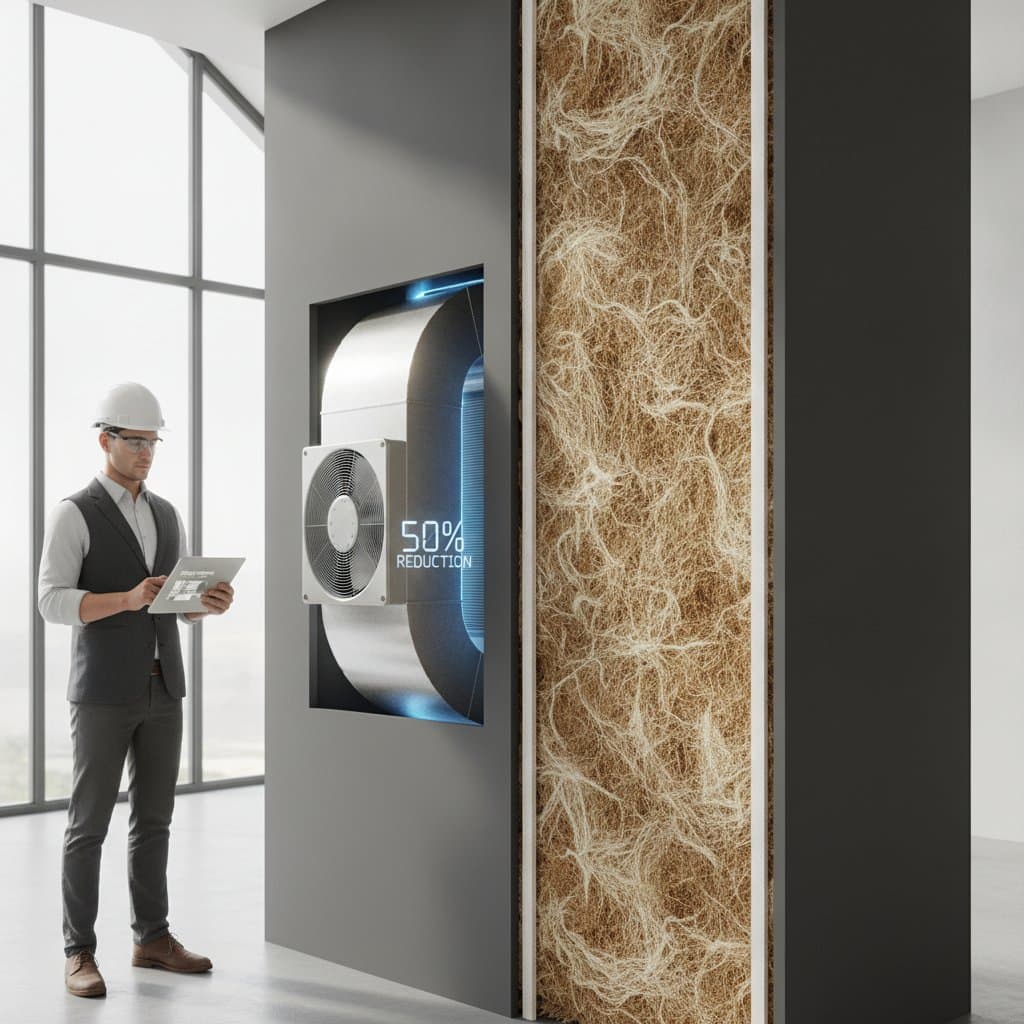
Hempcrete acts as both insulator and thermal mass. It retards heat movement while absorbing and slowly releasing warmth, which stabilizes indoor temperatures. In temperate zones, structures using hempcrete demand reduced reliance on heating or cooling systems, cutting energy use by 20 to 40 percent relative to typical insulation.
The material's vapor-permeable design handles humidity without fostering condensation, safeguarding timber frames and ensuring consistent air quality indoors. Such breathability paired with insulation sets hempcrete apart from synthetic alternatives and fosters healthier living conditions.
Understanding the Cost Equation
Upfront Costs vs. Long-Term Returns
Hempcrete installation may cost 10 to 25 percent more than standard options, influenced by local sourcing and skilled labor availability. Long-term evaluations, however, reveal a compelling case. Diminished energy needs, minimal upkeep, and superior durability yield tangible benefits.
Energy retrofits with hempcrete often recoup investments in 7 to 12 years via reduced utility expenses, supplemented by gains in comfort and asset appreciation. New constructions incorporating hempcrete early in planning can offset premiums and optimize thermal outcomes.
Value Beyond Energy Savings
Monetary assessments overlook hempcrete's broader merits. Its defenses against mold, fire, and insects mitigate future expenses. Free from volatile organic compounds, it promotes salubrious interiors. For long-term residents, these attributes provide security and elevate market desirability.
In areas where eco-materials attract premium buyers, hempcrete-insulated homes may fetch 5 to 10 percent higher prices than comparable conventional builds.
How Hempcrete Works in Real Projects
Construction and Application
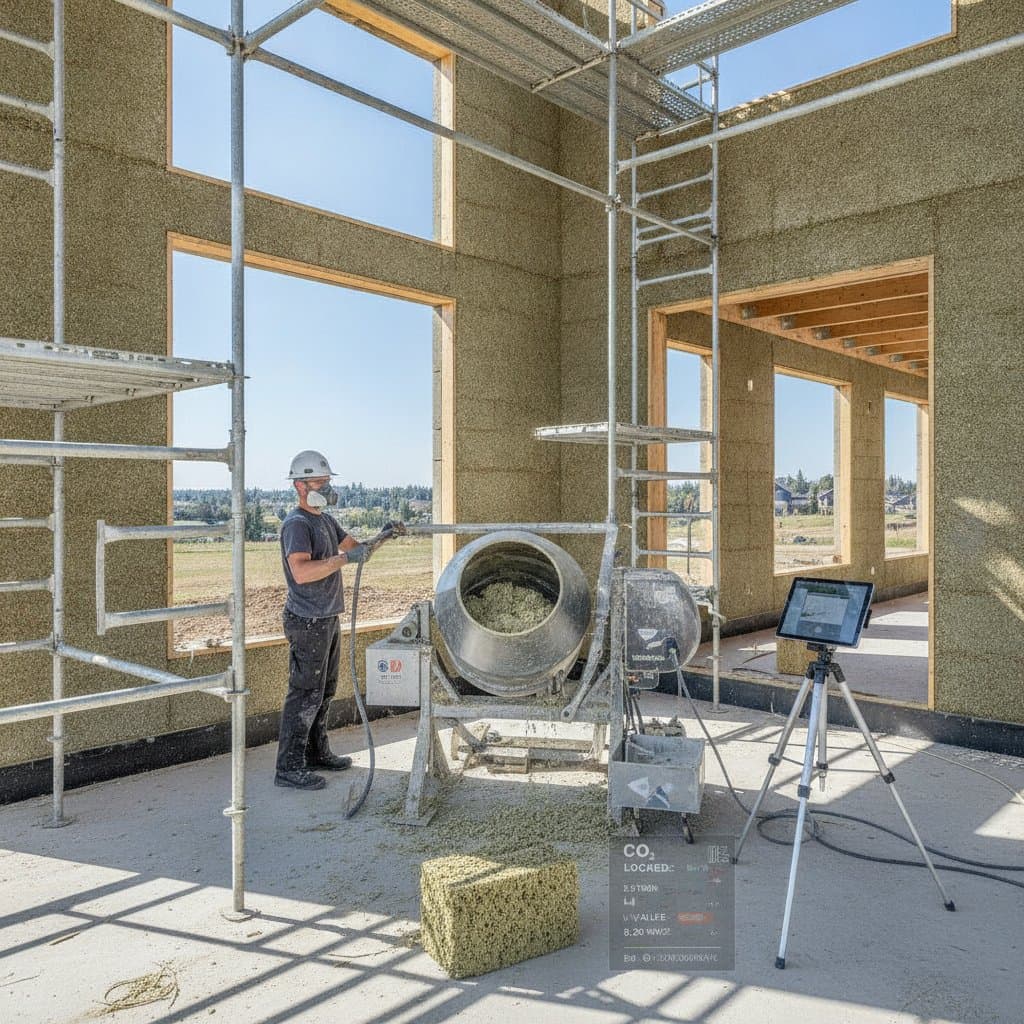
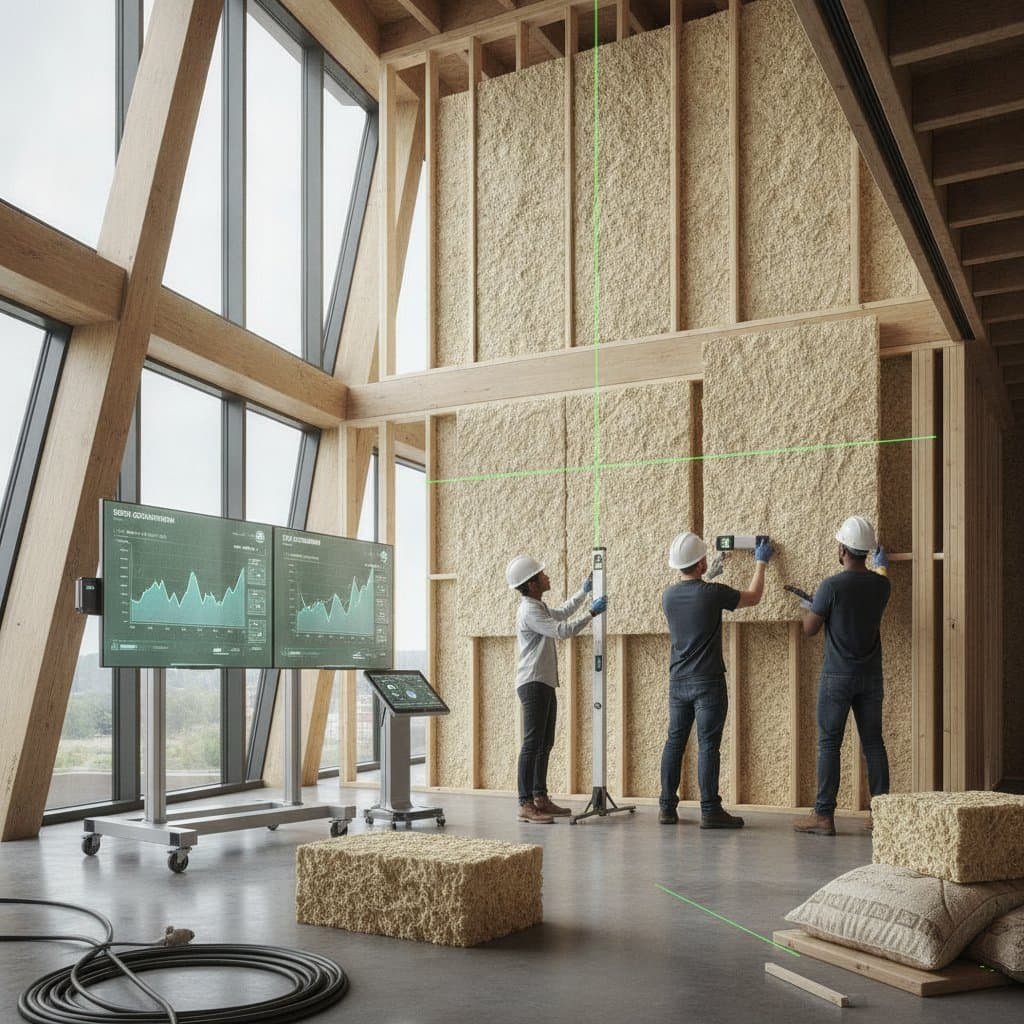
Builders cast hempcrete on-site around frameworks, employing temporary molds to form walls. After placement, the blend hardens into a firm, permeable, insulating layer. Alternatives include prefabricated blocks or spray applications for upgrades.
Achieving ideal density and hydration demands skilled mixing and curing. Excess lime or inadequate compression compromises efficacy. Practitioners familiar with bio-materials transition smoothly, while novices gain from instruction by accredited experts.
Compatibility and Design Considerations
Hempcrete thrives in assemblies that respect its permeability. Avoid vapor barriers, which disrupt moisture flow; opt for lime plasters or mineral coatings to preserve airflow and add safeguarding.
Pair it with thermally and hygroscopically similar frames like timber or bamboo. Steel frames work with precise detailing to avert moisture buildup. Align roofing and bases with hempcrete's mass and curing needs.
Health and Wellness Advantages
Indoor air quality increasingly guides building choices. Hempcrete enhances it by controlling humidity and avoiding emissions. The lime component's alkalinity deters mold and microbes, curbing allergens and easing breathing.
It also absorbs sound, quieting interiors. Thermal consistency, humidity balance, and acoustic damping create environments that nurture physical health and psychological ease.
Environmental and Market Implications
Lifecycle Carbon Performance
Hempcrete's carbon profile ranks low across its lifespan, from farming to disposal. Hemp hurd, the primary component, renews rapidly using little water and no chemicals. At demolition, it reverts to soil enhancer, completing a regenerative cycle.
This holistic approach makes hempcrete ideal for curbing embodied carbon in homes and offices alike.
Market Demand and Regulatory Evolution
Shifting codes and buyer preferences favor low-carbon builds, placing hempcrete at the forefront of progress and regulation. Numerous areas now approve it under bio-construction guidelines. Acceptance varies, but momentum builds for carbon-storing materials.
Early adopters of hempcrete skills prepare effectively for emerging standards in performance and sustainability.
Choosing the Right Path for Your Project
Assessing Feasibility
Evaluate scale, weather patterns, and expertise before adopting hempcrete. It excels in mild, damp climates emphasizing moisture and thermal equilibrium. In harsh winters, integrate it with high-insulation supplements for peak results.
Engage sustainable architects or certified installers at outset for precise budgeting and code alignment.
Budget and Financing Options
Hempcrete's energy and eco-benefits qualify projects for incentives from lenders and programs. Seek rebates or favorable loans acknowledging its carbon reductions.
Reserve 5 to 10 percent of funds for specialist training, labor, or supply coordination, particularly in nascent hemp markets.
Making It Happen
Homeowners pursuing enduring comfort find hempcrete's blend of utility and ecology compelling. Locate regional providers and versed contractors first. Explore integrations that honor its texture and performance, such as solar pairings for greater autonomy and lower costs.
As demand rises for carbon-efficient, robust materials, hempcrete delivers fiscal and planetary gains. Thoughtful implementation turns enclosures into adaptive structures that regulate, sustain, and persist.