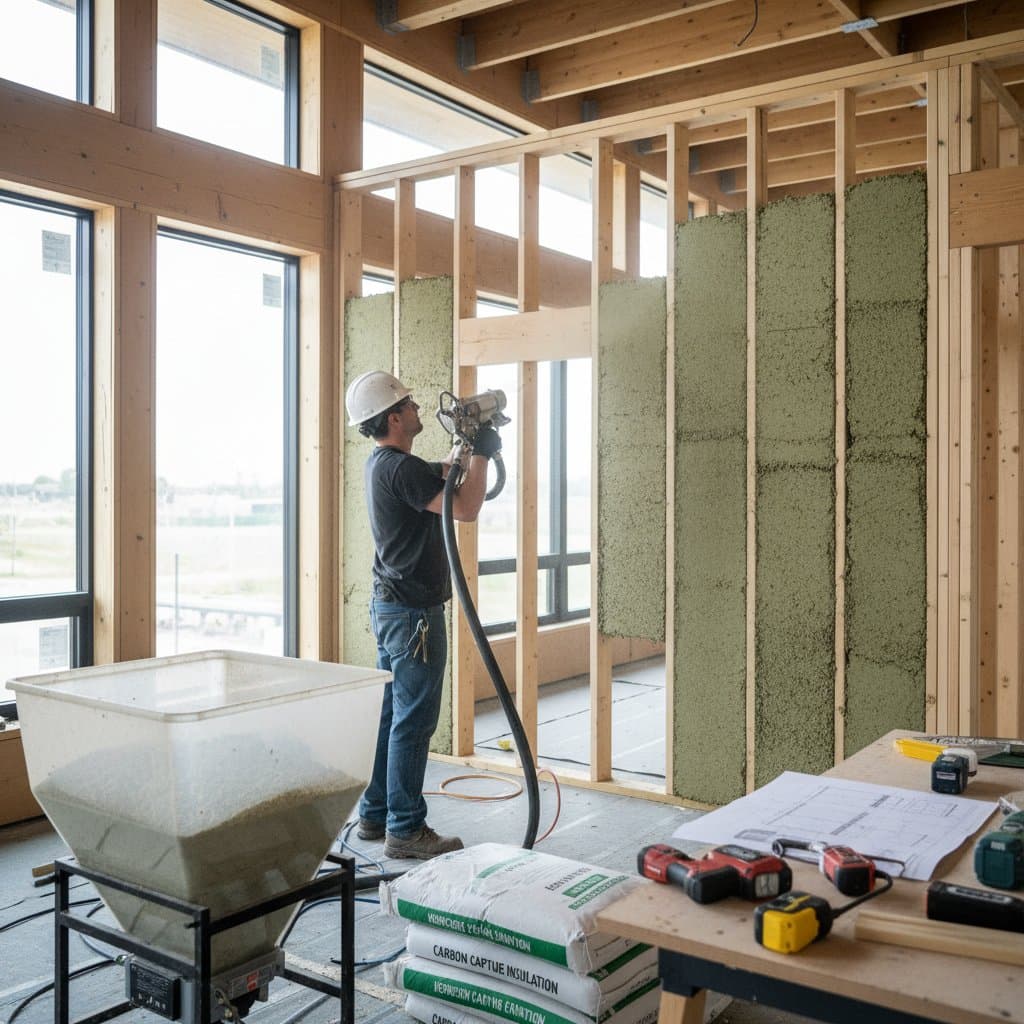
Hempcrete Walls: Capturing Carbon and Reducing Energy Costs
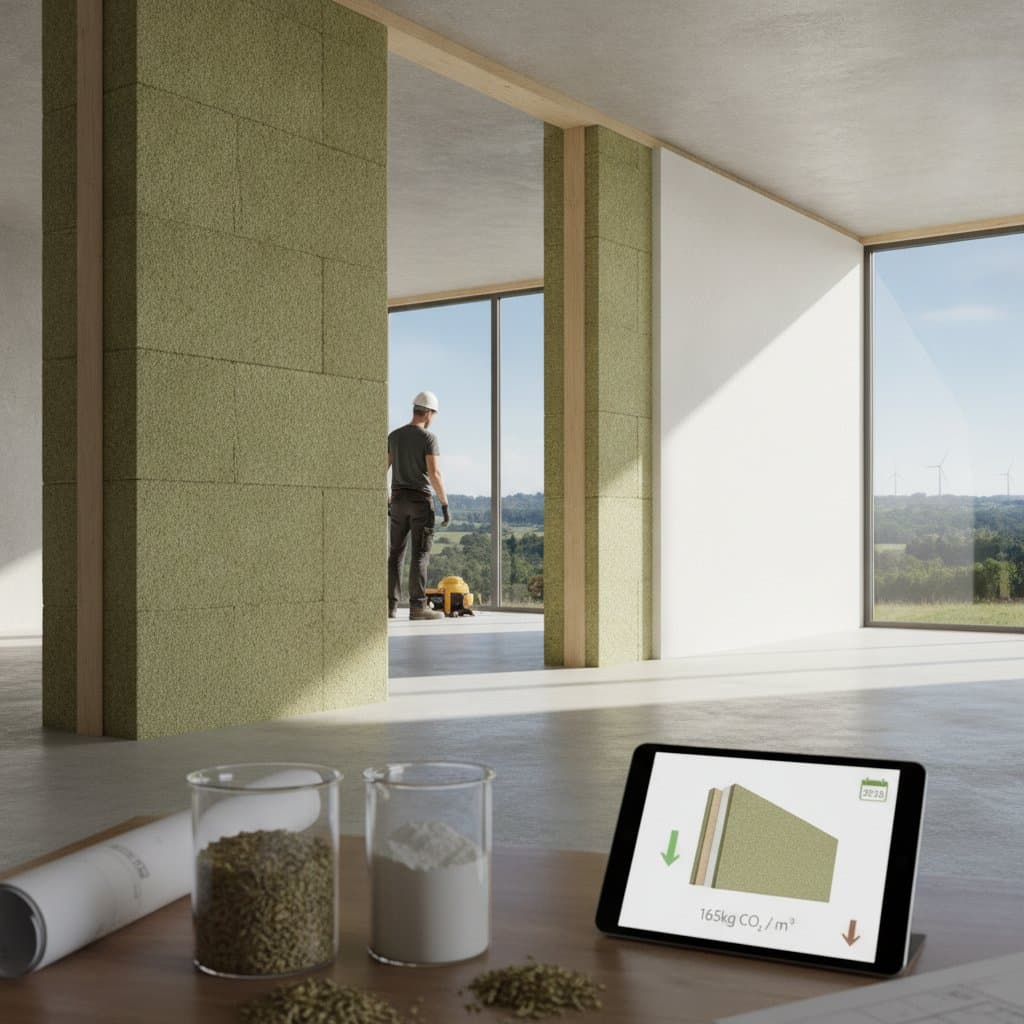
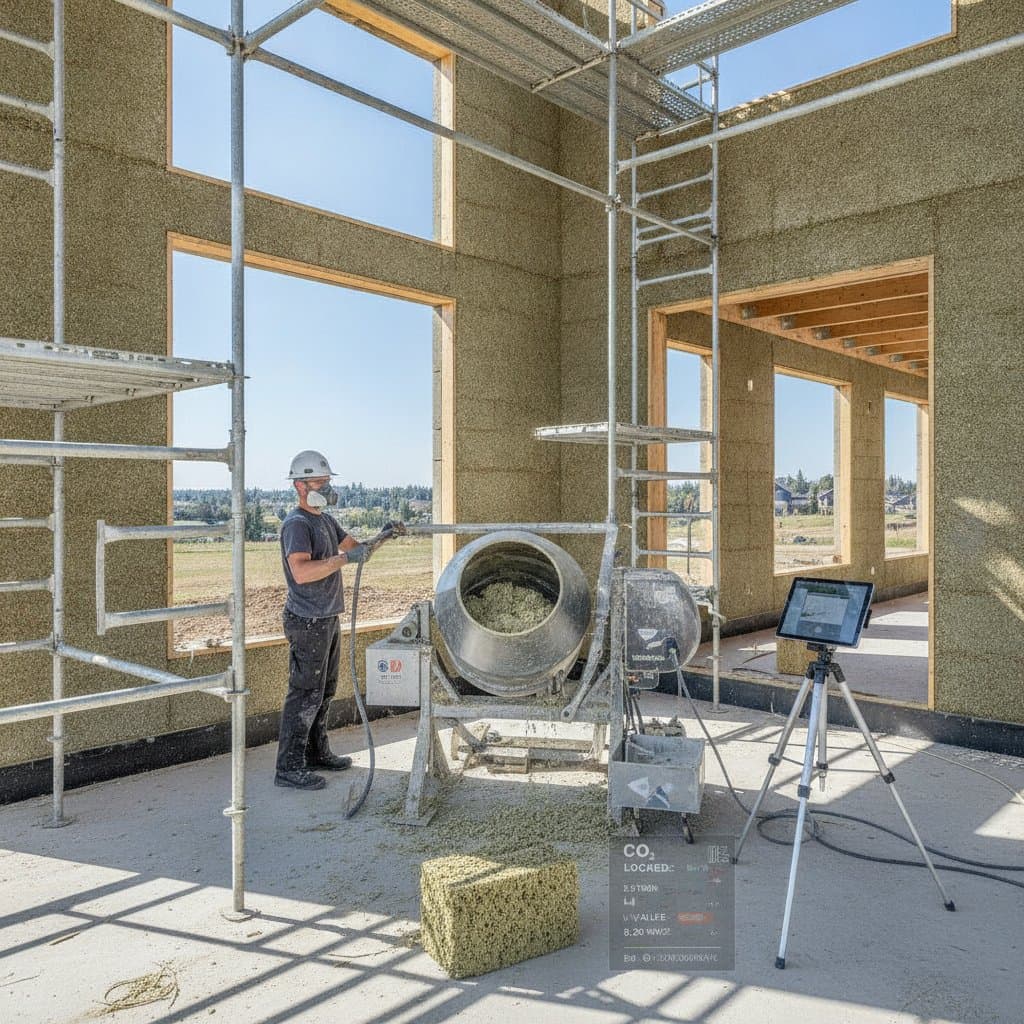
Hempcrete, a bio-based building material made from hemp hurds, lime, and water, offers a compelling alternative to traditional insulation. This composite provides superior carbon sequestration while enhancing energy efficiency in homes and structures. Builders increasingly turn to hempcrete for its ability to create sustainable, resilient buildings that align with global environmental goals.
Key Benefits of Hempcrete Construction
Hempcrete walls excel in multiple areas that contribute to both ecological and practical advantages. The material naturally regulates indoor climates, resists common building threats, and supports long-term cost savings. Consider these primary strengths:
- Carbon sequestration: Hemp plants absorb CO2 during growth, and the lime in hempcrete continues this process through carbonation, permanently storing carbon within the walls.
- Energy efficiency: Its insulating properties reduce heating and cooling demands, leading to lower utility bills over time.
- Health and durability: Hempcrete deters pests, prevents mold growth, and offers fire resistance, fostering safer indoor environments.
These features position hempcrete as a forward-thinking choice for eco-conscious construction projects.
Addressing Common Challenges
While hempcrete presents clear advantages, certain hurdles require careful planning. Addressing them ensures optimal performance and widespread adoption.
- Initial costs: Hempcrete installations often exceed conventional methods by 10 to 20 percent due to material and labor expenses. However, incentives and rebates can offset this, and energy savings recoup the difference within five to ten years.
- Moisture management: Although breathable, it still needs proper detailing to prevent water infiltration. Techniques such as vapor-permeable membranes and elevated foundations mitigate risks in humid climates.
- Installation skill: Specialized mixing and casting techniques affect performance. Training programs from industry associations help contractors master these methods, ensuring consistent results.
- Local sourcing: Availability of hemp hurds and lime can influence costs and sustainability. Sourcing regionally reduces transportation emissions and supports local agriculture.
Overcoming these challenges through education and innovation makes hempcrete more accessible for diverse projects.
Sustainable Performance in Numbers
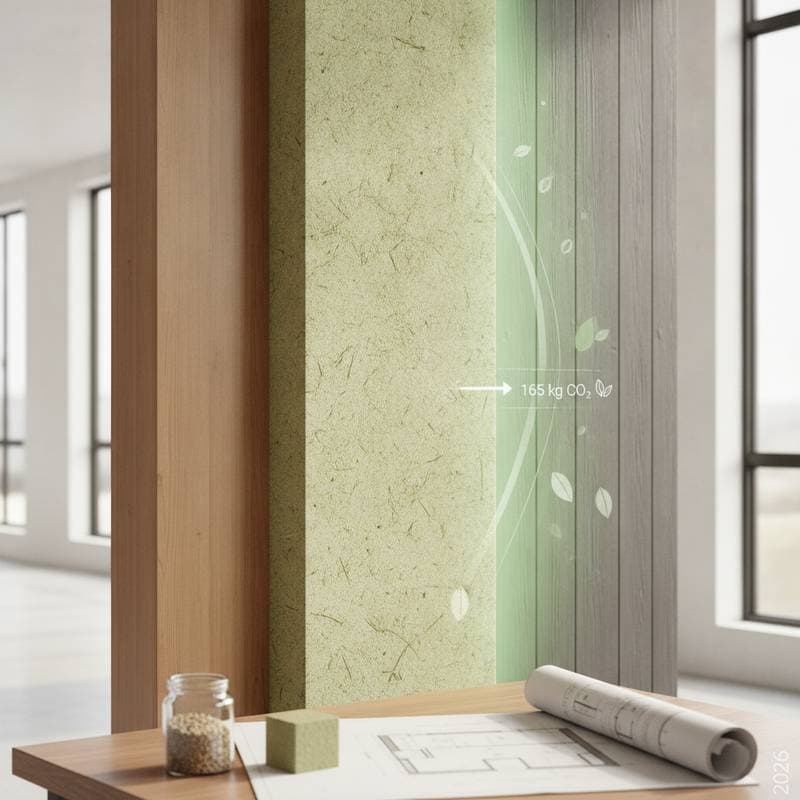
Quantifiable data underscores hempcrete's environmental impact. A cubic meter of hempcrete sequesters approximately 100 kilograms of carbon dioxide over its lifecycle. This outperforms mineral wool or foam boards, which typically emit more carbon during production.
The lime binder actively absorbs additional CO2 as it cures, converting into calcium carbonate. This stable compound secures the carbon for the duration of the building's life, potentially centuries.
In terms of energy, hempcrete walls deliver thermal resistance values of R-2 to R-3 per inch, varying by density and mix. Synthetic foams may offer higher R-values, but hempcrete's thermal mass stabilizes temperatures, reducing peak loads on HVAC systems. Studies indicate up to 30 percent lower energy use in hempcrete-insulated structures compared to standard builds.
Pathways to Mainstream Adoption
Regulatory and industry shifts accelerate hempcrete's integration into standard practices. Green building certifications, such as LEED, now include hempcrete in their guidelines, encouraging its use in commercial and residential developments.
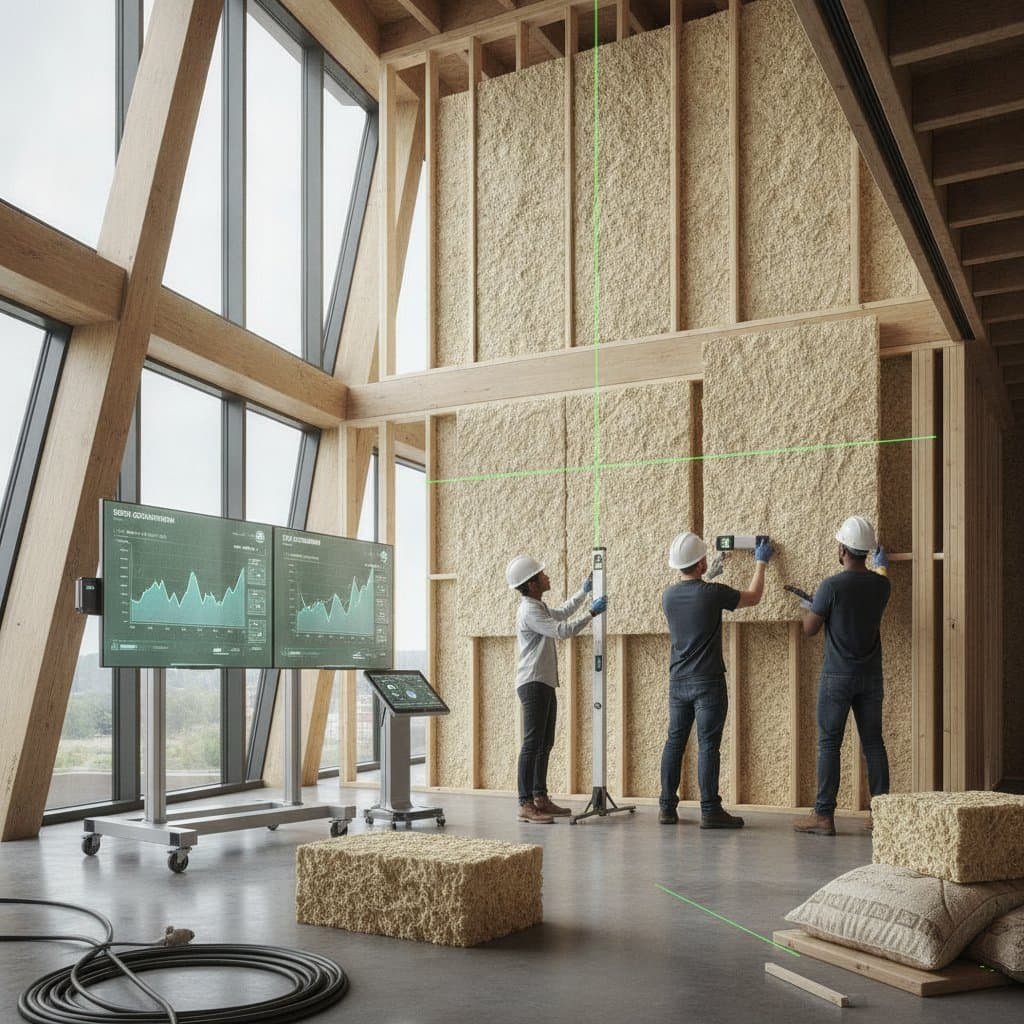
Supply chains mature with expanded hemp cultivation and lime production. Prefabricated hempcrete panels streamline installation, cutting on-site time by half and minimizing waste.
Builders experiment with hybrid systems, combining hempcrete with timber frames for enhanced structural integrity. These advancements narrow the cost gap, projecting hempcrete as a viable option for 20 percent of new constructions by 2026.
Practical Steps for Implementation
Homeowners and developers can integrate hempcrete into renovations or new builds with targeted actions. Start by consulting certified installers through organizations like the Hemp Building Association. Assess site conditions to confirm suitability, particularly regarding moisture and seismic factors.
Budget for initial premiums while factoring in long-term returns, including tax credits for sustainable materials. Pair hempcrete with energy-efficient windows and solar panels to maximize benefits.
For smaller projects, consider hempcrete blocks or infill panels as entry points. These approaches deliver immediate improvements in insulation and air quality without full-scale overhauls.
Experiencing Hempcrete in Daily Life
Installed hempcrete walls demand minimal maintenance, relying on their inherent properties for longevity. They naturally balance indoor humidity, preventing discomfort from seasonal fluctuations.
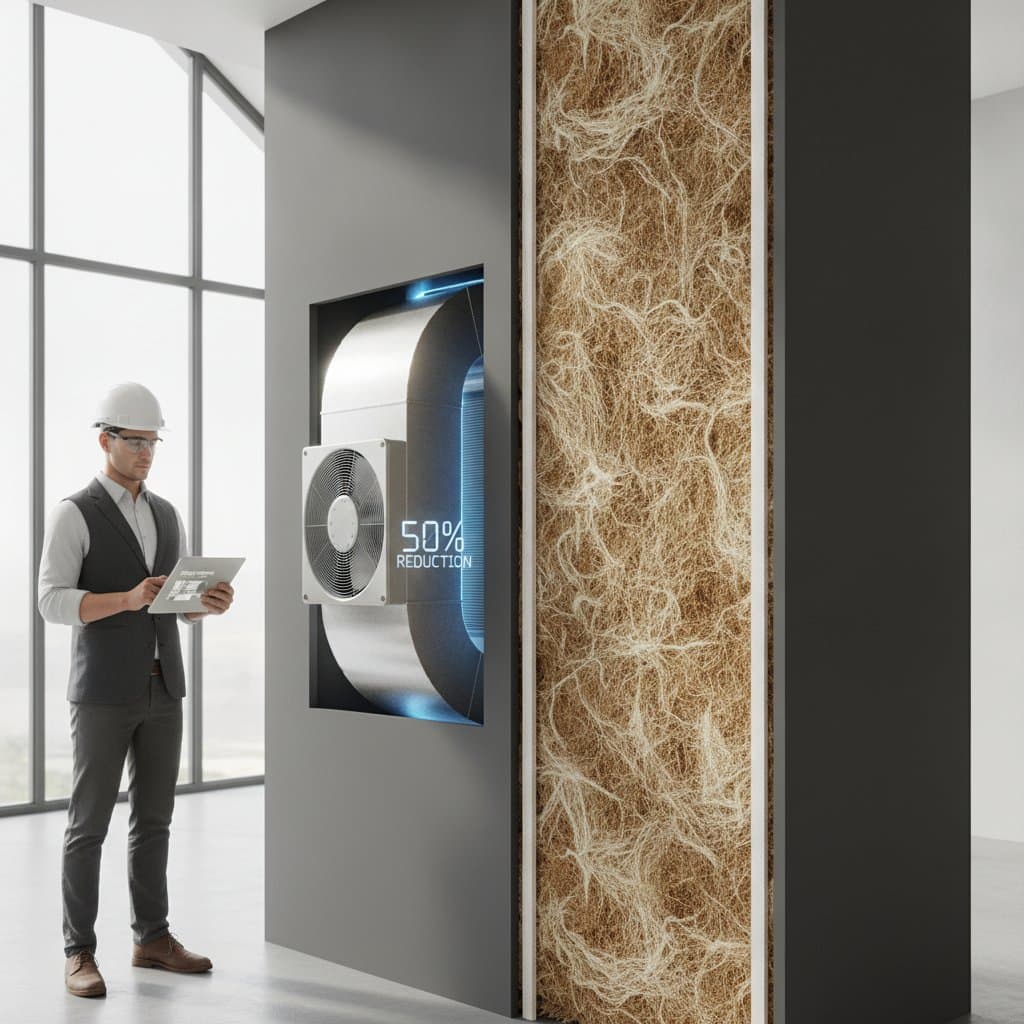
Residents report a subtle, even warmth that enhances overall well-being. The material's acoustic insulation further quiets urban noise, promoting restful spaces.
Hempcrete embodies a commitment to enduring sustainability. It transforms buildings into active participants in carbon reduction, benefiting occupants and the environment alike.