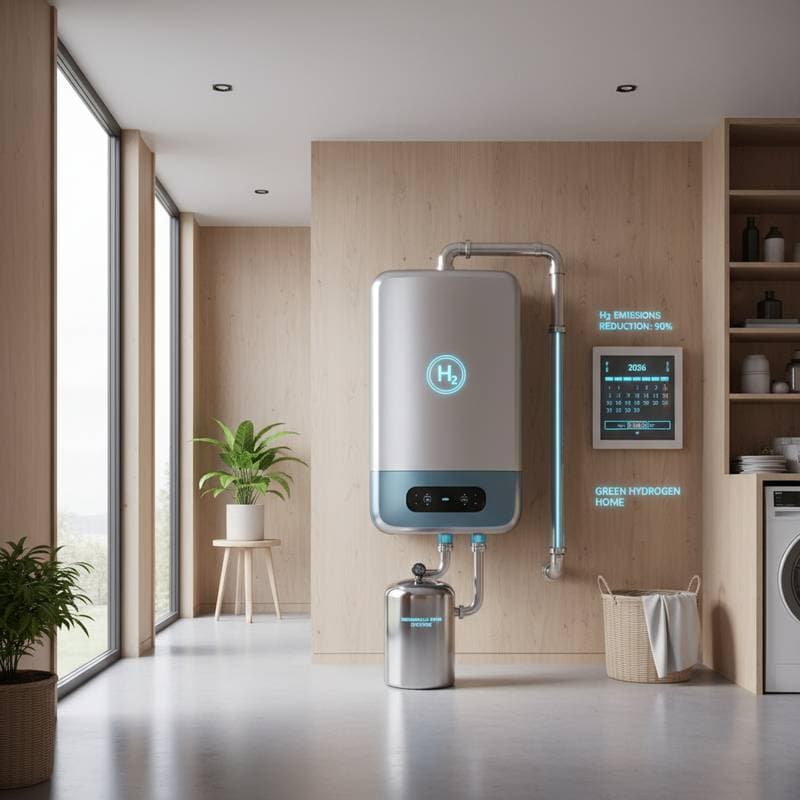
Hydrogen Boilers: Future-Proof Green Heating for 2026
Homeowners often focus on visible upgrades like solar panels or energy-efficient appliances when planning for sustainability. However, the boiler that powers central heating deserves equal attention as regulations tighten on fossil fuels. Hydrogen boilers provide a practical, low-emission alternative to conventional gas systems, delivering reliable warmth while aligning with global decarbonization efforts.
These devices integrate seamlessly into existing home infrastructures, allowing gradual shifts toward cleaner energy sources. By 2026, widespread adoption could transform residential heating patterns, particularly in regions with ambitious net-zero targets. This technology not only minimizes environmental impact but also safeguards against future energy policy changes.
Key Advantages of Hydrogen Boilers
Hydrogen boilers stand out for their potential to address key challenges in home heating. Consider these core benefits:
- Emission reductions reach up to 90 percent when using green hydrogen, far surpassing traditional gas boilers.
- Pilot programs in the UK and Europe demonstrate performance levels equivalent to current systems, with minimal efficiency losses.
- Initial installation expenses exceed those of standard boilers by 10 to 20 percent, yet incentives and reduced carbon levies yield savings within five to seven years.
- Hydrogen-ready models support dual-fuel operation, enabling a straightforward transition from natural gas without full system overhauls.
Such features make hydrogen boilers an accessible entry point for sustainable upgrades, especially for households seeking long-term reliability.
How Hydrogen Boilers Operate
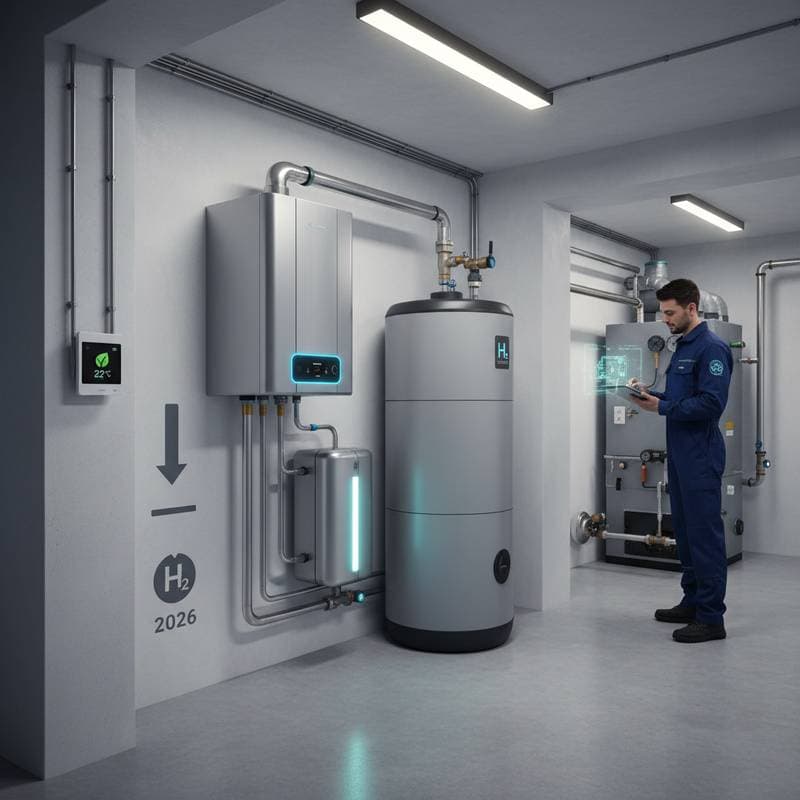
At their core, hydrogen boilers resemble modern gas units in design and daily use. They employ burners to combust hydrogen gas, generating heat that circulates hot water through radiators and domestic supplies. The primary distinction emerges in the exhaust: hydrogen burns cleanly, producing water vapor as the main byproduct alongside trace nitrogen oxides, which advanced filters can mitigate.
This process eliminates the carbon dioxide emissions inherent in fossil fuel combustion, positioning hydrogen as a viable pathway for zero-carbon heating. Homeowners experience no disruption in comfort levels, as output temperatures and flow rates match established standards. Maintenance routines remain familiar, with annual servicing focusing on burner efficiency and safety valves.
Methods of Hydrogen Production
The environmental viability of hydrogen boilers hinges on the fuel's origin. Various production techniques exist, each with distinct implications for sustainability:
| Hydrogen Type | Production Method | Carbon Output | Suitability for Home Heating |
|---|---|---|---|
| Grey Hydrogen | Steam methane reforming from natural gas | High | Unsuitable for emission goals |
| Blue Hydrogen | Natural gas reforming with carbon capture and storage | Moderate | Viable as a short-term bridge |
| Green Hydrogen | Electrolysis powered by renewables like wind or solar | None | Optimal for full decarbonization |
Green hydrogen emerges as the preferred choice, derived from splitting water molecules using surplus renewable electricity. Although production scales up slowly due to infrastructure demands, projections indicate cost drops of 50 percent by 2030 as electrolyzer technology advances and renewable capacity grows.
Environmental and Economic Impacts
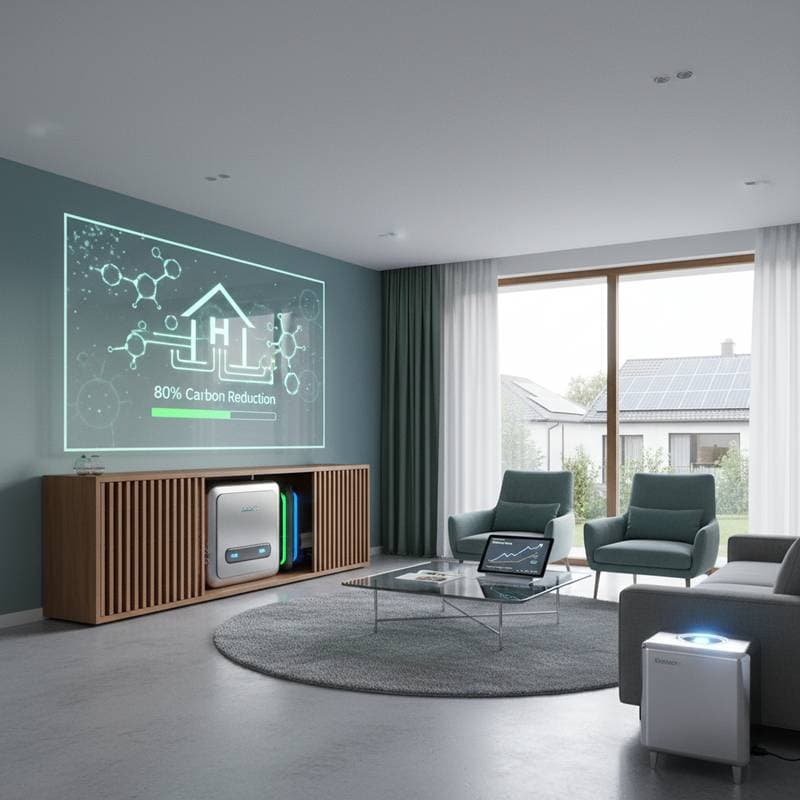
The shift to hydrogen boilers yields profound environmental gains. A single household conversion can avert thousands of kilograms of CO2 annually, scaling to significant community-level reductions. In urban areas, this contributes to improved air quality and progress toward 2030 climate benchmarks, where heating accounts for nearly 40 percent of residential emissions.
Economically, these systems offer stability in an era of volatile energy prices. Governments in Europe and beyond provide grants covering up to 30 percent of retrofit costs, offsetting upfront investments. Over time, lower reliance on imported gas insulates users from market fluctuations, while eligibility for green tariffs further enhances affordability.
Energy analyst Peter Vaughn notes that hydrogen heating leverages existing pipe networks, easing the burden on utilities and consumers during the energy transition. This compatibility accelerates rollout, ensuring broad access without requiring wholesale grid overhauls.
Challenges and Solutions in Adoption
Despite their promise, hydrogen boilers face hurdles like limited green hydrogen supply and higher initial outlays. Current production meets only a fraction of potential demand, but investments in dedicated pipelines and production hubs address this gap. For instance, regional projects aim to deliver blended gas supplies by 2025, allowing hybrid use during the interim.
To navigate costs, homeowners should evaluate financing options such as low-interest loans from energy agencies. Selecting certified installers ensures compliance with safety standards, including flame detection and ventilation requirements tailored to hydrogen's properties.
Steps to Integrate Hydrogen Boilers
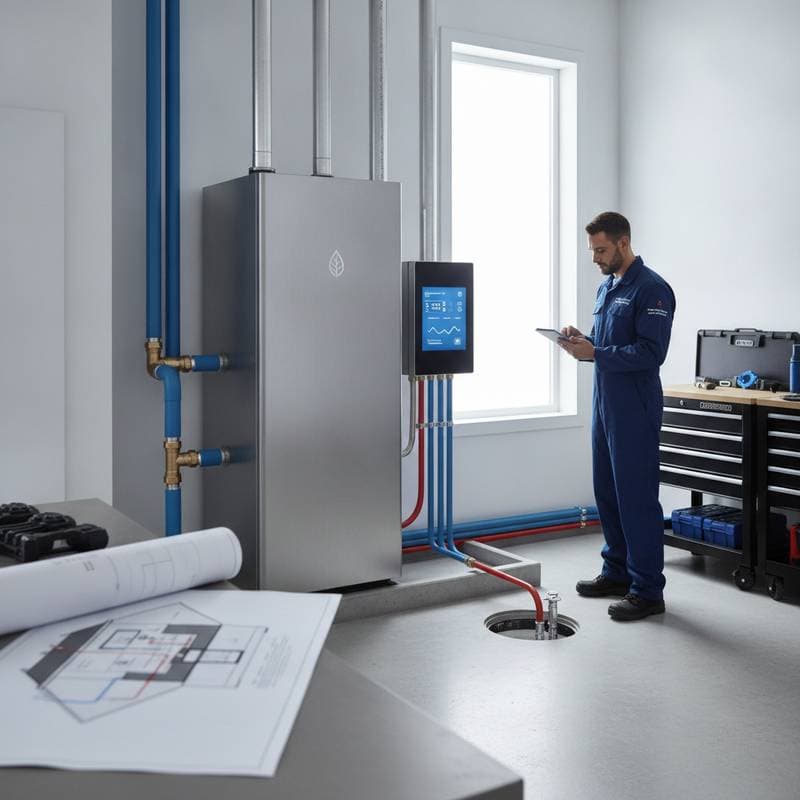
Transitioning to a hydrogen boiler begins with assessing your current setup. Consult a qualified engineer to determine if your existing pipes and vents support hydrogen blending, a feature available in many modern homes built after 2000.
Next, research models from reputable manufacturers offering warranties of 10 years or more. Prioritize units with modular designs for easy fuel switching. Schedule installation during off-peak seasons to minimize disruption, and explore local rebates through government portals.
Once operational, monitor performance via integrated smart controls that track efficiency and alert for optimizations. Regular audits confirm sustained emission cuts, reinforcing your commitment to sustainable living.
Realizing Sustainable Home Comfort
Hydrogen boilers extend beyond mere compliance; they empower homeowners to lead in energy innovation. By embracing this technology, you secure a warmer home today and a greener legacy tomorrow, balancing comfort with planetary health.