Understanding Mycelium Insulation
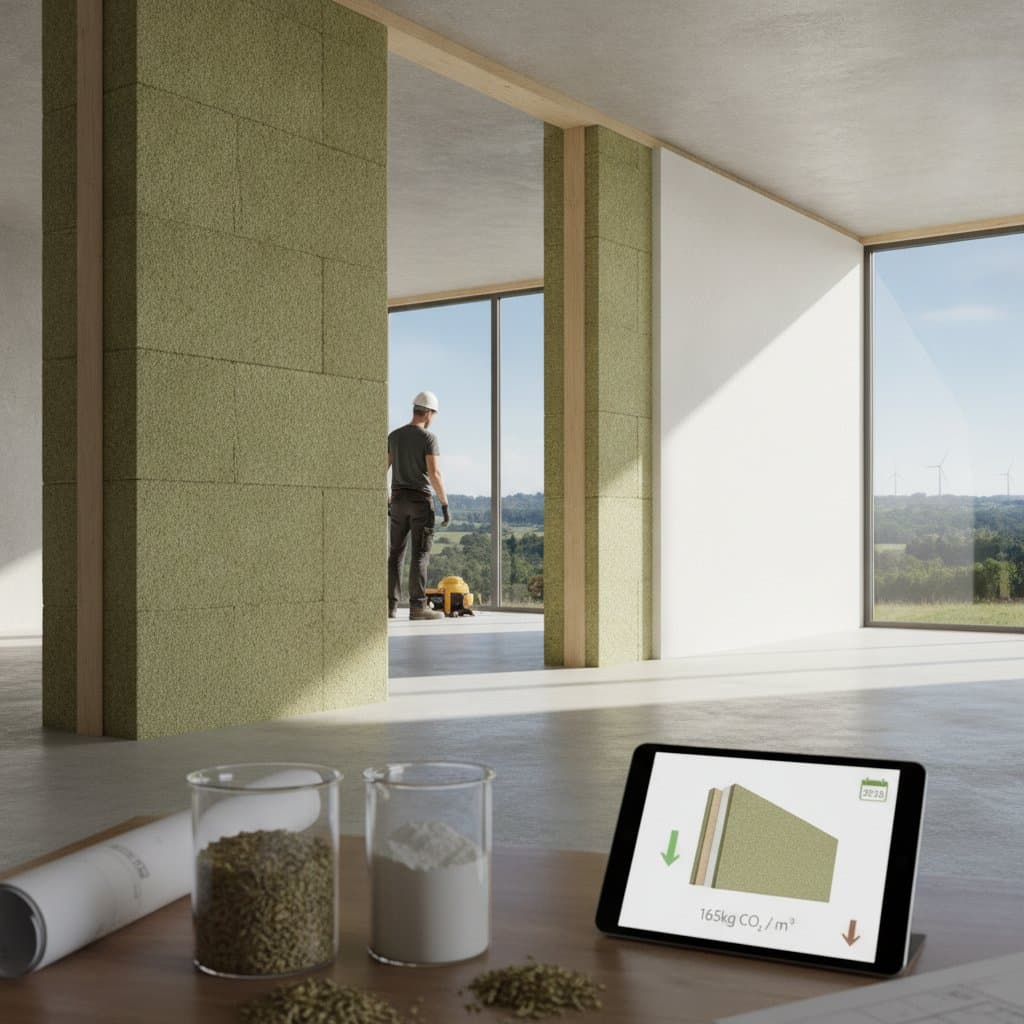
Mycelium insulation represents a breakthrough in green building materials. Derived from the root-like structure of mushrooms, this substance grows rapidly in controlled environments using agricultural waste as a substrate. Unlike synthetic foams or mineral fibers, mycelium forms a lightweight, porous network that excels in thermal regulation and environmental integration.
Builders and homeowners appreciate its versatility. The material molds to various shapes during growth, allowing customization for specific applications. As production methods advance, mycelium emerges as a viable option for reducing reliance on resource-intensive insulation.
The Challenge of Traditional Insulation
Standard insulation materials, such as polystyrene foam and fiberglass batts, prevail in most constructions. These products provide reasonable resistance to heat flow, yet they impose heavy ecological costs. Derived from fossil fuels, they demand substantial energy for production and release volatile organic compounds into the air.
In addition to manufacturing impacts, these materials pose ongoing issues. Fiberglass can irritate skin and lungs during handling, while foam boards contribute to non-recyclable waste streams. Over time, degradation leads to reduced effectiveness, forcing replacements that exacerbate resource consumption.
Energy loss through poor insulation affects household budgets significantly. Research indicates that up to 25 percent of heating and cooling expenses stem from inadequate barriers in walls and attics. With climate variability increasing demands on HVAC systems, the need for durable, low-impact alternatives grows urgent.
Benefits of Mycelium for Energy Savings
Mycelium insulation addresses these shortcomings through its unique properties. The fungal network creates air pockets that trap heat effectively, achieving R-values of 3 to 4 per inch. This performance rivals cellulose or spray foam without the chemical additives.
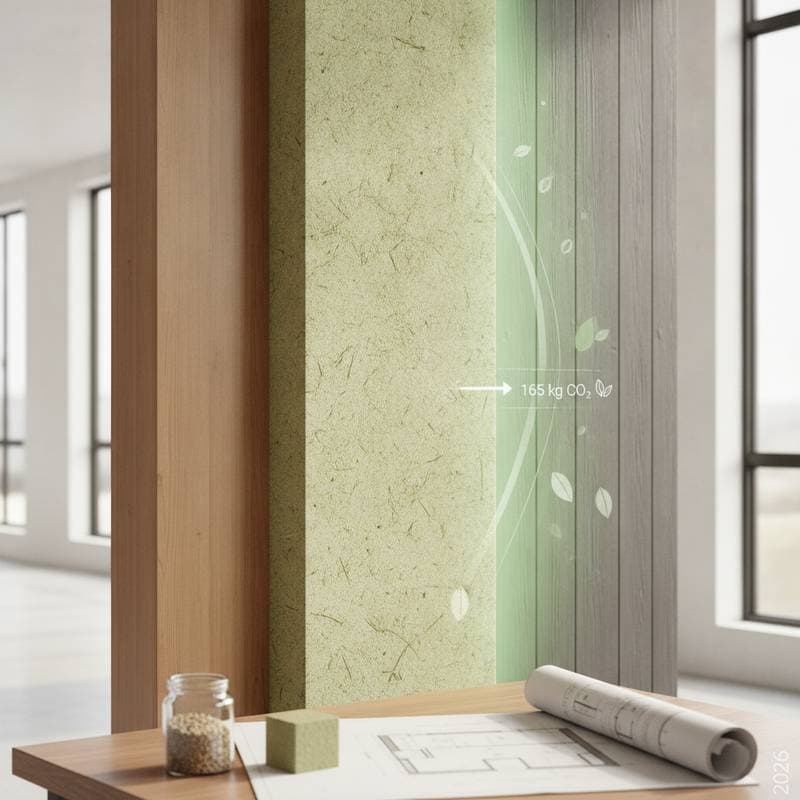
Beyond insulation, mycelium sequesters carbon during cultivation. Each cubic meter absorbs approximately 150 kilograms of CO2, turning homes into active carbon sinks. The material also regulates humidity naturally, reducing mold risks in damp conditions and improving indoor air quality.
Production emphasizes sustainability. Grown in weeks using local substrates like sawdust or straw, mycelium minimizes transportation emissions. At the end of its life, it decomposes harmlessly, supporting a closed-loop economy in construction.
Assessing Suitability for Your Home
Selecting mycelium insulation begins with evaluating your building's needs. Consider local weather patterns: in temperate zones with high humidity, the material's vapor permeability allows moisture to escape, preventing condensation. In arid or cold areas, its density provides robust thermal barriers against extreme temperatures.
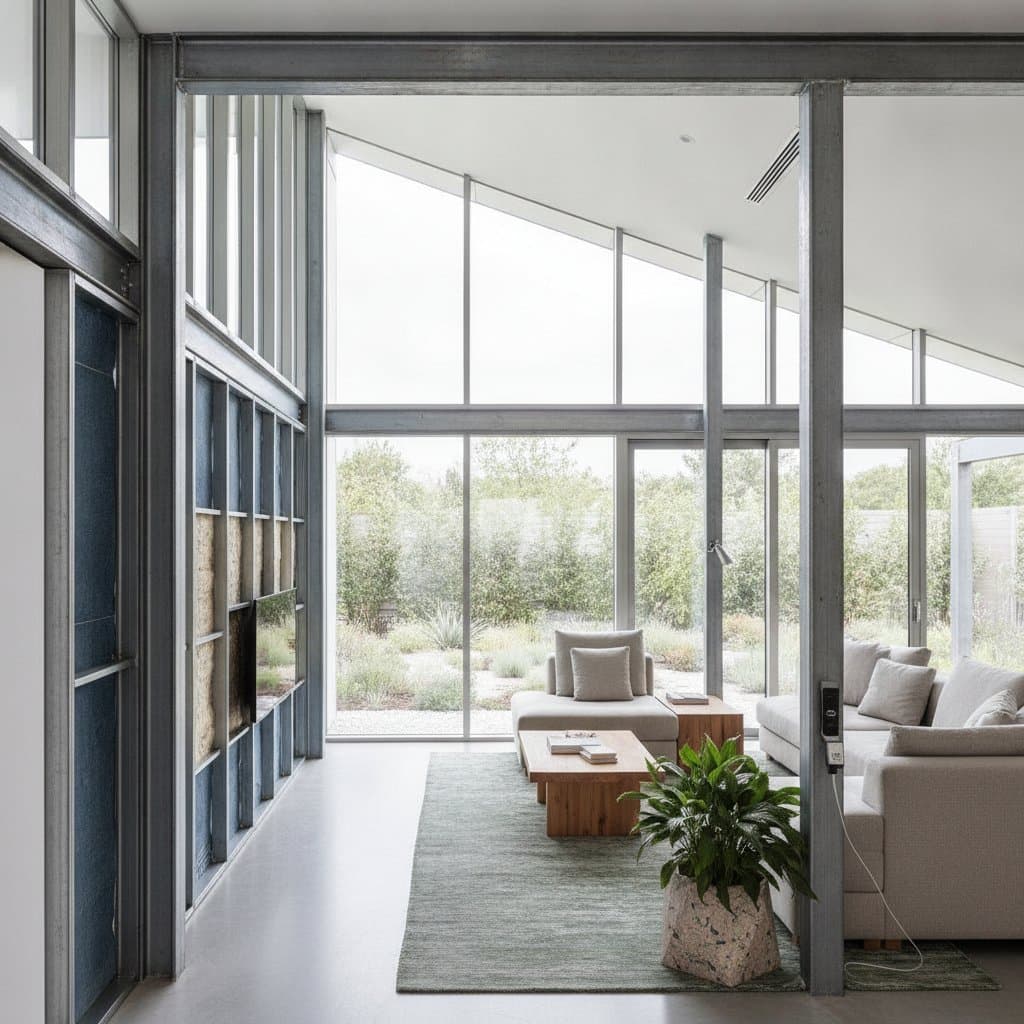
Examine your structure's framework. Mycelium pairs well with timber studs or cob walls, as its thermal expansion aligns closely with natural materials. For older homes, assess existing insulation to determine retrofit potential, focusing on attics and crawl spaces where gains prove most impactful.
Consult building plans or conduct a home energy audit. Tools like infrared cameras reveal heat leaks, guiding targeted applications. This preparation ensures maximum return on investment through reduced utility bills.
Selecting and Installing Mycelium Insulation
Mycelium insulation arrives in user-friendly formats tailored to project types.
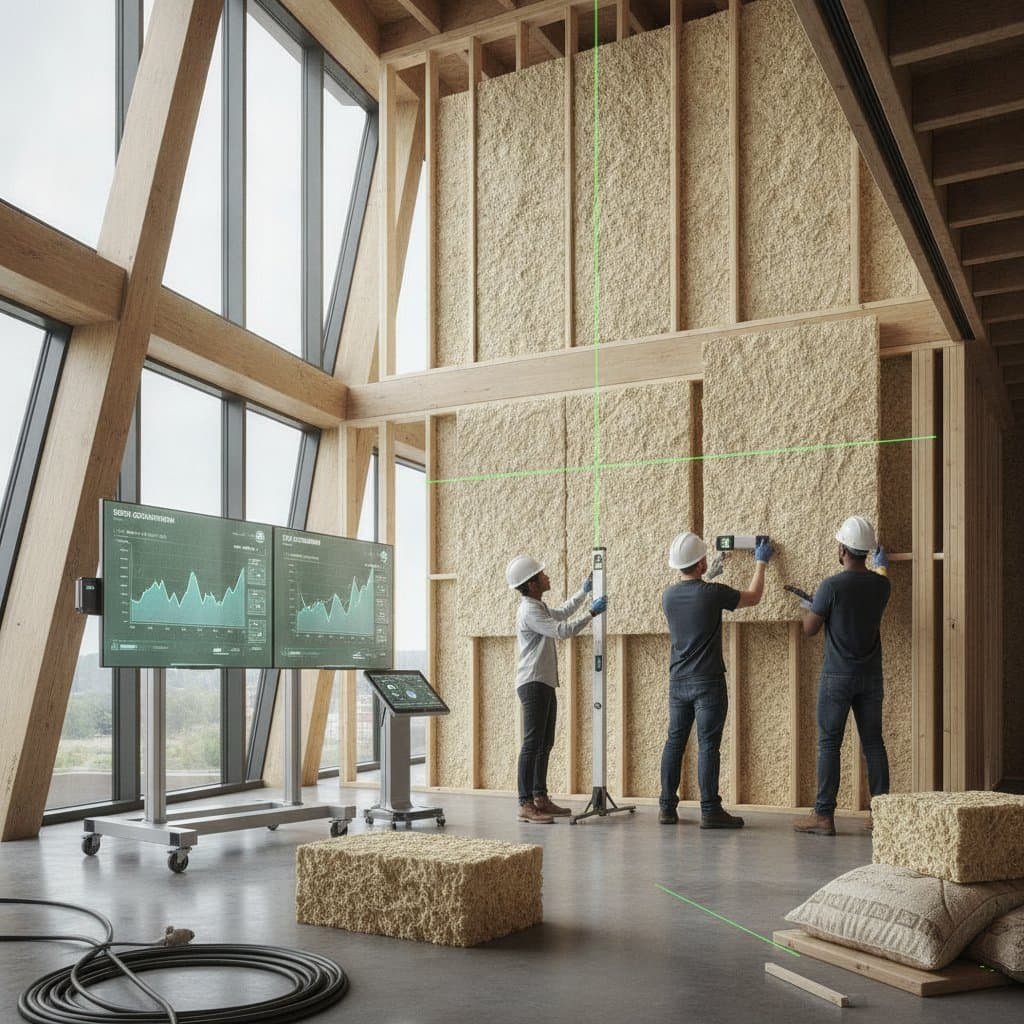
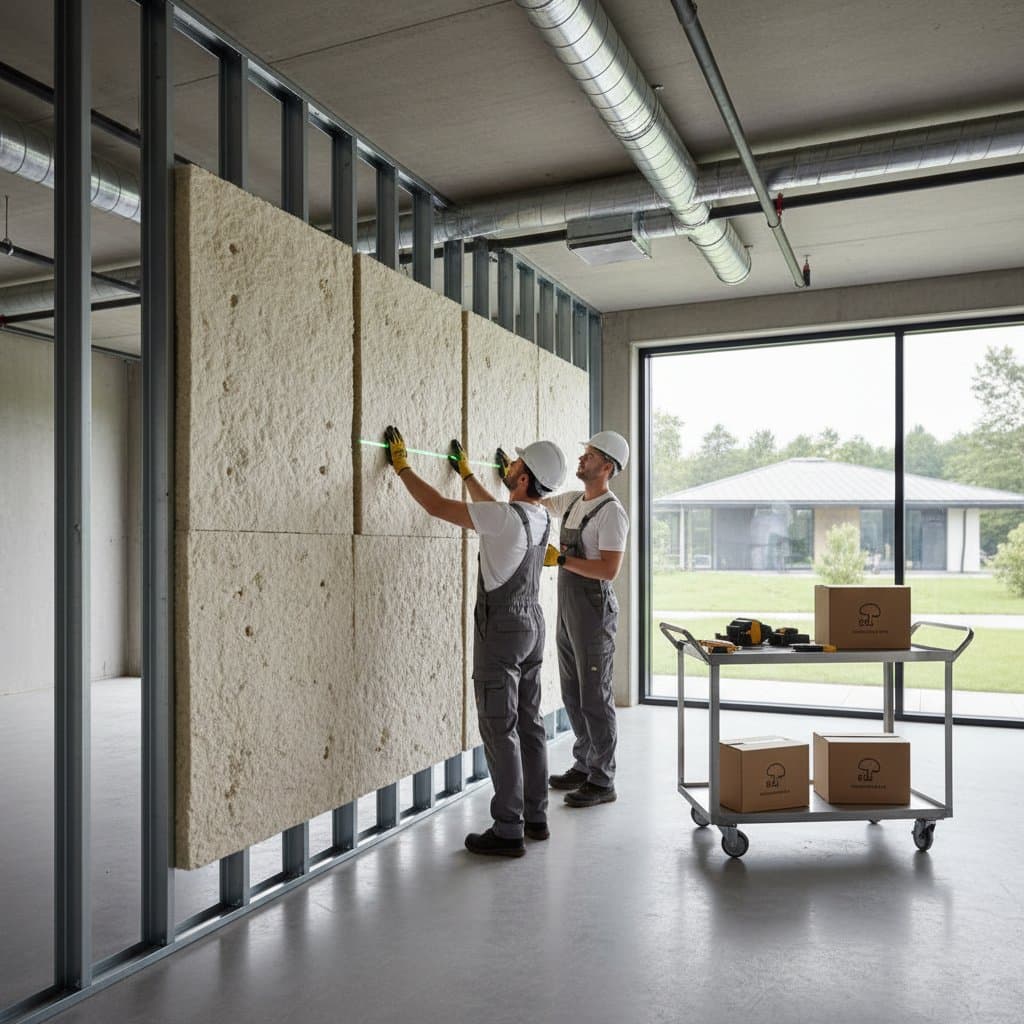
- Rigid panels: These suit new builds or major renovations, slotting between joists in walls, roofs, or floors. Panels measure typically 2 to 4 inches thick and cut easily with standard tools.
- Blown-in or loose fill: This form fills voids in existing structures, such as around pipes or in irregular attics. It expands to conform to spaces, offering flexibility for DIY enthusiasts.
Installation follows straightforward protocols to preserve performance.
- Prepare surfaces by cleaning and sealing drafts with natural sealants like beeswax-based caulk.
- Position panels or apply loose fill without compression, maintaining air-trapping structure.
- Incorporate a smart vapor retarder, such as kraft paper or lime-based coatings, to manage airflow.
- Secure with mechanical fasteners if needed, ensuring even coverage.
- Finish with breathable interior layers to allow the material's benefits to persist.
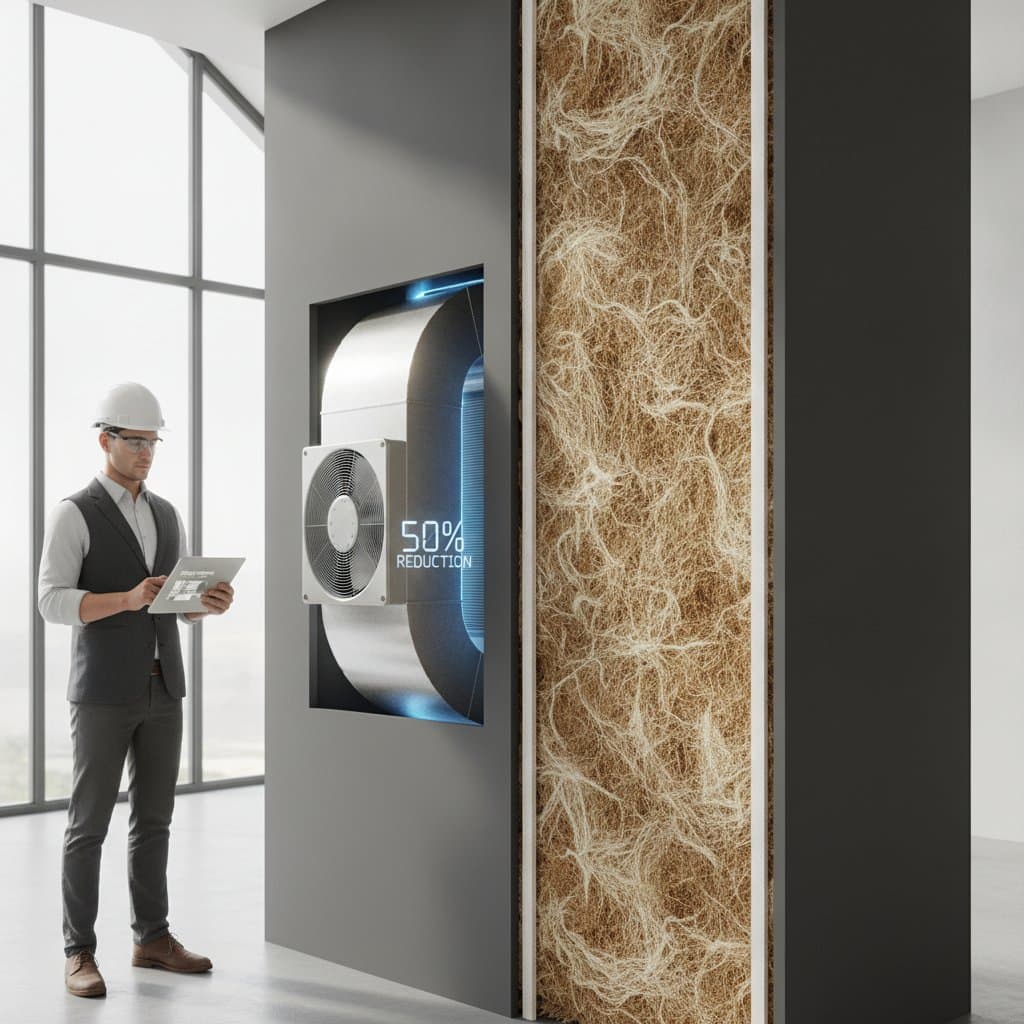
Engage certified installers familiar with bio-based products. Initial costs range 10 to 20 percent above conventional options, yet payback occurs in 3 to 7 years via energy reductions of 20 to 50 percent.
Evaluating Costs and Long-Term Value
Pricing for mycelium insulation varies by scale and region. Panels cost $2.50 to $4.00 per square foot, with bulk purchases lowering rates. Local farms or labs produce material on demand, cutting shipping expenses and supporting community economies.
Durability stands out as a key advantage. Under normal conditions, mycelium endures 50 years or longer, resisting insects and rodents due to its fungal composition. It avoids settling or dust shedding, unlike some fiber alternatives.
Maintenance involves simple inspections. Annually check for water exposure, as excess moisture can compromise integrity. Repairs entail removing affected sections and regrowing replacements, a process far simpler than synthetic overhauls.
Navigating Regulations and Safety
Compliance ensures safe integration into any project. Mycelium meets standards from organizations like the International Code Council, with Class A fire ratings achieved through borate treatments. Verify third-party testing for thermal resistance and emissions.
For fire-prone areas, combine with non-combustible backers like gypsum board. Acoustic properties also comply with noise reduction codes, enhancing livability in urban settings.
Source from reputable suppliers who provide material safety data sheets. Avoid unverified home kits, as sterile growth conditions prevent contamination. Professional guidance through green building networks guarantees adherence to best practices.
Experiencing the Advantages of Mycelium-Insulated Living
Homeowners report tangible improvements post-installation. Steady temperatures eliminate drafts, stabilizing indoor climates year-round. Fresher air circulation reduces allergens, fostering wellness.
Sound dampening adds to comfort, muting external noises for quieter spaces. Energy monitors confirm savings, often halving bills in well-sealed envelopes. Over time, these homes appreciate in value amid rising demand for sustainable features.
Common Questions About Mycelium Insulation
How does mycelium compare to fiberglass in performance? Mycelium offers similar R-values but excels in moisture management and lacks irritants, making it healthier for occupants.
Is mycelium suitable for all climates? Yes, its adaptability handles humidity and cold effectively, though pairing with climate-specific barriers optimizes results.
Can I install it myself? Basic retrofits work for handy individuals, but complex jobs benefit from experts to avoid performance gaps.
What about fire safety? Treated variants achieve top fire ratings, safe for residential use when installed per guidelines.
How soon will I see energy savings? Immediate reductions occur, with full benefits realized after seasonal cycles as the home stabilizes.