Hempcrete Delivers Up to 50 Percent HVAC Savings by 2026
Rising energy costs and increasing emphasis on sustainability prompt homeowners and builders to seek innovative materials. Hempcrete emerges as a promising option, capable of halving heating and cooling expenses while naturally regulating indoor humidity and sequestering carbon. This bio-based material, composed of the hemp plant's woody core combined with lime and water, gains traction in modern construction for its multifaceted benefits.
Hempcrete functions as an effective insulator and thermal mass, maintaining stable indoor temperatures year-round. Builders appreciate its versatility in new builds and retrofits, where it integrates seamlessly with existing frameworks. As adoption grows, projections indicate widespread use by 2026, driven by regulatory incentives and material advancements.
Essential Benefits of Hempcrete
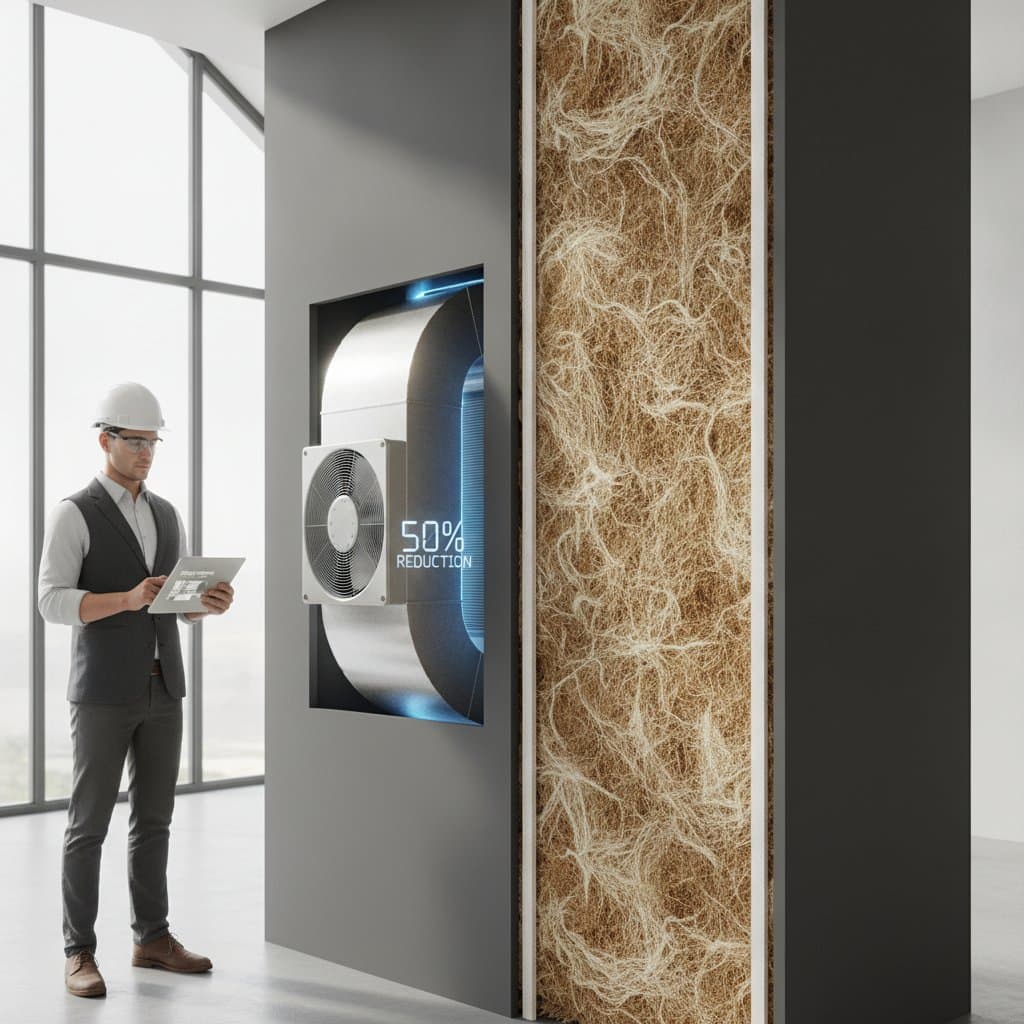
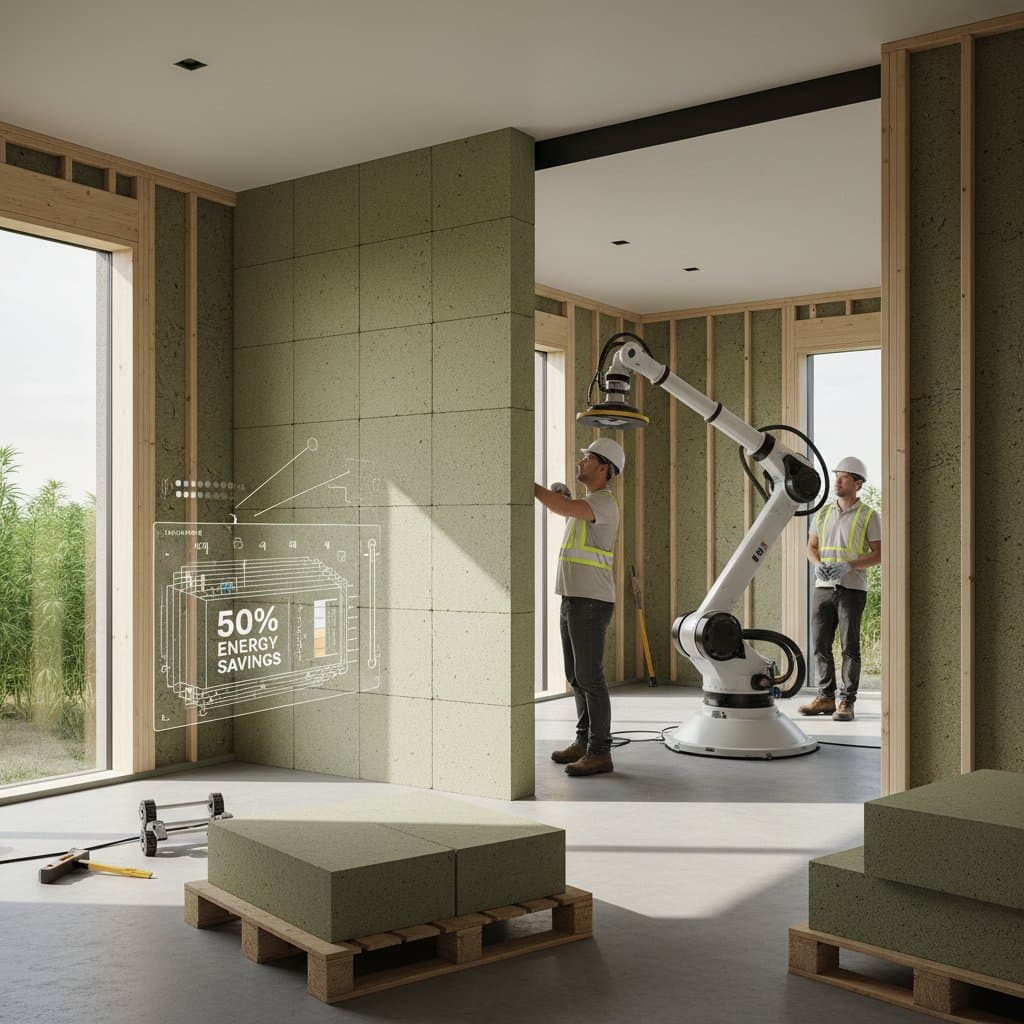
- Hempcrete achieves up to 50 percent reduction in HVAC energy use through superior thermal resistance and moisture regulation.
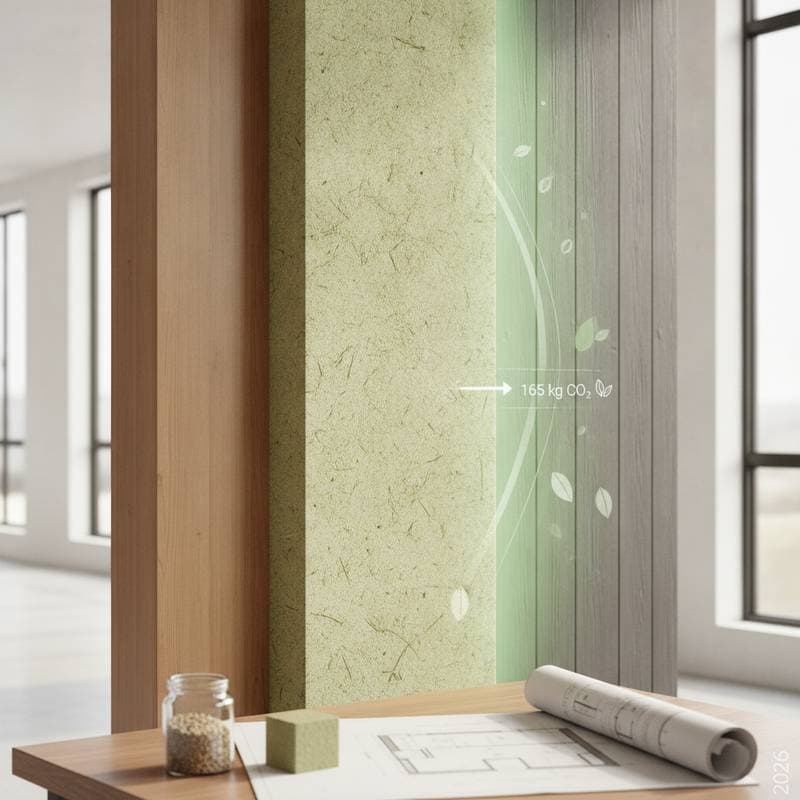
- As a carbon-negative material, it sequesters more carbon dioxide during production than it releases over its lifecycle.
- Its durability spans several decades with negligible maintenance requirements.
- Pairing hempcrete with HVAC systems allows for downsized units, yielding immediate savings on installation expenses.
- Hemp cultivation demands minimal water and eliminates pesticide use, positioning it among the most environmentally friendly construction resources.
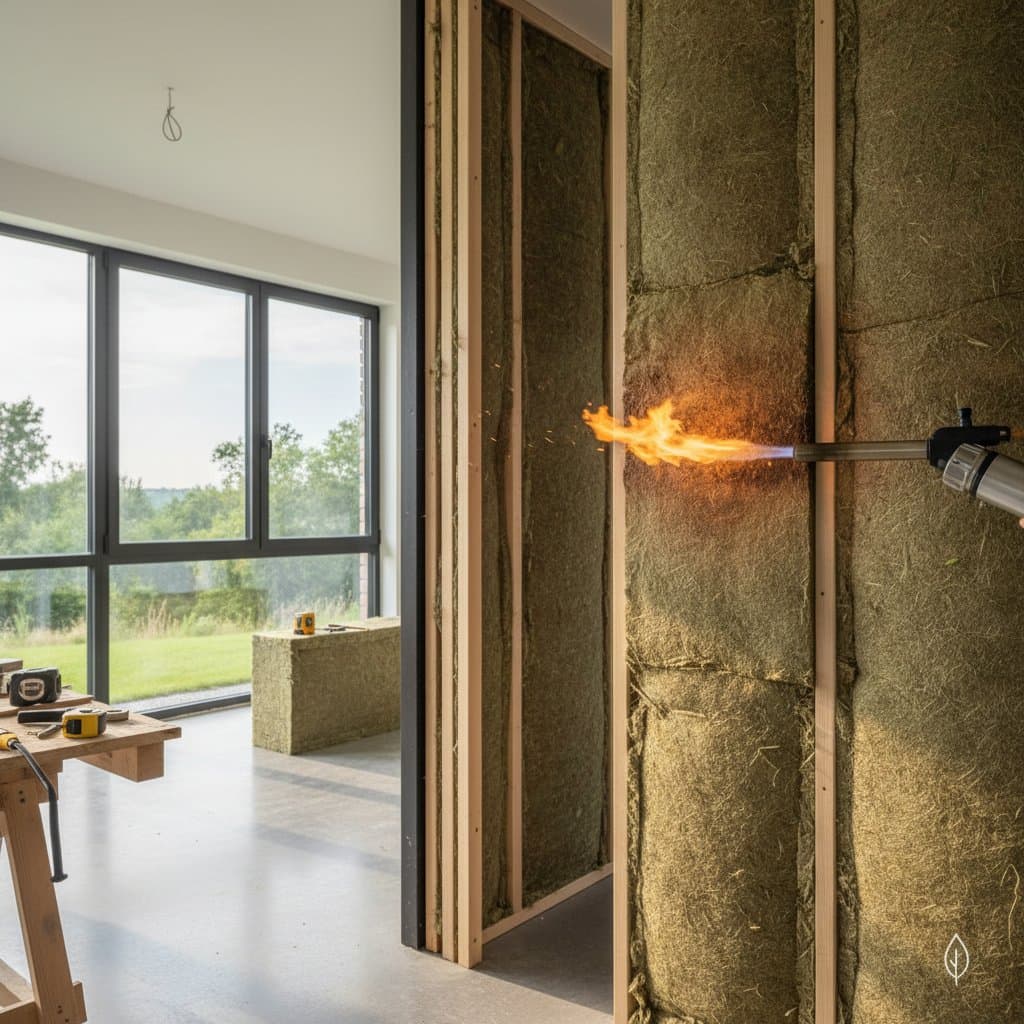
- The material enhances fire resistance and acoustic insulation, contributing to safer and quieter living spaces.
These attributes extend beyond energy efficiency to foster resilient, low-impact buildings that align with global sustainability goals.
Building the Economic Justification for Hempcrete
Hempcrete installations typically incur 10 to 20 percent higher initial costs compared to traditional framing and insulation methods. However, energy performance data from research in Europe and North America reveal rapid payback periods. Homeowners often recoup investments through 40 to 60 percent lower energy bills in the initial years.
Consider the broader financial implications. Reduced HVAC demands lower utility payments and extend equipment lifespan. Over time, these factors compound, often offsetting upfront premiums within five to seven years.
The following table illustrates key differences:
| Metric | Conventional Wall System | Hempcrete Wall System |
|---|---|---|
| Average HVAC Cost | 100% baseline | 50% of baseline |
| Maintenance Needs | Moderate to high | Very low |
| Carbon Footprint | Positive (emits CO₂) | Negative (sequesters CO₂) |
| Expected Longevity | 30 to 50 years | 70 to 100 years |
This comparison underscores a holistic approach to value in construction. Prioritizing lifecycle costs over initial outlays reveals hempcrete's superior return, particularly in regions with stringent energy codes.
Implementing Hempcrete in Construction Projects
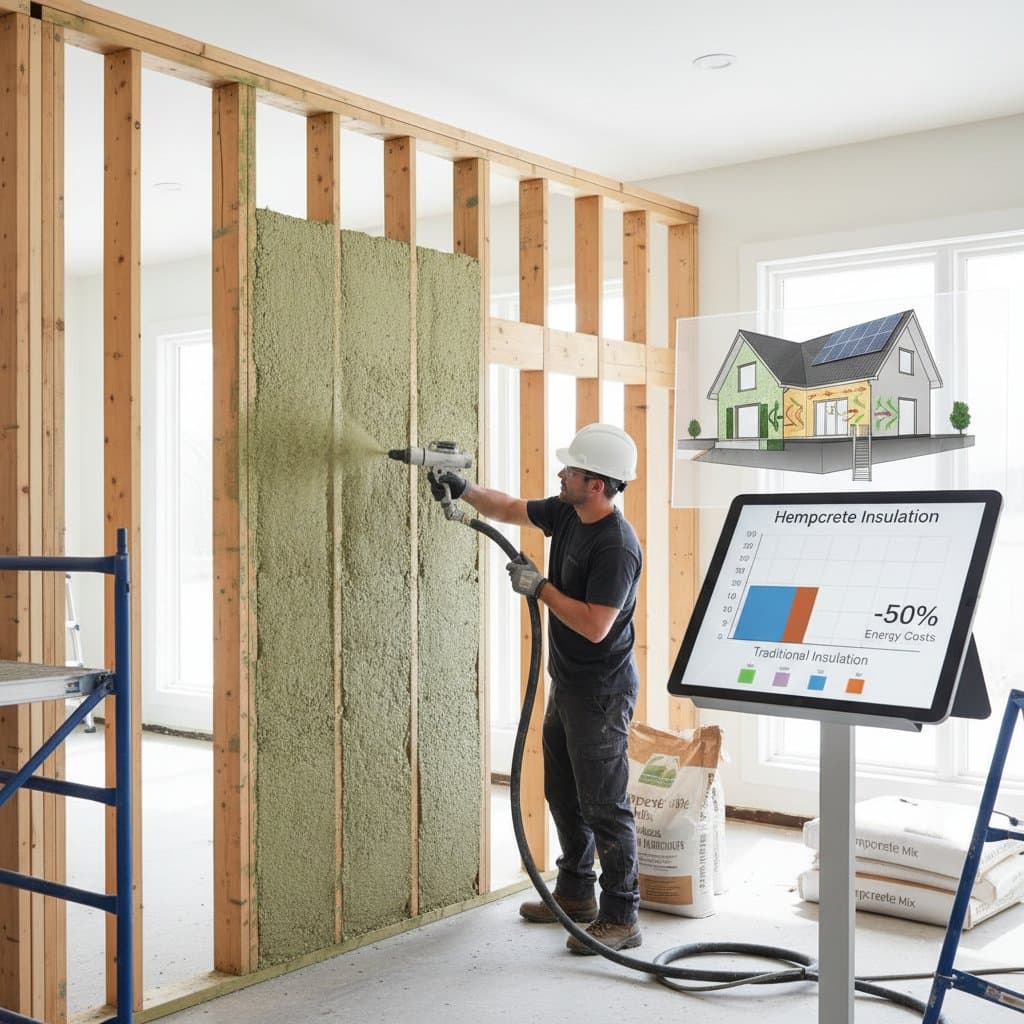
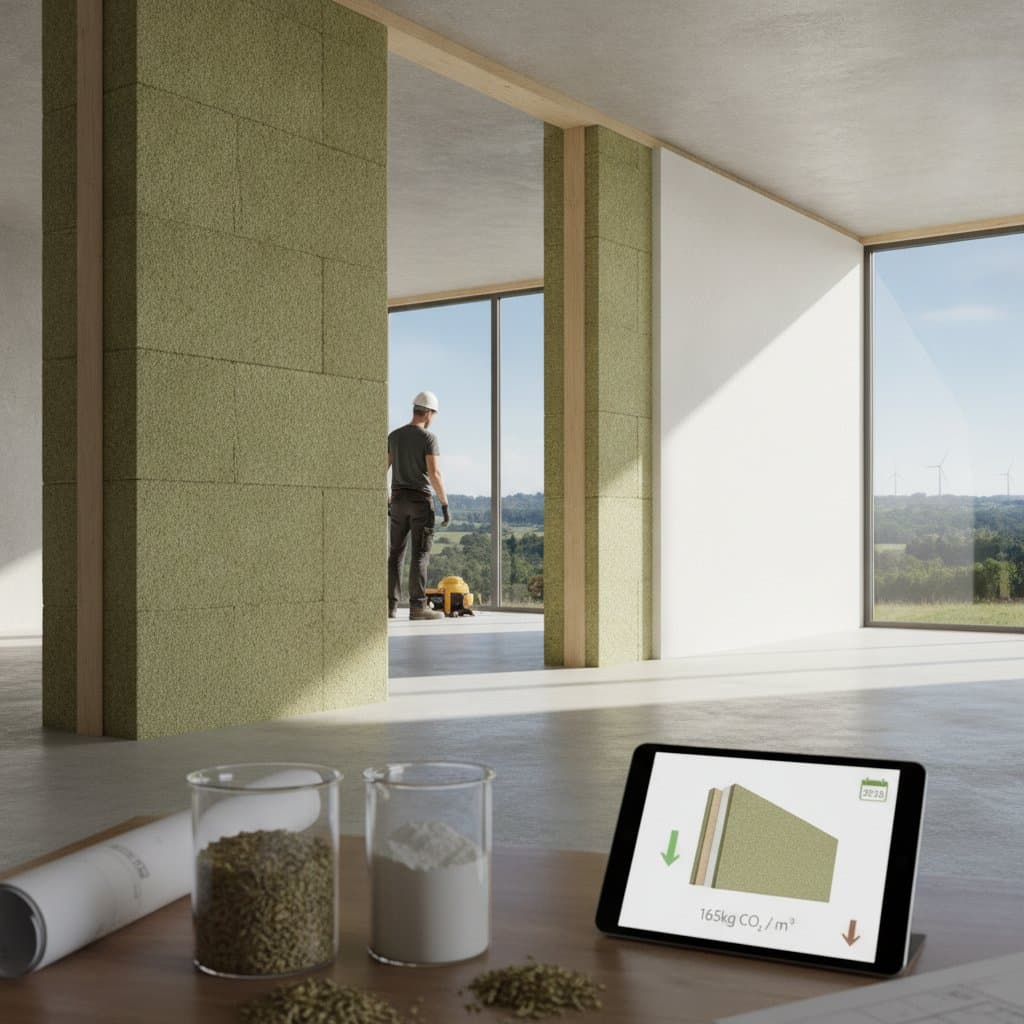
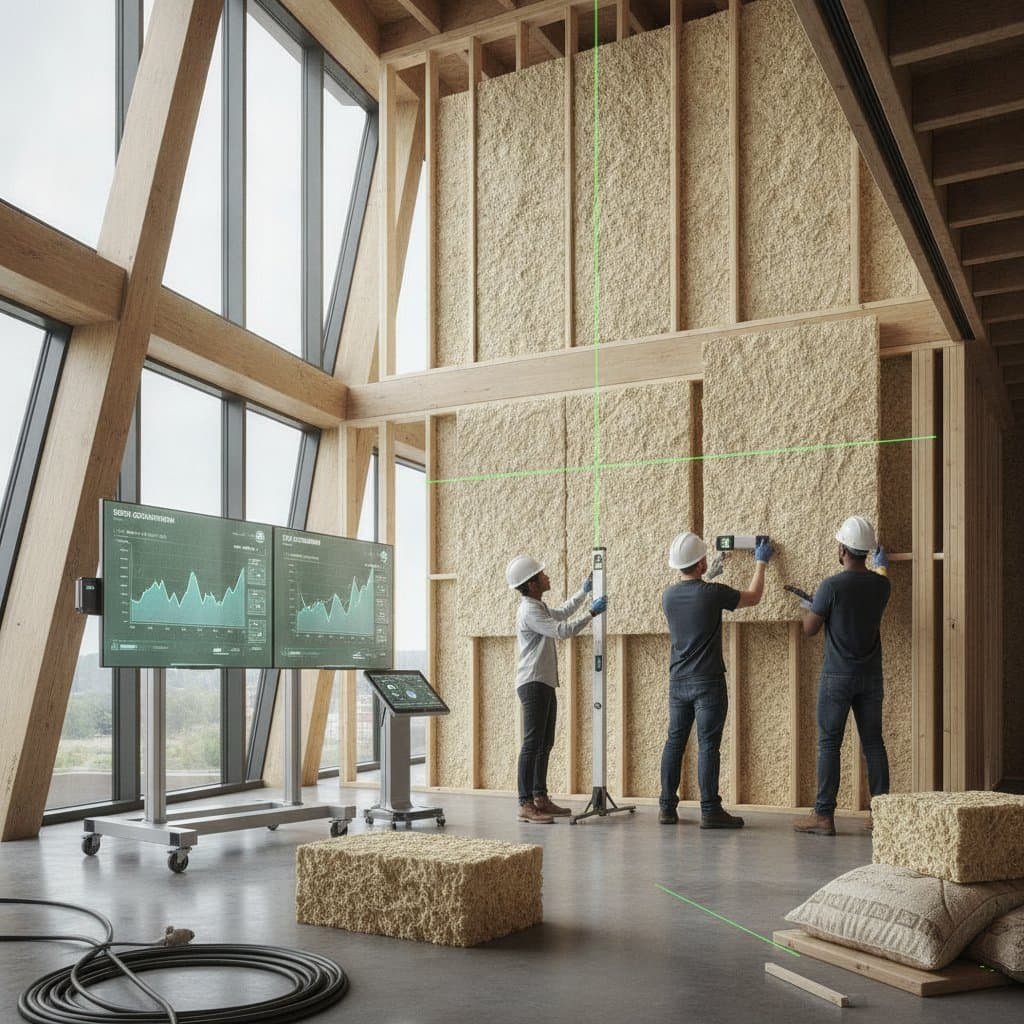
Hempcrete production starts with hemp hurds, the inner woody portion of the stalk, blended with a lime binder and water. This mixture casts into forms around structural timber frames, either poured in place or applied via spraying techniques. After curing, the result is a lightweight, permeable material resistant to fire and mold.
Builders and homeowners should evaluate several factors during planning:
-
Wall Dimensions: Opt for 12 to 16 inches thick to optimize insulation without excessive material use.
-
HVAC Integration: Leverage hempcrete's thermal properties to select compact systems, reducing both upfront and ongoing expenses.
-
Humidity Management: The material's vapor permeability eliminates the need for synthetic barriers, streamlining installation and promoting superior indoor air quality.
-
Surface Finishes: Apply lime or clay plasters to preserve breathability and aesthetic harmony.
-
Site Preparation: Ensure proper foundation drainage to complement hempcrete's natural moisture handling.
Homeowners experience tangible improvements post-installation. Indoor climates stabilize, eliminating drafts and hot spots. This consistency not only cuts energy use but also enhances daily comfort and health.
For retrofits, consult certified installers to assess compatibility with current structures. Pilot projects in various climates demonstrate hempcrete's adaptability, from humid coastal areas to arid interiors.
Advancing Sustainable Builds with Hempcrete
The construction sector faces pressure to balance environmental impact with practical economics. Hempcrete bridges this gap by enabling energy-efficient designs that withstand climate challenges.
Builders can advance adoption by incorporating hempcrete into project bids and sharing performance data with stakeholders. Homeowners benefit from inquiring about bio-based alternatives during consultations, focusing on total ownership costs.
Widespread integration of hempcrete promises structures that regulate themselves, minimize resource demands, and contribute to carbon reduction efforts. This material paves the way for resilient communities equipped for a changing world.