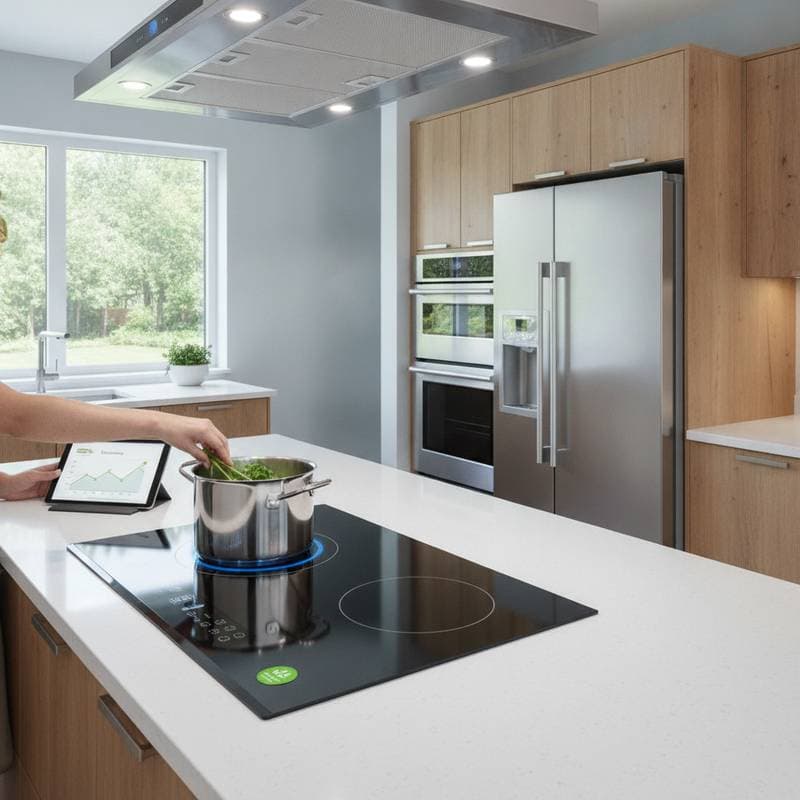
Ocean Plastic Countertops: The Sustainable Choice for 2026 Kitchens
Homeowners planning their ideal kitchen prioritize smooth surfaces, efficient layouts, and materials that blend visual appeal with reliable performance. Ocean plastic countertops add an innovative layer by weaving environmental responsibility into this equation. Made from recycled plastics gathered from oceans and coastlines, these countertops offer style, durability, and a tangible contribution to marine conservation.
The production process starts with cleanup efforts that collect discarded plastics from waterways. Manufacturers then transform these materials into sturdy slabs capable of handling everyday demands. The slabs feature unique patterns from the diverse colors of ocean debris. For anyone renovating a kitchen, choosing ocean plastic countertops allows alignment of design tastes with efforts to curb global plastic pollution.
Essential Features of Ocean Plastic Countertops
- These countertops repurpose waste destined for oceans, which reduces marine debris and eases the burden on landfills.
- Advanced manufacturing techniques create surfaces as strong as quartz or granite, ideal for busy kitchen spaces.
- Costs range from $60 to $120 per square foot, depending on design details and the producer.
- One standard slab reuses material from about 1,000 plastic bottles, keeping them out of natural ecosystems.
- Sustainability certifications help qualify projects for green building standards and possible tax incentives.
Evaluating Ocean Plastic Against Conventional Materials
Kitchen remodel decisions often balance cost, durability, looks, and environmental impact. Ocean plastic countertops serve as strong alternatives to high-end choices like quartz, granite, and solid surfaces.
| Material Type | Average Cost per Sq. Ft. | Durability Rating | Maintenance Level | Environmental Benefit |
|---|---|---|---|---|
| Ocean Plastic | $60 - $120 | High | Low | Diverts ocean waste; fully recycled |
| Quartz | $70 - $140 | Very High | Low | Minimal recycled content |
| Granite | $50 - $100 | Very High | Moderate | Natural resource; non-renewable |
| Solid Surface | $45 - $85 | Moderate | Low | Some recyclability |
| Laminate | $25 - $50 | Low | Moderate | Restricted recyclability |
Quartz and granite attract buyers with their outstanding strength and luxurious finishes. Ocean plastic countertops stand out, however, with unmatched eco-friendly qualities and custom visuals. The marbled effects from mixed plastic pieces give each slab a one-of-a-kind look, similar to the veining in natural stone.
Laura Chen, a kitchen designer in Seattle, notes, "Clients increasingly seek materials that blend visual elegance with moral integrity. Ocean plastic countertops achieve this balance. They function impeccably and invite meaningful discussions."
Exploring Design Options and Visual Charm
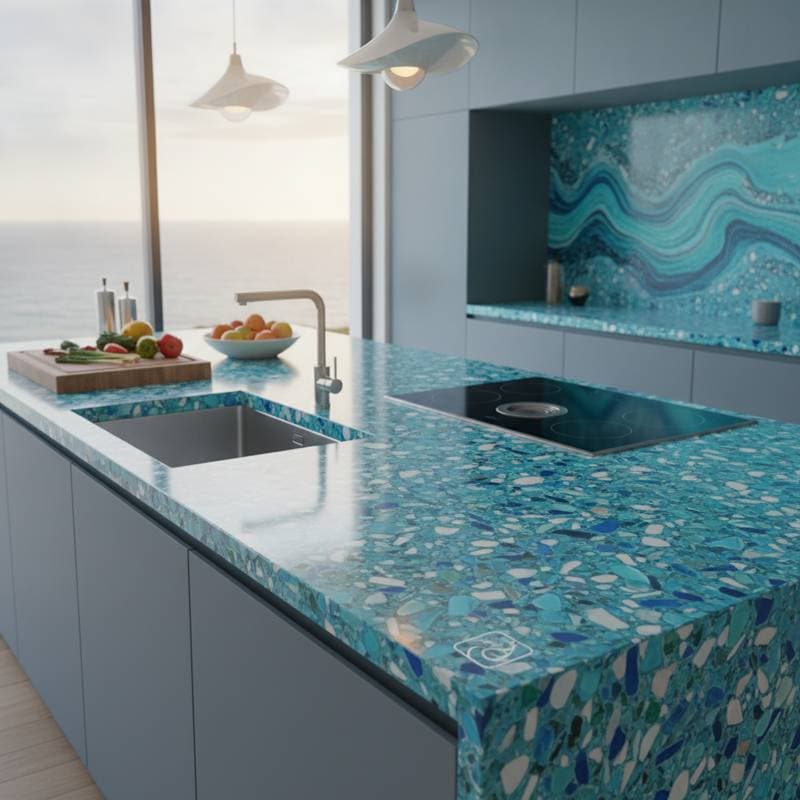
Recycled materials often face stereotypes of limited design flexibility. Ocean plastic countertops disprove this with a wide range of finishes developed through careful engineering. Producers provide colors from vibrant turquoise blends to subtle marble mimics.
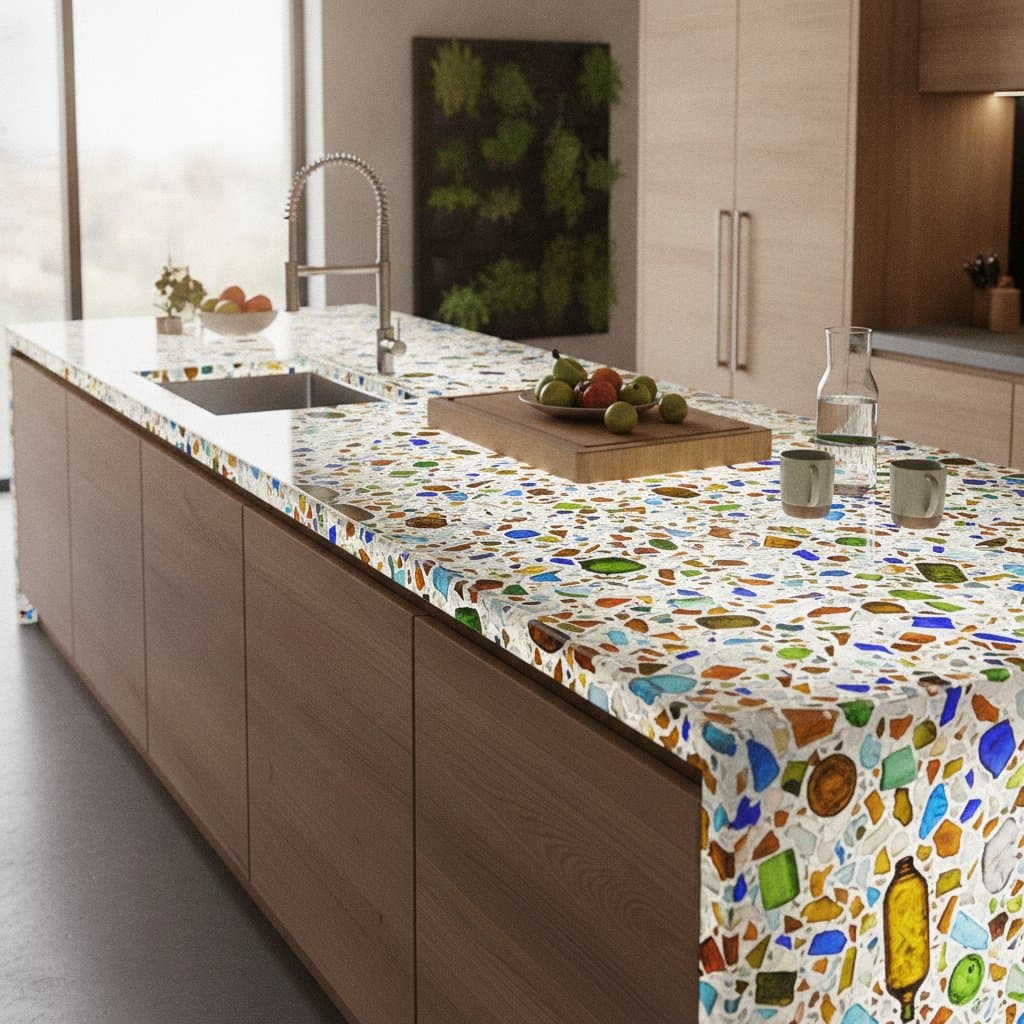
Some patterns mimic terrazzo by scattering colorful flecks in a glossy base for added depth. Fans of minimalism appreciate neutral tones with fine grains that create a sleek, modern feel. Those who prefer bold statements enjoy vibrant mixes that pair well with wooden cabinets or simple fixtures.
Designers often make these countertops the focal point, combining them with natural elements like reclaimed wood. This approach creates a refined, eco-conscious style that connects modern innovation with timeless appeal.
Assessing Environmental Contributions and Circular Practices
Selecting an ocean plastic countertop goes further than surface-level style; it supports active planetary care. The manufacturing process captures plastics from vulnerable ocean areas, protecting wildlife and habitats. Top brands share clear metrics on waste diverted per product, so buyers can measure their impact.
Data from Plastic Oceans International shows that producing one square foot saves roughly 15 plastic bottles from the environment. For a typical 40-square-foot kitchen, that means redirecting about 600 bottles that could linger indefinitely.
The process uses less energy than mining stone or making new plastics. Many operations follow circular economy principles by recycling scraps and offering take-back programs for worn products, ensuring materials stay in use.
Rafael Soto, an environmental engineer, explains, "These materials close the sustainability cycle effectively. Ocean plastic countertops transcend mere recycling; they reshape perceptions of resource worth and ecological stewardship."
Addressing Challenges and Anticipating Advancements
Despite their promise, ocean plastic countertops encounter obstacles to broad use. Supply consistency varies with weather, local access, and volunteer collections. Producers address this by streamlining logistics and collaborating with international cleanup groups for steady sourcing.
Some consumers doubt the strength or polish of recycled goods. Brands respond with improved surfaces and high-profile installations by architects to prove performance in real settings.
Research continues to refine the product, such as adding bio-based binders to replace petroleum elements and cut emissions. As awareness grows, uses will expand to items like wall tiles, cabinet doors, and patio features, opening more paths for green design.
Incorporating Ocean Plastic into Your Kitchen Project
To build a full eco-friendly kitchen, match ocean plastic countertops with other sustainable picks. Consider recycled glass backsplashes, bamboo cabinets from managed forests, or low-VOC paints.
Start with the countertop as your base, then choose surrounding pieces to complement its shades. The natural variations, like those in marble, guide decisions on lights, floors, and accessories.
Work with experts by requesting samples viewed in your home lighting. This confirms how colors and textures appear in your actual space for a perfect fit.
Building a Greener Kitchen Legacy
Adopting ocean plastic countertops advances kitchens that honor both aesthetics and the planet. These choices boost everyday use while strengthening personal roles in worldwide conservation. Heading into 2026, they pave the way for durable, mindful homes.