Phase-Change Materials Reduce Home Heating Costs by Up to 25 Percent
Phase-change materials stabilize indoor temperatures by absorbing and releasing heat. When integrated properly into walls or ceilings, these materials cut heating and cooling energy use by up to 25 percent. They support passive design strategies, lower carbon emissions, and provide cost-effective options for both new construction and retrofits.
Temperature Swings Drive Up Energy Bills
Many homes experience sharp temperature changes throughout the day. A living room may feel cold in the morning yet become uncomfortably warm by afternoon. Traditional insulation slows heat movement but stores little energy. Phase-change materials address this gap by actively managing heat through phase transitions.
How Phase-Change Materials Regulate Heat
These materials absorb heat as they melt from solid to liquid during warmer periods. They release stored heat as they solidify when temperatures drop. The process occurs at a consistent transition temperature and keeps indoor conditions within a narrow range. Research from the U.S. Department of Energy shows that phase-change materials can limit daily temperature variation to roughly two degrees.
Common Material Types and Properties
Manufacturers use paraffin, salt hydrates, and fatty acids in building products. Paraffin offers stability and resists corrosion. Salt hydrates provide good thermal conductivity at lower cost. Fatty acids suit projects that prioritize natural or low-toxicity ingredients. Each type stores latent heat without changing its own temperature during the transition.
Building Product Integration
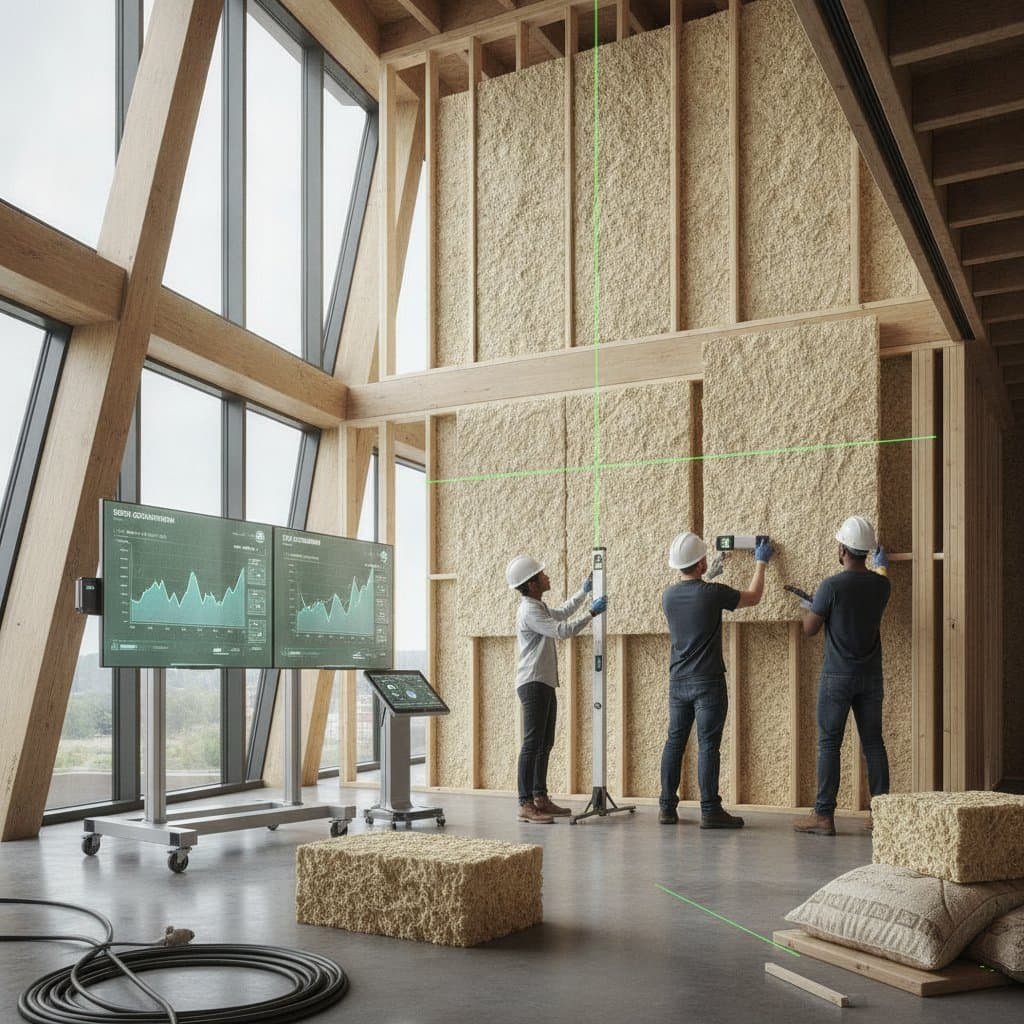
Phase-change materials now appear in drywall, plaster, concrete mixes, and insulation panels. The finished products install like standard materials yet moderate temperature peaks. Studies of PCM-enhanced drywall report up to 40 percent less indoor temperature variation when the materials are placed in interior surfaces.
Comparison of Available Options
| PCM Type | Typical Melting Point (°C) | Relative Cost | Common Applications | Sustainability Rating |
|---|---|---|---|---|
| Paraffin | 22-26 | Moderate | Drywall, ceiling tiles | Medium |
| Salt Hydrate | 25-30 | Low | Concrete additives, insulation | Medium |
| Fatty Acid | 18-25 | High | Floor panels, eco-retrofits | High |
Homeowners should weigh melting point, cost, and environmental profile when selecting a product.
Documented Energy Savings and Payback
Field tests show PCM walls can reduce air conditioning demand by 15 to 25 percent in climates with large daily temperature swings. In heating-dominated regions the same materials lower energy use during shoulder seasons. A typical drywall retrofit costs between 20 and 40 dollars per square meter. Payback usually occurs within five to eight years through reduced utility bills.
Pairing with Passive Design Strategies
Phase-change materials deliver the best results when combined with shading, ventilation, and strategic airflow. During the day the materials absorb excess heat while exterior shading blocks direct sun. In the evening, cooler air can flush the space and reset the materials for the next cycle. Night flushing works especially well because it allows complete daily cycling.
Placement and Retrofit Guidance
Install phase-change products on interior walls and ceilings in rooms that experience the largest temperature swings. Choose a transition temperature close to the target indoor comfort range. Pair the materials with existing insulation rather than replacing it. For retrofits, thin panels or flexible sheets fit behind new drywall or as ceiling tiles without major structural work. Smaller tests are possible with PCM additives in paint or plaster.
Costs, Incentives, and Long-Term Value
An average retrofit that costs 4,000 dollars can produce annual savings of 400 to 600 dollars. This yields a 10 to 15 percent return before any property value gains. Some regions offer rebates or green building credits for thermal storage measures. Local energy offices maintain current lists of available programs.
Additional Comfort and Environmental Gains
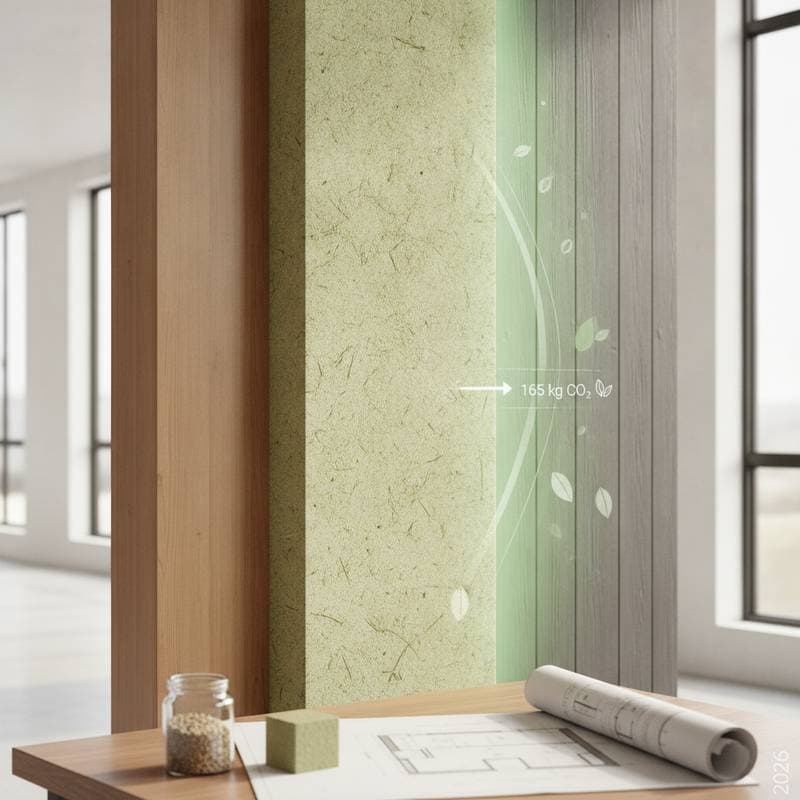
Stable indoor temperatures reduce sleep disruption and concentration fatigue. The materials also lower peak electricity demand, which decreases reliance on fossil-fuel generation. When used with low-carbon building products such as hempcrete, phase-change materials support circular economy goals through long service life and minimal replacement needs.
Emerging Developments in Residential Applications
New encapsulation techniques improve durability and prevent leakage. Bio-based formulations derived from plant oils are entering the market with lower production emissions. Smart thermostats can now track material charge state through sensors and adjust HVAC schedules accordingly. These advances make phase-change materials increasingly practical for both new homes and existing stock.