Recycled Plastic Shingles: Engineered for 50-Year Durability in 2025
Homeowners prioritize roofing materials that deliver long-term reliability, affordability, and ecological benefits. Recycled plastic shingles stand out in this category. Manufacturers transform waste plastics into robust roofing solutions that outperform many conventional options.
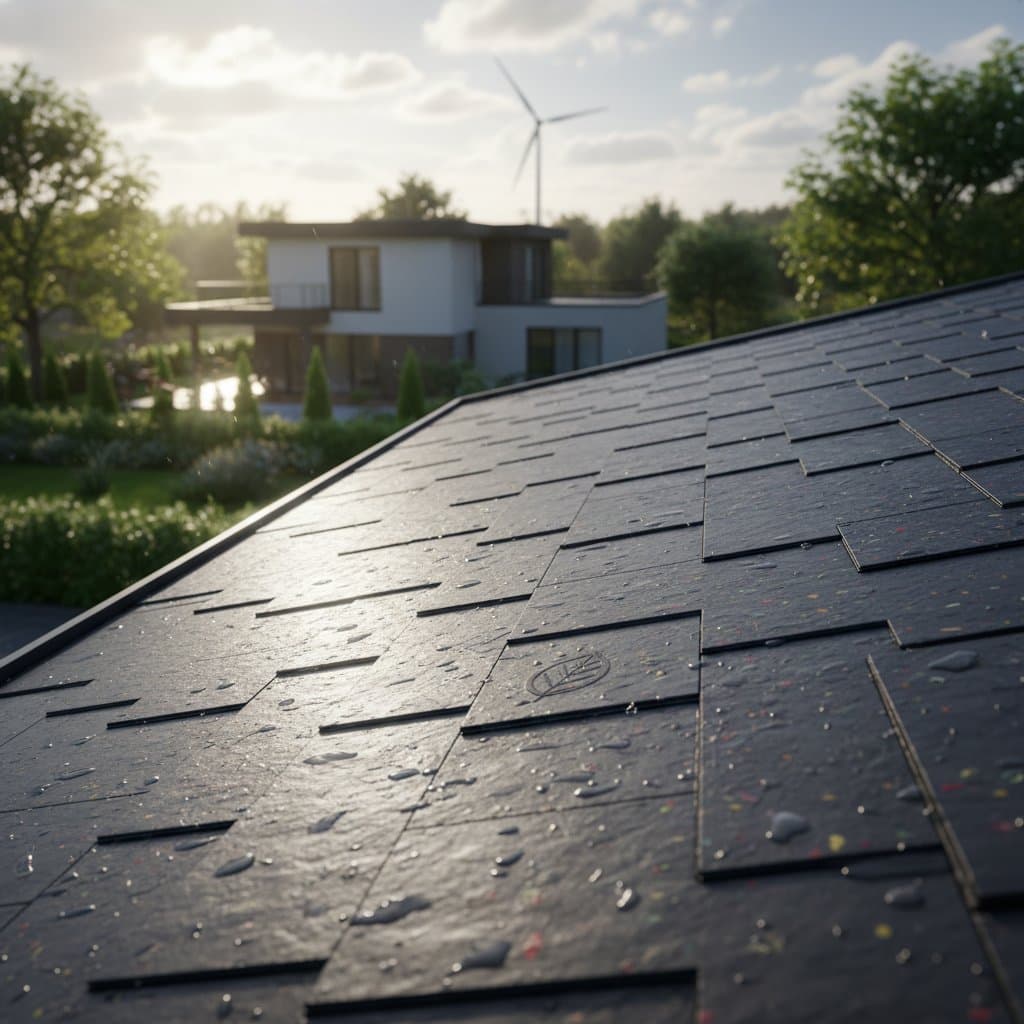
The creation process starts with collecting post-consumer items like plastic bottles and containers. Workers melt these materials and mold them into resilient shingles. This approach yields products that withstand fading, cracking, and severe weather conditions. Installed roofs retain structural strength for decades, needing only routine visual checks to stay in top condition.
Key Advantages of Recycled Plastic Shingles
- Expect a service life of 45 to 50 years in typical weather, outlasting asphalt shingles by double the duration.
- Prevent thousands of pounds of plastic from entering landfills and waterways with each roof application, aiding global waste management.
- Match installation expenses of high-quality asphalt or composite types, at $5 to $8 per square foot including labor.
- Boost energy savings via light-reflecting surfaces that lower air conditioning demands in hot regions by up to 15 percent.
- Allow complete recycling at end-of-life, enabling reuse in new products and closing the material loop.
- Mimic the look of slate or cedar while reducing weight by 70 percent, which lessens stress on roof frameworks.
These attributes adapt well to diverse weather patterns and home designs. Contractors note reduced repair requests, and owners gain confidence from a roof that endures across family generations.
Comparing Performance and Costs
Assess recycled plastic shingles by examining lifespan, pricing, and care needs against competitors. The table below summarizes industry-standard data for clarity.
| Roofing Type | Average Lifespan | Typical Cost per Square Foot | Maintenance Level | Recyclable |
|---|---|---|---|---|
| Asphalt Shingles | 20-25 years | $3 - $5 | Moderate | Limited |
| Cedar Shake | 30-35 years | $6 - $9 | High | Partial |
| Metal Roofing | 40-70 years | $7 - $12 | Low | Yes |
| Recycled Plastic Shingles | 45-50 years | $5 - $8 | Low | Yes |
Recycled plastic shingles strike a balance in this lineup. They extend roof life at accessible costs, avoiding the heavy upkeep of wood or the premium price of metal. Lighter weight streamlines installation, cutting labor costs by 20 to 30 percent on extensive roofs. Additionally, these shingles fend off moss, algae, and pests, maintaining both visual appeal and functionality for years.
Their environmental edge adds substantial worth. Asphalt relies on fossil fuels, but recycled plastic shingles tackle pollution head-on. Research shows one roof can repurpose materials from about 10,000 plastic bottles, magnifying conservation efforts. This shift supports cleaner air and reduced resource extraction.
Guide to Installing Recycled Plastic Shingles
Start by inspecting your existing roof for damage or weaknesses. Hire a certified roofer to confirm if the structure suits these lightweight shingles, particularly on aged buildings where reduced load proves advantageous. Choose products endorsed by groups like the U.S. Green Building Council to ensure genuine eco-credentials.
Gather bids from specialists in sustainable roofing. Review choices for shades, textures, and warranties that cover defects for 50 years. Prepare the site by removing old layers and applying quality underlayment, which enhances waterproofing and longevity.
Installers fasten the interlocking pieces using corrosion-resistant nails or clips, forming a tight seal against storms up to 110 mph winds. For a standard single-story home, completion takes one to three days. Afterward, perform yearly inspections to spot loose edges or debris buildup, and gently rinse surfaces if algae appears in humid areas.
Advance Your Home with Lasting Sustainable Protection
Choosing recycled plastic shingles invests in enduring security and green innovation. This selection shields against rising maintenance expenses and elevates home efficiency. Owners frequently see trimmed utility costs and higher resale values thanks to eco-certifications.
On a larger scale, broader use diminishes reliance on new plastics and slows waste buildup. As industry advances continue, these shingles exemplify how toughness pairs with responsibility. Your decision today fosters resilience for homes and the environment alike.