Electrify Your Home: Slash Energy Bills by 25 Percent in 2026
When homeowners activate a stove or adjust a thermostat, they rarely consider the underlying fuel source. These routine actions influence household expenses and indoor environments significantly. As natural gas prices rise and efficiency incentives proliferate, numerous individuals ponder whether the moment has arrived to eliminate gas dependency entirely.
Essential Benefits of the Transition
- Homeowners who replace gas appliances with electric alternatives can reduce yearly energy expenses by as much as 25 percent, based on regional rates and consumption patterns.
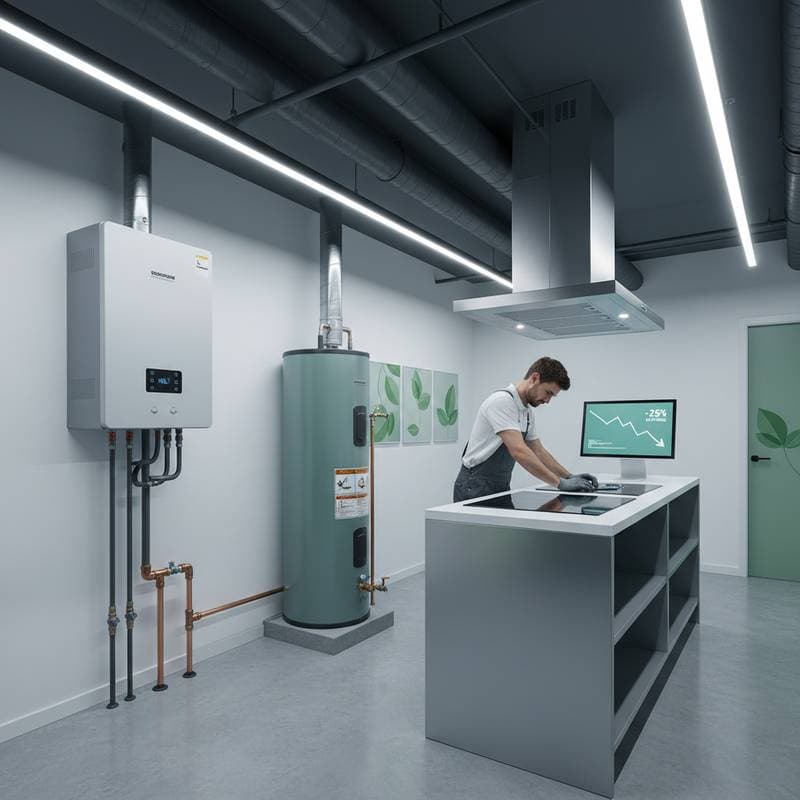
- Induction cooktops prepare meals almost twice as quickly as gas stoves and consume approximately 15 percent less energy overall.
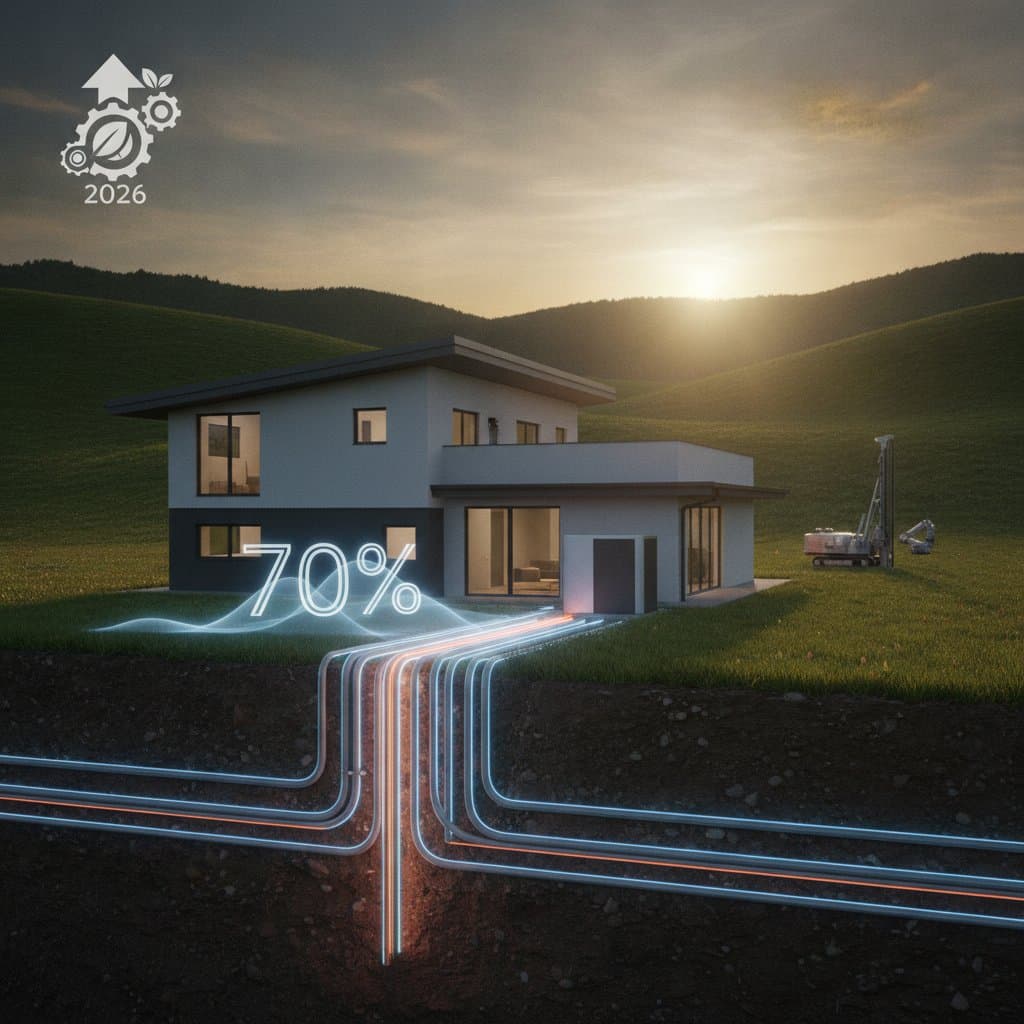
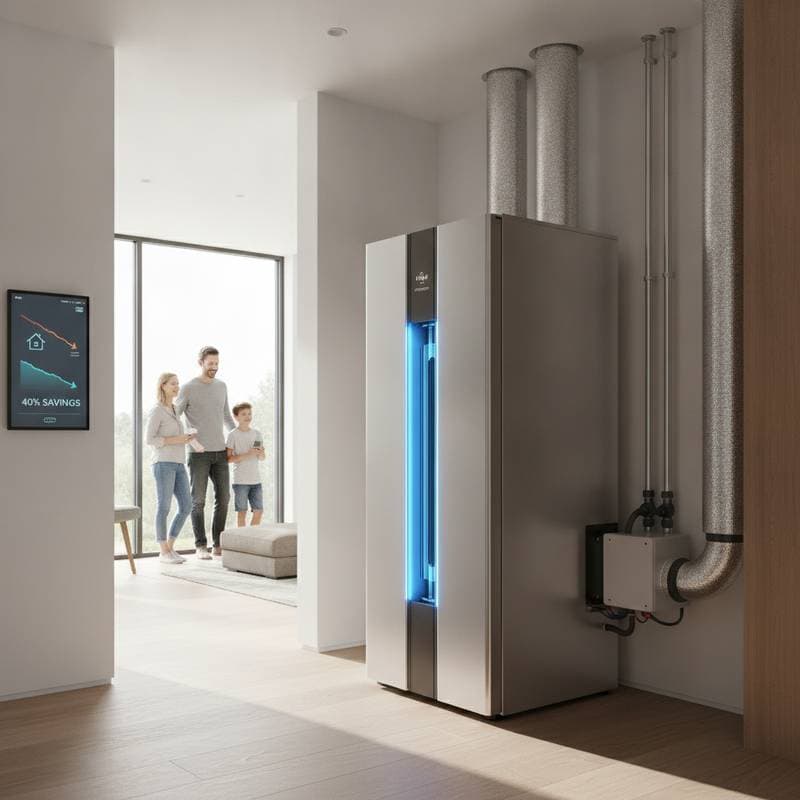
- Heat pumps generate three to four units of heat per unit of electricity, surpassing the efficiency of gas furnaces substantially.
- Financial incentives, including rebates and tax credits, can cover thousands of dollars in initial installation expenses for electric systems.
- Residences powered entirely by electricity avoid on-site combustion, thereby enhancing indoor air quality and minimizing associated health concerns.
The Rationale for Electrification
Contemporary electric appliances surpass their predecessors in performance and user satisfaction. Induction ranges, heat pump water heaters, and variable-speed heating, ventilation, and air conditioning units exceed gas counterparts in energy efficiency and operational comfort. Data from the Department of Energy indicates that electric heat pumps deliver heating and cooling at about half the expense of running a gas furnace alongside a central air conditioner.
Local governments increasingly prohibit new gas line installations in residential developments. This policy shift promotes environmental sustainability and system reliability. Electric setups pair seamlessly with solar arrays and battery systems, empowering households to manage power during blackouts or high-demand pricing intervals.
Evaluating Expenses and Potential Savings
The economic advantages of adopting electric appliances hinge on variables such as regional electricity tariffs, the condition and efficiency of current gas equipment, and incentive programs. The following table presents a basic cost analysis:
| Appliance Type | Efficiency Rating | Typical Yearly Cost | Savings Compared to Gas |
|---|---|---|---|
| Gas Furnace | 85 percent | Higher | Baseline |
| Heat Pump | 300 to 400 percent | Lower | 30 to 50 percent |
| Gas Range | 35 to 40 percent | Moderate | Baseline |
| Induction Cooktop | 85 to 90 percent | Lower | 20 to 25 percent |
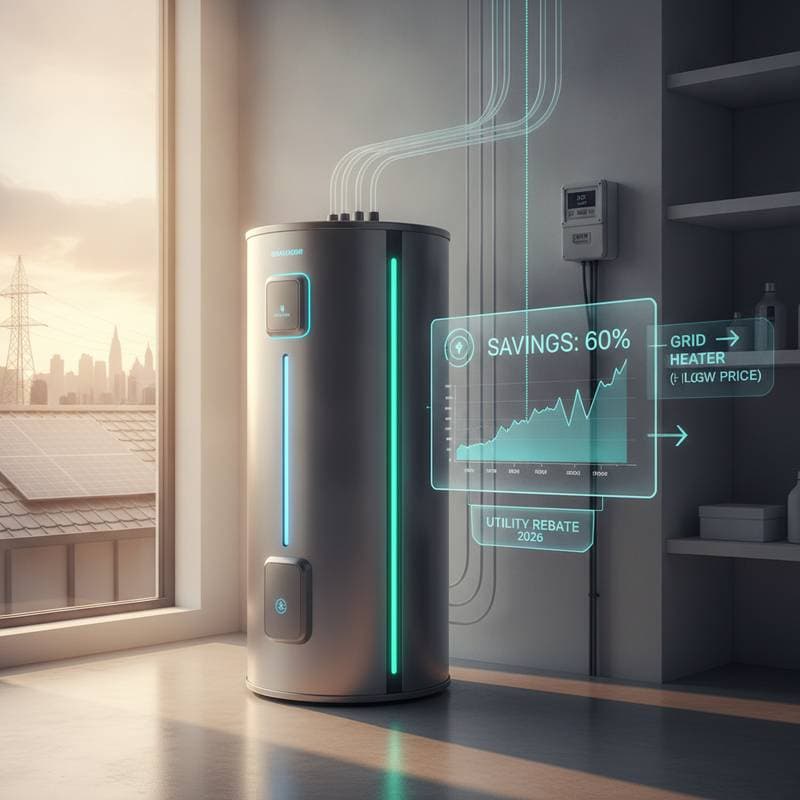
Although initial investments in electric upgrades tend to exceed those for gas, available rebates shorten the recovery timeline considerably. For instance, installing a heat pump water heater often results in bill reductions that offset the added cost within three years.
Advantages for Health and Comfort
Gas-powered devices emit nitrogen dioxide, carbon monoxide, and fine particles during use. Research by environmental health organizations reveals that gas stove-equipped kitchens frequently exhibit nitrogen dioxide concentrations above acceptable outdoor thresholds. Induction cooking, by contrast, produces no combustion byproducts, maintaining cooler and less soiled kitchen spaces since the surface remains touch-safe and free from flames or residue.
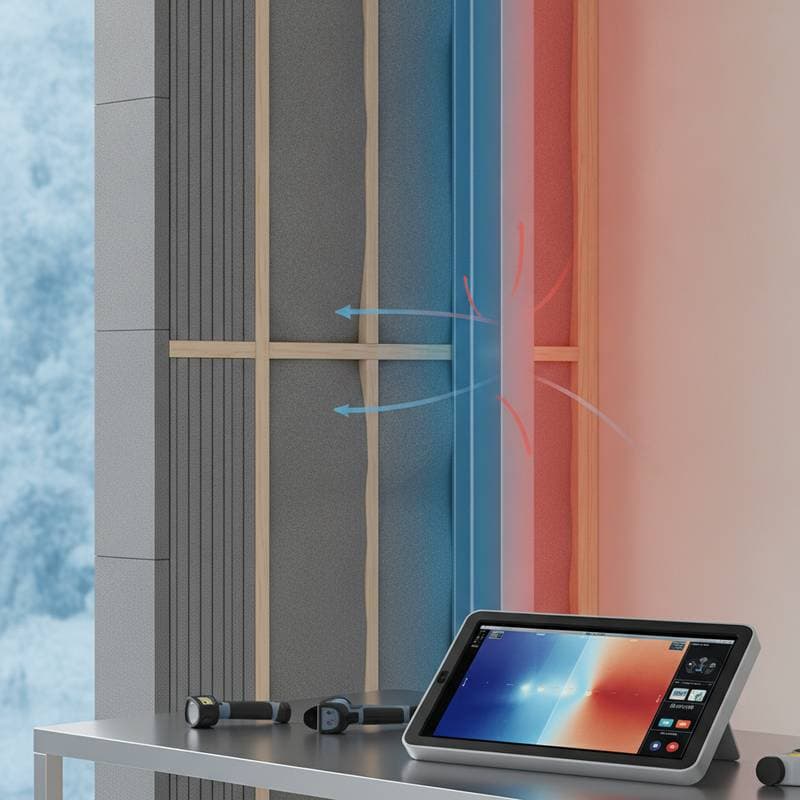
Electric heat pumps sustain uniform indoor temperatures, avoiding the aridity and inconsistencies common in gas-based heating. Such stability enhances daily comfort and prolongs equipment durability by reducing start-stop cycles.
Steps to Implement the Change
Homeowners can electrify gradually, starting with a single appliance like an induction cooktop before advancing to a heat pump for climate control. Effective planning involves these actions:
- Evaluate the capacity of the existing electrical panel, as older structures might require enhancements to support increased demand.
- Target appliances with the highest energy consumption for replacement to achieve rapid cost reductions.
- Investigate rebates from state governments and utility providers, which frequently provide substantial financial support.
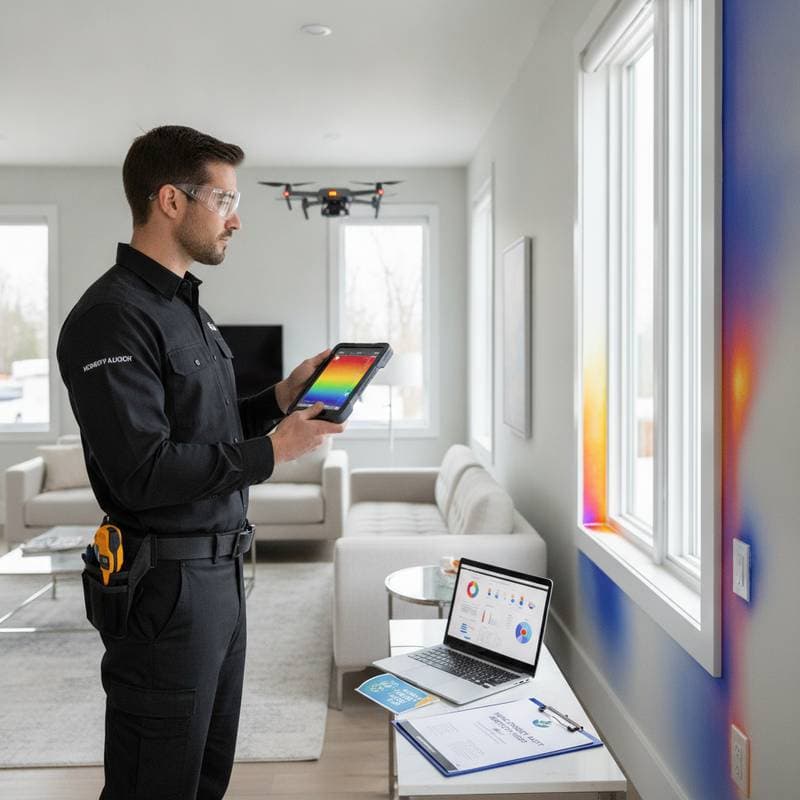
- Engage certified professionals for installation to guarantee optimal performance and compliance with safety standards.
Sustaining an Electric Household
After converting from gas, upkeep simplifies markedly. Electric units feature fewer mechanical components, demand minimal repairs, and dispense with exhaust systems or combustion inspections.
Electrification extends beyond mechanical improvements to elevate quality of life. Residents enjoy purer air, diminished expenses, and insulation from fluctuating energy markets.