Key Points
- Thermal curtains reduce winter heating bills by up to 25 percent with proper installation.
- These curtains provide an additional insulation layer to retain indoor warmth and exclude cold air.
- Optimal performance depends on high-quality materials, precise sizing, and secure sealing around window frames.
- Integrating thermal curtains with minor home modifications enhances overall efficiency and seasonal comfort.
- Independent studies confirm that effective thermal curtains minimize heat escape through windows by 20 to 25 percent.
- Initial costs range from 40 to 150 dollars per window, with payback often occurring in one or two heating seasons.
The Impact of Windows on Heating Expenses
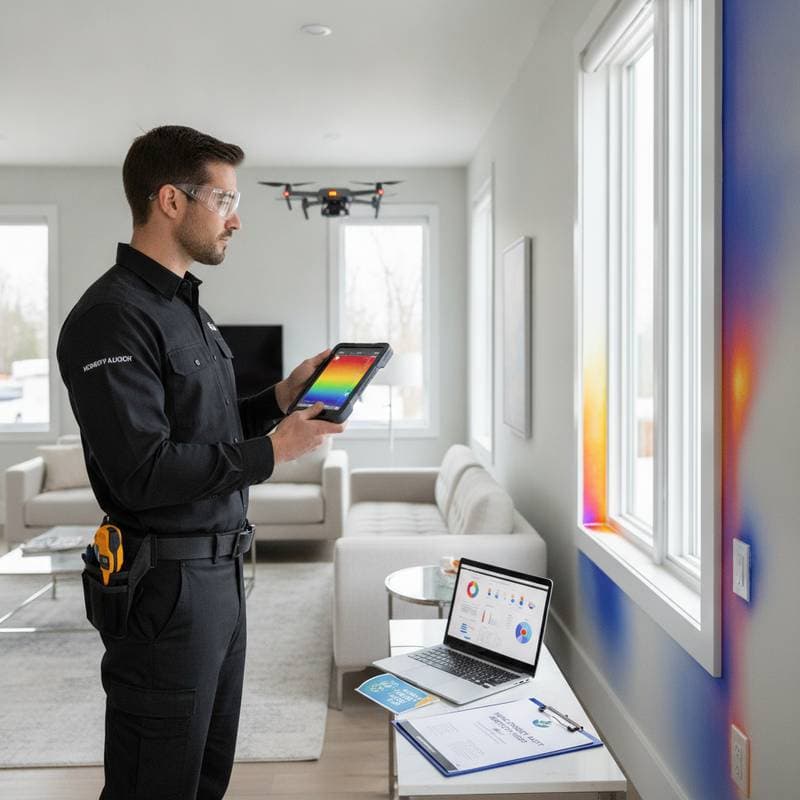
Standing near a window during a cold evening often reveals a noticeable chill, illustrating direct heat loss. Even advanced double-pane windows permit some warmth to escape. Data from energy efficiency experts indicate that windows contribute up to 30 percent of heat loss in typical residences. This inefficiency increases heating expenses and burdens heating equipment unnecessarily.
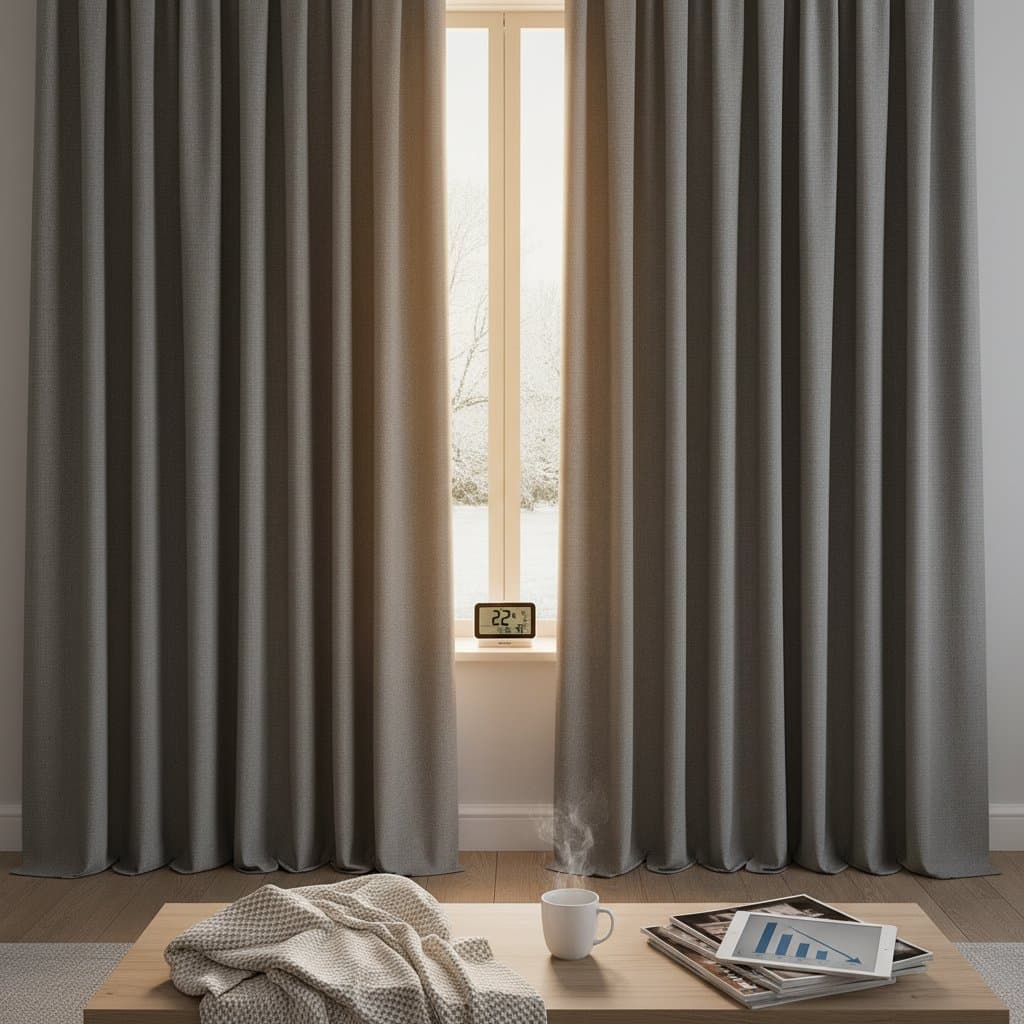
Thermal curtains offer an economical solution to curb this loss, eliminating the need for window replacements or structural changes. Positioned over the glass, they form a barrier that captures warm air in the space between fabric and pane. They also seal out drafts entering through minor frame imperfections, maintaining a more consistent indoor environment.
The Mechanism of Thermal Curtain Insulation
Fabrics possess an R-value, which quantifies thermal resistance. Thermal curtains incorporate materials with elevated R-values, typically featuring multiple layers such as:
- A front fabric designed to complement room decor.
- A foam or acrylic backing that restricts air movement.
- A reflective inner lining that preserves indoor heat.
Drawing the curtains closed generates an air pocket adjacent to the window glass. This stationary air layer acts as a natural insulator, slowing heat conduction to the cooler exterior surface. Building research confirms that properly fitted thermal curtains diminish window heat loss by 20 to 25 percent, varying with fabric density and setup precision.
Consider the difference in everyday scenarios: in a drafty living room, uninsulated windows might allow rapid cooling after sunset, while thermal curtains sustain warmth for hours longer. This effect proves especially valuable in regions with prolonged cold spells, where sustained insulation directly correlates with reduced energy use.
Selecting Effective Thermal Curtains
Curtains marketed as thermal vary widely in efficacy. To maximize benefits, prioritize products with these attributes:
- Multiple layers: Options with three or more layers outperform single-layer designs by creating superior air barriers.
- Heavyweight construction: Thicker fabrics impede airflow more reliably than lightweight alternatives.
- Dense weave patterns: Tighter weaves limit warm air penetration through the material.
- Sealing mechanisms: Edges equipped with magnets or Velcro ensure closure against side and bottom drafts.
- Adequate dimensions: Panels must overlap the window frame by at least three inches on each side and extend to the floor for complete coverage.
Test potential purchases by holding them against a light source; minimal light transmission signals strong insulating properties. Focus on neutral or customizable colors to integrate seamlessly with existing furnishings, ensuring the upgrade feels like an enhancement rather than an addition.
Evaluating Costs and Long-Term Value
Expect to pay between 40 and 150 dollars for quality thermal curtains per window, influenced by panel size and material choices. For a standard home featuring six primary windows, the total outlay falls between 240 and 900 dollars. Given the potential for 25 percent savings on heating, recovery of this investment typically occurs within one to two winters, particularly in climates with high fuel demands.
Homeowners in moderate zones might see quicker returns through combined bill reductions and comfort gains. Over multiple seasons, the cumulative savings extend beyond initial costs, supporting broader energy conservation efforts without ongoing maintenance.
Installation Techniques for Optimal Performance
Installation quality determines the curtains' effectiveness. Adhere to these steps for superior results:
- Position rods near the ceiling to encompass maximum wall space around the window.
- Extend rods at least three inches past the frame on both sides to eliminate lateral drafts.
- Employ tiebacks during daylight hours to permit passive solar heating, then secure panels fully at nightfall to retain accumulated warmth.
- Add a valance or pelmet overhead to block upward heat escape paths.
Complement these measures with a draft excluder along the sill, which further isolates the window area. In older homes with uneven frames, consider adjustable rods for a snug fit. Testing involves monitoring room temperature changes post-installation; adjustments refine the seal until drafts diminish noticeably.
Integrating Thermal Curtains with Other Efficiency Measures
Thermal curtains yield the greatest impact within a comprehensive efficiency strategy. Combine them with:
- Weatherstripping applied to frame edges, sealing microscopic gaps that undermine insulation.
- Area rugs over uncarpeted floors, which mitigate conductive heat loss from hard surfaces.
- Programmable thermostats set to reduce temperatures during unoccupied periods or sleep.
Such integrations can elevate overall savings to 30 percent or higher, scaled to home layout and existing conditions. For instance, pairing curtains with thermostat controls in a two-story residence prevents heat stratification, distributing warmth evenly. Track progress with monthly utility reviews to quantify improvements and refine approaches.
Implementing Thermal Curtains for Lasting Benefits
Begin by measuring windows accurately, accounting for overlaps and floor clearance. Select multi-layered options suited to your decor, then install with attention to sealing details. These steps transform standard windows into efficient barriers, yielding lower bills and steadier temperatures.
The advantages extend to enhanced well-being: fewer cold spots mean less reliance on spot heating, promoting even comfort. By addressing window vulnerabilities first, homeowners establish a foundation for sustained energy efficiency, fostering a resilient, cost-effective living space through winter and beyond.