Key Points
- High-quality thermal curtains reduce winter heating costs by up to 25 percent.
- Fabric selection and precise installation maximize energy savings.
- Layering techniques, edge sealing, and daylight management increase effectiveness.
- Initial costs recover quickly through reduced utility bills and greater comfort.
When Warm Air Escapes
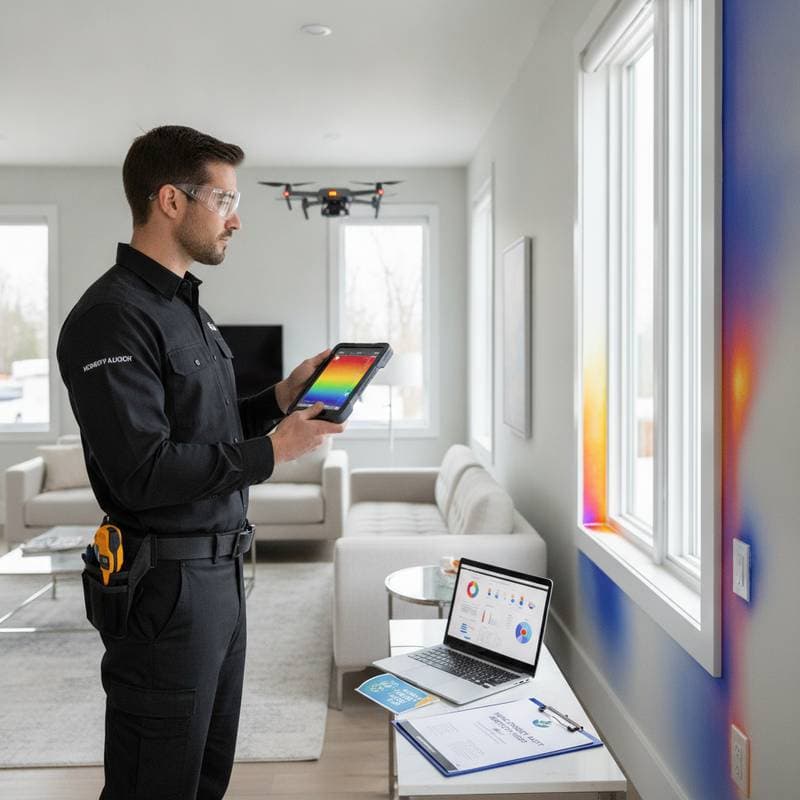
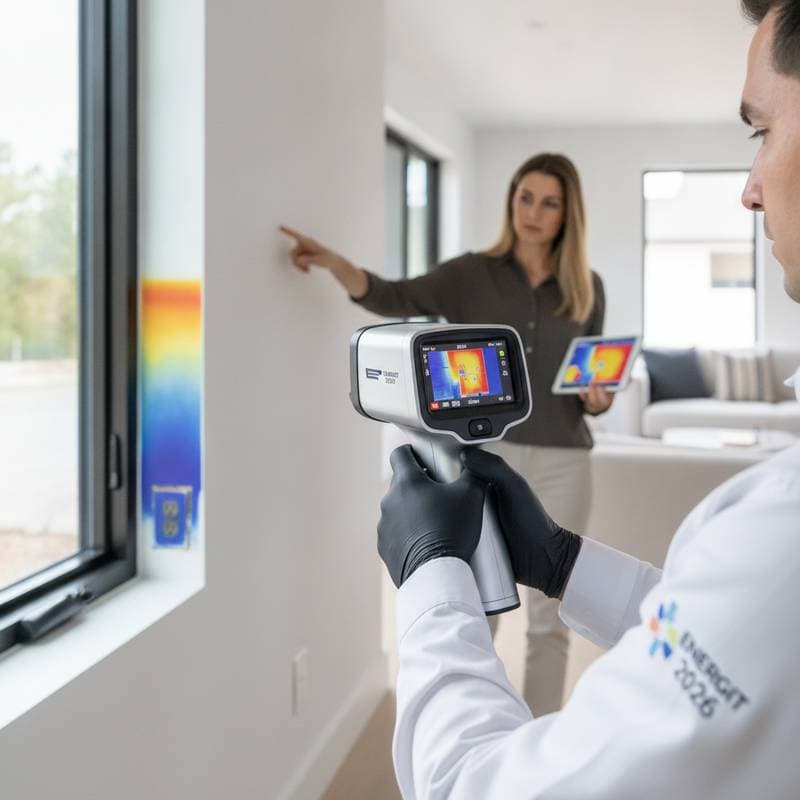
Imagine a cold winter morning in your home. The heating system runs steadily, yet a chill lingers near the windows. This discomfort signals heat loss through glass surfaces, even in modern double-pane setups. Over months, such losses accumulate into significant utility expenses.
Thermal curtains, or insulated draperies, address this issue effectively. These treatments employ advanced fabrics to minimize heat transfer. They create a reliable barrier that retains indoor warmth and stabilizes room temperatures.
Benefits for Homeowners
Energy conservation extends beyond financial savings. It eases the burden on heating equipment, cuts greenhouse gas emissions, and improves living conditions. Research indicates windows contribute to 30 percent of heat loss in homes. Window coverings like thermal curtains provide swift returns in both economy and ecology.
These curtains function as passive insulators. They rely on material layers to capture air and halt convective flows. Homeowners gain a serene, evenly heated space without major renovations.
For those balancing budgets and sustainability, thermal curtains offer practical value. They deliver tangible results at a modest upfront cost.
Mechanics of Thermal Curtains
Effective thermal curtains feature a structured design with three primary layers.
- Outer decorative layer aligns with room aesthetics.
- Central insulating layer uses materials like cotton, foam, or polyester to hold heat.
- Inner backing layer reflects warmth or resists vapor to limit escape to the window.
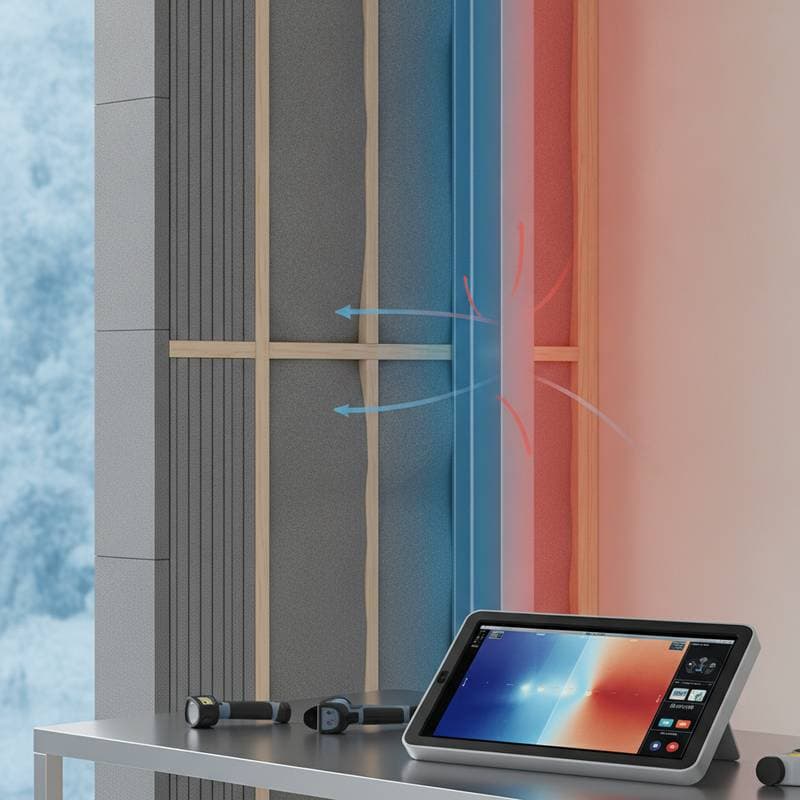
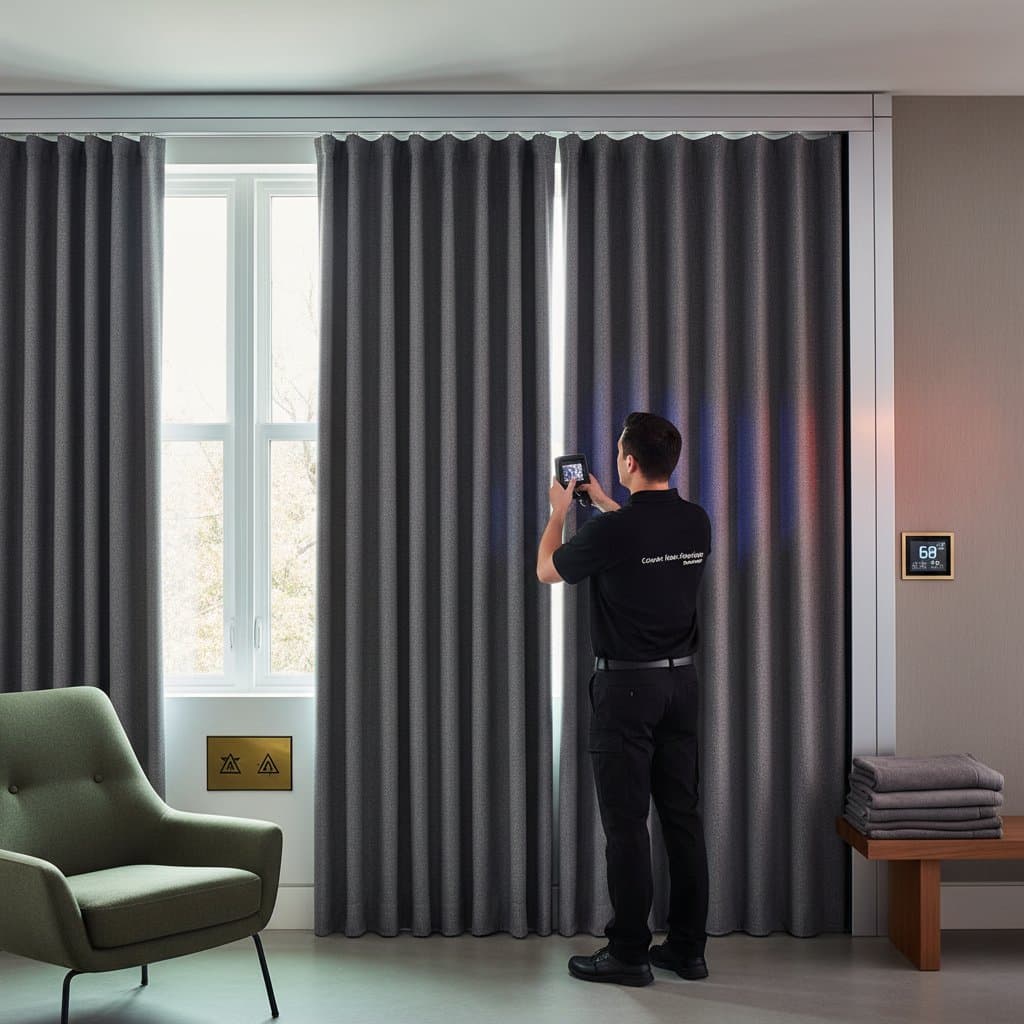
Closed curtains form an air pocket against the glass. This stagnant air serves as a buffer against convection and radiation. Temperature gradients across the window diminish noticeably.
Several elements influence efficiency.
- Material density and construction: Dense, tight weaves restrict air movement.
- Lining effectiveness: Quality liners manage humidity and avoid moisture accumulation.
- Coverage precision: Full-length panels that overlap edges block infiltration paths.
Proper setup yields measurable warmth gains, directly cutting heating demands.
Calculating Cost Recovery
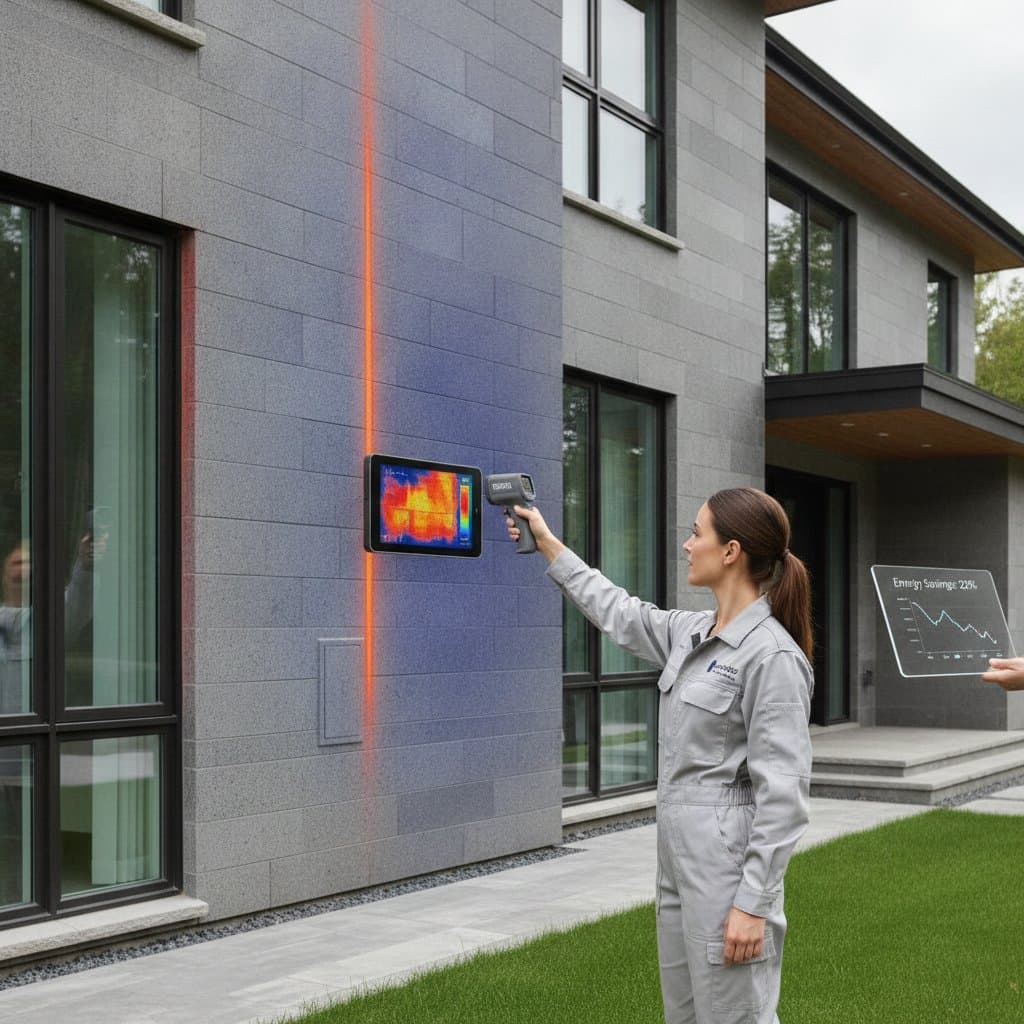
Homes typically lose one-third of heat via windows and entryways. Thermal curtains on key openings cut overall loss by about 25 percent. This adjustment translates to 10 to 25 percent lower heating expenses, varying by region and rates.
Take a family with $150 monthly winter heating costs. A 20 percent drop saves $30 each month. Seasonal totals cover much of the purchase price, which ranges from $100 to $400 per window based on dimensions and materials.
Additional advantages include prolonged HVAC durability. Reduced runtime means less strain, fewer repairs, and deferred replacements. Long-term ownership costs decline accordingly.
Installation Best Practices
Superior materials underperform without sound setup. Professionals advise these steps for peak results.
- Position the rod near the ceiling or wall to minimize gaps.
- Extend panels beyond window edges by at least four inches on each side.
- Let curtains touch the floor or sill to seal bottom drafts.
- Install a top valance or pelmet to contain rising heat.
- Draw panels shut at nightfall and open during sunny hours for passive warming.
These measures convert basic window treatments into robust insulators.
Selecting Fabrics and Designs
Thermal curtains vary in composition, from organic blends to engineered synthetics. Choices hinge on local weather, visual appeal, and upkeep needs.
- Cotton-wool mixes provide natural warmth and airflow.
- Polyester-microfiber variants resist wear and color loss.
- Foam-lined selections excel in retention but demand gentle maintenance.
Combine with honeycomb shades or blinds for layered protection. This setup boosts insulation without sacrificing style.
Budget-conscious options include thermal liners for existing panels. These add-ons snap or sew in place, upgrading performance affordably.
Advantages for Comfort and Health
Thermal curtains influence more than climate control. They dampen noise, filter glare, and curb window moisture. Stable conditions foster better rest and daily ease.
In households with vulnerable members, even temperatures support well-being. Reduced swings lessen physical stress during harsh weather.
Aesthetically, these treatments elevate spaces. Their substantial form and depth impart elegance and cohesion to interiors.
Homeowner Inquiries
Do thermal curtains substitute for double-pane windows?
They enhance existing setups. Extra layering aids during peak cold snaps.
Might they promote window condensation?
Tight fits without airflow can trap moisture. Breathable materials and periodic airing mitigate risks.
Are they ideal for hot regions?
Many designs repel summer sun, aiding air conditioning efficiency.
Is expert installation necessary?
Standard hardware suffices for most. Complex shapes may warrant specialist input.
What is their lifespan?
Quality pieces endure seasons with routine care, retaining efficacy.
Steps to Implement Thermal Curtains
Homeowners aiming to tame heating expenses and elevate livability find thermal curtains highly practical. Success rests on deliberate choices, accurate fitting, and routine application. Start by assessing window exposures and energy patterns to select suited options. Integrate these upgrades for sustained efficiency and satisfaction.