Introduction to All-Electric Homes
All-electric homes represent a shift toward efficiency, safety, and sustainability. By 2026, advancements in electric technologies will make these homes cheaper to operate than traditional gas-powered ones. This transition involves replacing gas appliances with electric alternatives that deliver superior performance while reducing energy use and maintenance needs.
Homeowners who electrify early position themselves for financial benefits, including lower utility bills and higher resale values. Incentives from utilities and governments further ease the upfront investment. The following sections outline costs, design considerations, and strategies to make electrification practical and rewarding.
Upfront Costs and Long-Term Savings
Electrifying a home requires investment in new appliances and potential electrical upgrades. Costs vary based on home size, location, and existing infrastructure. Here is a breakdown of key components:
- Heat pump water heater: $2,000 to $4,000, including installation.
- Induction cooktop and associated electrical work: $1,500 to $3,500.
- Electric dryer and outlet installation: $1,000 to $2,500.
For a typical single-family home, a full conversion ranges from $15,000 to $35,000. This figure includes appliances, wiring updates, and labor. Energy savings from efficient electric systems often recover a significant portion of the cost within 10 to 15 years.
Homes paired with solar panels or time-of-use electricity rates see faster payback periods, sometimes under five years. Reduced maintenance adds to the value, as electric systems lack the corrosion and venting issues common in gas equipment. Over time, these factors make all-electric homes more economical than gas alternatives.
Boosting Resale Value
Electrified homes appeal to modern buyers seeking energy efficiency and low operating costs. Gas-free properties stand out as safer options without combustion risks. Documented upgrades, such as energy efficiency certifications, enhance marketability.
Real estate trends show that all-electric features can increase home values by 3 to 5 percent. Buyers appreciate the predictability of electricity costs compared to volatile gas prices. This upgrade not only recoups investment but also future-proofs the property against rising energy demands.
Design and Layout Considerations
Electrification influences home design beyond mechanics, offering opportunities for innovative layouts and improved aesthetics. Electric systems provide flexibility in space planning and material choices.
Kitchen Enhancements
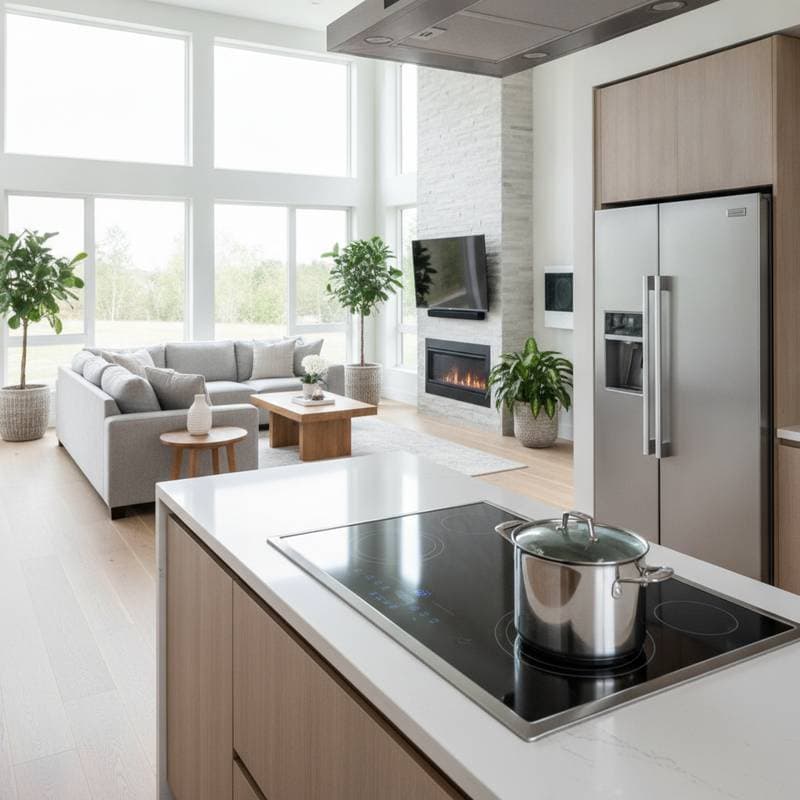
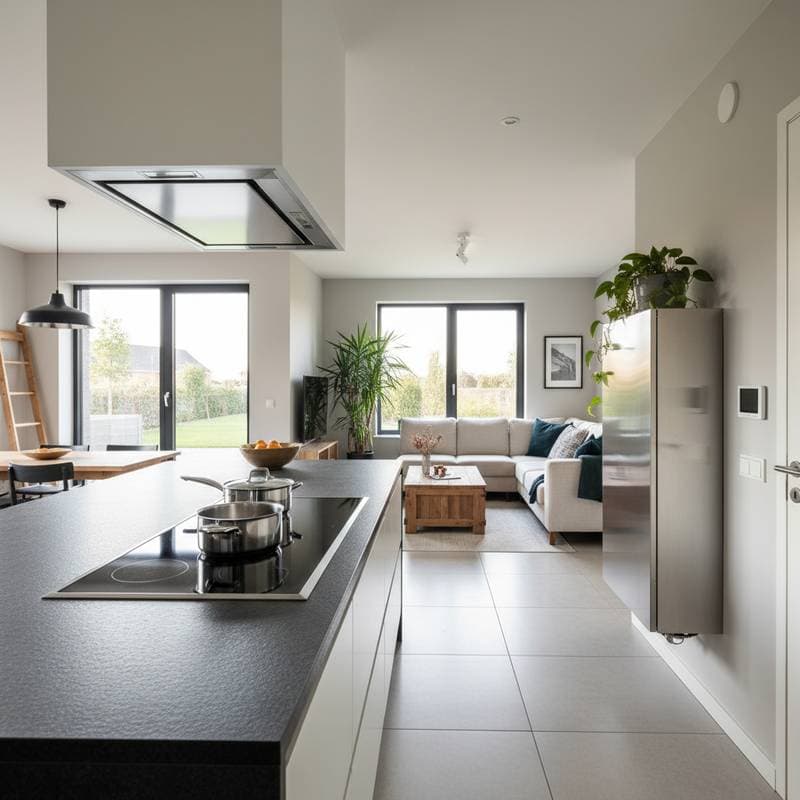
Induction cooktops generate heat directly in cookware, keeping surfaces cool. This allows for the use of heat-sensitive countertops like wood or laminate in compact designs. Kitchens gain versatility without the constraints of gas lines or open flames.
Mechanical Space Optimization
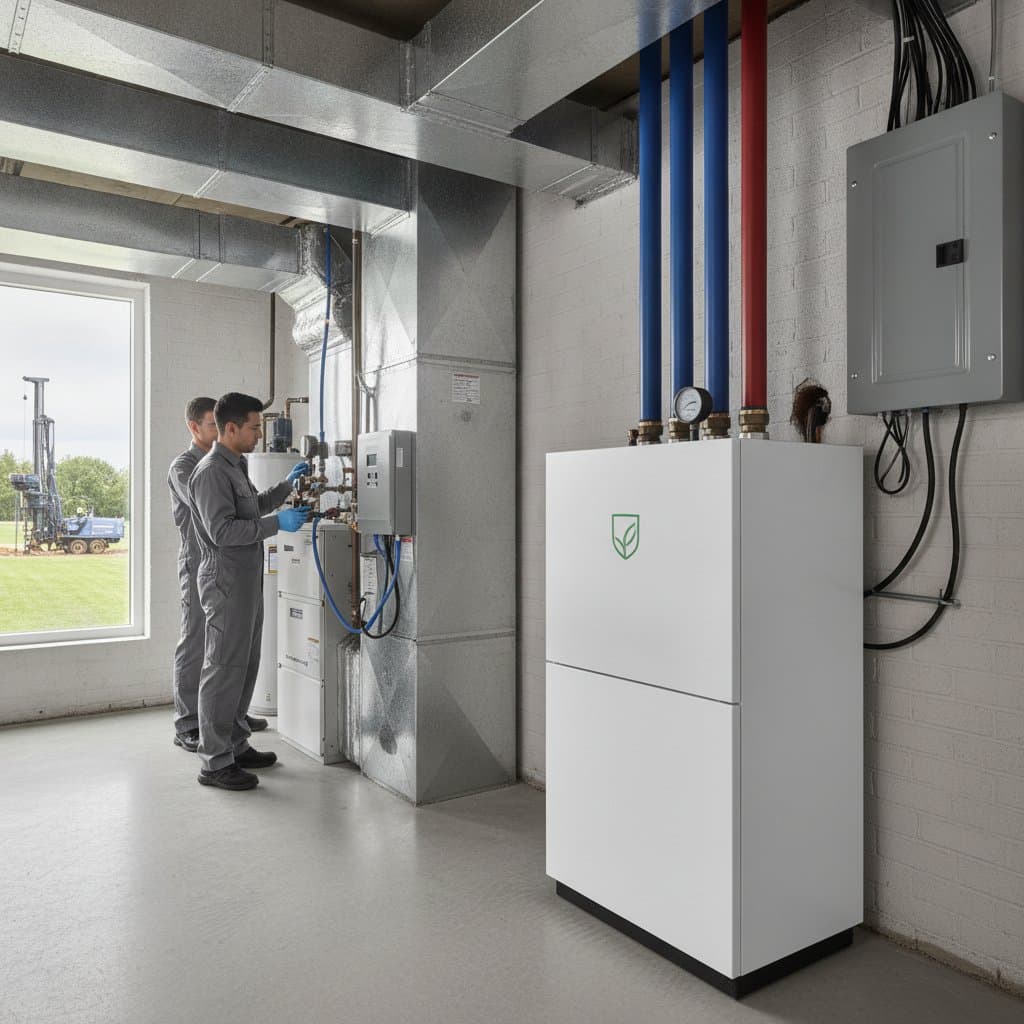
Heat pumps require adequate air circulation, so redesign utility closets or mechanical rooms to accommodate ducting. This setup improves overall system performance and accessibility for maintenance.
Water Heater Integration
Position heat pump water heaters in ventilated areas such as garages or basements. Integrate smart controls to monitor usage and adjust temperatures, ensuring optimal efficiency.
Aesthetic and Comfort Options
Incorporate electric fireplaces or radiant floor heating for seamless design. These eliminate the need for chimneys, simplifying architecture and enhancing indoor air quality through reduced ventilation demands.
Such adaptations create living spaces that prioritize comfort and style while aligning with efficient energy use.
Key Factors Affecting Your Project
Project success depends on several variables that influence cost, timeline, and outcomes. Addressing these early minimizes surprises.
- Electrical infrastructure: Assess panel capacity and wiring age; older systems may require panel upgrades to 200 amps.
- Building envelope: Enhance insulation and sealing to maximize electric system efficiency, especially in drafty homes.
- Climate zone: Select cold-climate heat pumps for regions with harsh winters to maintain performance below freezing.
- Local incentives: Research rebates from utilities or federal programs, which can cover 20 to 50 percent of costs.
Consult professionals to evaluate these elements. A tailored plan ensures the project fits your home's unique needs and budget.
Sustainable Features and Efficiency Benefits
All-electric homes integrate seamlessly with renewable energy, creating a foundation for low-carbon living. Combine electrification with other technologies for compounded advantages.
Heat pumps transfer heat using electricity, reaching efficiencies of up to 300 percent, far surpassing gas furnaces at around 80 to 95 percent. Induction cooktops deliver over 85 percent energy conversion, compared to 40 percent for gas stoves, resulting in faster cooking and less waste.
Smart thermostats enable scheduling to shift usage to off-peak hours, while load management systems balance demands across appliances. Battery storage captures excess solar energy, providing power during outages and reducing reliance on grid peaks.
These features lower environmental impact by cutting fossil fuel use. As renewable electricity grows, electrified homes become even more cost-effective and resilient.
Insights from Industry Experts
Building professionals, including mechanical engineers and energy auditors, endorse all-electric homes as superior to gas systems. Certified contractors highlight the reliability of modern electric technologies in diverse applications.
To proceed effectively:
- Conduct a professional energy audit to pinpoint high-impact upgrades.
- Schedule electrical assessments to preempt capacity issues.
- Select ENERGY STAR or AHRI-certified equipment for proven performance.
- Maintain records of installations for warranties and resale documentation.
Following these practices delivers dependable results and avoids common pitfalls.
Frequently Asked Questions
Will electricity bills rise after electrification?
Initial bills may increase as more systems rely on electricity. However, the high efficiency of electric appliances typically leads to overall energy cost reductions. Pairing with solar or time-of-use plans amplifies savings.
What if the electrical panel lacks capacity?
Electricians can inspect and upgrade panels, often to 200 amps, to support new loads including EV chargers.
Are induction cooktops safe and effective?
Induction uses magnetic fields for direct heating, minimizing surface burns and offering precise, rapid cooking superior to gas.
Does electrification work in cold climates?
Cold-climate heat pumps maintain efficiency in low temperatures, with electric resistance as backup for extremes.
How to check wiring readiness?
Licensed electricians evaluate circuits for compatibility; rewiring or added outlets may be needed for demanding appliances.
What about power outages?
Battery storage or generators ensure continuity; many electric systems operate efficiently on limited power.
Are there health advantages?
Removing combustion eliminates pollutants like nitrogen dioxide, improving air quality and reducing respiratory risks.
Steps to Electrify Your Home
Electrification upgrades your living environment with quiet operation, pure air, and minimal upkeep. It aligns your home with sustainable trends, yielding financial and ecological rewards.
Start with an audit, budget for incentives, and phase upgrades to manage costs. Each advancement builds toward a resilient, efficient household ready for the future.