Key Benefits of Window Film Retrofits
- Window films reduce cooling expenses by up to 25 percent and enhance overall indoor comfort levels.
- They safeguard interior elements from ultraviolet damage, prolong the operational life of heating, ventilation, and air conditioning systems, and increase property resale appeal.
- Investments in professional installation typically recover costs within two to five cooling seasons.
- Various film varieties address specific needs, including energy conservation, privacy enhancement, and glare reduction.
- Films integrate seamlessly with existing windows, avoiding the need for costly replacements.
- Long-term durability ensures sustained performance, often exceeding 10 years with proper care.
Understanding the Role of Window Films in Energy Management
Standard single-pane windows contribute to significant energy loss or gain, accounting for as much as 30 percent of a building's heating or cooling requirements. High-performance window films address this vulnerability by minimizing heat transfer through advanced material compositions. Energy modeling from certified sources indicates cooling savings ranging from 10 to 25 percent, influenced by factors such as original glass properties, film characteristics, and regional climate conditions.
These films operate through selective light management, reflecting infrared radiation that conveys thermal energy while permitting visible light to enter unimpeded. Contemporary options incorporate nanoceramic or metallized layers, preserving panoramic views without the reflective sheen associated with earlier generations. Superior formulations eliminate up to 99 percent of ultraviolet rays, thereby preventing discoloration of carpets, upholstery, and artwork over time.
From an economic standpoint, the return on investment materializes quickly for many property owners, especially in areas with extended hot seasons. Installation expenses remain far below those of comprehensive window overhauls, positioning films as an accessible strategy for advancing environmental sustainability in residential and commercial settings. Consider evaluating local utility incentives, which may further offset initial outlays and accelerate financial recovery.
Economic and Property Value Enhancements
Beyond direct energy reductions, window films alleviate strain on heating, ventilation, and air conditioning units, resulting in decreased repair frequency and extended service intervals. Each unit of air conditioning capacity rendered unnecessary translates to reduced system demands and opportunities for scaled-back replacements in subsequent renovations. This efficiency cascade supports broader operational savings and contributes to a smaller carbon footprint.
In the real estate market, prospective buyers prioritize properties featuring quantifiable energy optimizations. Homes equipped with such upgrades attract greater buyer attention and often secure premium pricing. The upfront commitment to window films delivers returns comparable to other efficiency measures, such as attic insulation or programmable thermostats, while requiring minimal structural alterations.
Installation pricing generally falls between three and ten dollars per square foot, varying with film grade and application intricacies. In contrast, complete window substitutions can surpass one hundred dollars per square foot, underscoring the retrofit's superior value proposition. To maximize benefits, select films certified by organizations like the International Window Film Association, ensuring compliance with rigorous performance standards.
Practical Guidance on Installation and Upkeep
Engaging certified professionals guarantees optimal film application, including secure bonding, undistorted visuals, and full warranty eligibility. Experts employ precision instruments to prevent imperfections like air pockets, perimeter separations, or misalignment during the procedure. For an average residence, the entire operation concludes in a single day, with negligible interruption to daily routines.
Upkeep involves straightforward routines to preserve film integrity. Wipe surfaces using lint-free cloths dampened with a gentle soap solution, steering clear of abrasive or ammonia-containing products that could degrade the coating. Under typical exposure, premium films retain their efficacy and aesthetic for 10 to 15 years, demanding only periodic inspections for edge wear or environmental impacts.
Homeowners in humid or coastal regions should prioritize films with moisture-resistant adhesives to withstand condensation challenges. Regular cleaning not only sustains clarity but also upholds energy-blocking capabilities, ensuring consistent performance year after year.
Steps to Implement Window Film Solutions
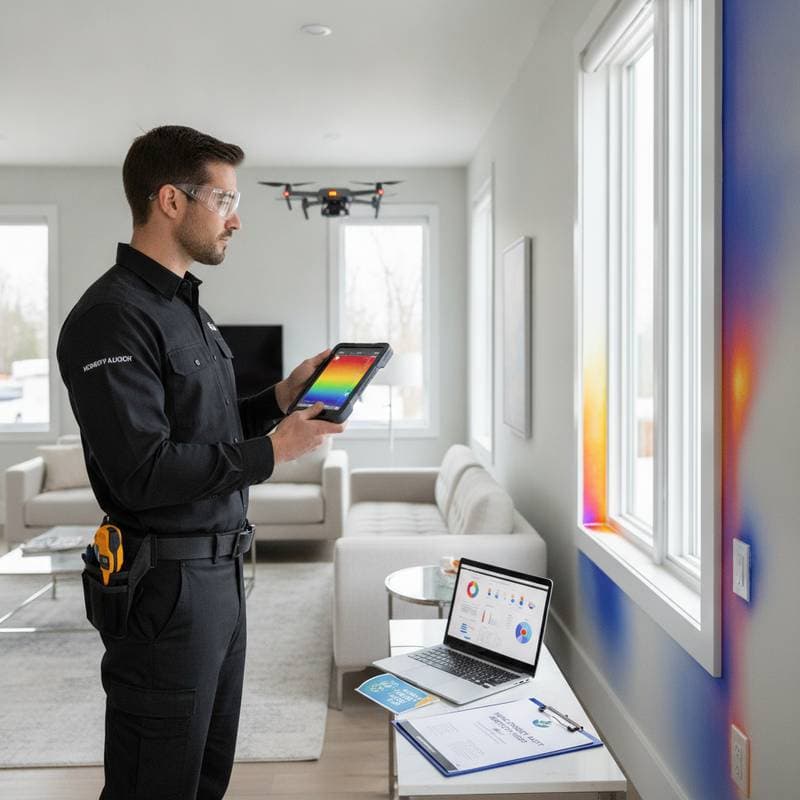
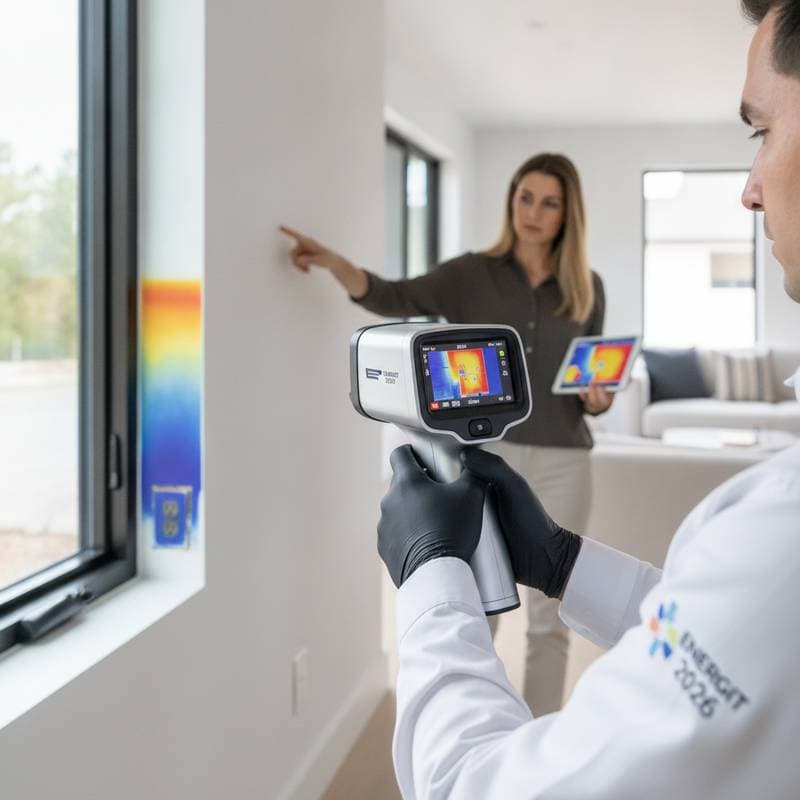
Initiate the process by arranging an on-site energy audit with a reputable window film provider. Solicit detailed specifications, including laboratory-verified performance metrics for heat rejection and light transmission. Evaluate selections according to desired attributes like visible light passage, manufacturer guarantees, and customized savings projections based on your home's orientation and usage patterns.
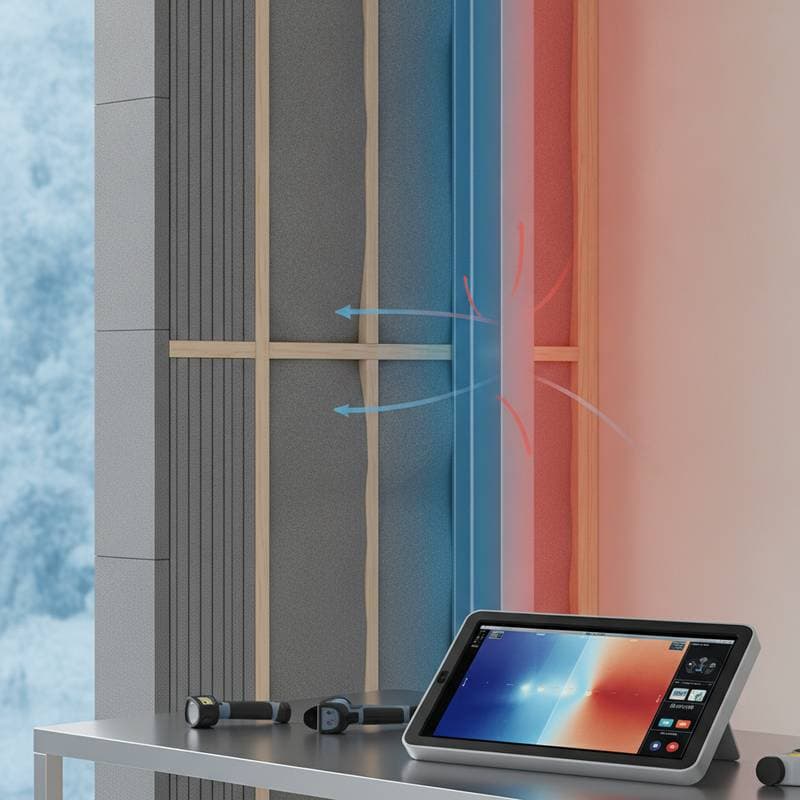
For comprehensive efficiency initiatives, incorporate window films alongside complementary upgrades such as enhanced wall insulation, automated temperature regulation systems, or cool-roof coatings. This layered approach amplifies overall resilience against energy fluctuations and fosters a more harmonious indoor climate.
Realizing Lasting Efficiency Gains
Transforming ordinary glass into an active energy regulator unlocks substantial advantages. Window films enable precise control over solar inputs, yielding cooling reductions of up to 25 percent alongside diminished ecological impacts. This strategic enhancement not only optimizes current expenditures but also fortifies your property's enduring worth and livability.