How Cool Roof Coatings Reduce Air Conditioning Costs by 25 Percent in Hot Climates
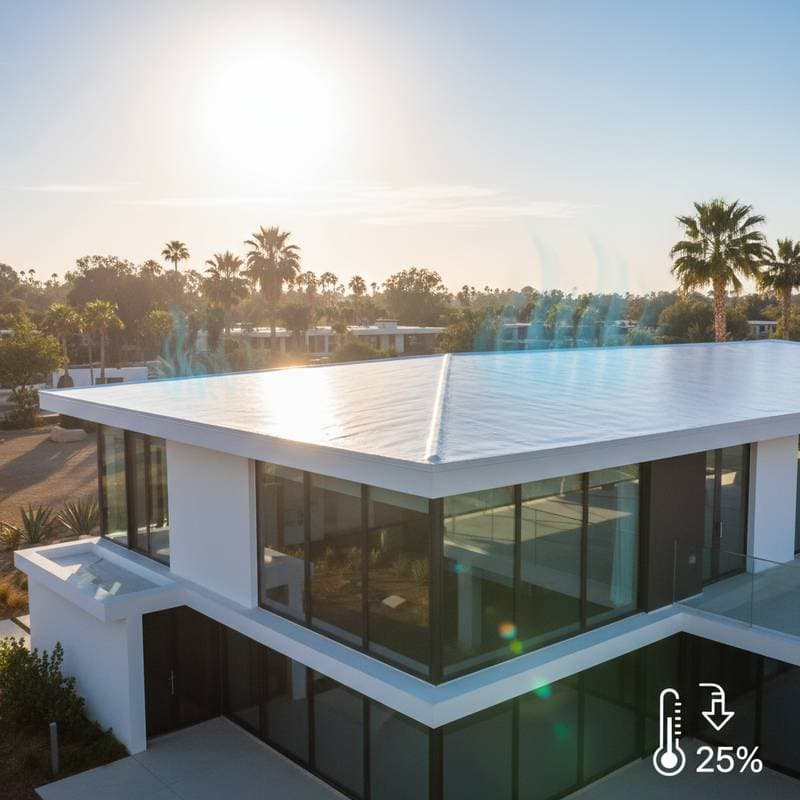
In regions where summer heat dominates, air conditioning units often run nonstop, driving up energy bills and straining resources. Cool roof coatings offer a straightforward solution by reflecting sunlight and reducing heat absorption. This technology lowers indoor temperatures, which in turn decreases reliance on cooling systems and can cut air conditioning expenses by up to 25 percent.
Homeowners and building managers in warm climates benefit most from this upgrade. The coatings apply easily over existing roofs and provide immediate relief from soaring temperatures. Beyond cost savings, they enhance comfort and protect structures from premature wear.
Understanding Cool Roof Coatings
Cool roof coatings consist of specialized paints or membranes designed to reflect ultraviolet rays and infrared radiation. These materials feature high solar reflectance, meaning they bounce back a significant portion of the sun's energy before it penetrates the building. As a result, roof surfaces stay cooler, sometimes by as much as 50 degrees Fahrenheit compared to traditional dark roofs.
The technology relies on advanced formulations, including acrylics, silicones, and ceramics, each suited to different roof types. For instance, acrylic coatings excel on flat or low-slope roofs common in commercial buildings. Silicone options provide superior durability in areas with heavy rainfall or humidity.
Selecting the right coating involves considering factors like roof material and local weather patterns. Professionals recommend testing small areas to ensure compatibility and performance.
Key Benefits for Warm Climates
In hot environments, such as the southwestern United States or tropical zones, cool roof coatings shine by minimizing heat gain. Buildings with these coatings require less energy for cooling, leading to substantial reductions in utility costs. Studies show average savings of 20 to 25 percent on air conditioning bills during peak summer months.
Comfort improves noticeably as indoor spaces maintain steadier temperatures without constant mechanical intervention. This upgrade also extends the lifespan of roofing materials by reducing thermal expansion and contraction cycles. Roofs treated with reflective coatings often last 10 to 15 years longer than untreated ones.
Energy efficiency contributes to broader advantages. Lower power consumption means reduced demand on electrical grids, which helps prevent blackouts during heatwaves. Property values may increase as well, since energy-efficient features appeal to eco-conscious buyers.
How Cool Roof Coatings Work
The principle behind cool roof coatings centers on albedo, or the measure of reflectivity. High-albedo surfaces reflect 70 to 90 percent of sunlight, compared to asphalt shingles that absorb nearly all of it. This reflection keeps heat from transferring into the attic and living areas below.
During application, the coating forms a seamless barrier that also seals minor cracks and prevents water infiltration. Over time, the material maintains its reflective properties, though periodic maintenance ensures optimal performance. In warm climates, where sun exposure is intense, this durability proves essential.
Integration with other energy-saving measures amplifies results. Pairing cool roofs with proper insulation or energy-efficient windows yields even greater reductions in cooling needs.
Choosing the Right Coating for Your Roof
Assess your roof's current condition before selecting a product. Metal roofs pair well with elastomeric coatings that expand and contract with temperature changes. Tile or shingle roofs benefit from white or light-colored acrylic formulas.
Consider the climate specifics. In arid regions, coatings with UV resistance prevent fading and cracking. Humid areas require mildew-resistant options to avoid mold growth.
Consult local building codes, as some jurisdictions offer incentives for cool roof installations. Energy audits can pinpoint the best match for your setup.
Step-by-Step Installation Guide
Preparation forms the foundation of a successful application. Clean the roof surface thoroughly to remove dirt, debris, and old coatings. Repair any damage, such as cracks or loose shingles, to create a smooth base.
-
Gather materials: Choose a high-quality cool roof coating approved for your roof type, along with primers if needed, brushes, rollers, or sprayers.
-
Apply primer: For porous surfaces, spread a thin layer of primer and allow it to dry completely, typically 24 hours.
-
Coat the surface: Use even strokes to apply the first layer, covering the entire roof. Aim for a thickness of 10 to 15 mils.
-
Add second layer: After the first coat dries (usually 4 to 6 hours), apply a second layer for enhanced protection and reflectivity.
-
Cure and inspect: Let the coating cure for 48 hours before exposing it to foot traffic. Check for uniform coverage and touch up thin spots.
Hire certified applicators for large or complex roofs to ensure safety and warranty compliance. DIY projects suit smaller residential roofs with gentle slopes.
Costs, Payback, and Long-Term Value
Initial costs range from 1 to 3 dollars per square foot, depending on the product and labor. For a typical 2,000-square-foot home, expect to invest 2,000 to 6,000 dollars. Payback occurs quickly through energy savings; many owners recoup the expense in 3 to 5 years.
Ongoing maintenance involves annual inspections and reapplication every 5 to 10 years, costing far less than a full roof replacement. Insurance premiums may decrease due to reduced fire risk and extended roof life.
Incentives like tax credits or rebates from utility companies accelerate returns. Calculate your potential savings using online energy calculators tailored to cool roofs.
Environmental and Community Impact
Cool roof coatings support sustainability by lowering carbon emissions from reduced energy use. Each installation prevents thousands of pounds of greenhouse gases annually. Urban heat island effects diminish as more buildings adopt reflective surfaces, cooling entire neighborhoods.
Water conservation follows suit, since less cooling means lower water use in evaporative systems. These coatings align with green building standards, appealing to environmentally aware stakeholders.
Adopting this technology contributes to resilient communities better equipped for climate challenges. Simple changes like these foster long-term ecological balance.
Making the Switch to a Cooler Future
Transitioning to cool roof coatings delivers tangible results in comfort, savings, and sustainability. Evaluate your options today and consult experts to tailor the solution to your needs. This upgrade not only cools your space but also secures financial and environmental gains for years ahead.