Reduce AC Costs by 25 Percent This Summer with Cool Roofs
Summer heat waves push air conditioning units to work harder, driving up electricity bills and straining household budgets. Cool roofs offer a proven solution by reflecting solar radiation and releasing absorbed heat more effectively than standard roofing. Recent innovations in materials and coatings have elevated their performance, allowing homeowners to achieve significant savings while maintaining optimal indoor temperatures.
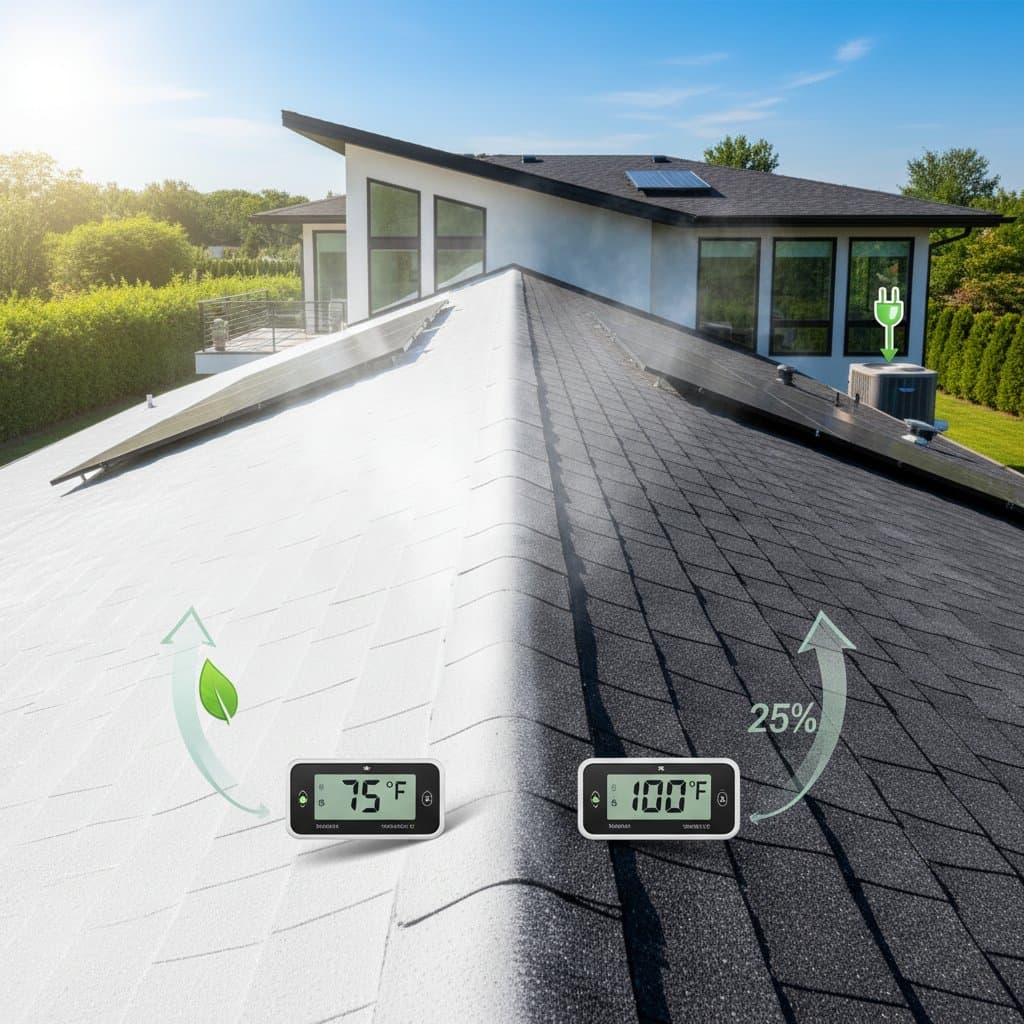
These roofs function through high solar reflectance, which measures the percentage of sunlight bounced back into the atmosphere, and thermal emittance, which indicates how quickly a surface sheds any heat it does absorb. In hot climates, this combination can lower roof surface temperatures dramatically, reducing the heat transferred into living spaces below. As a result, air conditioners cycle less frequently, leading to lower energy consumption and costs.
Essential Benefits of Cool Roofs
Cool roofs deliver multiple advantages beyond immediate financial relief. They extend the lifespan of roofing materials by minimizing thermal expansion and contraction cycles that cause cracking and degradation. In urban areas, widespread adoption helps mitigate the urban heat island effect, where built environments trap heat and elevate local temperatures by several degrees.
Key advantages include:
- Reduction in air conditioning expenses by up to 25 percent in regions with intense summer heat.
- Decrease in roof surface temperatures by 50 degrees Fahrenheit or more relative to dark, absorbent materials like black asphalt.
- Potential payback period of three to seven years, depending on local energy rates and climate conditions.
- Eligibility for rebates, tax credits, or low-interest loans from utilities and government programs.
- Applicability to both homes and commercial structures, with scalable benefits for larger buildings.
Environmental gains are equally compelling. By curbing peak electricity demand, cool roofs lessen reliance on fossil fuel-powered plants, thereby reducing greenhouse gas emissions. Studies indicate that reflective surfaces can lower overall urban energy use for cooling by 10 to 20 percent in densely populated zones.
Evaluating Roofing Materials for Optimal Performance
Selecting the right roofing option requires balancing reflectivity, durability, and upfront investment. Solar reflectance values range from 0 to 1, with higher numbers indicating greater heat rejection. The following table outlines popular choices, including their performance metrics and relative costs:
| Roofing Type | Typical Solar Reflectance | Estimated Cooling Cost Savings | Average Added Cost per Square Foot |
|---|---|---|---|
| White reflective coating | 0.65 - 0.85 | 20 percent - 25 percent | Low ($0.50 - $1.00) |
| Cool asphalt shingles | 0.25 - 0.40 | 10 percent - 15 percent | Moderate ($1.00 - $2.00) |
| Metal with reflective finish | 0.60 - 0.75 | 15 percent - 20 percent | Moderate to High ($2.00 - $4.00) |
| Tile or concrete with coating | 0.50 - 0.70 | 15 percent - 25 percent | Moderate ($1.50 - $3.00) |
Reflective coatings stand out for their versatility and affordability. Professionals apply them as liquid solutions that cure into a seamless, protective layer over existing surfaces such as asphalt shingles, metal panels, or membrane roofs. This approach avoids the disruption and expense of full replacements while delivering rapid improvements in thermal performance.
For new installations, integrating cool features from the outset maximizes long-term value. Manufacturers now produce shingles and tiles engineered with embedded reflective granules or pigments, ensuring consistent performance without additional treatments. Always verify that products comply with standards like those from the Cool Roof Rating Council for reliable, third-party validated results.
Implementation Guide for Homeowners
Embarking on a cool roof project begins with a thorough evaluation of your current setup. Inspect for signs of wear, such as granule loss on shingles or rust on metal, to determine if a full replacement or simple coating suffices. Engage a licensed roofing specialist experienced in reflective applications to conduct a site assessment and recommend tailored solutions.
Certified products bearing the Energy Star label guarantee minimum reflectance and emittance thresholds, along with resistance to weathering and UV degradation. During consultations, contractors should provide detailed specifications on:
- Performance ratings, including initial and three-year aged reflectance values.
- Expected service life, typically 10 to 20 years with proper care.
- Material compatibility to prevent adhesion issues or voided warranties on underlying structures.
- Access to incentives, such as utility rebates up to $0.75 per square foot or federal tax credits covering 30 percent of costs.
Post-installation maintenance plays a crucial role in preserving efficiency. Remove leaves, dirt, and debris quarterly to avoid buildup that diminishes reflectance by up to 10 percent. Annual inspections can identify minor repairs, ensuring the system operates at peak capacity year after year.
Advance Your Home Efficiency with a Cool Roof Upgrade
Integrating a cool roof aligns with broader goals of energy conservation and climate resilience. Beyond personal savings, these upgrades support community-wide efforts to combat rising temperatures and promote sustainable building practices. Homeowners often report not only reduced utility statements but also enhanced living comfort during the hottest months.
To proceed, research local suppliers for certified materials and obtain multiple quotes from vetted installers. Review eligibility for programs through your utility provider or state energy office, which may cover a portion of expenses. This strategic enhancement transforms your roof from a heat trap into an active ally in efficient, comfortable living.