Key Points
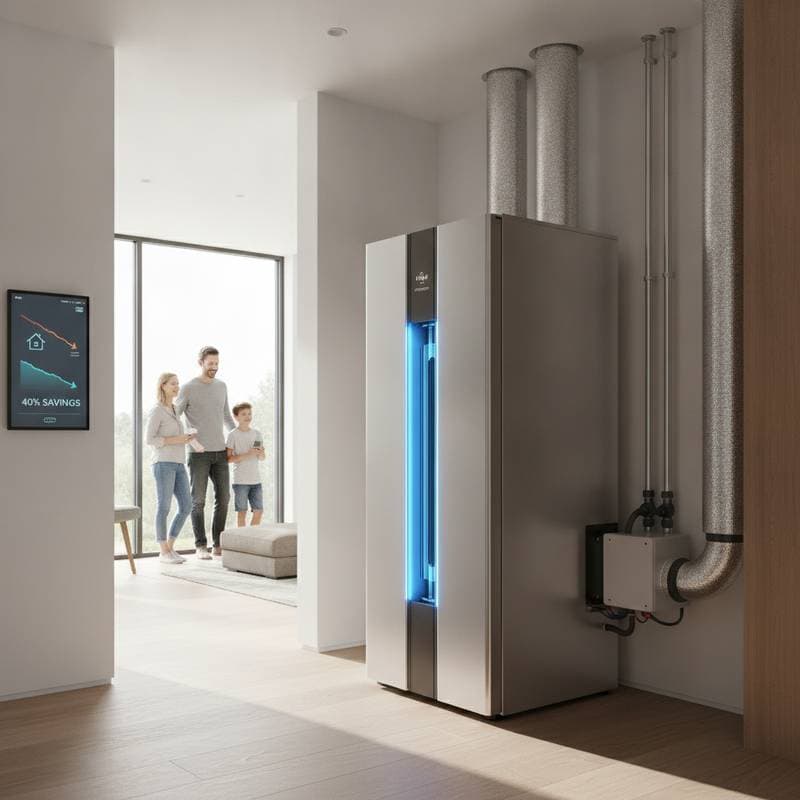
- Replacing fossil fuel systems with electric options can reduce household energy costs by 20 to 50 percent.
- Strategic planning and incremental upgrades make full electrification feasible for most budgets.
- Available incentives, high-efficiency technologies, and minimal maintenance drive substantial long-term savings.
- Electric homes offer cleaner indoor air, silent operation, and seamless integration with renewable energy sources.
The Everyday Challenge
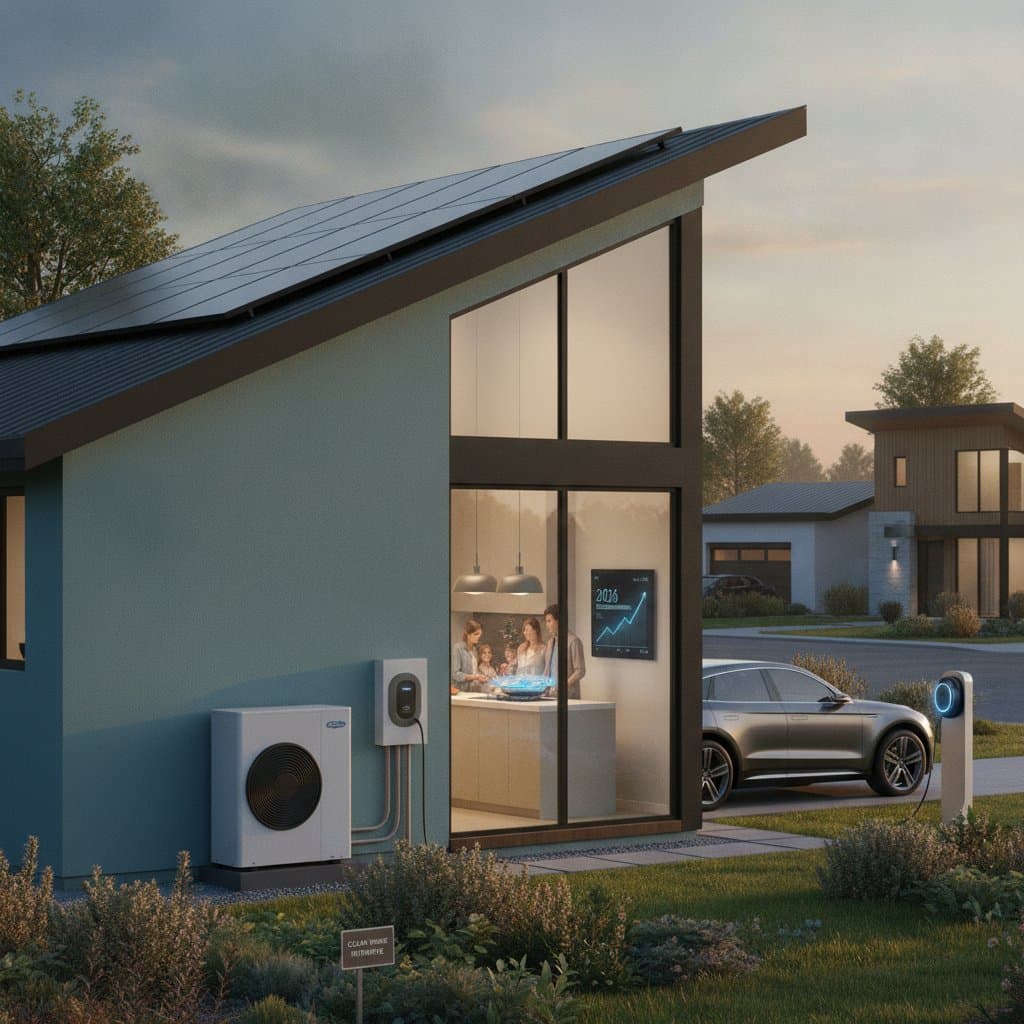
Imagine preparing coffee on a cold morning as your aging gas furnace activates with a loud rumble. A subtle odor of burning fuel persists, the noise disrupts the quiet, and you question the true expense of that heat. This scenario resonates with countless homeowners. The transition to all-electric systems reshapes this routine, replacing cumbersome, fuel-dependent equipment with silent, efficient devices that use minimal electricity and integrate effortlessly with solar power.
Why Electrification Matters
Electrifying a home extends beyond following current trends. It enhances comfort, generates savings, and builds resilience. Electric systems, especially when supported by renewable energy or optimized grids, emit far less pollution than fossil fuel alternatives. They also protect against fluctuating natural gas prices and deliver reliable performance over many years.
Financially, the switch to electric systems often lowers operating expenses by 20 to 50 percent, based on regional electricity rates and equipment performance. Environmentally, the benefits include decreased carbon emissions and improved indoor air quality, as no combustion byproducts enter the living space.
Key Considerations for Planning
Before proceeding with upgrades, evaluate your current systems and electrical infrastructure. Homes built before 1980 may require panel enhancements to support increased demand. View this assessment as strengthening the home's electrical framework to handle greater power flow.
- Assess your baseline. Catalog appliances and systems powered by gas or oil, such as furnaces, water heaters, ranges, and clothes dryers.
- Check electrical capacity. Hire a licensed electrician to inspect your service panel and calculate if it supports additional loads or needs expansion.
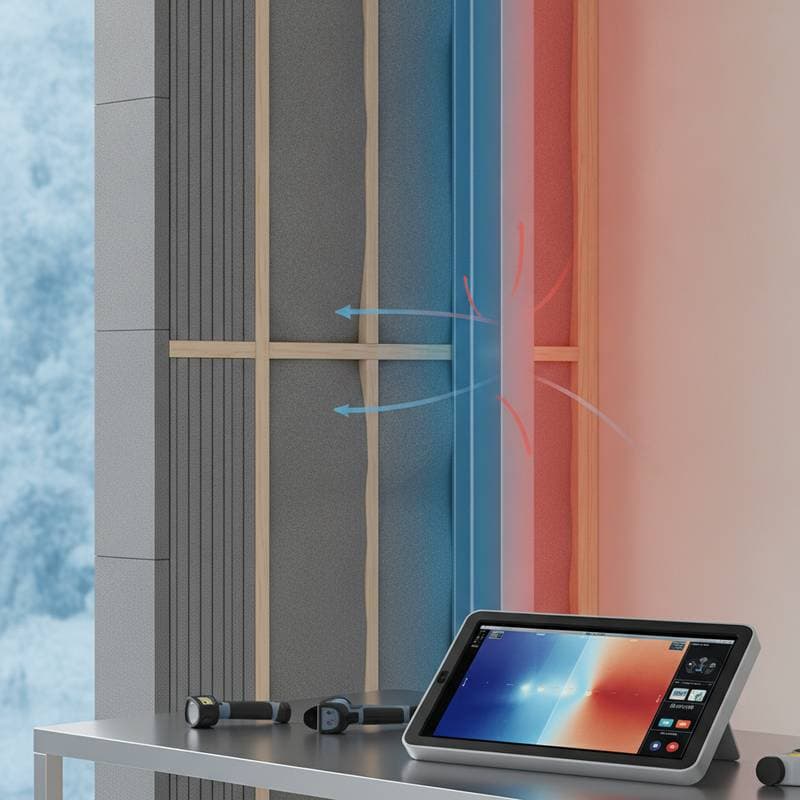
- Prioritize efficiency measures. Add insulation to walls and attics, caulk drafts around doors and windows, and install energy-efficient glazing to minimize the scale and expense of new equipment.
- Plan for incremental conversion. Tackle electrification in stages. Homeowners often address one major system annually to balance immediate benefits with financial constraints.
Cost Breakdown and ROI Analysis
Initial electrification expenses differ based on home size, age, and existing infrastructure. A modest residence might cost $15,000 to $30,000 for conversion, while larger or outdated properties needing wiring improvements could exceed that amount. Below is a breakdown of common components, including installation costs and projected savings:
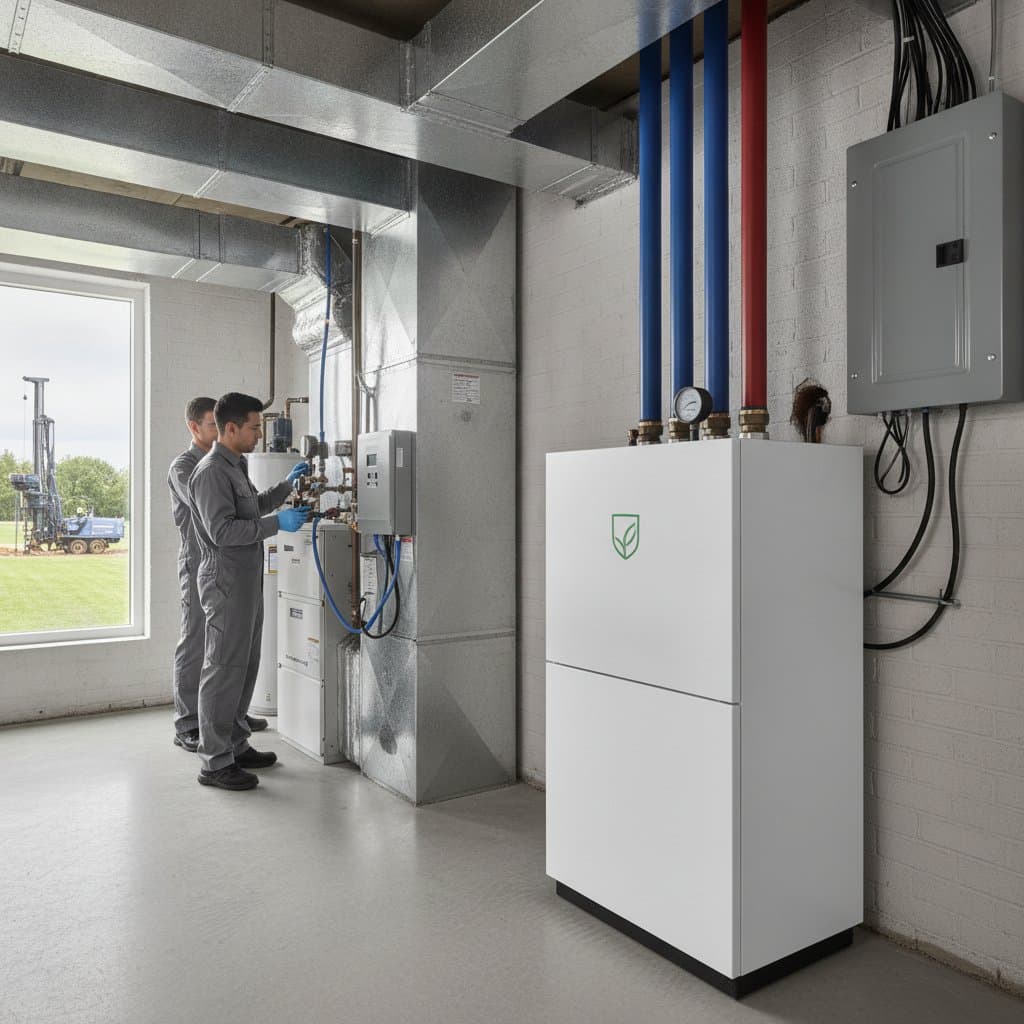
- Heat pump for heating and cooling: $8,000 to $20,000 installed, with operating costs 25 to 40 percent below those of gas furnaces or air conditioners.
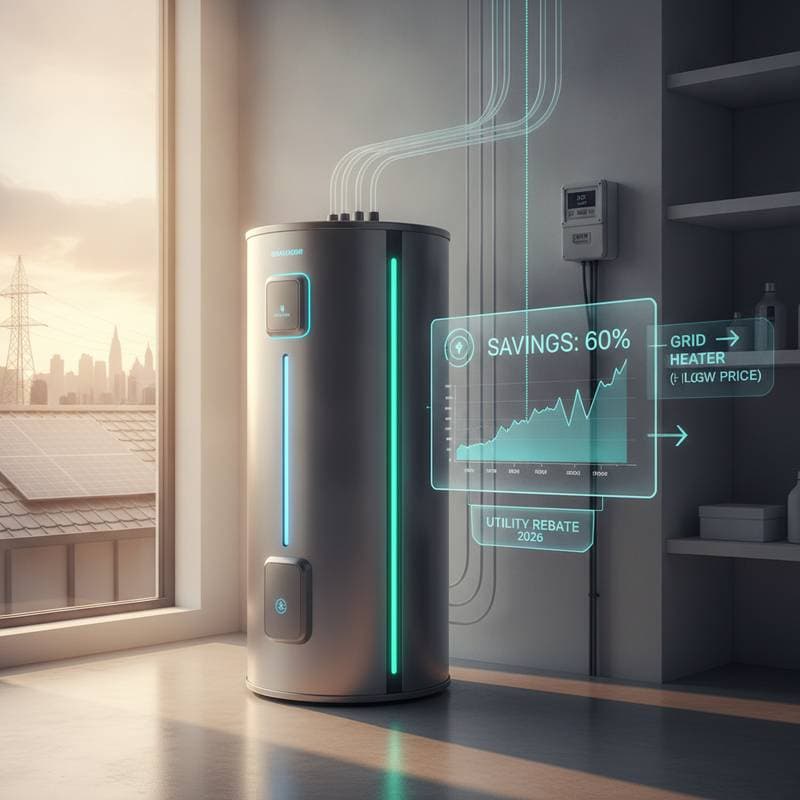
- Heat pump water heater: $1,800 to $3,500 installed, yielding annual savings of $200 to $400 on hot water heating.
- Induction cooktop: $1,000 to $3,000, providing safer operation and eliminating the need for complex exhaust hoods.
- Electric clothes dryer: $800 to $2,000, consuming approximately 30 percent less energy than traditional vented units.
- Electrical panel upgrade: $2,000 to $5,000 when required, enhancing safety and accommodating future expansions.
Although upfront investments appear significant, returns materialize quickly. Most owners recoup costs within five to ten years via reduced utility payments. Additionally, energy-efficient homes command higher market values, as prospective buyers seek properties free from fossil fuel dependencies.
Design and Layout Ideas
Full electrification unlocks design possibilities. Freed from gas piping and exhaust vents, kitchens and laundry areas gain flexibility for modern layouts. Induction cooktops enable flush, seamless countertops that resist heat and simplify cleaning.
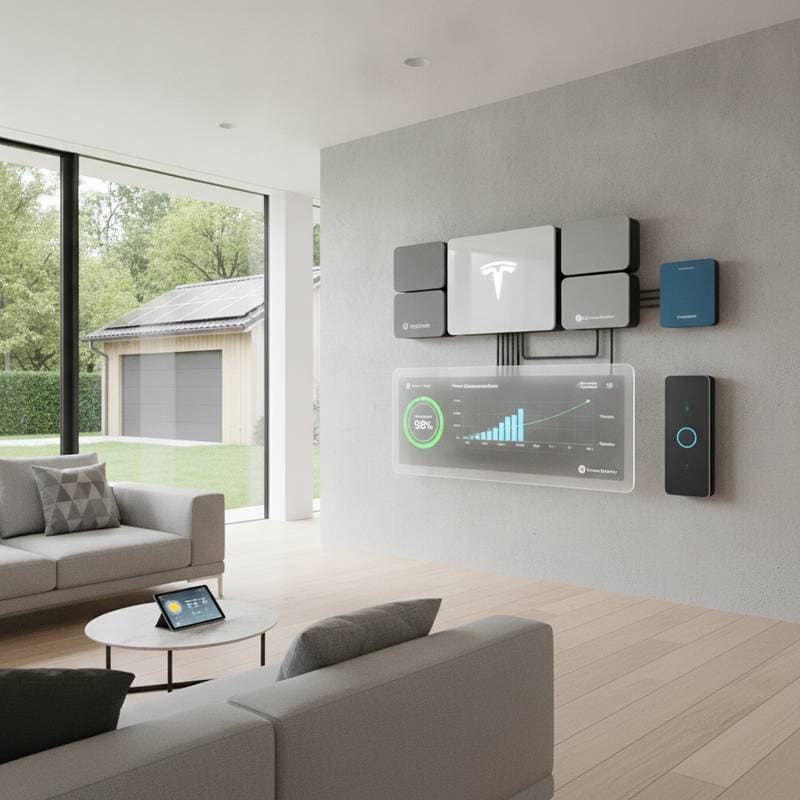
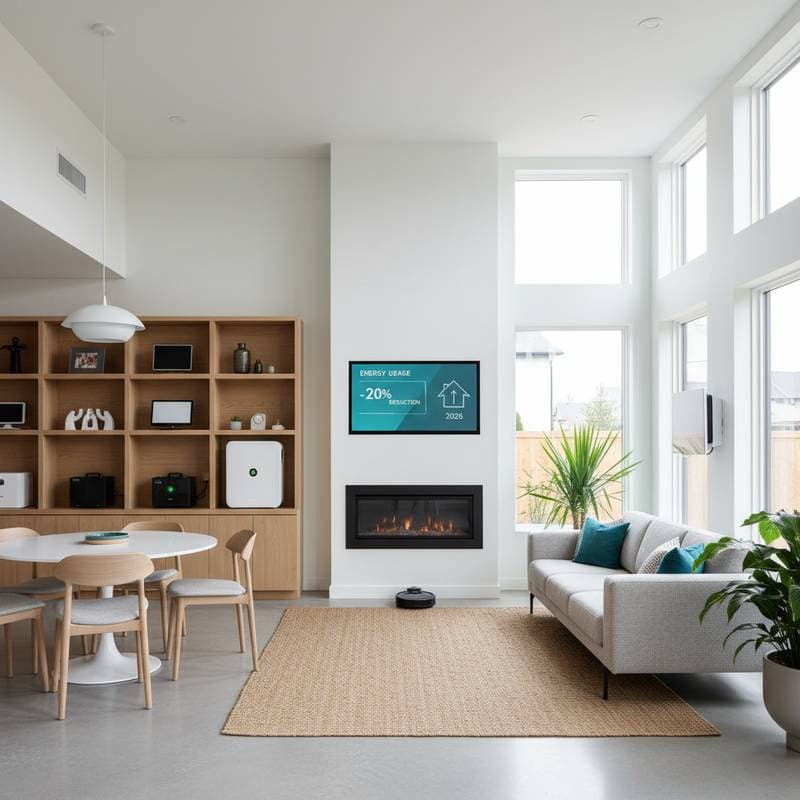
Heat pump systems, which handle both heating and cooling, remove the need for separate furnaces, reclaiming space in basements or closets. For forward-thinking owners, incorporate a programmable thermostat to adjust temperatures automatically, an energy dashboard to monitor consumption in real time, or a home battery to store excess power and ensure continuity during grid disruptions.
Sustainable Features and Efficiency Gains
Electric systems perform best alongside targeted efficiency enhancements. Proper insulation slashes heating and cooling demands, permitting the use of compact, affordable heat pumps. Consider these practical steps to maximize results:
- Seal the building envelope. Apply weatherstripping to doors and windows, and use mastic sealant on duct joints to curb air infiltration.
- Select high-efficiency lighting and appliances. Switch to LED fixtures and appliances certified by Energy Star to amplify overall savings.
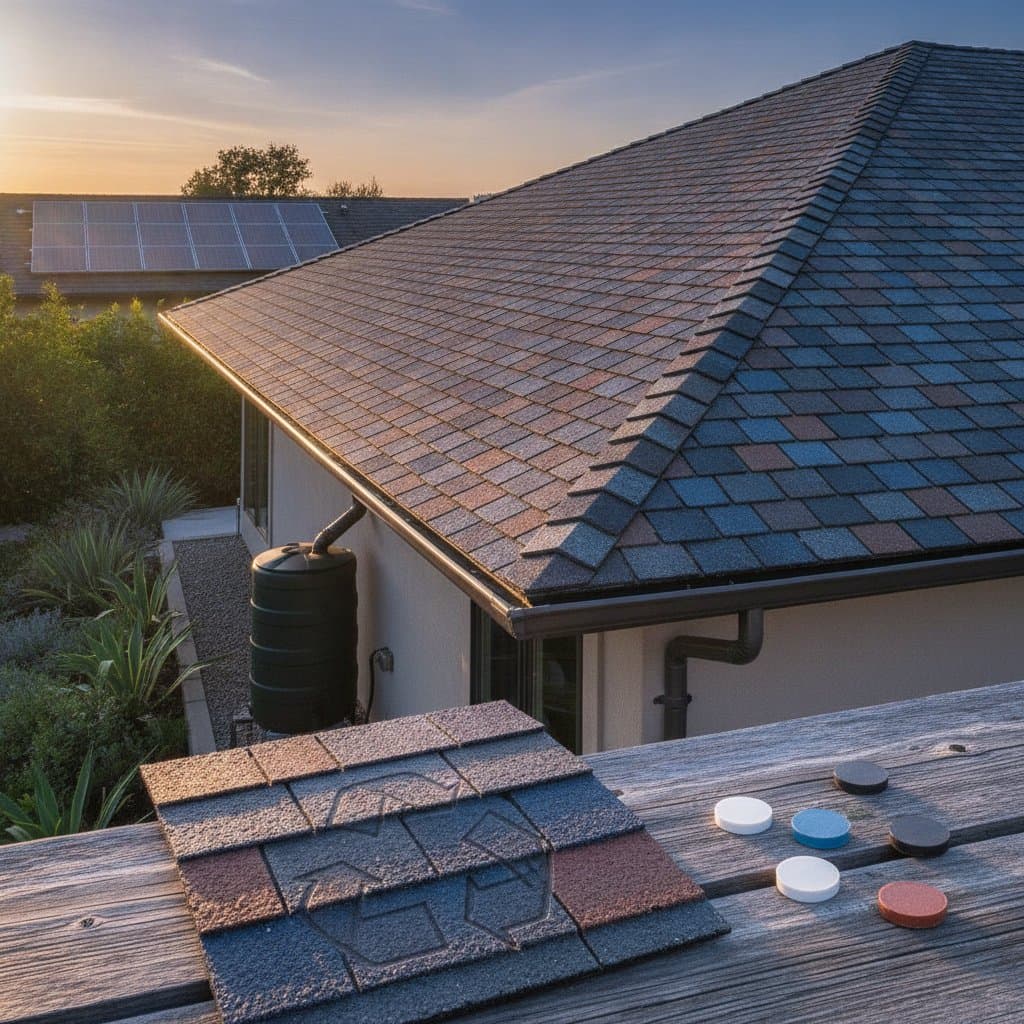
- Incorporate on-site renewables. Install rooftop solar panels to offset electricity use and approach net-zero energy consumption.
- Optimize ventilation. Deploy heat recovery ventilators to exchange stale air for fresh without expelling conditioned indoor air.
Integrating these elements not only trims expenses but elevates daily comfort and boosts property desirability in the market.
Factors Influencing the Project
Multiple elements shape project costs and outcomes:
- Climate zone. In harsh winters, select cold-climate heat pumps or supplementary electric resistance elements for peak performance.
- Home size and configuration. Expansive or multi-level homes benefit from zoned systems with multiple indoor air handlers.
- Local utility rates. Electricity tariffs and rebate programs influence payback periods across regions.
- Installer expertise. Contractors experienced in heat pump integration ensure optimal setup and avoid inefficiencies.
Addressing these during initial planning establishes accurate timelines and budgets, minimizing unforeseen expenses.
Expert Validation and Actionable Takeaways
Industry professionals highlight essential principles for successful electrification. Efficiency retrofits precede equipment installation to optimize system demands. Proper sizing prevents energy waste or inadequate performance; consult load calculations from certified technicians. Quality workmanship guarantees durability and warranty compliance.
Homeowners can initiate the process by:
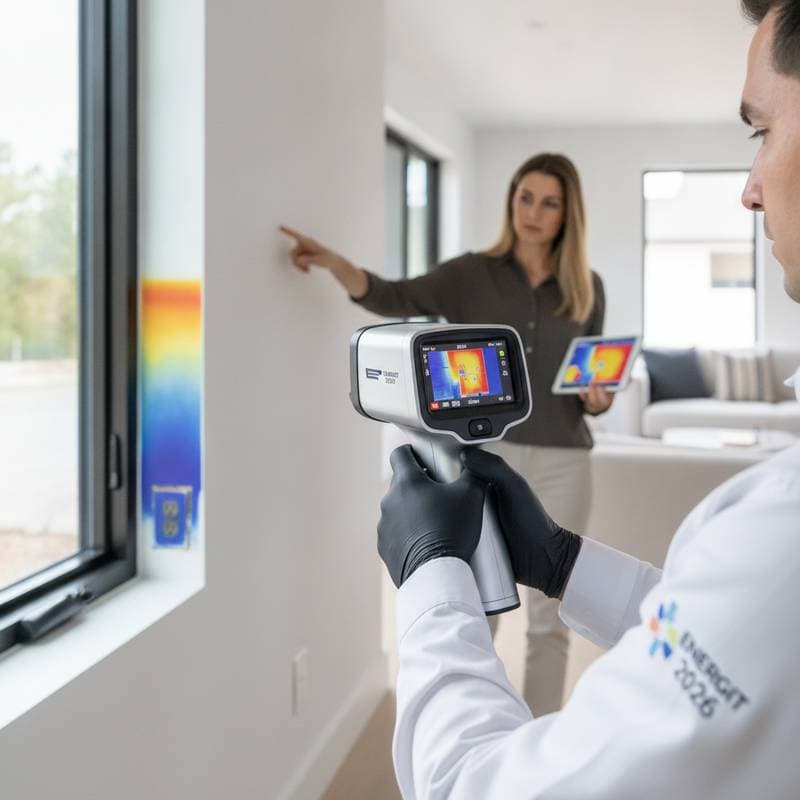
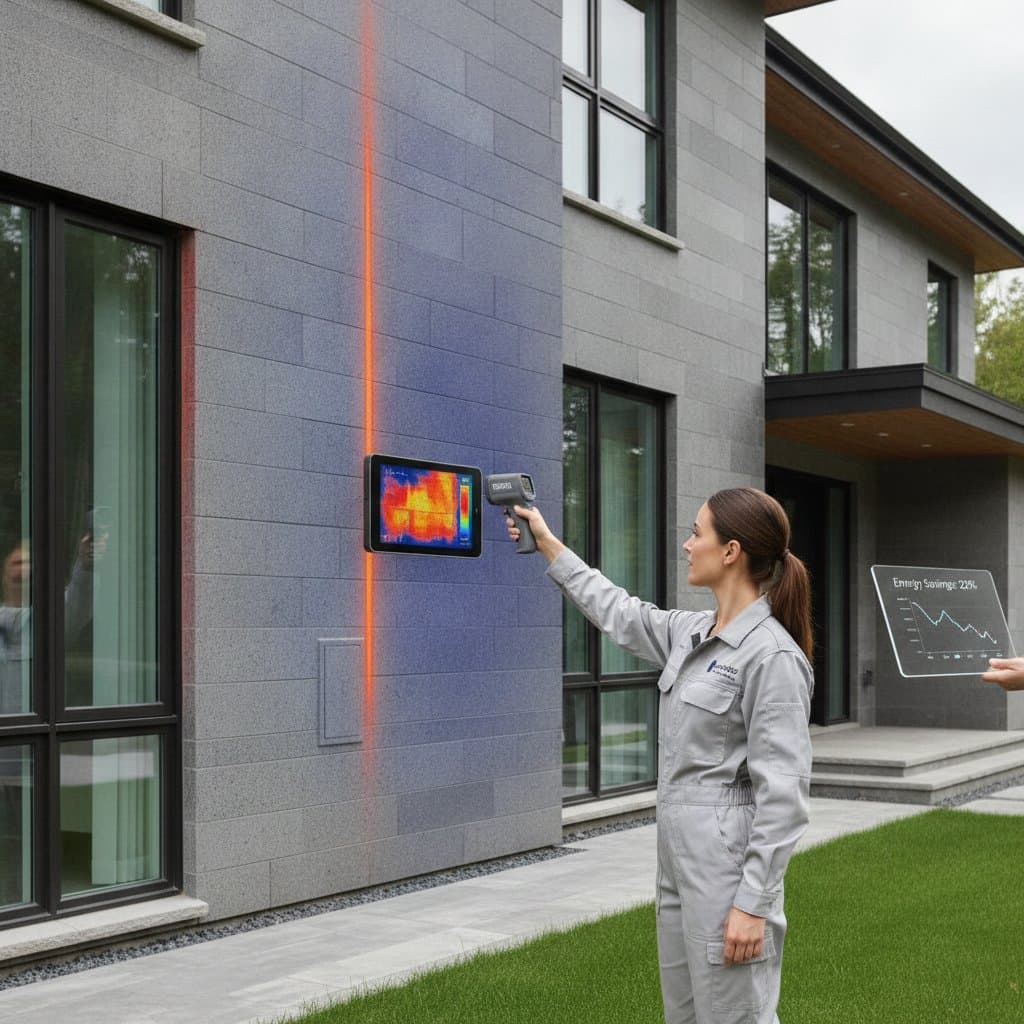
- Arranging a professional energy audit to pinpoint high-impact areas.
- Obtaining bids from at least three vetted contractors for equipment and labor.
- Confirming installer credentials, including NATE certification for HVAC or electrician licensing.
- Allocating a 10 to 15 percent buffer in the budget for incidental discoveries.
Frequently Asked Questions
Do I need to replace everything at once?
No. Begin with high-priority systems like heating and water heating for immediate returns, then phase in others over several years.
What if my electrical panel is too small?
A qualified electrician will perform a load analysis and propose solutions, such as a subpanel or intelligent load management to distribute power effectively.
Will my bills actually go down?
Yes, for the majority of households, particularly when pairing new equipment with envelope sealing or solar integration to compound reductions.
Are heat pumps reliable in cold weather?
Current models maintain efficiency down to sub-zero temperatures using variable-speed compressors and low-global-warming-potential refrigerants. Supplemental electric elements provide reliability during extreme cold snaps.
Steps to Electrify Your Home
Electrifying your residence represents a strategic investment in finances and the environment. It fosters a serene, pollutant-free interior while diminishing reliance on imported fuels.
Focus first on efficiency audits, select durable components from reputable manufacturers, and execute upgrades progressively to align with your resources. As benefits compound, utility costs decline, home equity appreciates, and living standards rise.