Key Points
- Time your home electrification projects to align with 2026 rebates and credits for maximum cost reductions.
- Switch to electric heating, ventilation, air conditioning, water heating, and induction cooking for environmental benefits and long-term savings.
- Understand eligibility rules, project sequencing, and documentation to claim the full value of incentives.
- Work with certified green building experts to avoid common installation errors and achieve top performance.
Envisioning a Future-Ready Home
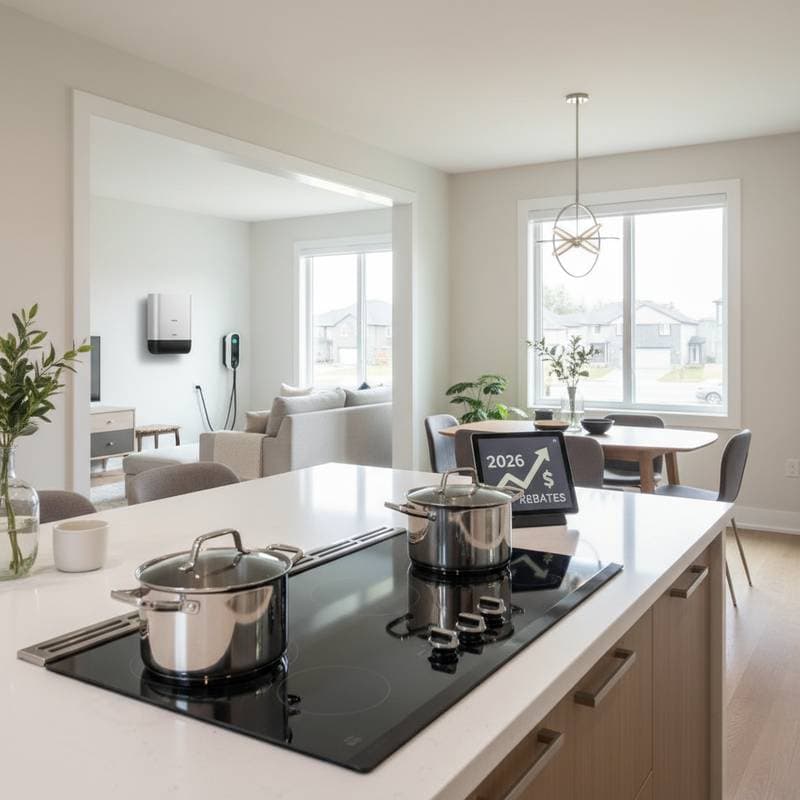
Picture stepping into a home that runs on clean, renewable energy. Appliances hum quietly, induction cooking clears the air in the kitchen, and utility bills drop noticeably each month. As a green building specialist, the author sees this transformation in many homes where owners commit to electrification.
Homeowners often hesitate at first when considering the switch from gas systems. Federal and local incentives make the change more affordable than ever. Electrification goes further than just new appliances; it protects against rising energy costs, cuts carbon emissions, and builds lasting home resilience.
Grasping the Electrification Landscape
Across the country, homeowners weigh the move to all-electric systems. Gas furnaces, water heaters, and stoves make room for modern electric options powered by renewables. High upfront costs, such as $4,000 to $10,000 for heat pumps or over $1,000 for induction ranges, often hold people back.
Federal clean energy initiatives tackle these barriers with rebates, tax credits, and low-interest loans. Eligibility depends on income levels and energy use, which can lead to thousands of dollars in savings for key upgrades. Green building consultant Erica Chen explains, "Homeowners who plan their upgrades strategically can often stack rebates and credits, cutting total project costs by half."
Eligible Upgrades for Electrification Incentives
Programs focus on targeted improvements in essential home areas:
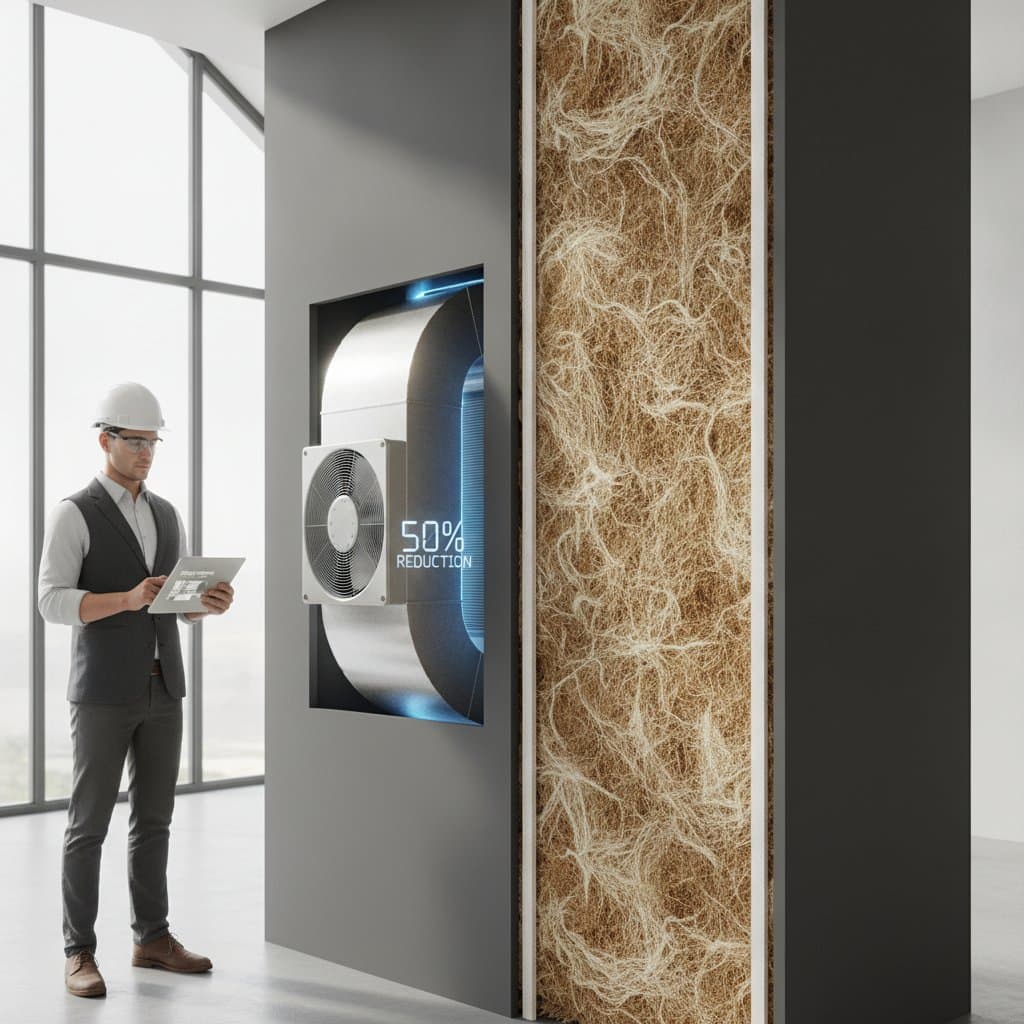
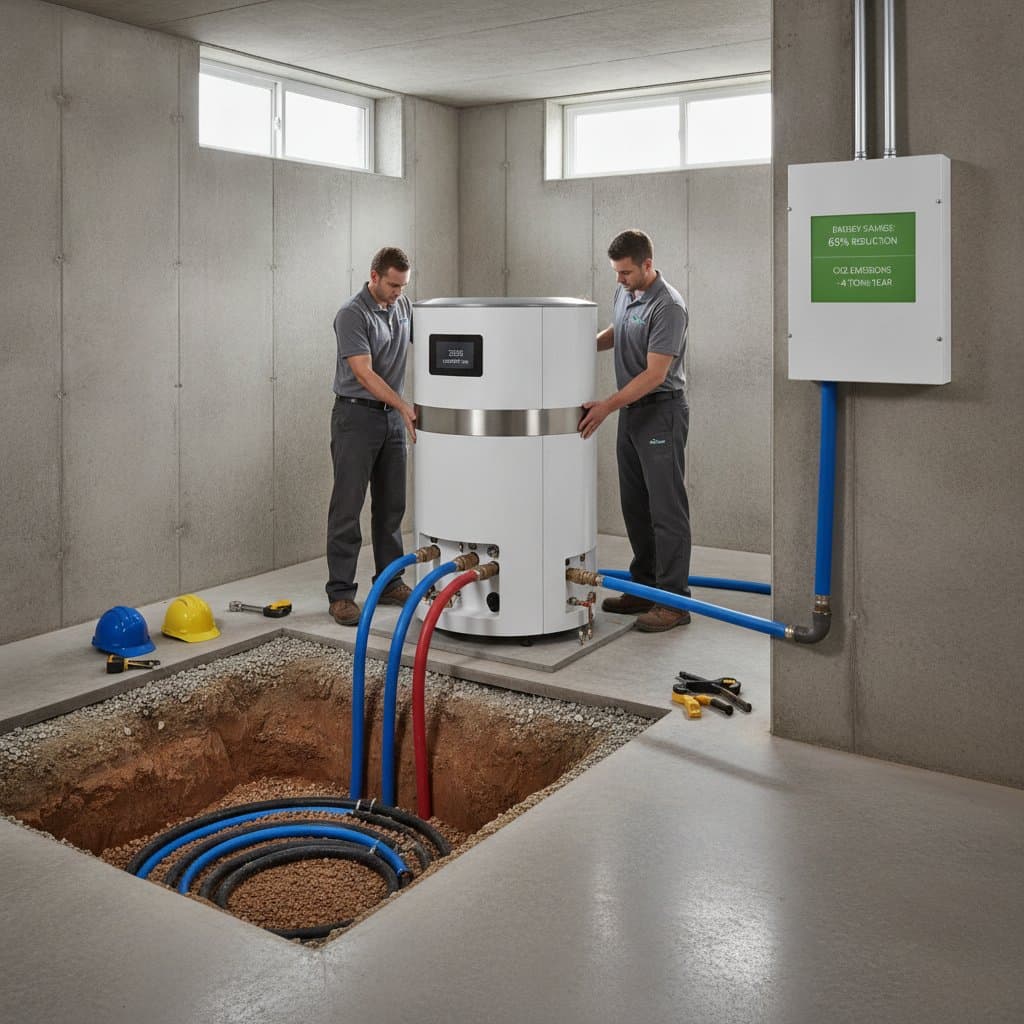
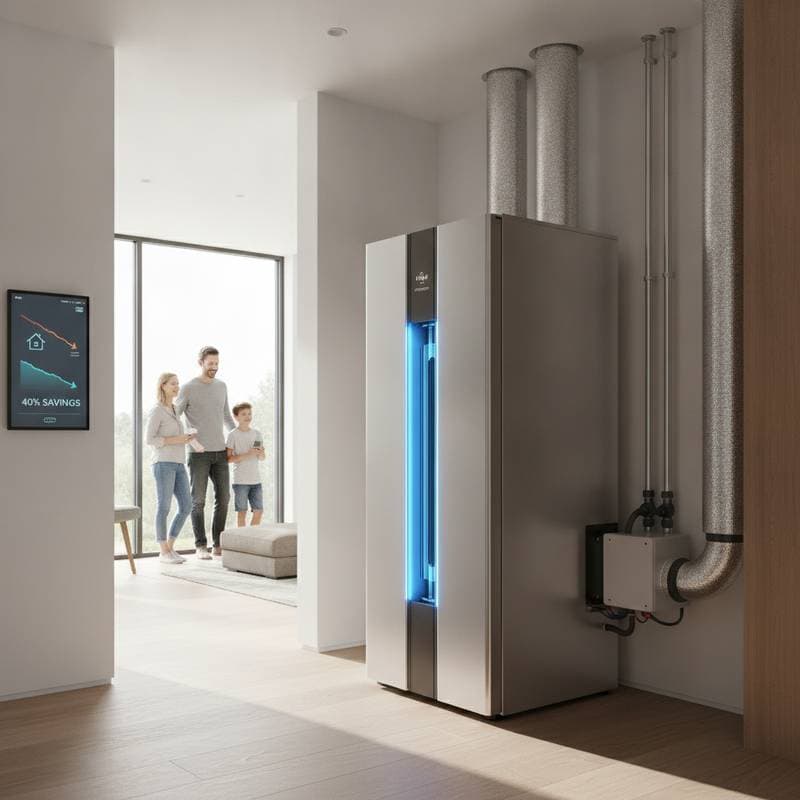
- Heating and Cooling Systems: Heat pumps for space heating and hot water offer major efficiency gains. These systems reduce electricity use by up to 50 percent compared to older setups.
- Cooking Appliances: Induction ranges and cooktops deliver precise heat control and better indoor air quality without gas fumes.
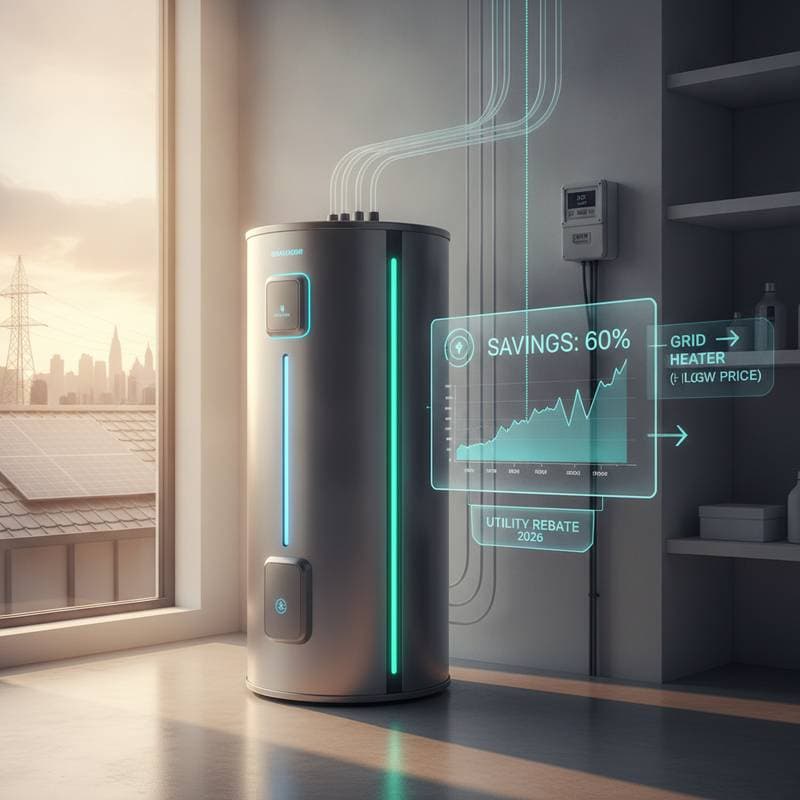
- Laundry and Water Heating: Heat pump dryers and water heaters boost efficiency while lowering emissions.
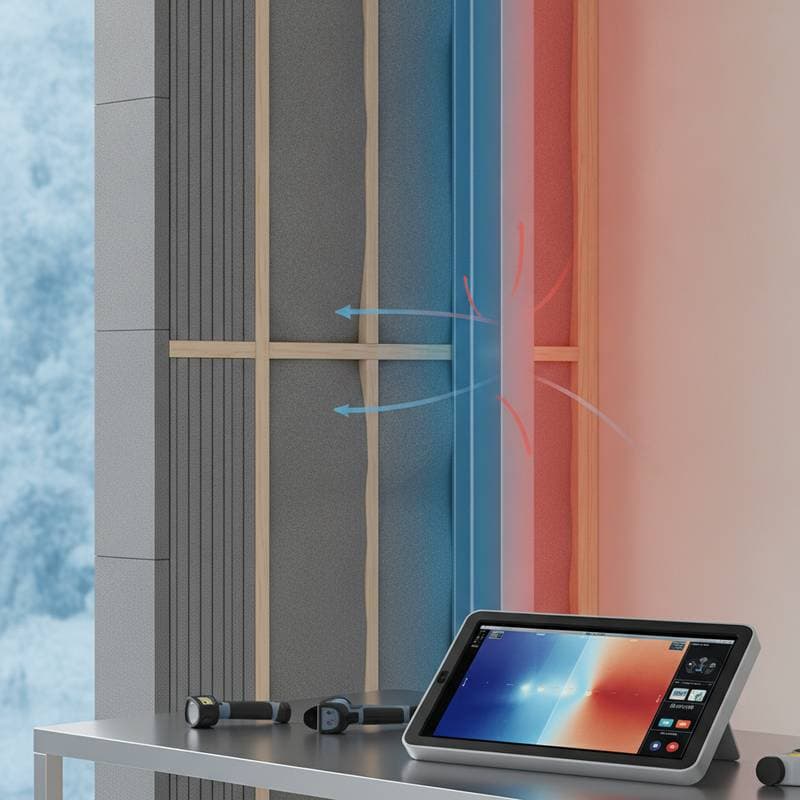
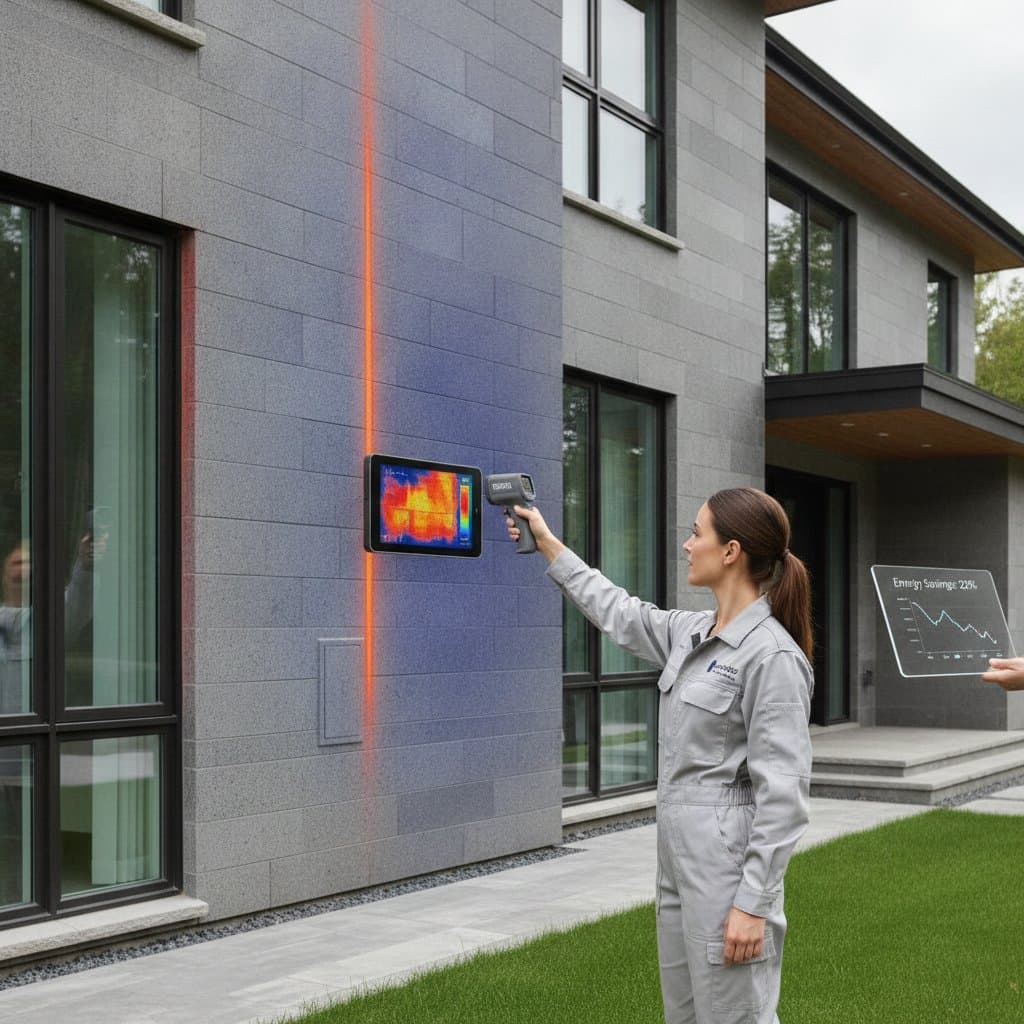
- Building Envelope Improvements: Better insulation, air sealing, and energy-efficient windows help electric systems work more effectively by reducing energy loss.
- Electrical Infrastructure: Upgraded panels handle higher loads from electric vehicles or additional appliances without safety risks.
Projects across these categories can qualify separately, so combining them builds up rebate totals.
Strategies for Maximizing Incentives
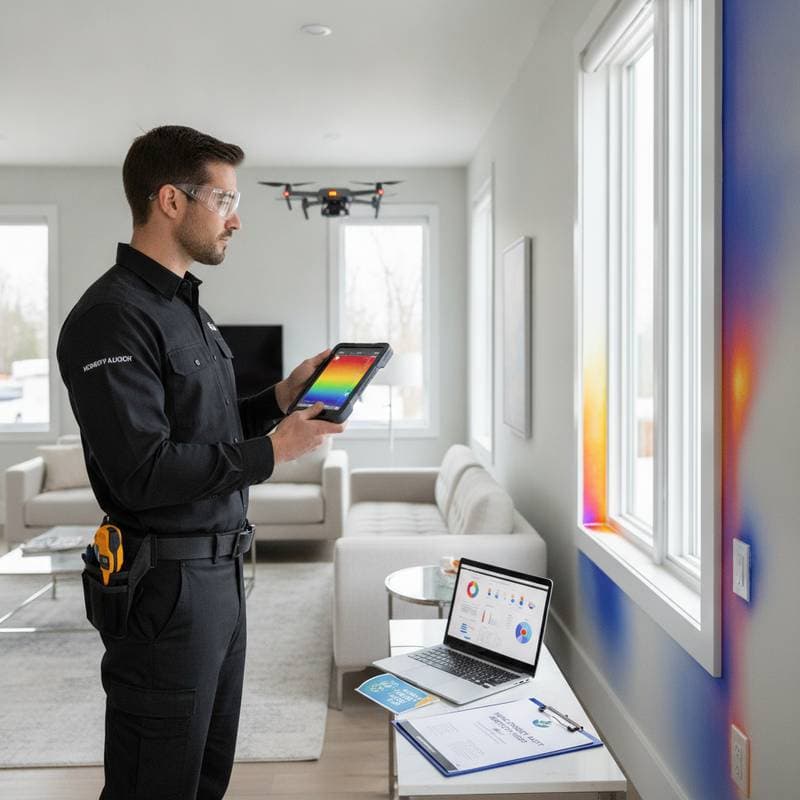
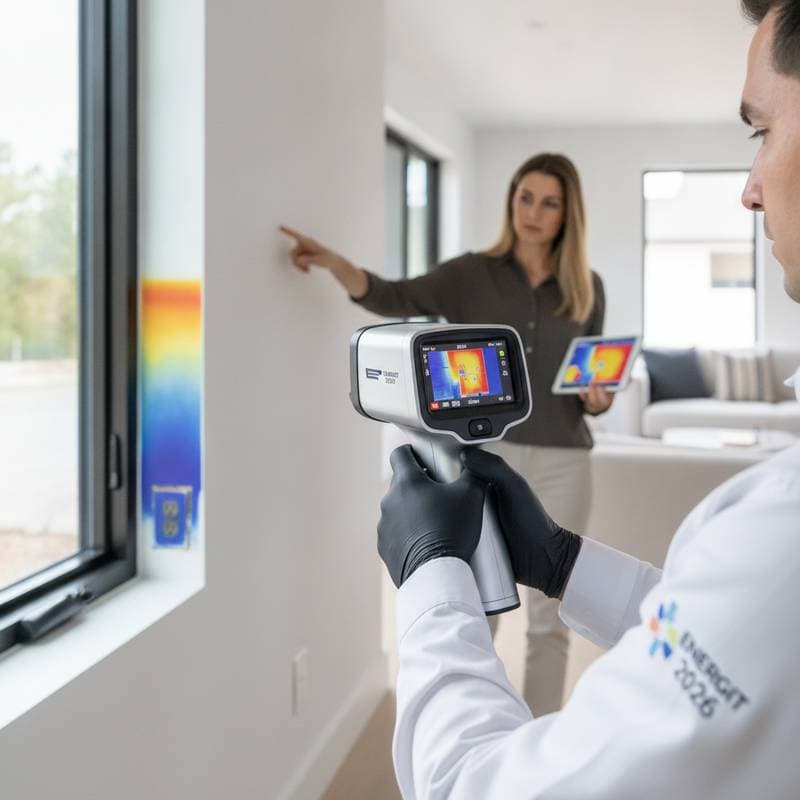
Start with solid preparation to get the most from rebates. Hire a qualified professional for a full home energy audit. This step identifies weak spots, sets priorities for upgrades, and creates the records needed for incentive approvals.
Follow these steps to make the most of electrification benefits:
- Conduct an Initial Assessment: Call in a local energy auditor or green building advisor for a detailed report. Expect to pay $200 to $600, depending on your home size.
- Identify Priority Interventions: Focus on the biggest energy wasters, like old gas furnaces or inefficient water heaters.
- Sequence Projects Logically: Check rebate rules on upgrade order; for example, update the electrical panel before installing a heat pump.
- Maintain Thorough Records: Keep invoices, equipment details, and certification documents ready for rebate claims.
- Pursue Incentive Layering: Combine federal tax credits with state or utility programs to multiply your savings.
From years in the field, experts recommend starting with heat pumps and insulation. These choices provide reliable, ongoing benefits that speed up payback through lower energy bills.
Professional Insights for Enhanced Efficiency
Successful electrification demands careful system integration. Green building specialists offer these tips for lasting results:
- Address the Building Envelope Early: Strong insulation lowers the size and cost of HVAC needs. It blocks heat loss effectively.
- Incorporate Intelligent Controls: Smart thermostats and energy monitors let you track and adjust usage in real time.
- Prioritize ENERGY STAR Rated Equipment: These meet strict standards for lower energy and water use.
- Integrate Renewable Energy Sources: Add solar panels if possible to offset your electricity costs.
- Select Eco-Friendly Materials: Choose low-VOC paints and sealants to keep indoor air clean during upgrades.
Assessing Finances and Anticipating Returns
Many worry about the initial costs of going electric, but the numbers show strong returns. Replacing a gas furnace with a heat pump can save $600 to $1,200 annually on utilities. Incentives shorten the break-even point to less than five years.
Take a $9,000 heat pump installation: a $2,000 federal credit plus a $1,500 state rebate drops the net cost to $5,500. Continued bill reductions make the investment pay off quickly. Budget 10 percent extra for surprises like wiring changes or permits to keep things on track.
Navigating Regulations and Expert Assistance
Before starting work, confirm that your equipment meets local codes and efficiency standards. Some areas require load calculations or permits. Failing to comply could void your rebates.
Hire licensed contractors to handle compliance, safety, and performance. They ensure proper wiring, balanced airflow, and correct refrigerant use to maintain efficiency. Poor work can derail your savings.
This platform connects you with verified green building pros who know the technical and paperwork side. They guide you through documentation, incentive applications, and project management.
Advancing Your Electrification Initiative
Shifting to electric systems controls costs and supports the planet. Whether you tackle changes step by step or all at once, each move advances your sustainability efforts.
Take these steps to get started:
- Arrange a Professional Energy Audit: Find the best efficiency opportunities for your home.
- Engage a Rebate-Savvy Contractor: Choose experts skilled in incentives and code compliance.
- Submit Credit Applications Promptly: Secure funds before work begins.
- Monitor Post-Installation Metrics: Track your efficiency improvements and comfort levels.
Imagine cooking on an induction stove with its quiet precision, knowing you help the environment. With expert help and smart incentives, you achieve real savings and create a home built for the future.
Frequently Asked Questions
Q: How can I determine if my home’s electrical system supports additional appliances?
A: Request an evaluation from a licensed electrician to assess panel capacity. Older residences frequently necessitate upgrades to 200 amps or higher for electric heating, ventilation, air conditioning or vehicle charging.
Q: What incentives apply to induction cooktops?
A: Rebate values vary by income and location, typically $100 to $840 per unit. Utility providers may extend further reductions for gas-to-electric conversions.
Q: Do heat pumps perform well in cold regions?
A: Affirmative. Contemporary models designed for low temperatures maintain efficiency in subzero conditions via variable-speed compressors that modulate output for steady heating.
Q: Must all systems replace simultaneously for rebate qualification?
A: Negative. Numerous initiatives accommodate gradual implementations.
Q: What duration do electrification projects require?
A: Compact tasks such as induction ranges or heat pump water heaters complete in a single day. Comprehensive heat pump or panel overhauls span one to two weeks, incorporating inspections.