Cut HVAC Costs by 90 Percent with Passive House Design
Rising utility bills for heating and cooling often signal inefficiency in home design. Imagine a structure that requires minimal mechanical systems to maintain comfort throughout the year. The Passive House standard achieves this goal by reducing energy demands for heating, ventilation, and air conditioning by up to 90 percent compared to typical residences.
This approach transforms how buildings perform, offering substantial long-term benefits. Homeowners gain not only financial relief but also enhanced living conditions. Below, explore the principles, evidence, and practical steps to implement Passive House strategies.
Core Principles of Passive House Efficiency
Passive House certification emphasizes performance over aesthetics or specific materials. Five fundamental principles form the foundation: airtight construction, comprehensive insulation, advanced glazing, mechanical ventilation with heat recovery, and avoidance of thermal bridges.
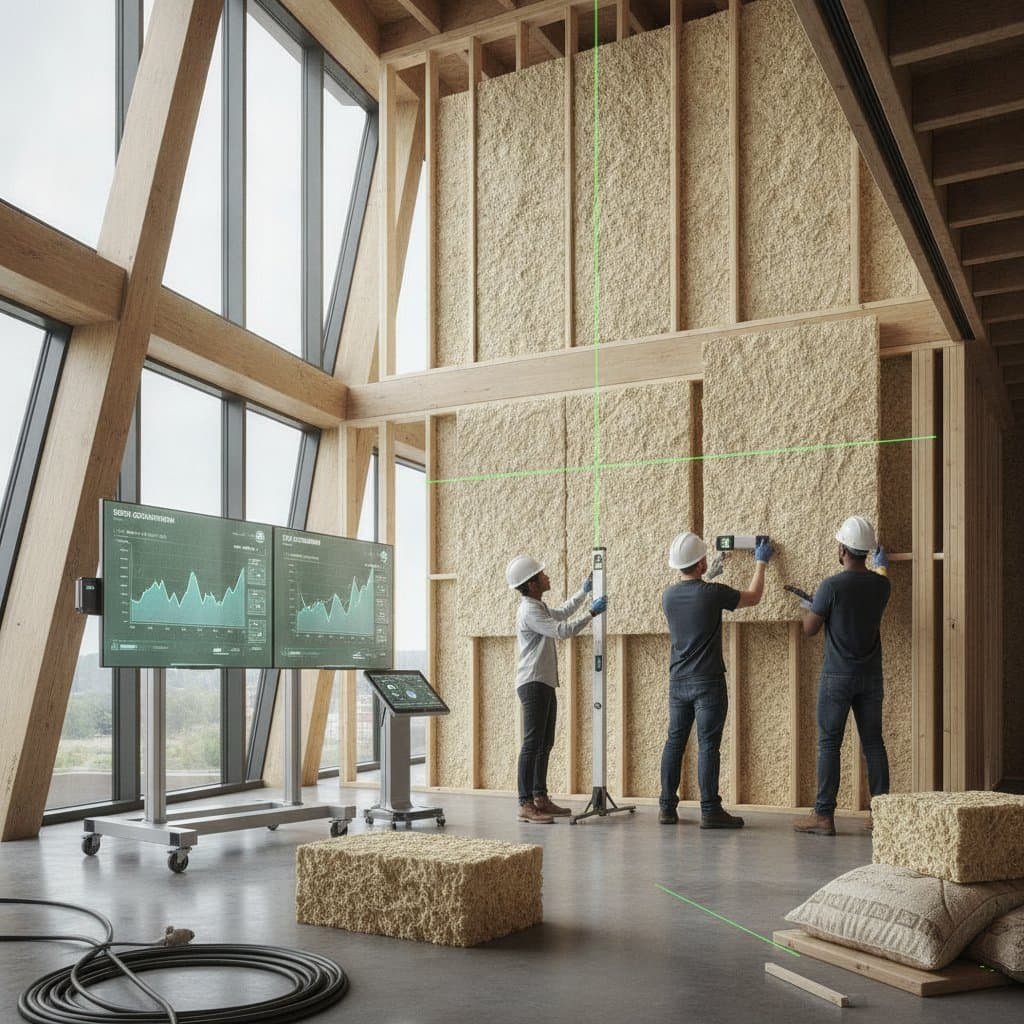
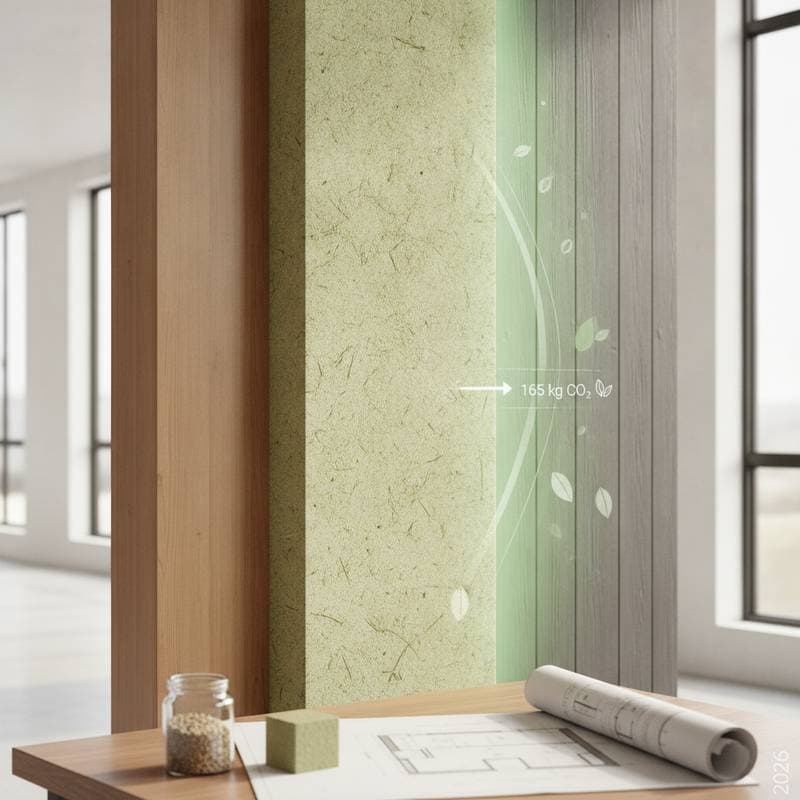
Airtight construction seals the building envelope to limit uncontrolled air exchange. This measure preserves conditioned air indoors, whether warming it in cold seasons or cooling it in warm ones. Comprehensive insulation encases walls, roofs, floors, and foundations to minimize conductive heat loss.
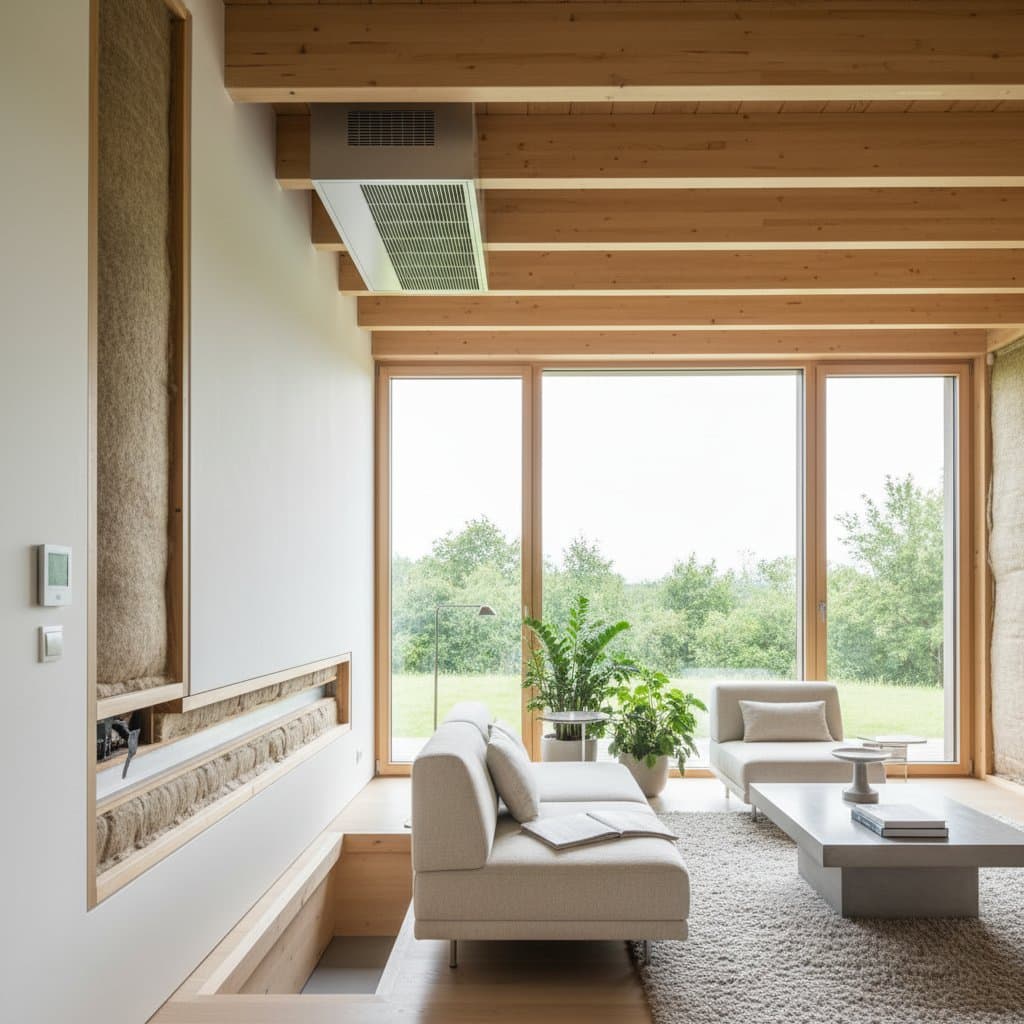
High-performance windows feature multiple glazing layers and thermally broken frames. These elements allow ample daylight while restricting heat transfer. A mechanical ventilation system recovers heat from exhaust air to precondition incoming fresh air, ensuring quality without energy waste.
Thermal bridges occur where materials conduct heat more readily, such as at junctions between walls and windows. Designs eliminate these points through careful detailing and material selection. Together, these principles create a robust thermal envelope that stabilizes indoor temperatures with negligible energy input.
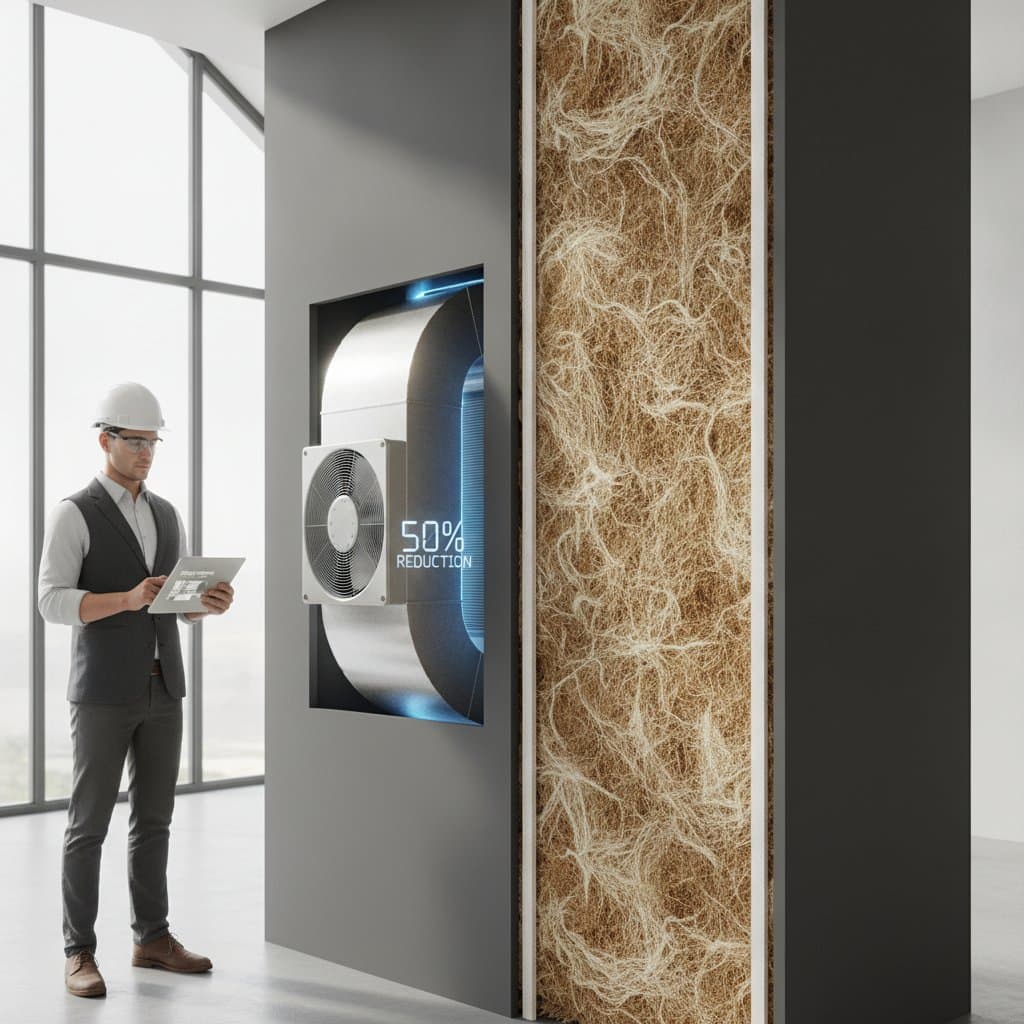
Homes meeting these standards require HVAC systems one-tenth the size of conventional units. This efficiency extends to reduced noise from mechanical operation and lower operational demands on equipment.
Evidence of Energy Savings
Data from the Passive House Institute confirms the standard's effectiveness. Certified buildings consume approximately 4.75 kBtu per square foot annually for heating and cooling. In contrast, standard new constructions demand 45 to 60 kBtu per square foot, varying by regional climate and construction quality.
This difference translates to a 90 percent reduction in HVAC energy use. Financial implications include annual savings ranging from several hundred dollars to thousands, based on local utility rates and home size. Over decades, these reductions accumulate, often offsetting initial investments.
Passive House designs also decrease overall maintenance expenses. Smaller HVAC units experience less wear, leading to longer service life and fewer repairs. The approach aligns with broader sustainability goals by curbing carbon emissions associated with energy production.
| Feature | Conventional Home | Passive House |
|---|---|---|
| Heating/Cooling Energy | 45-60 kBtu/sq ft | 4.75 kBtu/sq ft |
| Airtightness (ACH50) | 3-7 | 0.6 or less |
| Typical HVAC Size | 3-5 tons | 0.5-1.5 tons |
| Annual Energy Savings | Baseline | 70-90% reduction |
Independent testing verifies compliance, ensuring claims hold in real conditions. Studies across diverse climates demonstrate consistent performance, from temperate zones to extreme environments.
Implementing Passive House in New Builds and Retrofits
Constructing a Passive House elevates initial costs by 5 to 15 percent over code-compliant builds. Premium materials, such as enhanced insulation and glazing, along with meticulous construction practices, account for this increase. However, regions with elevated energy prices or harsh weather accelerate payback through utility bill reductions.
Homeowners frequently recover the premium within 5 to 10 years. To begin, engage a certified Passive House consultant during the planning phase. This professional models energy performance using specialized software, identifying optimal strategies tailored to site conditions.
For existing structures, the EnerPHit standard provides a retrofit pathway. Focus upgrades on insulation enhancements, air barrier improvements, and ventilation system installations. While full certification may prove challenging, partial implementations yield 50 to 70 percent energy cuts.
Explore available incentives to ease adoption. Programs offer rebates for energy-efficient windows, insulation, and sealing work. Local utilities or government agencies often provide audits to pinpoint high-impact improvements.
Consider a step-by-step retrofit process:
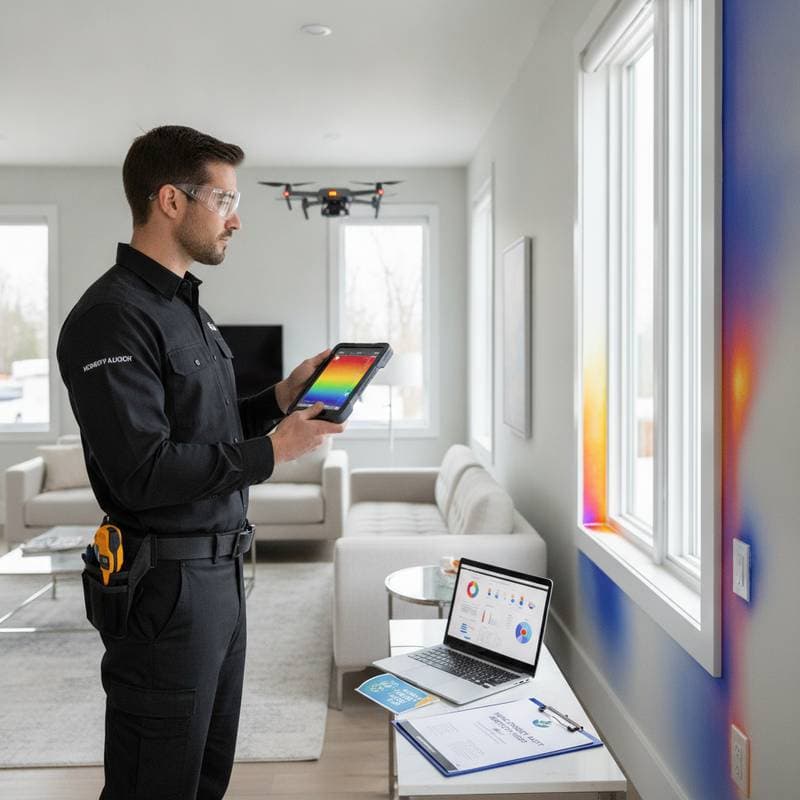
- Conduct a blower door test to measure current airtightness.
- Insulate attics, walls, and basements where feasible.
- Upgrade windows and doors to high-performance models.
- Install a heat recovery ventilator for balanced airflow.
- Verify results with post-upgrade testing.
These actions not only lower costs but also enhance property value, appealing to eco-conscious buyers.
Benefits for Comfort and Health
Passive House living extends beyond efficiency to superior indoor environments. Sealed envelopes eliminate drafts, ensuring even temperatures in every room. This stability reduces the need for constant thermostat adjustments.
Ventilation systems filter incoming air, minimizing exposure to outdoor pollutants and indoor allergens. Balanced humidity controls prevent issues like condensation or dryness, fostering a healthier atmosphere. Residents report fewer respiratory concerns and improved sleep quality.
Natural light from efficient windows boosts mood and productivity. The design promotes quiet spaces, free from the hum of oversized HVAC equipment. Overall, these homes deliver a refined living experience that prioritizes well-being.
Steps to Achieve Passive House Performance
Assess your current home's efficiency with a professional energy audit. Identify leaks, insulation gaps, and ventilation shortcomings. Develop a prioritized plan based on return on investment for each upgrade.
For new projects, integrate Passive House criteria from the outset. Collaborate with architects and builders experienced in the standard. Track progress through modeling and on-site verification to meet performance thresholds.
As materials evolve and expertise grows, Passive House becomes viable for more households. This method secures financial savings, environmental responsibility, and enduring comfort in an era of rising energy demands.