Reduce Energy Bills Through 2026 Home Electrification Credits
Rising monthly energy expenses prompt many homeowners to explore more effective ways to power their residences. Federal electrification credits emerge as a compelling solution amid this trend. These incentives facilitate the shift from fossil fuel systems to efficient electric alternatives, making the process both affordable and straightforward. Homeowners preparing for upcoming upgrades stand to gain thousands in savings, alongside a home that offers greater comfort and resilience.
Key Benefits
- Federal electrification credits offset up to 30 percent of installation costs for eligible electric systems.
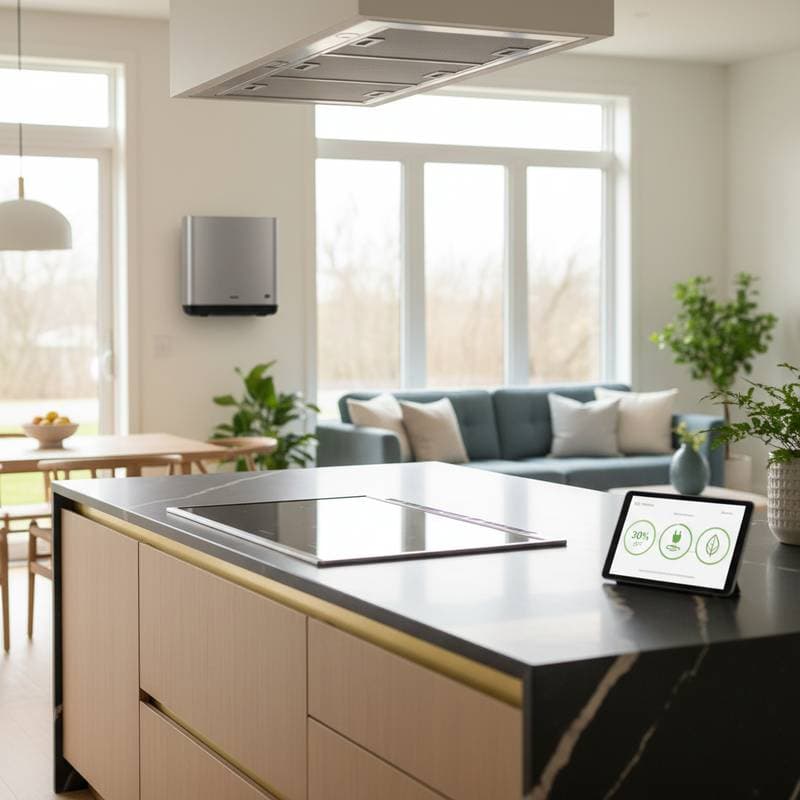
- Rebates apply to heat pumps, induction cooktops, and upgraded electrical panels.
- Pairing credits with rebates can halve upfront costs in many cases.
- Early upgrades secure long-term savings as energy prices vary.
- These measures also lower household emissions, which improves indoor air quality and overall environmental footprint.
Grasping the 2026 Home Electrification Credits
Federal electrification credits incentivize homeowners to install electric appliances and systems that adhere to defined efficiency standards. Apply these credits during tax filing to reclaim a portion of installation expenses. Select programs deliver direct rebates upon purchase, which immediately decrease the initial financial burden.
Qualifying Upgrades
The systems listed below commonly qualify for credits or rebates. Eligibility depends on factors such as equipment specifications and installation quality.
| Upgrade Type | Example Equipment | Typical Credit or Rebate Range |
|---|---|---|
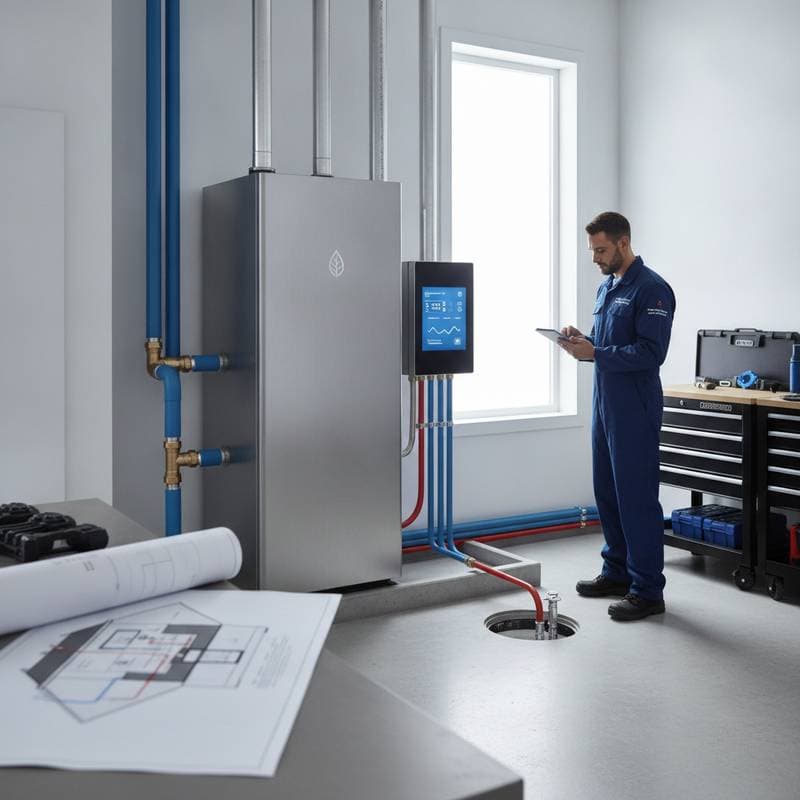
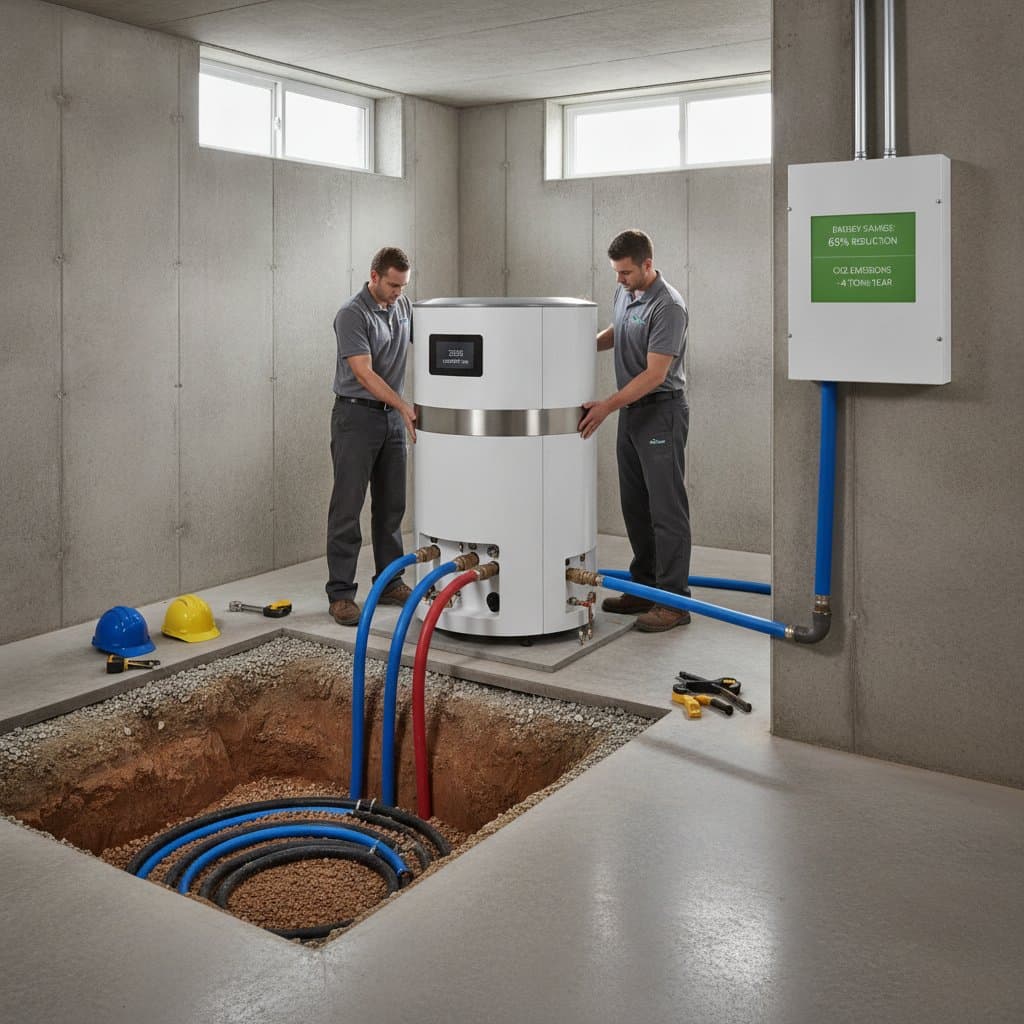
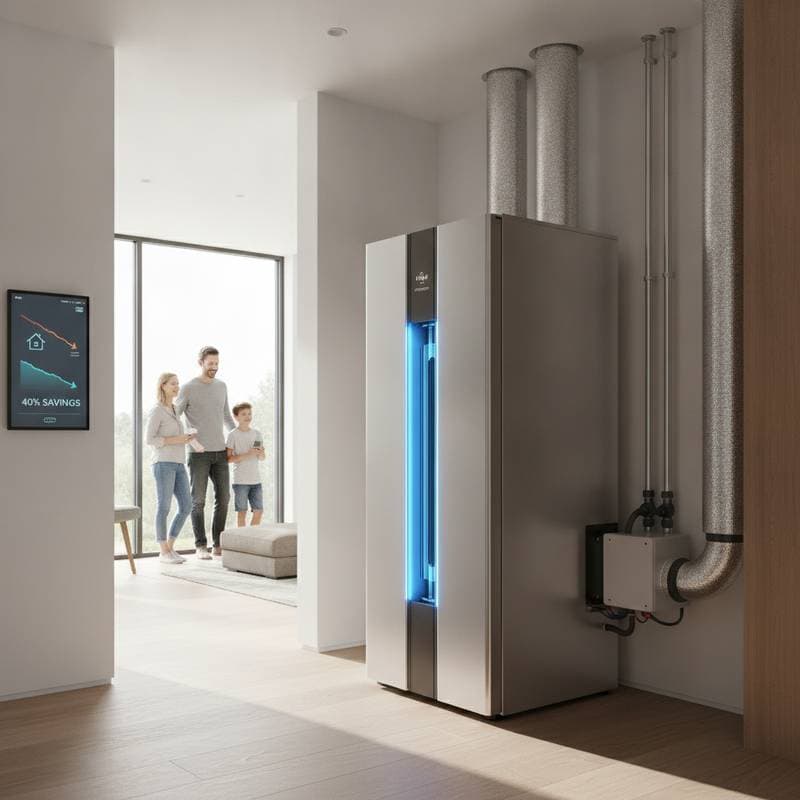
| Heating and Cooling | Air-source or ground-source heat pumps | $2,000 to $8,000 |
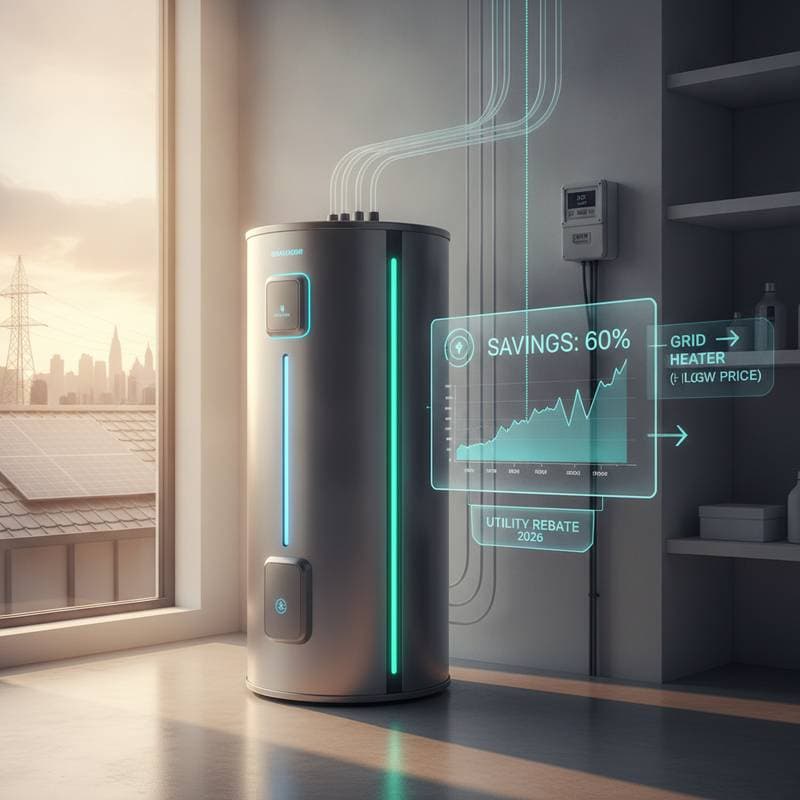
| Water Heating | Heat pump water heaters | $1,750 to $4,000 |
| Cooking | Induction ranges or cooktops | $840 |
| Electrical Upgrades | New panels or wiring to support electrification | $2,500 to $4,000 |
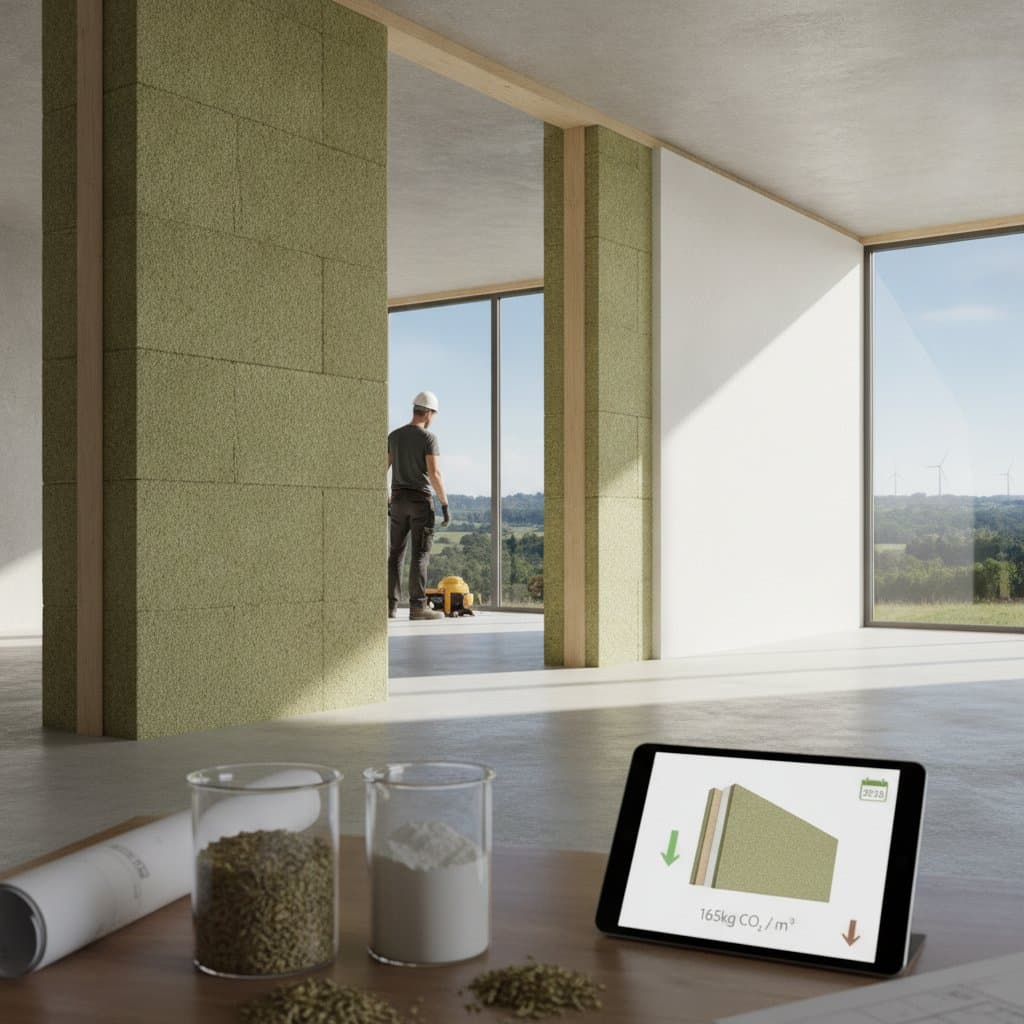
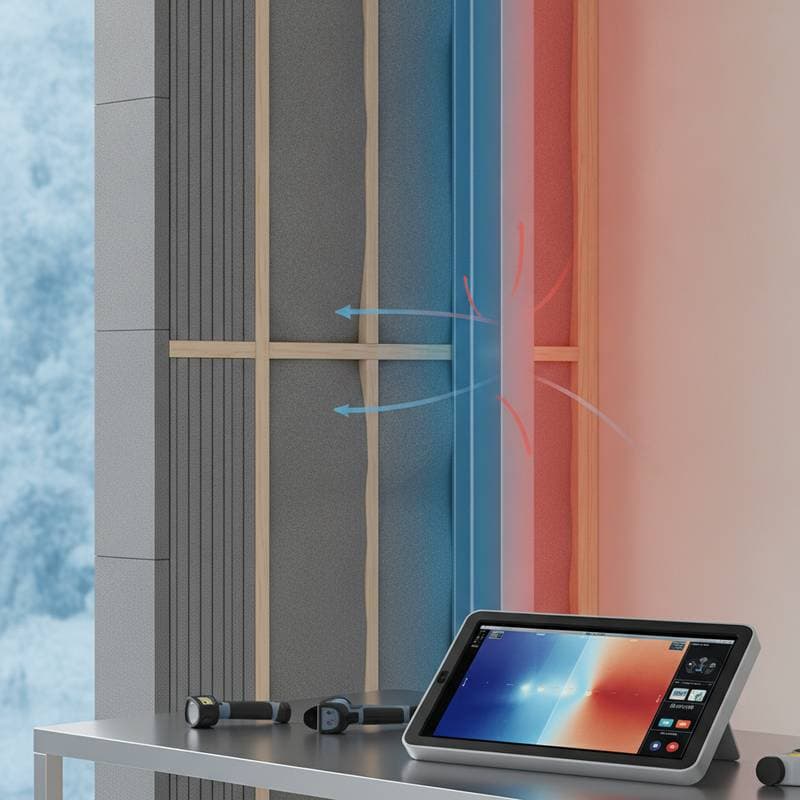
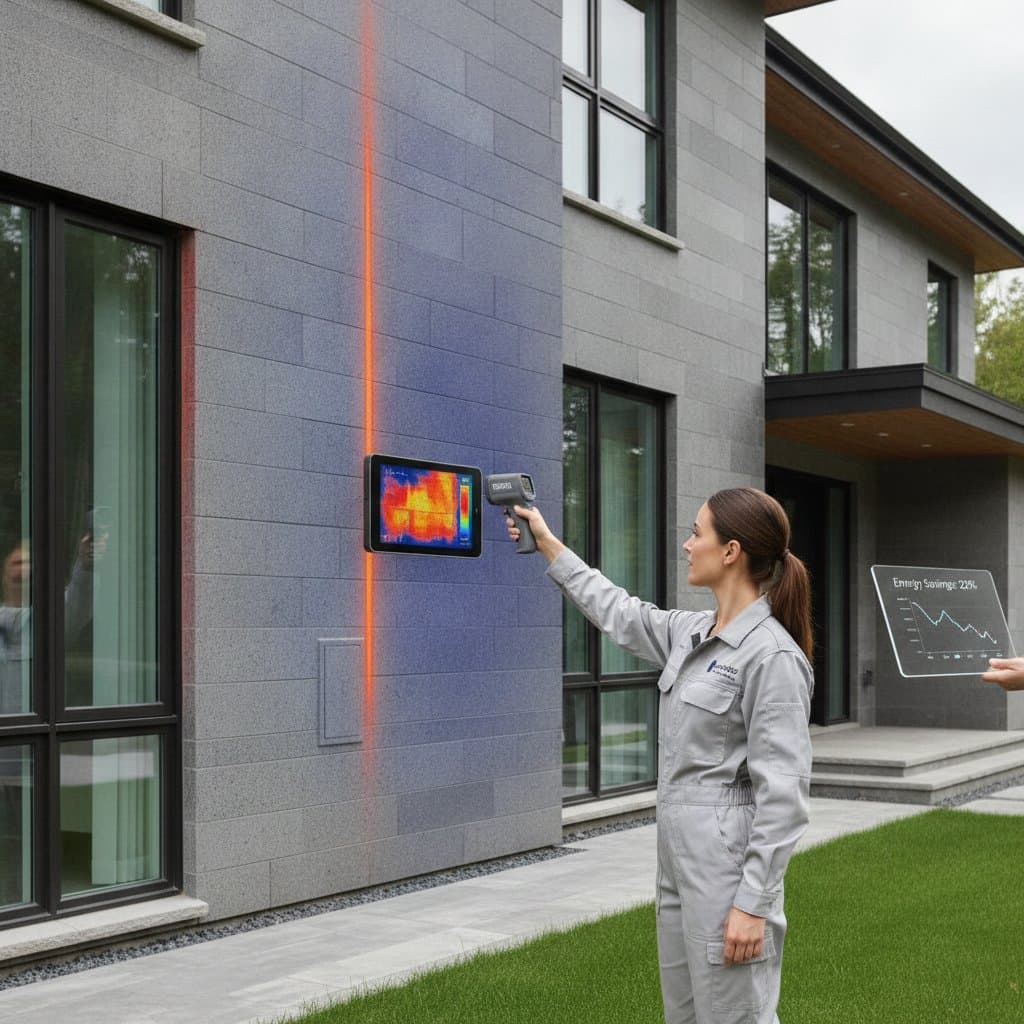
| Weatherization | Insulation, air sealing, or ventilation improvements | $1,600 to $2,000 |
Amounts fluctuate based on household income, location-specific programs, and project scale. Pursue multiple upgrades simultaneously to amplify total incentives.
Layering Incentives to Maximize Savings
Layer federal tax credits with state or local rebates to achieve substantial cost reductions. Consider a $10,000 heat pump installation: a 30 percent federal credit yields $3,000, and a $2,000 state rebate brings the net cost to $5,000. Ongoing energy savings further enhance returns, with payback periods typically spanning five to seven years, influenced by local utility rates.
Data from the National Renewable Energy Laboratory indicates that complete home electrification cuts annual energy outlays by about 25 percent on average. Opt for financing options that align with these savings to generate positive cash flow right away. For instance, select low-interest loans from green energy providers, and track monthly bill reductions to confirm the investment pays off quickly.
Addressing Common Concerns About Electrification
Homeowners frequently express doubts about electric systems in cold regions or fear that costs will exceed benefits. Contemporary heat pumps, however, function reliably in subzero temperatures, maintaining efficiency through advanced defrost cycles and variable-speed compressors. Expanded rebate programs have leveled the playing field, making upfront investments more accessible than ever.
A prevalent myth holds that electric upgrades lead to elevated bills. Proper system sizing, combined with weatherization, reverses this outcome. These technologies consume less power overall and integrate seamlessly with solar panels or utility renewable plans, amplifying cost efficiencies over time.
Preparing for a Seamless Transition
To leverage 2026 credits effectively, initiate preparations promptly. Demand for certified installers of heat pumps and electrical work often exceeds supply, leading to extended wait times. Collect detailed quotes from licensed contractors, and verify that selected products comply with federal efficiency benchmarks, such as Energy Star ratings.
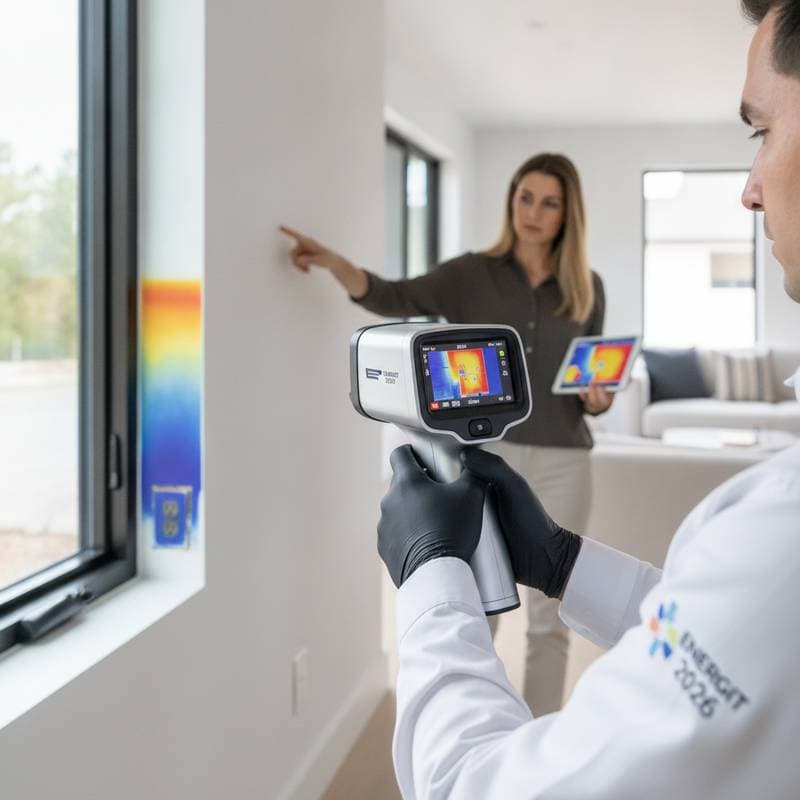
Retain comprehensive records, including receipts, warranties, and certification documents, to substantiate tax credit claims. Leverage free online calculators from utilities or government sites to assess eligibility, project your savings, and prioritize initiatives that fit your financial parameters. Schedule a home energy audit to pinpoint high-impact areas, ensuring upgrades deliver optimal results.
Advance Your Home with Electrification
Electrifying a home represents a strategic decision that blends environmental stewardship with financial prudence. Leverage credits, rebates, and targeted efficiencies to trim utility bills, elevate living standards, and safeguard against escalating energy demands. This approach not only secures immediate advantages but also elevates property appeal in an era prioritizing sustainable living.