Geothermal HVAC Cuts Energy Bills 60% in 2026
Geothermal HVAC systems move heat rather than generate it. They draw stable temperatures from the ground to deliver year round heating and cooling. This approach produces substantial energy reductions for both homes and businesses.
Homeowners report cuts of up to 60 percent in annual heating and cooling expenses compared with conventional equipment. The technology has moved from niche installations to broader adoption because of equipment improvements and expanded financial support.
How These Systems Operate
A ground source heat pump circulates fluid through buried loops to exchange heat with the earth. In winter the system extracts warmth from the ground and transfers it indoors. In summer the process reverses to remove heat from the building.
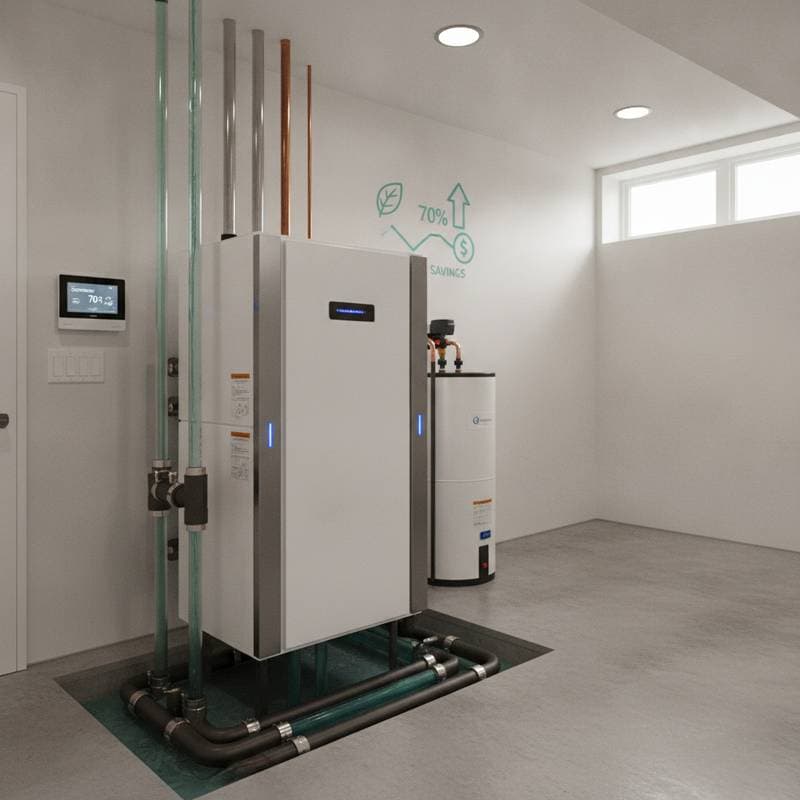
The U.S. Department of Energy notes that these units reach efficiencies of 300 to 600 percent. For every unit of electricity consumed, three to six units of heating or cooling result. Conventional furnaces and air conditioners seldom exceed 100 percent efficiency.
Understanding the Costs
A typical residential installation ranges from 15,000 to 30,000 dollars depending on lot size and soil conditions. Operating expenses drop sharply once the system is in place. Many households save as much as 2,000 dollars each year on utility bills.
Federal and state incentives shorten the recovery period. Most owners recoup their investment within five to ten years when tax credits and rebates are included. Property values also rise because buyers recognize the long term savings.
| Factor | Conventional HVAC | Geothermal HVAC |
|---|---|---|
| Average lifespan | 15 years | 25+ years |
| Efficiency (Coefficient of Performance) | 0.9 to 1.0 | 3.0 to 6.0 |
| Annual maintenance | Moderate | Low |
| Energy source | Electricity or gas | Ground energy |
Factors Driving Wider Use
Energy price swings and stricter building codes push property owners toward stable renewable options. New drilling methods allow vertical loops or compact horizontal fields that fit smaller urban lots. Hybrid designs that pair geothermal with solar further improve resilience.
Government programs now offer tax credits and low interest financing that lower upfront expenses. These measures make geothermal competitive with high efficiency air source alternatives.
Key Considerations Before Installation
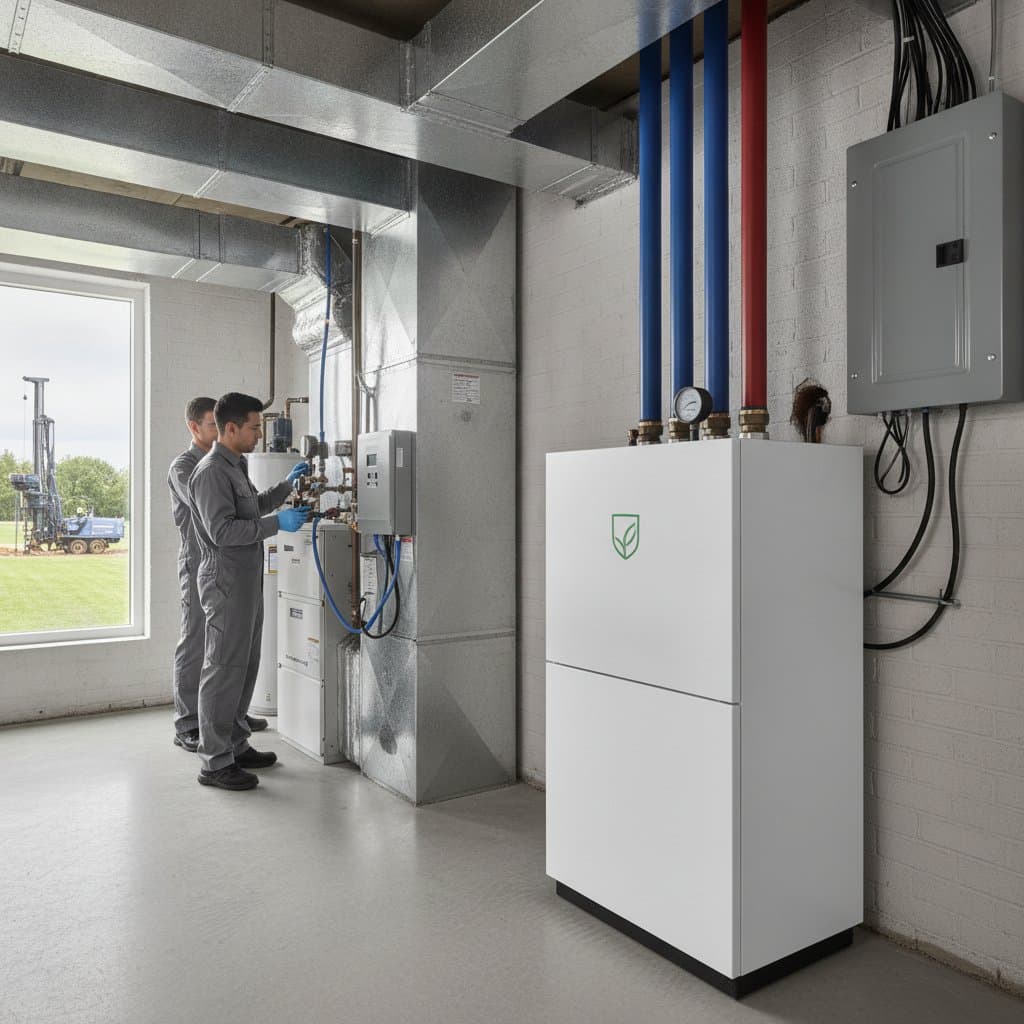
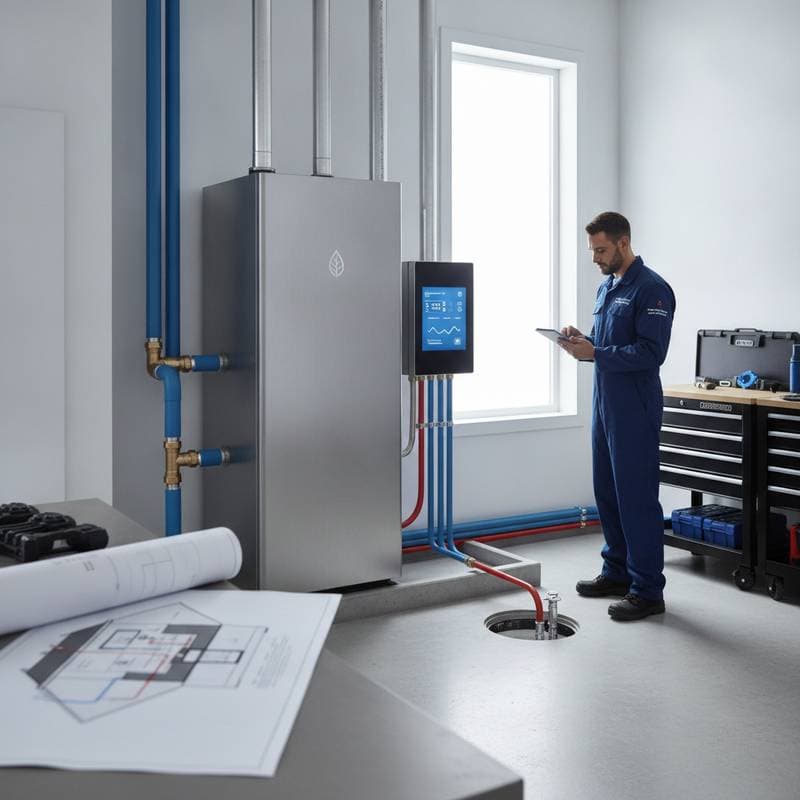
A site assessment by a certified contractor determines soil type, lot dimensions, and groundwater conditions. Retrofitting an existing home is feasible though minor landscape adjustments may be needed. Filter changes and occasional pump checks constitute routine maintenance.
Because outdoor compressors are absent, the systems operate quietly and experience less wear. Owners commonly report consistent performance over decades with minimal intervention.
Steps to Get Started
Contact certified geothermal contractors for multiple quotes and custom designs. Compare lifetime costs rather than installation price alone. Inquire about current rebates and financing that reduce initial outlays.
New construction offers the greatest savings because loops can be installed before landscaping is complete. Developers now include these systems as standard features in energy efficient communities.
Achieving Reliable Year Round Comfort
Geothermal HVAC delivers steady performance with low operating costs and reduced maintenance demands. Property owners gain independence from fuel price fluctuations while meeting sustainability goals. The combination of incentives, compact installation options, and proven efficiency positions the technology as a practical choice for long term comfort.