Geothermal Retrofits Cut Energy Bills 65 Percent in 2026
Key Points
- Geothermal HVAC retrofits can reduce utility bills by up to 65 percent compared with conventional systems.
- Typical installation costs range from 18000 to 35000 dollars, with an average payback period of 5 to 10 years.
- Home resale values can increase by 4 to 9 percent when equipped with ground source heat pump technology.
- Federal and local incentives may offset up to 30 percent of upfront costs depending on location.
- Proper site assessment and loop design are critical for maximizing system performance and efficiency.
How Geothermal HVAC Systems Operate
Ground Loop Configurations
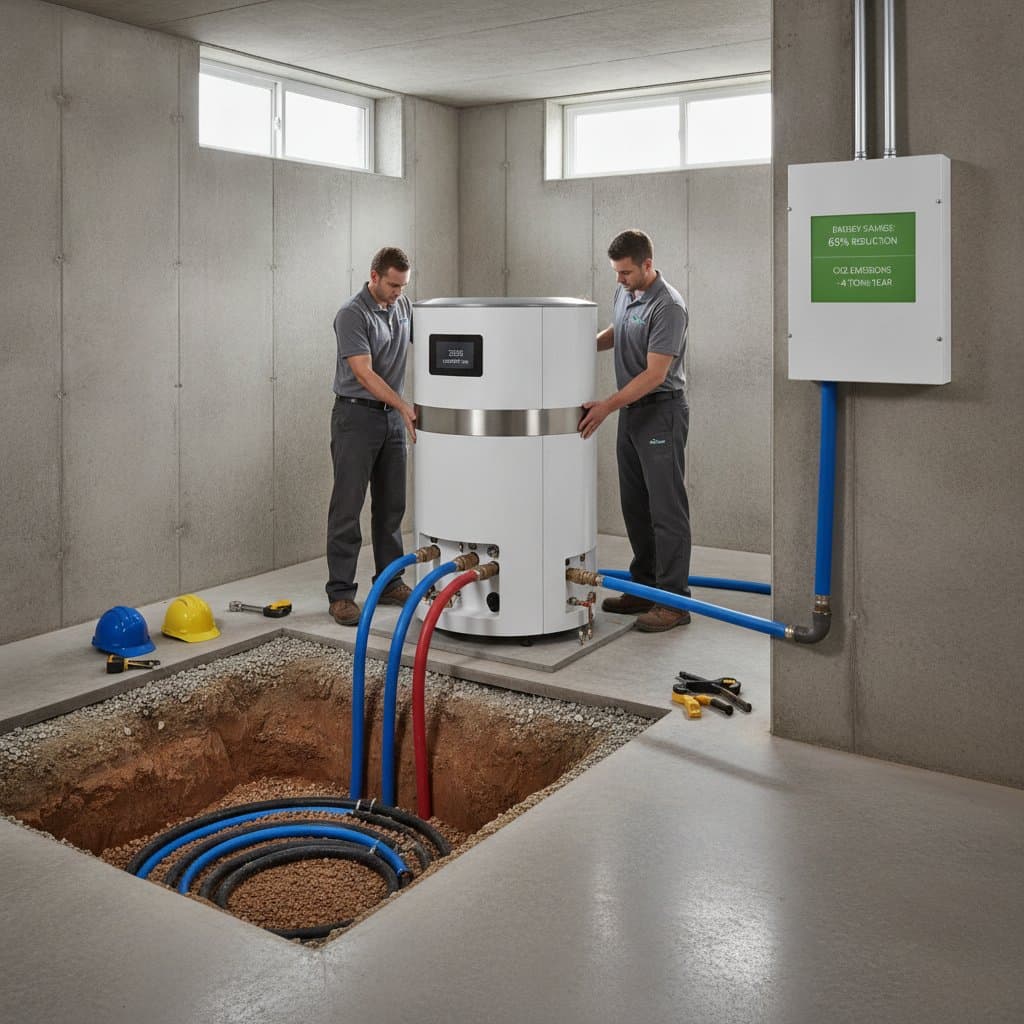
At the core of every geothermal system lies the ground loop. This consists of pipes buried vertically or horizontally in the earth. The loop circulates a water based solution that absorbs heat from the ground in winter and releases excess heat in summer. The process maintains steady indoor temperatures regardless of outdoor conditions.
Three main loop configurations exist. Vertical loops suit limited space and involve boreholes drilled several hundred feet deep. Horizontal loops work well for homes with large yards and require trenches placed below the frost line. Pond or lake loops apply when a nearby water source permits submerged heat exchange.
Vertical systems usually cost more upfront due to drilling yet perform consistently across varied soil conditions. Horizontal loops cost less but demand more space and stable soil moisture.
Heat Pump Function
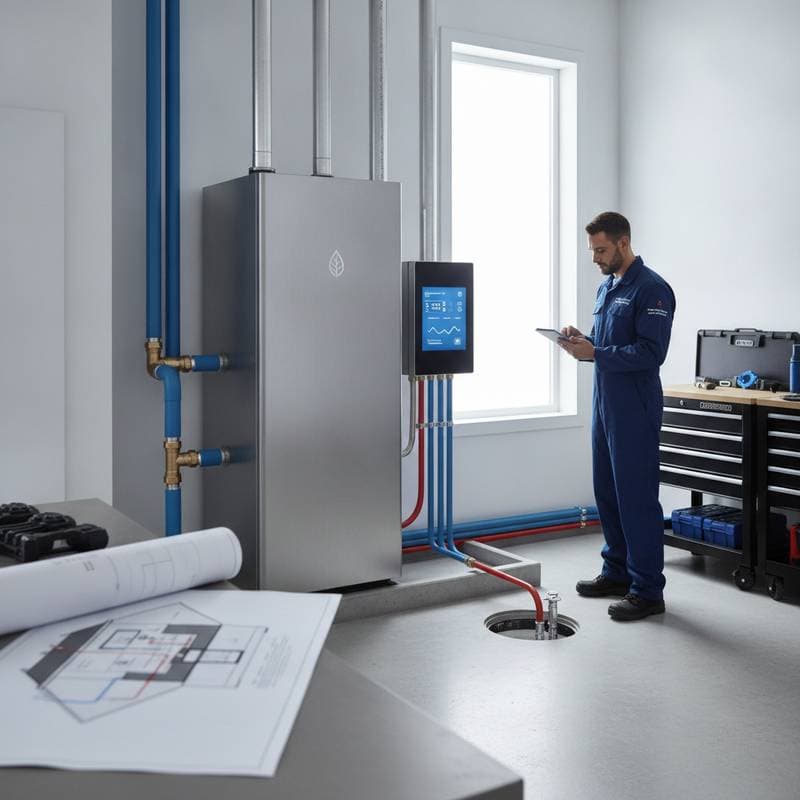
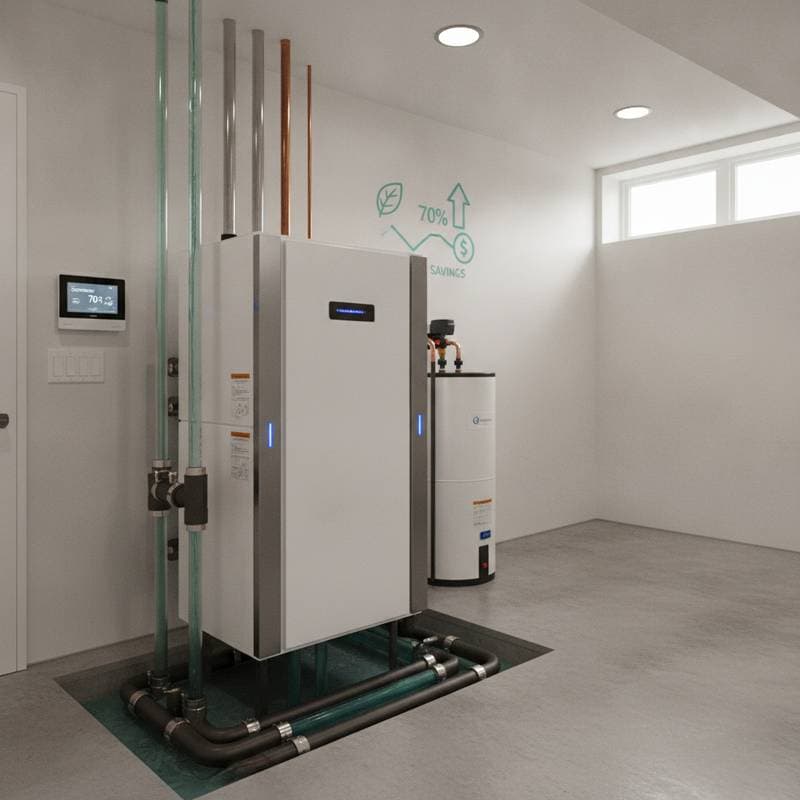
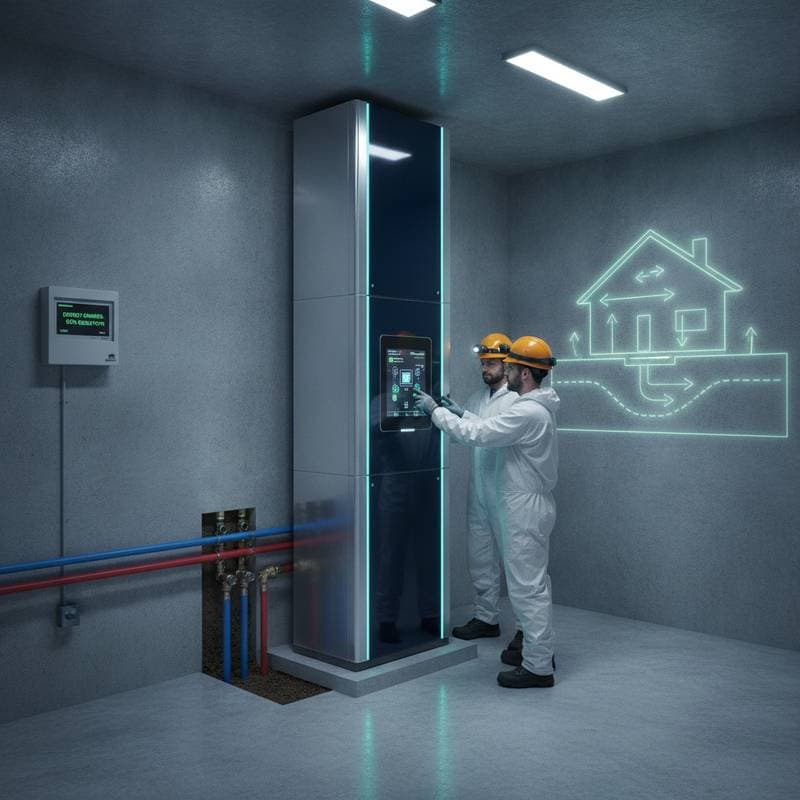
Inside the home the ground source heat pump transfers thermal energy between the ground loop and the indoor air distribution system. In winter the pump extracts heat from the ground fluid and distributes it through ducts or radiant flooring. In summer the process reverses to draw heat from indoors and disperse it underground.
The constant underground temperature means the heat pump works less than air source units that adjust to outdoor swings. This efficiency extends equipment life, reduces noise, and lowers maintenance needs.
Environmental Impact and Comfort Gains
Geothermal systems draw renewable thermal energy from the ground instead of burning fossil fuels. They can cut household greenhouse gas emissions by up to 50 percent. Pairing them with solar power allows nearly carbon neutral operation.
The systems remove on site combustion and thereby improve indoor air quality by limiting pollutants such as carbon monoxide. They also eliminate outdoor condenser units and reduce noise.
Temperature delivery remains steady without the swings common in traditional units. Homeowners notice more even humidity and fewer drafts.
Maintenance Requirements and Equipment Life
Geothermal systems need less attention than conventional HVAC equipment. The ground loop is sealed and buried with an expected life beyond 50 years. The indoor heat pump lasts 20 to 25 years.
Annual tasks include checking fluid levels and pressure, replacing air filters, inspecting electrical connections, and flushing the loop if mineral buildup occurs. Most components sit indoors or underground so weather exposure stays minimal.
Planning a Retrofit Project
Homeowners begin by consulting certified installers experienced in residential retrofits. They request performance modeling that estimates savings and payback for the specific property. They compare loop options and review applicable incentive programs.
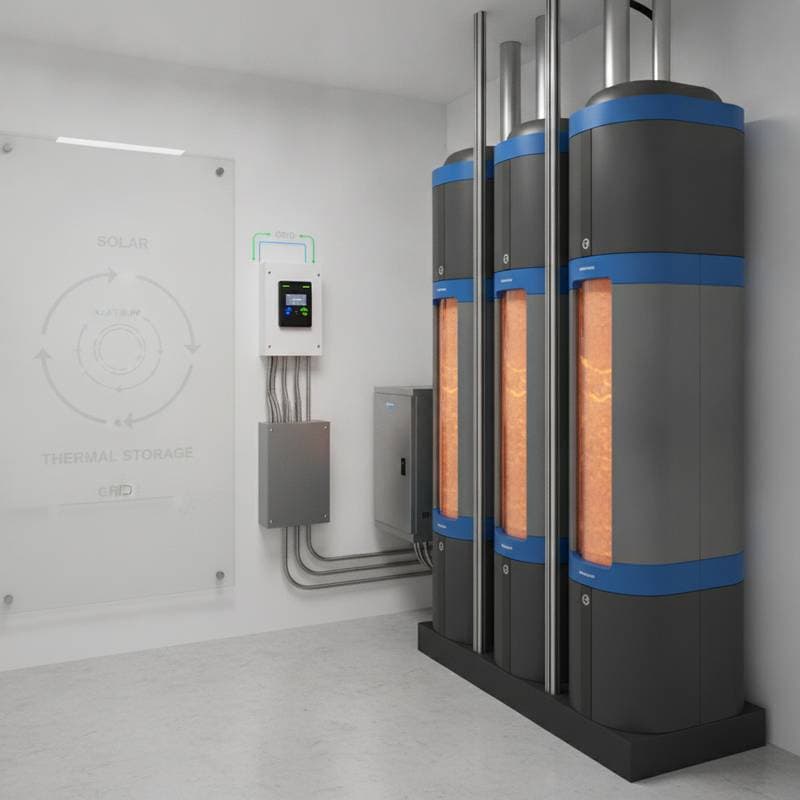
Installation during mild weather reduces disruption. After startup owners track energy use to confirm savings. Pairing the system with solar generation or smart controls further improves results.
Ground source technology delivers durable comfort and lower emissions while supporting long term financial stability.