Key Points
- Hempcrete delivers superior fire resistance, energy efficiency, and carbon sequestration capabilities.
- It fosters a healthier indoor space via natural humidity control and non-toxic elements.
- Long-term cost analyses reveal substantial savings, even with modest initial investments.
- Builders integrate hempcrete across diverse climates, budgets, and architectural preferences.
- Homeowners secure enhanced resilience, comfort, and value through this sustainable choice.
Why Hempcrete Matters for Modern Construction
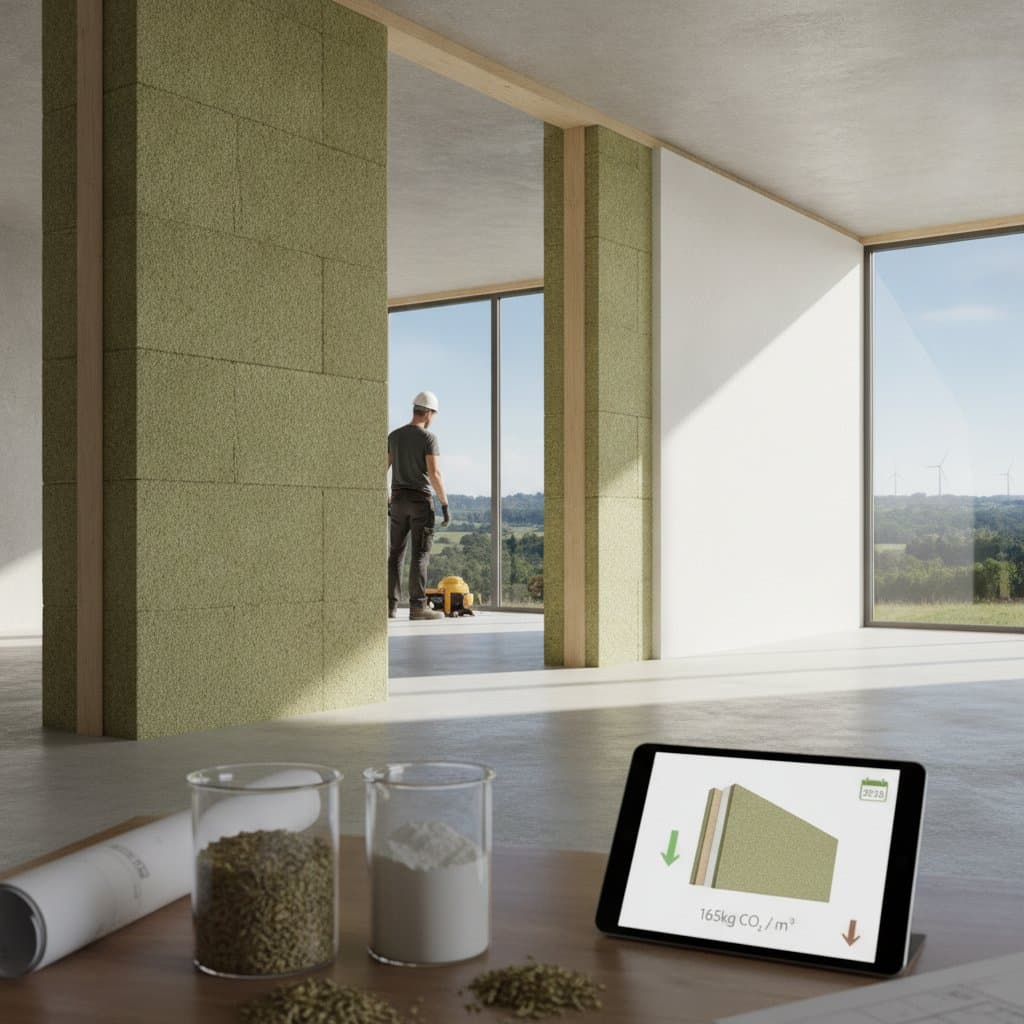
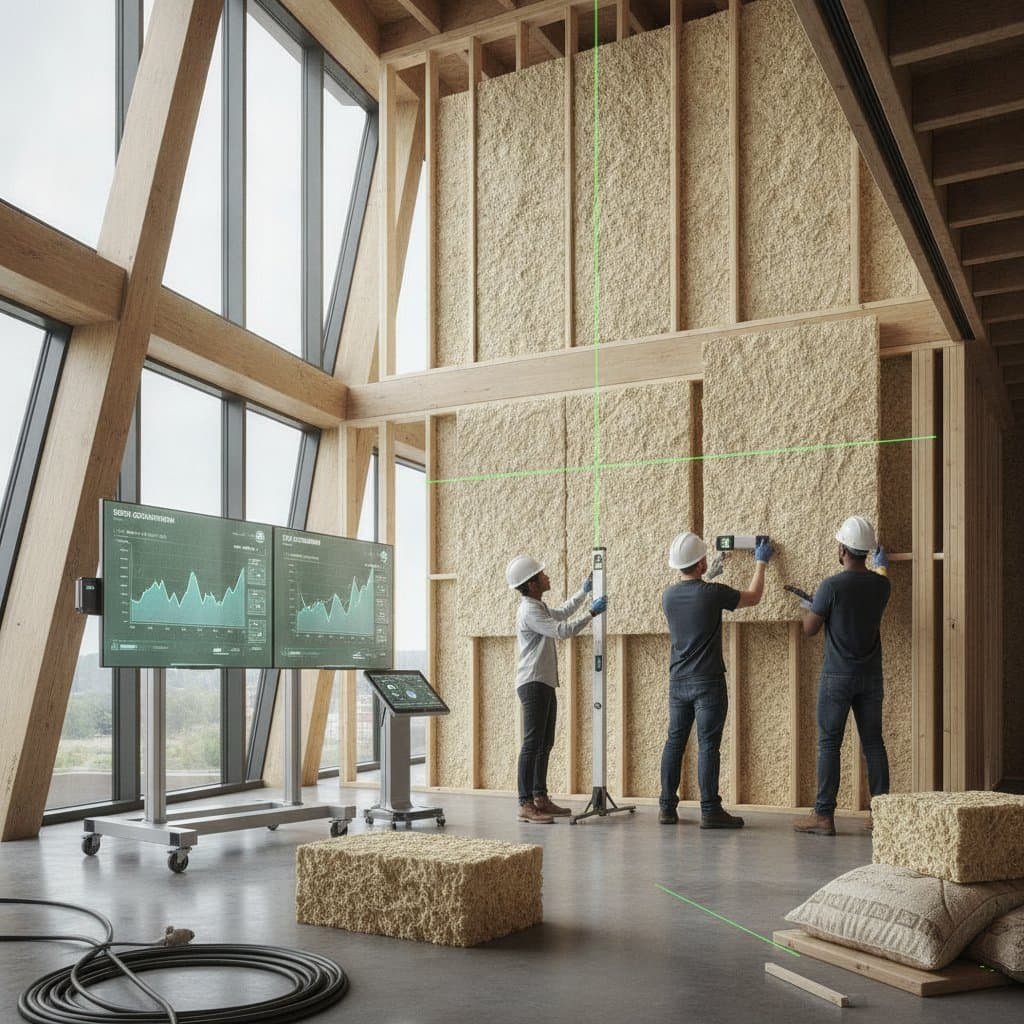
Hempcrete emerges as a bio-composite derived from the inner woody core of the hemp plant, blended with a natural lime binder and water. This mixture solidifies into a lightweight, breathable substance ideal for insulation and non-load-bearing wall applications.
Its value stems from three core attributes:
- Performance: Effective insulation paired with vapor permeability ensures optimal thermal regulation.
- Safety: Inherent fire resistance eliminates the need for synthetic additives.
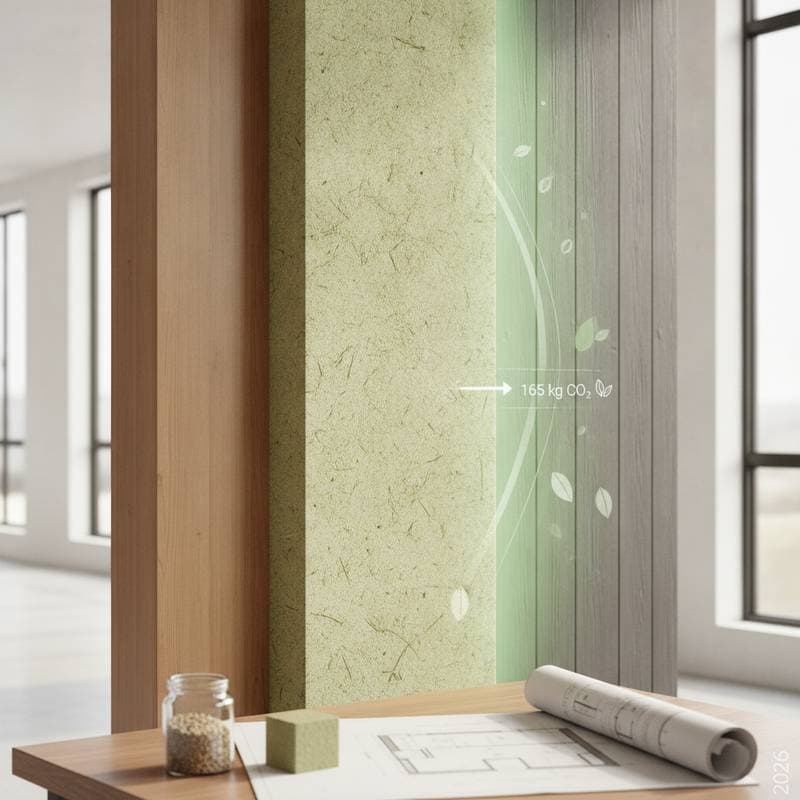
- Sustainability: The material sequesters carbon throughout the building's lifespan.
These features position hempcrete as a strategic choice for homeowners seeking both practical benefits and environmental responsibility. Beyond surface-level appeal, it yields tangible outcomes in reduced energy expenses, increased structural durability, and improved occupant well-being.
The Energy Efficiency Equation
Energy efficiency drives decisions in remodeling and new builds alike. Hempcrete achieves reliable results through its thermal mass and ability to permit vapor movement. This design moderates daily temperature fluctuations, maintaining cooler interiors during summer and warmer ones in winter.
Although its R-value per inch trails certain synthetic foams, the holistic system often rivals or surpasses them by minimizing humidity issues and air leaks.
Estimated ROI:
- Initial cost premium: 10 to 20 percent higher than conventional insulation
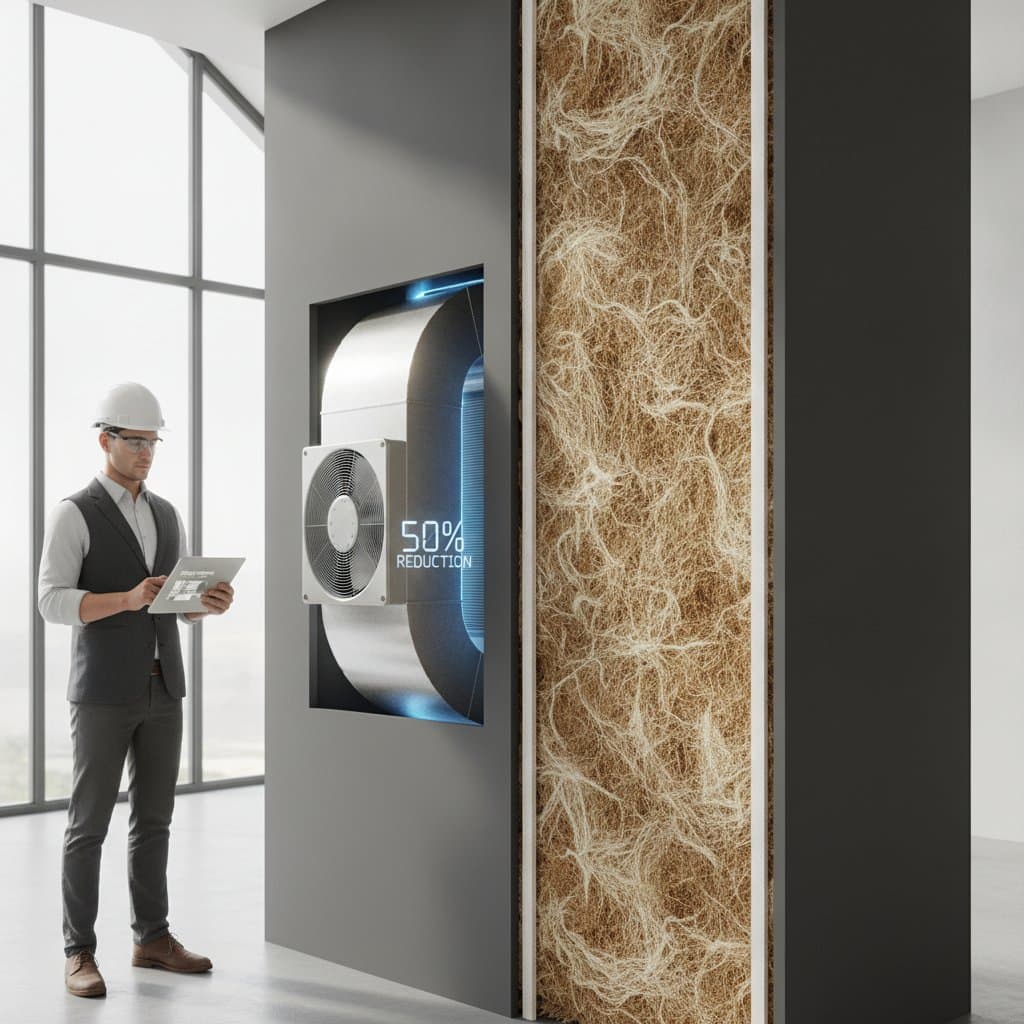
- Energy savings: 30 to 50 percent decrease in heating and cooling needs
- Payback period: Generally 7 to 10 years post-occupancy
The breathable nature of hempcrete avoids moisture buildup in walls, curbing mold and deterioration. In the long term, these properties lower upkeep expenses and support healthier habitats.
Actionable Step: Integrate hempcrete with energy-efficient windows and passive solar strategies to amplify investment returns and accelerate payback timelines.
Comfort, Health, and Indoor Air Quality
Sustainability extends beyond environmental impact to enhance daily living. Traditional materials frequently include synthetic binders and fire retardants that emit volatile organic compounds over time. Hempcrete sidesteps these risks entirely.
Free of petrochemicals, it generates no off-gassing. The lime component inherently deters mold and bacteria, while its porous texture manages indoor humidity. Spaces constructed with hempcrete sustain even moisture balance, delivering year-round comfort without the stuffiness of sealed environments.
Individuals with allergies or respiratory concerns appreciate the fresher atmosphere this regulation provides. Additionally, hempcrete's sound-absorbing qualities enhance acoustic isolation, contributing to a more serene living experience.
Actionable Step: Pair hempcrete walls with low-VOC paints and natural flooring materials to establish a comprehensive, toxin-free interior.
Comparing Hempcrete to Other Sustainable Options
Those pursuing green insulation alternatives weigh hempcrete against options like cellulose, sheep's wool, cork, or recycled denim. While each has merits, hempcrete distinguishes itself with integrated structural support, moisture management, and fire safety.
| Material | Thermal Performance | Fire Resistance | Carbon Storage | Durability | Cost Range |
|---|---|---|---|---|---|
| Hempcrete | Moderate to high | Excellent | High (carbon negative) | Excellent | Medium-high |
| Cellulose | High | Fair | Moderate | Good | Medium |
| Sheep's wool | High | Good | Moderate | Good | High |
| Cork | Moderate | Excellent | Moderate | Excellent | High |
| Recycled denim | Moderate | Poor | Low | Fair | Medium |
Cellulose or wool might edge out in per-inch insulation, yet they demand extra fireproofing. Hempcrete's multifaceted efficiency appeals to those balancing sustainability with budget constraints.
Addressing Common Questions
Is hempcrete legal everywhere?
Building codes in numerous areas acknowledge hempcrete under provisions for natural or alternative materials. Certain locales necessitate engineering reports for approval in insulation or infill roles. Engage a local expert versed in regulations prior to implementation.
Can hempcrete support structural loads?
Hempcrete serves as non-structural insulation and enclosure around a framework, such as wood or steel. The frame bears all roof and floor burdens, with hempcrete focusing on thermal and sound benefits.
Does it attract pests?
The lime deters insects and rodents effectively. Unlike materials like straw, hempcrete offers no nourishment to vermin.
How does it handle moisture?
Vapor permeability enables moisture passage without trapping, fostering equilibrium. This approach inhibits mold and prolongs structural integrity rather than allowing accumulation.
What about cost over time?
Upfront expenses recoup through diminished utility bills, minimal repairs, and elevated resale potential. Across 20 years, net financial gains typically outpace traditional methods.
Integrating Hempcrete into Your Build
Hempcrete merges time-tested principles with contemporary efficacy, linking crop-based renewal to robust design. This versatile solution suits renovations of rustic homes or sleek city dwellings, aligning with varied project objectives.
Expanding production networks now ensure reliable access, moderating prices to compete with established systems. For professionals and residents, this evolution signals accessible progress in eco-friendly building practices.